


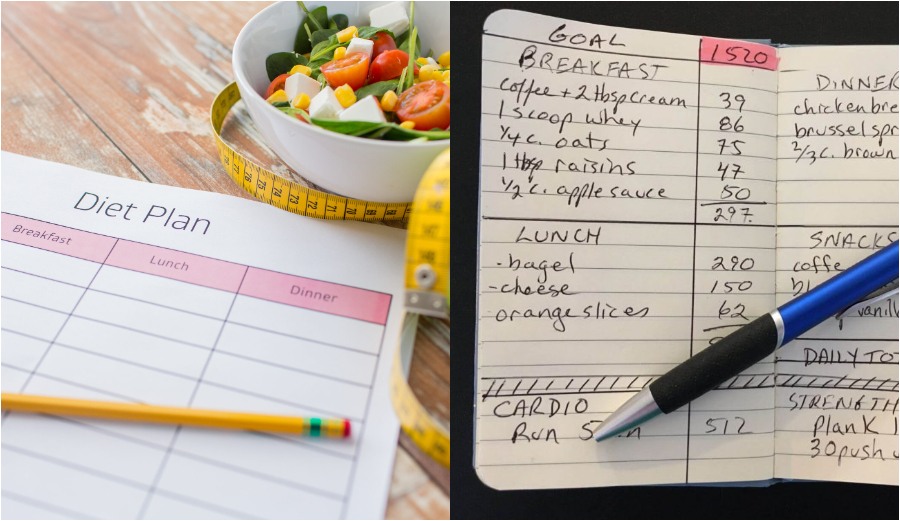
Monitoring your dietary habits today can lead to significant weight loss success tomorrow. The practice of maintaining a food diary is a proven method for individuals seeking to achieve their weight loss goals. Each entry in your food diary not only marks your daily food intake but also serves as a reflection of your physical activities, emotional states, and eating patterns. By diligently recording your meals and feelings, you are creating a comprehensive roadmap toward better health. Regularly reviewing your food diary at the week’s end provides invaluable insights into your eating habits, allowing you to pinpoint sources of excess calories. This reflection helps you identify foods that may hinder your weight loss efforts, enabling you to replace them with healthier alternatives. Research indicates that individuals who actively monitor their food consumption often experience reduced calorie intake, leading to successful weight loss outcomes. In this article, we will explore further reasons why keeping a food diary can be instrumental in your weight loss journey.
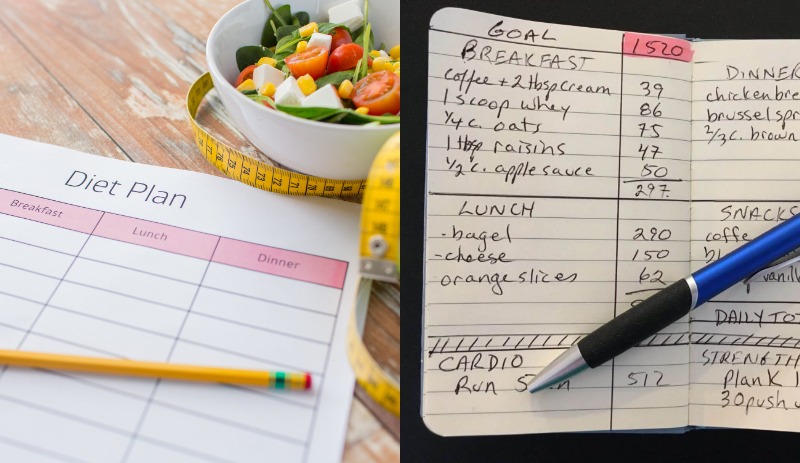
Uncover the Top 5 Reasons Why a Food Diary is Essential for Your Weight Loss Journey:
1. Tracking Your Food Intake Helps Eliminate Hidden Calories: Keeping a meticulous record of everything that lands on your plate can significantly aid in identifying and cutting out sources of hidden calories from your daily diet. By documenting every meal, you increase your awareness of your eating habits, allowing you to make conscious decisions that align with your weight loss goals.
2. Creating a Caloric Deficit Through Effective Monitoring: By diligently tracking your caloric intake, you set the foundation for establishing a caloric deficit, a crucial factor in achieving weight loss. Understanding how many calories you consume versus how many you burn can empower you to make adjustments in your diet and lifestyle to promote weight loss.

3. Identifying and Eliminating High-Calorie, Sugary Foods: A food diary serves as a powerful tool to help you pinpoint and remove high sugar and calorie-dense food items from your diet, which are often major contributors to weight gain. By recognizing these items, you can replace them with healthier, nutrient-rich alternatives that support your weight loss journey.
4. Self-Monitoring Progress for Better Results: A food diary allows for a comprehensive self-assessment of your dietary intake and physical activity levels. It gives you the ability to recognize eating habits, track emotional triggers that lead to overeating or binge eating, and monitor your overall lifestyle. For additional insights, check out “8 Minor Steps To Begin Your Weight Loss Journey Right Now.”
5. Valuable Insights for Nutritionists and Weight Loss Teams: Maintaining a food diary provides essential data for nutritionists and your weight loss program team, allowing them to evaluate which foods and strategies are effective. This collaborative approach enables you to make informed changes to your eating patterns and lifestyle modifications that could further accelerate your weight loss success.
Essential Details to Record in Your Food Diary for Maximum Effectiveness:
1. Document Every Bite and Snack Throughout the Day: Ensure that you write down everything you consume, including snacks and portion sizes. It’s crucial to note how much you ate and whether you went for seconds, as this level of detail will enhance your awareness of your eating habits.
2. Record Meal Timings: Consistency is key; aim to eat your meals and snacks at regular intervals rather than erratic timings, as this can help regulate your metabolism and hunger levels.
3. Note Ingredients and Measurements: Before cooking, measure your main ingredients and document these amounts in your diary. If you struggle to lose weight in a given week, reviewing these measurements will help you adjust portions effectively.
4. Reflect on Emotional Eating Triggers: If you deviate from your diet, jot down your feelings and motivations behind those choices. Were you feeling stressed, bored, or overwhelmed? Understanding your emotional triggers can help you develop better coping strategies.
5. Assess True Hunger Levels: Did you eat out of genuine hunger, or were you fulfilling an emotional need?
6. Document Cravings and Responses: Were there specific foods you craved that day? Did you indulge or resist the temptation?
7. Track Any Diet Deviations: If you strayed from your eating plan, note what you ordered or if you overindulged in any way.
8. Record Physical Activity: Don’t forget to mention your level of physical activity, including steps taken, workouts completed, and duration of exercise.
9. Monitor Water Intake: Ensure you are drinking enough water throughout the day—aim for at least 8 glasses.
10. Evaluate Sleep Quality: Your sleep routine is significant; record how well you slept the previous night, as sleep deprivation can significantly affect appetite and lead to increased cravings for unhealthy foods. For further reading, check out: “8 Surprising Sources of Empty Calories you May Be Overlooking.”
Maximize the Benefits of Your Food Diary with These 6 Practical Tips:
1. Record Every Detail Without Hesitation: Don’t shy away from noting down everything, no matter how small. Every bite contributes to your overall intake and should be documented for the best results.
2. Log Entries Immediately After Eating: It’s essential to enter details as soon as you consume food to avoid forgetting important information later in the day.
3. Track Nutritional Intake: Document your protein, carbohydrate, and healthy fat consumption. Did you receive sufficient vitamins and minerals from your meals? Identifying sources of these essential nutrients will help you create a balanced diet.
4. Measure Your Daily Fruit and Vegetable Intake: Make sure you are meeting the recommended servings of fruits and vegetables each day as part of a nutritious diet.
5. Review Your Journal Weekly: Assess how often you indulged in junk food and commit to reducing these items in the coming week, fostering healthier eating habits.
6. Analyze Your Progress After Weigh-Ins: After weighing yourself, take the time to review your food diary. If you lost weight, identify what strategies worked. Conversely, if you gained weight, reflect on potential missteps to adjust your approach moving forward.
Maintaining a food diary is a transformative strategy in your weight loss journey. It’s not only vital to keep a record of your food intake but also to regularly review this information for insights into your eating habits and calorie consumption. When executed effectively, your food diary can serve as a personalized roadmap to achieving your weight loss goals. To further assist in shedding those extra pounds and trimming inches from your waistline, explore our tailored diet plans available on the Rati Beauty diet platform. Subscribe now to gain access to our comprehensive weight loss diet plans.
Learn more with “8 Minor Steps To Begin Your Weight Loss Journey Right Now”
Discover “8 Surprising Sources of Empty Calories you May Be Overlooking”
!function(f,b,e,v,n,t,s)
{if(f.fbq)return;n=f.fbq=function(){n.callMethod?
n.callMethod.apply(n,arguments):n.queue.push(arguments)};
if(!f._fbq)f._fbq=n;n.push=n;n.loaded=!0;n.version=’2.0′;
n.queue=[];t=b.createElement(e);t.async=!0;
t.src=v;s=b.getElementsByTagName(e)[0];
s.parentNode.insertBefore(t,s)}(window, document,’script’,
‘https://connect.facebook.net/en_US/fbevents.js’);
fbq(‘init’, ‘175059706376017’);
fbq(‘track’, ‘PageView’);
