


[ad_1]
Today, the toothbrush is a mass-produced, essential element that plays an important role in everyday oral hygiene.
The problem is that we all have different teeth and gums, and different sensitivities, while toothbrushes are manufactured in limited, non-customizable shapes.
What the researchers from the University of Pennsylvania realized is that customization is fundamental for the eradication of dental plaque.
Dental plaque is a biofilm full of microbial cells that adhere to the teeth’s surface and can cause dental caries, halitosis (bad breath), and gum disease.
dental plaque
We brush and floss our teeth in an attempt to eliminate that biofilm, but our current tools aren’t able to clean and disinfect every corner of our mouths.
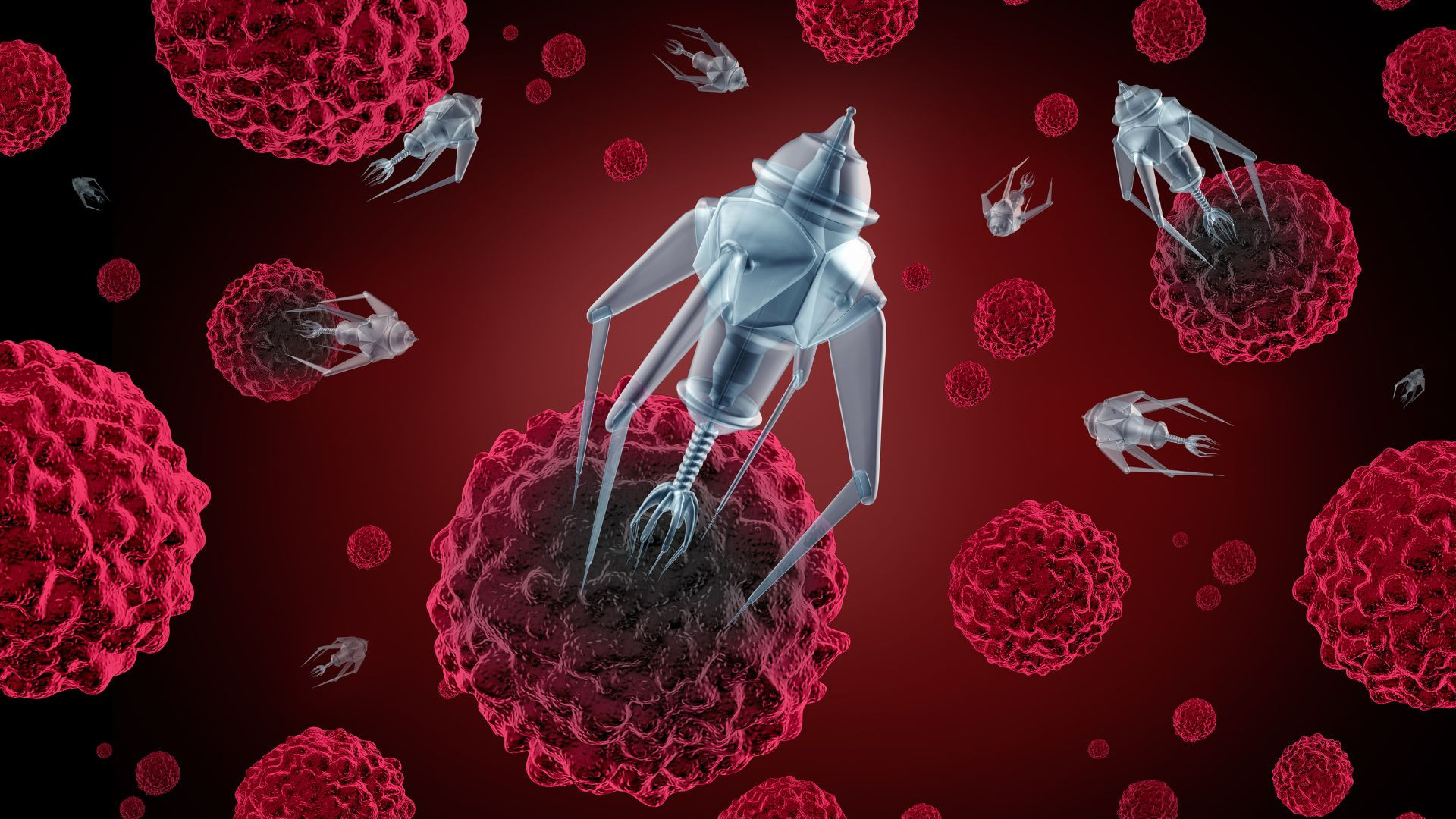
In that sense, the adaptability of the robotic assemblies created by the University of Pennsylvania, as well as their microscale precision, has proved to be effective for biofilm removal in tests with 3D-printed tooth models and real human teeth.
What’s even better, the microrobots’ nanoparticles also have catalytic properties that kill bacteria.
The iron oxide nanoparticles are able to produce hydroxyl free radicals from hydrogen peroxide at the site of mechanical cleaning. This works as an immediate, real-time antimicrobial treatment that, in combination with mechanical cleaning, promises to take the prevention of dental disease to the next level.
The researchers from the University of Pennsylvania expect this innovation to be particularly helpful to the geriatric population and/or people with disabilities who might lack the manual dexterity to brush and floss their teeth themselves.
“Routine oral care is cumbersome and can pose challenges for many people, especially those who have a hard time cleaning their teeth,” added Hyun Michel Koo. “You have to brush your teeth, then floss your teeth, then rinse your mouth; it’s a manual, multistep process. The big innovation here is that the robotics system can do all three in a single, hands-free, automated way.”
[ad_2]
Source link