


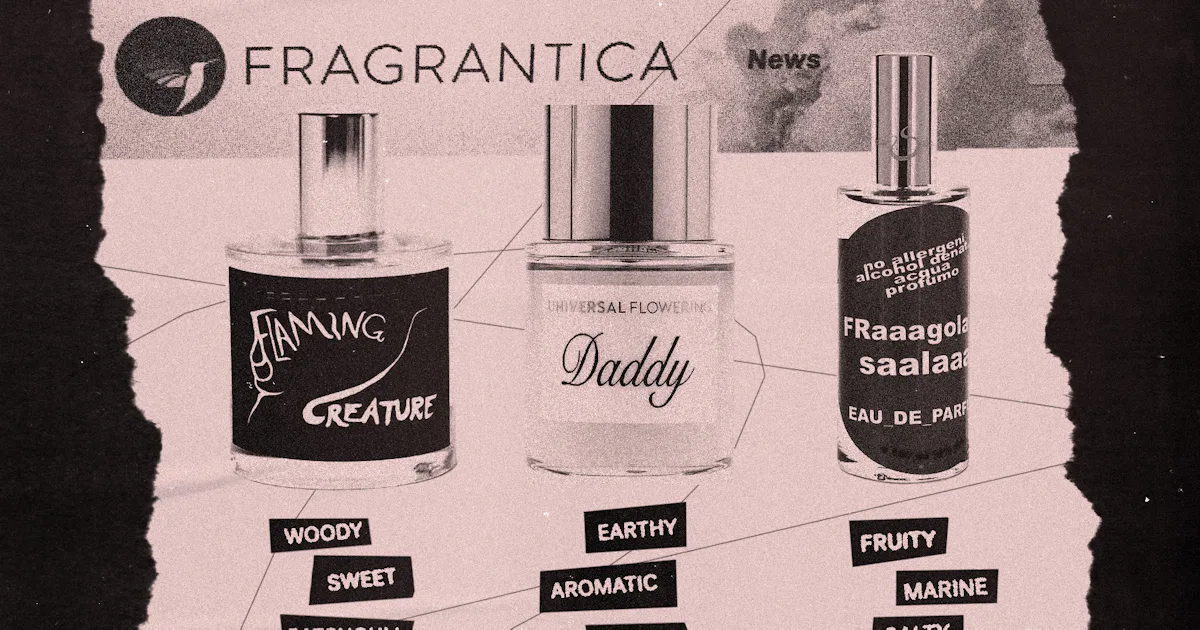
Exploring the Passion for Unique Fragrances: Minka Ashley’s Journey
Minka Ashley, who affectionately refers to herself as a scent enthusiast, returned to her coastal hometown in Maine a few years ago, only to discover a collection of outfits that remained untouched in her closet. Instead of cycling through various outfits daily, she now indulges in the art of fragrance. This shift has allowed her to express herself through scents rather than clothing, providing a sense of luxury while enjoying the great outdoors. “I have a lot of really stupid outfits I love to wear, but I’m outside a lot,” Ashley reflects. “Being on the beach or walking in the woods, perfume gives me a little bit of luxury that isn’t expressed through clothing. You can be dressed casually yet still feel like yourself.”
Jane Dashley: Capturing the Essence of Fragrance through Art
In a similar vein, Jane Dashley, an artist based in Dallas, Texas, shares her passion for unique fragrances alongside her husband, Jeff. Their journey began a few years ago, and in 2019, they launched the Instagram account @Fragraphilia to document their vibrant collection of scents. This couple creatively stages photoshoots that showcase their favorite bottles, such as Radish Vetiver by Comme des Garcons nestled among radish roots or Chronic by 19-69 placed on a bed of fresh moss. They have also embraced video content, offering personal descriptions and insights into their growing collection, which now boasts 71 unique fragrances.
Shifting Social Dynamics: The Role of Fragrance in Personal Expression
“Suddenly, every girl I follow on Twitter who has a cute style and a great sense of humor is also sharing what fragrance she’s wearing today,” Dashley observes. This shift signifies a broader trend where she and Jeff have exchanged lively Friday night outings for intimate perfume sampling sessions at home, where they order samples and take detailed notes. “I’m not wearing a different outfit every day. I’m wearing a different scent every day,” she adds. “There was a time when I didn’t think I’d wear the same outfit daily, but I’ve embraced an apron smock and LL Bean cargo dress for two weeks now. Yet, I’ve enjoyed an amazing scent each day, which truly matters.”
A Cultural Renaissance in Perfume: Young Voices Reshaping the Industry
Although the influence of a few trendy individuals on social media does not establish a definitive trend, Ashley and Dashley are part of a significant revival in perfume culture that has emerged over the past couple of years. This cultural reawakening is driven by a new generation eager to redefine and reimagine the fragrance industry, striving to preserve and promote intriguing and authentic scents. Young trendsetters on platforms like Twitter are sharing screenshots from the classic perfume website Fragrantica, hunting for vintage bottles of Shalimar on forums like Basenotes, and Etsy users are peddling unique decants while TikTok creators suggest niche perfume options.
The Rise of Independent Perfumers and a Community of Scent Enthusiasts
This movement is driven largely by independent perfumers such as Marissa Zappas and Hilde Soliani, who are dedicated to crafting distinctive fragrances, often through handcrafted methods. Beauty writers like Sable Yong and Tynan Sinks are enriching the cultural dialogue surrounding fragrance through their podcast, Smell Ya Later. Additionally, YouTube fragrance influencer Jeremy Fragrance shares his insights with nearly 2 million followers, while comedian Emma Vernon hosts the Perfume Room podcast and conducts Zoom classes on fragrance identification. Even Jónsi, the lead vocalist of Sigur Rós, has contributed to this renaissance by creating a “perfume organ” that released earthy scents during his gallery exhibitions.
Personal Identity and Scent: The New Frontier of Self-Expression
This transformation is as much a response to the pandemic as it is to the emergence of websites like Scentsplit and Lucky Scent, which facilitate easier access to fragrance samples. There is a palpable shift toward hyper-individualism in beauty, which includes scent as a vital aspect of personal branding. “I think a lot of it does relate to the brandification of the self,” Sinks explains. “Fragrance is a new dimension of how we represent and express ourselves, making personal scent an important part of our hyper-individualistic culture.”
Fragrance Industry Transformation: Breaking Free from Stagnation
The current cultural moment for perfume signifies a transformation within the industry itself, which has been stagnant for decades. For the past fifty years, the perfume sector has operated within the same confines, following repetitive marketing strategies and relying on the same perfumers to create fragrances. “How many naked people on horses are we supposed to see?” asks Zappas, a poet and independent perfumer with a dedicated following. Her candid observation highlights the disconnect between traditional fragrance marketing and contemporary consumer interests.
The Challenge of Commercial Fragrance: Conformity and Market Testing
Independent perfumers face significant challenges within commercial settings due to the sheer volume of production required in the fragrance industry. These perfumers are often tasked with creating thousands of scents annually, leaving little room for intentional, thoughtful formulation. Consequently, many fragrances begin to echo one another, leading to a homogenized scent experience. “Every perfume started to smell the same,” Rachel Rabbit White, a poet and perfume aficionado, notes. She collaborated with Zappas to develop a fragrance accompanying her poetry collection, Porn Carnival: Paradise Edition. “It feels like many brands are targeting a younger audience with cloyingly sweet, sugary scents, neglecting floral or clean aromas that once defined the industry.”
Redefining the Scent Experience: Embracing the Unfamiliar
This stagnation is partly due to the fragrance industry’s heavy reliance on market testing, an approach that contrasts with the immersive experience that perfume is meant to provide. “There has to be that first spray that captivates you,” Zappas asserts. “Scent is a complex experience, requiring a balance of familiar and unfamiliar notes to resonate with consumers. However, commercial fragrances tend to lean heavily on the familiar, avoiding groundbreaking compositions.”
“There’s got to be that first spray where you’re blown away, and I think that really hits something in the brain, right? Serotonin, dopamine, I don’t know what it is, but it feels good to have this scent overpower you when you understand it immediately.”
As consumers seek out unique scents, platforms like Fragrantica provide detailed information about top, middle, and base notes, akin to a wine tasting experience. This resource helps fragrance enthusiasts identify their preferences and discover niche perfumers. The allure of fragrances crafted by Zappas and others lies in their unconventional notes, which can surprise and intrigue users, even if initial reactions are mixed.
Embracing the Unconventional: The Appeal of Unique Fragrance Profiles
“I like something to be 10 to 30% gross,” Ashley admits, explaining her preference for unconventional notes that deviate from mainstream offerings found at retailers like Sephora. This distinctive quality is what draws a “younger, cooler” audience to perfumes made by Zappas, Hilde Soliani, Universal Flowering, Francesca Bianci, and other smaller perfume houses. “Marissa has a talent for creating bold openings in her fragrances,” Rabbit White observes. “When I sprayed the Paradise Edition, people told me, ‘I feel crazy when I spray it.’”
Resurgence of Interest in Perfumes: Self-Expression Amidst the Pandemic
Surprisingly, Zappas witnessed her highest sales during the pandemic, with strong sales continuing afterward, a trend she did not anticipate. She attributes this phenomenon to a shift in how individuals relate to self-expression; people have started to wear perfume less for social occasions and more for personal enjoyment. “We’ve spent so much time alone with our own bodies that perfume has become something we wear not just for going out, but to connect with ourselves,” Zappas says. “This reflects a growing interest in new sensory experiences beyond the mainstream offerings available at department stores.”
Hilde Soliani: The Cult Perfumer Redefining Fragrance
Hilde Soliani is another revered figure in the world of niche perfumes, celebrated for her creation Buonissimo, designed to evoke the essence of fresh brioche and Italian espresso. Approximately ten years ago, Soliani took her fragrances online after facing challenges with retailers hesitant to stock them due to her lack of fame. However, her status transformed three years ago when she became an underground sensation, earning the title of “queen of gourmand” from Fragrantica. Soliani prefers to be recognized as the “queen of perfume,” emphasizing that fragrance is a deeply emotional and artistic expression.
Fragrance as a Storyteller: Nathan Omans’ Personal Journey
Nathan Omans, a research biologist in Brooklyn, discovered his passion for fragrance six years ago after encountering Replica Jazz Club by Maison Margiela. The scent was a stark contrast to the trendy fragrances of the time, such as Santal 33, which he associates with memories of walking through Williamsburg in 2017. This experience opened his eyes to the storytelling potential of perfume. “I realized perfume could tell a story,” Omans explains. “It became a medium for evoking memories, nostalgia, or a sense of place. Perfume transcended superficiality, becoming a form of art.”
The Impact of Social Media on the Perfume Industry
In an era where certain fragrances dominate the market, platforms like TikTok have played a crucial role in elevating independent perfumers like Zappas and Soliani, while also highlighting fragrances outside the conventional bestseller lists. Young influencers like Ciara White, a 21-year-old TikToker in Houston, have taken to social media to provide recommendations for “the sluts and freaknasties of our society,” challenging traditional notions of fragrance preferences. Her humorous take on the topic, suggesting Angels’ Share by Kilian as “sex in a bottle,” reflects a desire for more playful and expressive scent choices.
The Evolving Landscape of Personal Branding through Scent
As trends shift towards the individualized cultivation of personal brands, scent emerges as an often-overlooked medium for this expression. Unlike fashion and beauty, fragrance is invisible and genderless; it does not lend itself to visual representation on platforms like Instagram. “Perfume has always been a way to signify something, whether it’s your sexuality or orientation,” Rabbit White observes. “But now, that expression is fluid, more open-ended, and amorphous, reflecting the state of our identities.”
The Political and Social Dimensions of Perfume in Culture
Zappas notes that perfume once held political significance in the 20th century. For instance, Nina Ricci’s L’Air du Temps, released in 1948, symbolized peace and freedom post-World War II, adorned with entwined doves atop the bottle. “The initial appeal of commercial perfume was its connection to societal and political contexts,” Zappas explains. “However, today’s commercial fragrances often lack that depth, which is why individuals like myself strive to reintroduce relevance into the perfume industry.”
The Allure of Fragrance: A Simple Yet Profound Form of Beauty
The fragrance boom diverges from other segments of the beauty industry due to its inherent accessibility. While techniques like contouring and liquid liner require practice, perfume offers a form of glamour that is effortless; your scent can communicate your essence without the need for visual validation. “Fragrance is the one aspect of beauty where you don’t have to conform to any appearance. It’s an experience everyone can enjoy,” Yong says. “With the relentless pressure to conform to societal beauty standards, fragrance allows people to express themselves without that burden.”
Fragrance as Liberation: A Stress-Free Form of Self-Expression
Emelia O’Toole, who shares fragrance reviews and educational content with nearly 300,000 followers on TikTok under the handle @professorperfume, often expresses frustration with the overwhelming beauty content that dictates rigid standards. “By the time I’m dressed for the day, I’m exhausted,” O’Toole admits. “Fragrance is a liberating experience; it allows me to feel confident regardless of how I look that day. It’s a pure form of self-expression that requires nothing more than a simple spritz.”
Fragrance as a Bold Declaration of Identity
For Sinks, perfume represents a powerful declaration of presence. “We are conditioned to minimize ourselves, to blend in,” he explains. “Fragrance defies that norm, allowing individuals to take up space and make an impression. It’s a way of leaving a mark on others’ memories.”
“Fragrance is not confined by any conventions,” Yong adds. “When someone compliments my appearance, I appreciate it, but when someone says, ‘You smell so good,’ it feels like a deeper connection.”