


Every day, we encounter promises of radiant skin, age reversal, and miraculous solutions to our skincare problems. However, have you ever paused to examine what is truly inside the attractive packaging of your skincare products? The real insights lie not in the beautifully designed bottles or the allure of a prestigious brand, but in a crucial, often neglected part of the packaging: the ingredient label. Understanding the components of your skincare can transform your routine and lead to healthier skin.
Just as you would carefully review the ingredient list of your food, it is equally vital to comprehend what goes into your skincare products for fostering healthy, glowing skin. Yet, reading a skincare product label can often resemble deciphering a complex code, brimming with scientific terminology and confusing expressions. But don’t worry! We are here to assist you in unraveling this mystery.
Our all-encompassing guide will lead you through this intricate maze of ingredients. You will discover how to interpret and analyze labels, what essential elements to watch for, strategies to decode ingredient names, and how to pinpoint possible irritants. Additionally, we will provide recommendations for locating products containing beneficial ingredients tailored to your unique skin type.
Key Elements to Consider When Analyzing Skincare Labels
Navigating the realm of skincare labels can feel like an overwhelming task. Much like learning a foreign language, it requires comprehension of specific critical aspects to accurately interpret the message. Here are some essential factors to watch for as you examine a skincare product label.
Ingredient Order Matters
In skincare products, the sequence of ingredients listed on the label is highly significant. The list begins with the ingredient present in the highest concentration and descends to the least. For instance, if you are considering a moisturizer that claims to feature hyaluronic acid as a key ingredient but finds it at the bottom of the list, this indicates that the product contains a minimal amount compared to other components. By grasping this concept, you can ensure that you are genuinely receiving the value for which you are paying.
Recognizing Expiry Dates and Batch Numbers
Comprehending expiry dates and batch numbers is vital to guarantee the product’s effectiveness and safety. The expiry date indicates how long the product remains effective after it’s opened. Using a product beyond its expiration can lead to skin irritations or infections due to potential bacterial growth.
Batch numbers, although often overlooked, are equally important. These codes pinpoint when and where a product was manufactured. In the event of a recall or issue with a particular batch, the batch number becomes instrumental in identifying the affected products. Therefore, keeping track of this number, especially for your essential skincare items, is a prudent practice.
Deciphering Common Skincare Labels
Certain labels on skincare products can be perplexing and misleading. Terms like “organic,” “natural,” and “dermatologist-tested” are frequently used, but what do they genuinely represent?
An “organic” label signifies that the ingredients are sourced from organic farming practices, meaning they are devoid of synthetic fertilizers, pesticides, and genetically modified organisms (GMOs). However, not every “organic” claim holds the same weight; look for certification symbols like USDA Organic to validate these assertions.
The term “natural” is particularly tricky, as it lacks strict regulation. It typically suggests that the product is free from synthetic substances, yet it could still contain ingredients you may wish to avoid. Always double-check the ingredient list, even if a product is labeled as “natural.”
Lastly, “dermatologist-tested” indicates that the product has undergone review by a dermatologist for its safety and efficacy. While this may seem reassuring, it does not guarantee that the product is suitable for every skin type, as individual reactions may differ. Therefore, patch-testing any new product prior to full application is essential.
By mastering the ability to understand these significant elements on a skincare product label, you can make informed decisions regarding your skincare regimen. Ultimately, knowledge is power, especially when it comes to navigating the beauty landscape.

Clarifying Confusing Ingredients in Skincare
The complexities of skincare product labels can feel akin to attempting to translate an ancient, forgotten language. A mere glance at the ingredient list may leave you bewildered by terms such as hyaluronic acid, niacinamide, retinol, or Tocopherol. But don’t fret, let’s unravel these terms and reveal their benefits for your skin.
Hyaluronic Acid
Do not be dismayed by the term ‘acid.’ Hyaluronic acid is not corrosive or irritating; it is a naturally occurring substance in our bodies, essential for maintaining moisture within the skin. When you spot it on your product label, know that it serves to keep your skin hydrated, plump, and youthful. Impressively, it can retain up to 1,000 times its weight in water, acting as a moisture magnet for your skin.
Niacinamide
Another sophisticated-sounding term, niacinamide, is simply a form of Vitamin B3. This versatile ingredient offers a plethora of benefits for your skin, including reducing redness and inflammation, regulating oil production, minimizing the appearance of pores, and fortifying the skin barrier. When niacinamide appears on a product label, it is a sign of support for nearly all skin types and conditions.
Retinol
Retinol is fundamentally a derivative of Vitamin A, one of the most potent ingredients available for skin transformation. It is renowned for its anti-aging properties, celebrated for its ability to accelerate skin renewal and diminish the appearance of wrinkles, fine lines, and age spots, thus promoting a smoother, healthier complexion. Just remember, with retinol, patience is vital as the results build over time.
Now, let’s delve into the scientific names of some common natural ingredients:
Tocopherol
Behind the complex term Tocopherol lies a straightforward substance—vitamin E. It is a potent antioxidant that helps shield the skin from the damaging effects of the sun and environmental pollutants. Additionally, it possesses moisturizing and healing properties, contributing to the strengthening of the skin’s barrier function.
Ascorbic Acid
Another potentially confusing term, ascorbic acid, is simply the scientific designation for vitamin C. This powerful antioxidant neutralizes free radicals within the skin, assisting in the prevention of oxidative stress and skin aging. Moreover, it is well-regarded for its ability to brighten the skin, enhance hydration, and stimulate collagen production.
By demystifying these terms, we can make more informed choices regarding our skincare routines. Remember, the true value of a product lies not in its packaging, but in its ingredients and their benefits to our skin.
Identifying Ingredients That May Cause Skin Irritation
Navigating through the skincare landscape can often feel like trying to master a new language. While every product promises you radiant, clear skin, it is crucial to grasp that not all ingredients in these formulations work wonders for everyone. Some may even provoke skin irritation or allergies.
Let’s explore some ingredients commonly known to cause reactions:
Fragrances
Fragrances are often added to skincare products to enhance their appeal, but they can frequently be a leading cause of skin reactions. These additives can trigger a range of skin issues, from simple irritations to more severe allergic responses.
Certain Alcohols
While not all alcohols are harmful, some, such as isopropyl alcohol, denatured alcohol, and alcohol denat (denatured alcohol), can be particularly drying and irritating, especially for individuals with sensitive skin.
Sulfates
Sulfates, including Sodium Lauryl Sulfate (SLS) and Sodium Laureth Sulfate (SLES), are commonly used in numerous skincare and beauty products for their foaming properties. However, they are notorious for stripping the skin of its natural oils, leading to dryness, redness, and irritation.
While these ingredients serve particular purposes in products, such as enhancing appeal, providing a cooling effect, or assisting in product absorption, they can elicit reactions due to the unique nature of every individual’s skin. What may work beautifully for one person could result in redness, itching, or breakouts in another.
If you notice your skin reacting negatively to a product, your first step should be to discontinue its use immediately. Understanding that everyone has distinct skin types is crucial, as what triggers irritation in one person may not affect someone else. It is important to identify the specific ingredient causing the issue. Carefully review the product’s ingredient list and cross-reference it with other products that might have resulted in similar reactions.
Ultimately, comprehending your skincare products goes beyond the visually appealing packaging or the alluring promises they make. Acquiring knowledge about potential irritants is vital in decoding beauty and achieving that coveted healthy glow.
Stay Updated with Our Newsletter Subscribe Now
for more blog updates and exclusive discounts
Tailoring Ingredients to Suit Your Skin Type
Comprehending the specific ingredients in your skincare products is pivotal to achieving radiant, healthy skin. The effectiveness of a product is deeply intertwined with its active ingredients and their suitability for your skin type. Let’s break down the ingredients that are typically beneficial for various skin types and explain why they work effectively.
For Dry Skin
Individuals with dry skin often suffer from insufficient natural oil production, resulting in flaky, itchy, or dull skin. Key ingredients to consider include:
Hyaluronic Acid
This powerful humectant attracts moisture and aids in retaining it within your skin. It has the remarkable ability to hold up to 1,000 times its weight in water, providing deep and lasting hydration. If you’re in search of a truly hydrating hyaluronic acid serum, our Rose Hyaluronic Acid Serum is an excellent choice. Its lightweight gel texture instantly quenches dry skin, while chamomile and calendula extracts calm and soothe for a radiant glow. To further nourish your skin, incorporate this serum into your skincare routine after cleansing with our Calendula face wash. Say goodbye to redness and welcome a toned, moisturized complexion that boosts your confidence.
Ceramides
Ceramides are lipids that create a protective layer to prevent moisture loss and maintain your skin’s suppleness. For an effective ceramide solution, try our Deep Hydration Sheet Mask! Infused with aloe juice and a nourishing blend of cucumber, hyaluronic acid, and plant ceramides, this mask is designed to replenish dry skin.
Glycerin
Glycerin is a humectant that draws water to your skin, effectively combating dryness. Our Fermented Rice Water Toner employs vegetable glycerin along with hyaluronic acid and sodium PCA to ensure your skin remains hydrated and plumped.
For Oily Skin
Individuals with oily skin experience excessive sebum production, leading to shiny skin and clogged pores. Key beneficial ingredients encompass:
Salicylic Acid
This beta-hydroxy acid penetrates the pores to diminish oiliness and prevent acne by exfoliating the skin and reducing inflammation. Our Tea Tree Deep Detox Mask combines salicylic acid with French green clay to balance excess oil and cleanse your skin of pore-clogging debris and pollutants. Enhanced with peppermint and eucalyptus oils, it soothes redness and inflammation, resulting in a calm, refreshed complexion. Experience the ultimate purification for your skin with our mask.
Niacinamide
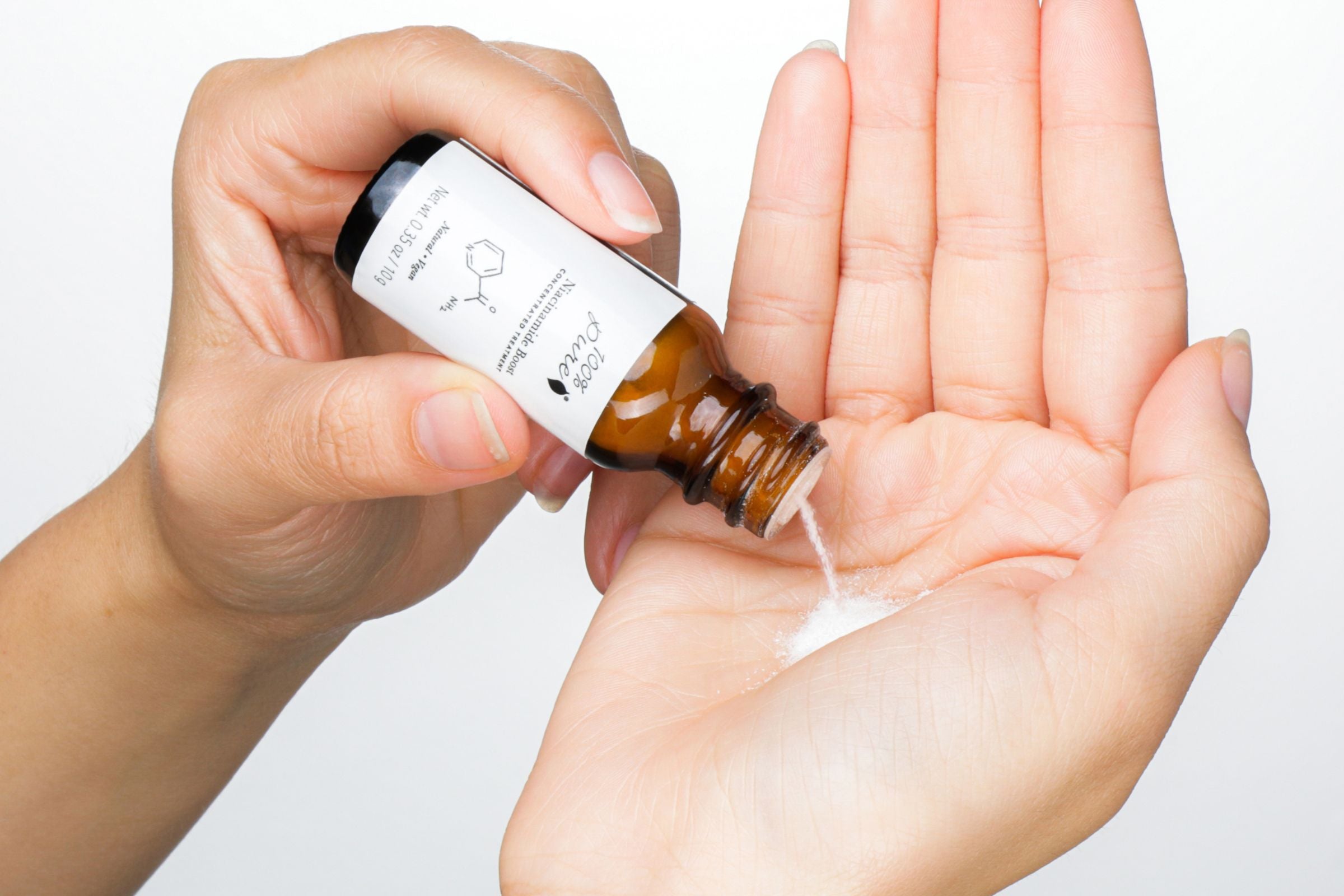
Also known as vitamin B3, niacinamide regulates sebum production and minimizes the appearance of pores. For a super-concentrated dose of niacinamide, try our water-activated Niacinamide Boost! This vegan and cruelty-free formula is infused with vitamin B3 and hyaluronic acid to restore youthful texture and tone. Bid farewell to large pores and excess oil, and embrace hydrated, glowing skin.
Green Tea Extract
Renowned for its anti-inflammatory properties, green tea extract can soothe the skin and help manage oil production. To experience green tea’s concentrated benefits, we recommend our Green Tea EGCG Concentrate Cream. Rich in key phytonutrients, this soothing formula works wonders for your skin. Our secret weapon? EGCG, a potent antioxidant derived from green tea, combats environmental damage and aging free radicals. Our daily moisturizing cream features nourishing yerba mate water, rich açai butter, and lightweight green tea oil.
For Sensitive Skin
Sensitive skin is easily irritated and requires gentle, soothing ingredients:
Aloe Vera
Renowned for its soothing and healing properties, aloe vera is perfect for calming irritated skin and reducing inflammation. Our Coconut Whipped Body Butter combines aloe vera and rose hydrosol to deeply hydrate even the driest skin. With rich cocoa butter, avocado butter, and blackcurrant oil, it fortifies your skin’s natural defenses against dryness and itchiness. Experience the heavenly scent of sweet, tropical coconut while giving your skin the care it deserves.
Colloidal Oatmeal
This ingredient possesses anti-inflammatory properties and is extremely gentle, making it ideal for sensitive skin. If you’re seeking a truly gentle physical exfoliant, try our Lavender Oat Milk Soothing Cleanser. This moisturizing powder cleanser removes makeup, sunscreen, and dirt with nourishing ingredients like colloidal oatmeal, rose petals, lavender, coconut milk, echinacea, and botanicals, leaving your skin feeling soft and renewed. Allow your skin to indulge in the soothing power of nature’s finest.
Chamomile Extract
Chamomile is celebrated for its soothing and anti-inflammatory effects, making it beneficial for calming sensitive skin. You can find soothing chamomile in our Virgin Coconut Moisturizing Milk Foam, which effortlessly cleanses away makeup, sunblock, and impurities while leaving your complexion radiant. Our secret ingredient? Coconuts! Packed with purifying lauric acid, they detox your pores, preventing pesky blackheads and whiteheads.
Grasping the ingredients within your skincare products can significantly influence your skincare journey. By selecting products containing ingredients that complement your skin type, you will enhance the benefits and move closer to achieving your skincare objectives.
Addressing Common Questions about Skincare
What does “hypoallergenic” really mean?
The term “hypoallergenic” frequently appears on skincare labels, yet its meaning is often misconstrued. “Hypoallergenic” literally translates to below (hypo) normal (allergenic). In the skincare context, it suggests that the product is less likely to cause allergic reactions compared to others. However, it’s crucial to recognize that it does not guarantee the product will be free from causing any allergic reactions. Reactions can vary from person to person, influenced by skin type, sensitivities, and individual allergens.
Are more expensive products always superior due to their ingredients?
While it may be tempting to equate a higher price with better quality, this is not always the case in skincare. A premium price tag often reflects factors such as brand prestige, packaging, marketing, and occasionally superior ingredients or formulation technology. However, this does not automatically imply that the product will be more effective or suitable for your skin. Many affordable products can be just as effective, if not more so, as their pricier counterparts. Focus on the ingredient list rather than the price when selecting skincare products.
How can I conduct a patch test to determine if I’m allergic to new ingredients?
Performing a patch test is essential before introducing any new skincare product into your routine, as it can help you ascertain whether your skin will react negatively. Follow this simple guide to conduct a patch test:
- Select a small, discreet area of skin, such as the inner forearm or behind the ear.
- Apply a small amount of the product to the selected area and allow it to dry.
- Avoid washing that area for at least 24 hours, unless you experience immediate adverse reactions.
- Monitor the patch for any signs of redness, itching, burning, or swelling.
If you observe any of these symptoms, wash the product off immediately with water. This may indicate a sensitivity or allergy to one or more ingredients in the product. If no reaction occurs, it is generally safe to incorporate the product into your skincare routine. However, remember that a patch test is not infallible, and some reactions can develop with prolonged use, so always remain attentive to any changes in your skin.