


Have you ever observed that as soon as the temperatures drop, our nails and skin begin to show signs of distress? This occurrence is far from coincidental. The cold weather is particularly harsh on our bodies, and it can intensify any existing issues with our largest organ – our skin. This effect is notably pronounced for those living in extreme climates, where fluctuations in weather can lead to increased dryness and irritation.
For those experiencing nails that are showing signs of distress, it’s crucial to explore the various nail conditions, understand the root causes of different types of damage, and discover effective ways to strengthen nails through dedicated self-care practices during the autumn and winter months.
Identifying Common Signs of Weak Nails
Recognizing the signs of weakened nails can be straightforward, yet some symptoms might be subtle or unexpected. Take a moment to inspect your nail beds to assess the health of your fingernails (and toenails!) as the fall season progresses. Do you recognize any of the following characteristics in your nails?
What causes brittle nails? Unsurprisingly, one of the primary culprits is a lack of moisture. This deficiency can stem from dehydration, the use of non-moisturizing soaps, neglecting to apply lotion, or exposure to harsh weather conditions that sap moisture from the skin. Additionally, brittle nails may indicate the presence of a fungal infection, especially in severe cases, or potential thyroid issues that require attention.
Routine activities can subject our nails to minor trauma, which often results in lifting. Exposure to certain salon products, particularly those used for nail extensions, can inflict minor damage that leads to the separation of the nail from the nail bed. Furthermore, inflammatory skin conditions such as psoriasis, eczema, or dermatitis are common culprits behind lifting nails.
Certain medications, including those used for chemotherapy, can also adversely affect the skin and nails, resulting in separation. It’s essential to recognize these signs and consult with a healthcare provider for proper diagnosis and treatment.
Peeling of the nails, as well as the skin surrounding them, including the cuticles, can often be attributed to our nail habits (we’re looking at you, nail biters!) Additionally, nail extensions, acrylic nails, and gel polish can lead to similar outcomes. These trendy nail treatments can strip moisture from the nails, causing the outer layers to dry out and separate, much like dry skin.
It’s crucial to note that this type of nail trauma can also signify deeper issues, such as anemia or thyroid imbalances, which may require further investigation.
Typically, our nail beds exhibit a healthy, warm pink or peach hue, influenced by the tissue beneath our skin. When nails display signs of discoloration, the surface may appear gray, green, yellowish, or even dark purple and blue, especially if the nail has sustained physical damage or bruising.
Colors like green and yellow should not be ignored, as they may indicate an active infection or fungal presence. Darker hues often signify trapped blood beneath the nail, which can lead to textured or lumpy nails as the nail bed heals and pushes out the damaged area.
Soft or soggy nails frequently result from prolonged exposure to moisture. This phenomenon is akin to the severe wrinkling many of us experience after soaking in a bath or washing dishes for an extended period. When nails absorb too much moisture, their structure can weaken, leading to bending or disintegration.
Trauma to our nails, whether from banging, slamming, or other forms of injury, can leave lasting effects, including alterations in nail texture. Textured or ridged nails typically arise from these types of physical trauma. Additionally, with aging or certain deficiencies, such as anemia, the texture of our nails might transform from smooth and flat to a more ridged and bumpy appearance.
Effective Strategies for Strengthening Weak or Brittle Nails
While numerous factors can contribute to nail distress, the good news is that treatments for brittle nails and remedies for issues like texture, peeling, weakness, and discoloration are readily available. Are you curious about how to effectively strengthen your nails? Here’s a comprehensive self-care nail care routine that promises to enhance the strength and overall quality of both your toenails and fingernails.
Stay Updated with Our Newsletter Subscribe Now
Receive more blog updates and access exclusive discounts
Essential Daytime Nail Care Routine
Our first step in addressing brittle nails begins in the shower – or more accurately, just after we finish. It’s vital to take extra care when drying our hands and feet since these areas can trap moisture, leading to soggy nails, discoloration, and even nail fungus.
Just like we shower, wash our faces, and brush our teeth each morning, we must also dedicate time to caring for our hands. While applying our daily SPF and moisturizer, it’s essential to include a bit of lotion or hand cream for our hands and nails as well. This practice ensures that our skin remains moisturized and supple, helping to prevent rough patches and reduce the risk of peeling and brittle nails.
Most of us incorporate vitamins and supplements into our daily routines. Whether you prefer to take them in the morning or at night is inconsequential. However, ensuring that your regimen includes biotin, iron, vitamin E, and keratin can significantly enhance the health and resilience of both your skin and nails.
If our regular trips for manicures and pedicures neglect essential services such as nail trimming, buffing, cuticle oil application, and a strengthening coat of polish, it’s crucial to make time for these treatments at home.
Implementing DIY nail treatments is a fantastic way to strengthen brittle nails. These practices help prevent nails from splitting, snagging, or developing painful hangnails. Moreover, they keep nails smooth and free of ridges, which can become more pronounced with age and inadequate care. Such treatments also provide a necessary defense against environmental factors, especially during harsh, cold weather.
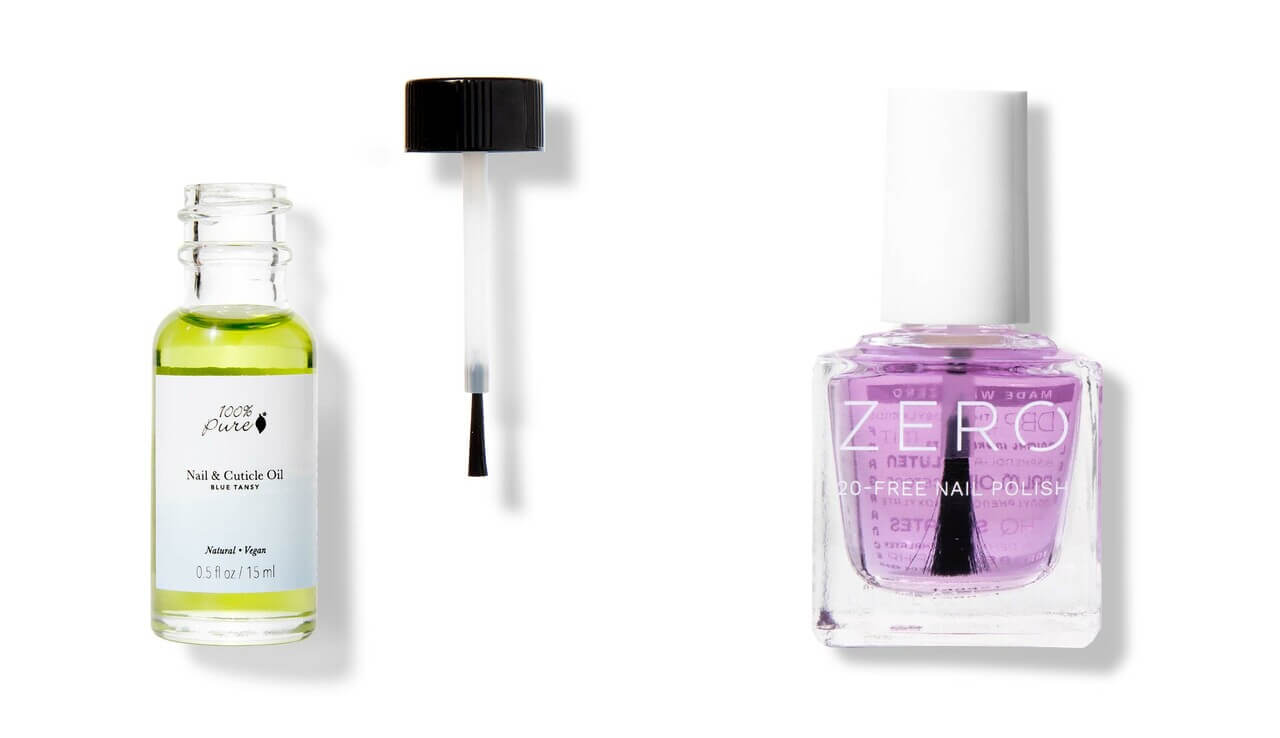
Our DIY nail regimen always begins with a trim and file. Next, we apply a strengthening base coat, such as the 20-free Horsetail Base Coat. For those looking to add a splash of color suited for fall, consider some of our favorites like Silver Screen or I’m A Little Rusty. To safeguard your chosen color, use our Glass Top Coat Polish, designed to prevent chipping while enhancing vibrancy and providing a glossy finish to your nails.
Complete your routine with Nail & Cuticle Oil, followed by a generous application of Vanilla Bean Hand Buttercream, massaged thoroughly into your fingers and nails. For particularly dry skin, consider our Honey Almond Hand Buttercream, a non-greasy formula made with rich cocoa, avocado, and shea butters. This cream is fortified with anti-aging vitamins and super fruit antioxidants, ensuring soft, supple skin.
Revitalizing Evening Nail Care Routine
As evening approaches, fatigue often sets in, making hand masks and hand mitts an excellent option for brittle nail treatment. You can apply these during a leisurely Netflix binge, and then wash them off or even sleep in them! While we don’t make this a daily habit, as the moisture from these masks can weaken already soft nails, they are beneficial for addressing dry, lifting, brittle, and peeling nails and skin.
A final pro tip is to keep cuticle oil in your bedside drawer or alongside your evening skincare essentials. It only takes a few seconds to apply or brush on the oil and massage it in, yet it can make a significant difference in maintaining hydration for your skin and nails overnight.
Common Queries Regarding Nail Health
How does my diet affect nail strength?
A well-balanced, nutritious diet rich in vitamins, minerals, amino acids, and healthy fats plays a crucial role in strengthening your nails. The condition of your nails can reflect your overall health, and by providing them with the necessary nutrients, they can grow stronger and become more resilient against breakage and deterioration.
Do regular manicures and pedicures weaken my nails?
Consistent use of conventional nail polish, particularly those containing harsh chemicals, can lead to weakened nails. If you notice your nails becoming increasingly fragile and you frequently paint them, consider giving them a month-long break from polish to allow them to recover and strengthen.
What nail products should I avoid to prevent damage?
Using conventional nail polish can be detrimental to your nails, so periodic breaks from polish are advisable. Additionally, applying gel or acrylic nails involves exposing your skin to UV light, which has been linked to an increased risk of skin cancer.
How long will it take to notice improvements in nail strength?
With consistent use of supplements, including biotin, you may start to see improvements in your fingernails within four to six months, while toenails generally take about nine months to show significant health benefits.
Can weak, brittle nails be a sign of underlying health issues?
Brittle nails can indicate underlying inflammatory conditions, such as lichen planus or psoriasis. Additionally, autoimmune disorders like alopecia areata can also contribute to nail fragility. For a proper diagnosis, it’s essential to consult with a healthcare professional.