


Let’s be real; our hair has faced some tough times lately. Many of us have prioritized self-care, especially during challenging periods, putting our mental health and emotional wellbeing front and center. Unfortunately, this shift has often left hair care neglected, taking a backseat to more pressing concerns. But just like our overall wellness, hair health deserves attention and care too!
The good news is that beauty is not static; it can evolve, and our hair can be rejuvenated. In this guide, we will share effective strategies to help you restore lost moisture to your hair. By identifying common mistakes and adopting a reliable hair care routine, you can revive your locks and bring them back to life!
Understanding the Causes of Dry Hair
We often cringe at the hair care missteps we’ve made in the past. However, instead of dwelling on these mistakes, it’s essential to pinpoint the habits that can lead to dry, lifeless hair. Focusing on prevention is key, so let’s explore the primary culprits contributing to hair dryness and how to avoid them effectively!
Environmental Damage
It’s a relief to realize that we’re not solely responsible for our hair’s plight—harsh environments play a significant role. Extremely hot and dry climates can rapidly deplete moisture levels, leading to frizz, split ends, and hair breakage. If you find yourself in such conditions, consider enhancing your conditioning treatments. Your first step in combating dryness is to identify and use the best conditioner tailored for dry hair types!
Protective Measures for Hair:
Wearing a stylish hat is a summer-smart method to shield your hair from damaging sun exposure. The sun’s rays are a significant factor contributing to dry hair, so keeping your hair covered can provide essential protection. Opt for trendy styles like bucket hats or baseball caps; avoid straw hats, as they can snag on your hair and lead to breakage.
PRO TIP: Wearing a hat not only protects your strands but can also help preserve your salon color for a longer period.
Compromised Hair Cuticle
The hair cuticle is akin to a protective topcoat that seals in color, vibrancy, and nourishment. When the cuticle is damaged, essential nutrients escape, leaving hair looking lackluster and feeling rough. Understanding the importance of maintaining a healthy cuticle is crucial for achieving shiny, vibrant hair.
Repairing Your Hair Cuticle:
To mend a damaged cuticle, incorporate a hot oil treatment into your routine every 7-10 days or engage in deep conditioning weekly. Focus your product application on the mid-shaft to the ends of your hair for optimal results, ensuring that your hair receives the nourishment it desperately needs.
Impact of Hot Tools
What often contributes to cuticle damage? The frequent use of hot styling tools can put excessive stress on our hair. Blow dryers, curling irons, and straighteners can cause hair to become thin, lifeless, and ultimately lead to hair loss over time. Reducing reliance on these devices is essential for maintaining healthy, vibrant hair.
Healthy Styling Alternatives:
Consider embracing heat-free styling options, such as braids for achieving effortless beachy waves or rollers for soft curls. These techniques can help you prolong the lifespan of your heat-styled look while minimizing damage and maintaining hair integrity.
Overwashing Concerns
Even the most nourishing shampoo designed for dry hair cannot mitigate the effects of overwashing. Just as frequent hand washing can lead to dryness, washing hair too often strips it of its natural oils. While there’s no definitive answer on how often to wash hair, one thing is clear—washing daily is generally not advisable.
Strategies for Washing Less:
If your hair feels parched, try extending the time between washes with the assistance of dry shampoo. Additionally, regular brushing can help distribute the natural oils from your scalp to your strands, providing essential moisture. Reducing your washing frequency and opting for cooler water temperatures can be an effortless way to combat persistent dryness.
Addressing a Dehydrated Scalp
While we often complain about greasy hair, it’s important to recognize that hair itself doesn’t produce oil—our scalp does. When the ends of our hair are dry, the scalp sends out a signal to compensate by producing more oil, which can lead to greasy roots. Conditions like dandruff, eczema, or allergic reactions can worsen an already dry scalp.
Nourishing Your Scalp:
Maintaining a clean, exfoliated, and well-nourished scalp is vital for ensuring a healthy lipid balance that supports hair growth. Think of the scalp as the control center for your hair health; prioritizing scalp care is essential for overall hair vitality.
Four Effective Strategies to Restore Lost Moisture
Our hair is remarkably resilient, having weathered countless challenges like quarantine haircuts and unintentional dye disasters. However, without a proactive approach to combat damage, rough days may be ahead for your locks. When it comes to hair restoration, here are the top options to consider.
Opt for a Specialized Shampoo for Dry Hair
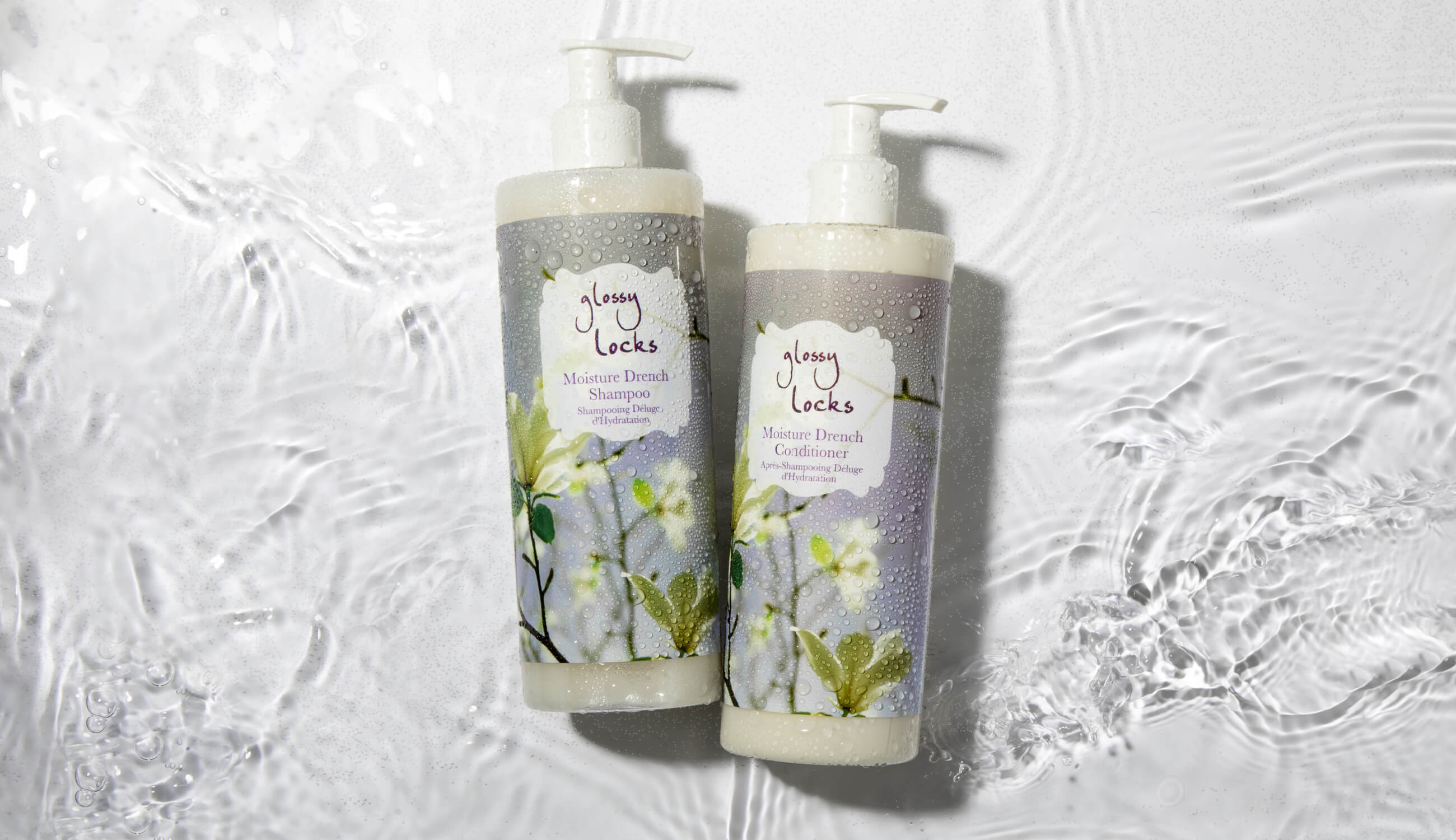
The foundation of healthy hair lies in a tailored washing routine that caters specifically to dry hair and scalps. Our Moisture Drench Shampoo is formulated with seaweed collagen to enhance hair’s moisture retention while boosting elasticity and minimizing breakage. The soothing properties of rose hydrosol also provide anti-inflammatory support for dry, itchy scalps, helping to restore a healthy pH balance.
Incorporate a Daily Conditioner for Enhanced Hydration
To find the best conditioner for dry hair, it’s crucial to examine the ingredients. Conditioners enriched with oils like argan or coconut deliver much-needed vitamin E directly to dry, brittle strands. The antioxidant properties of vitamin E help alleviate oxidative stress, a leading cause of hair follicle degradation and breakage. Regular use can significantly improve the overall health of your hair.
Utilizing Oils & Butters for Maximum Benefit
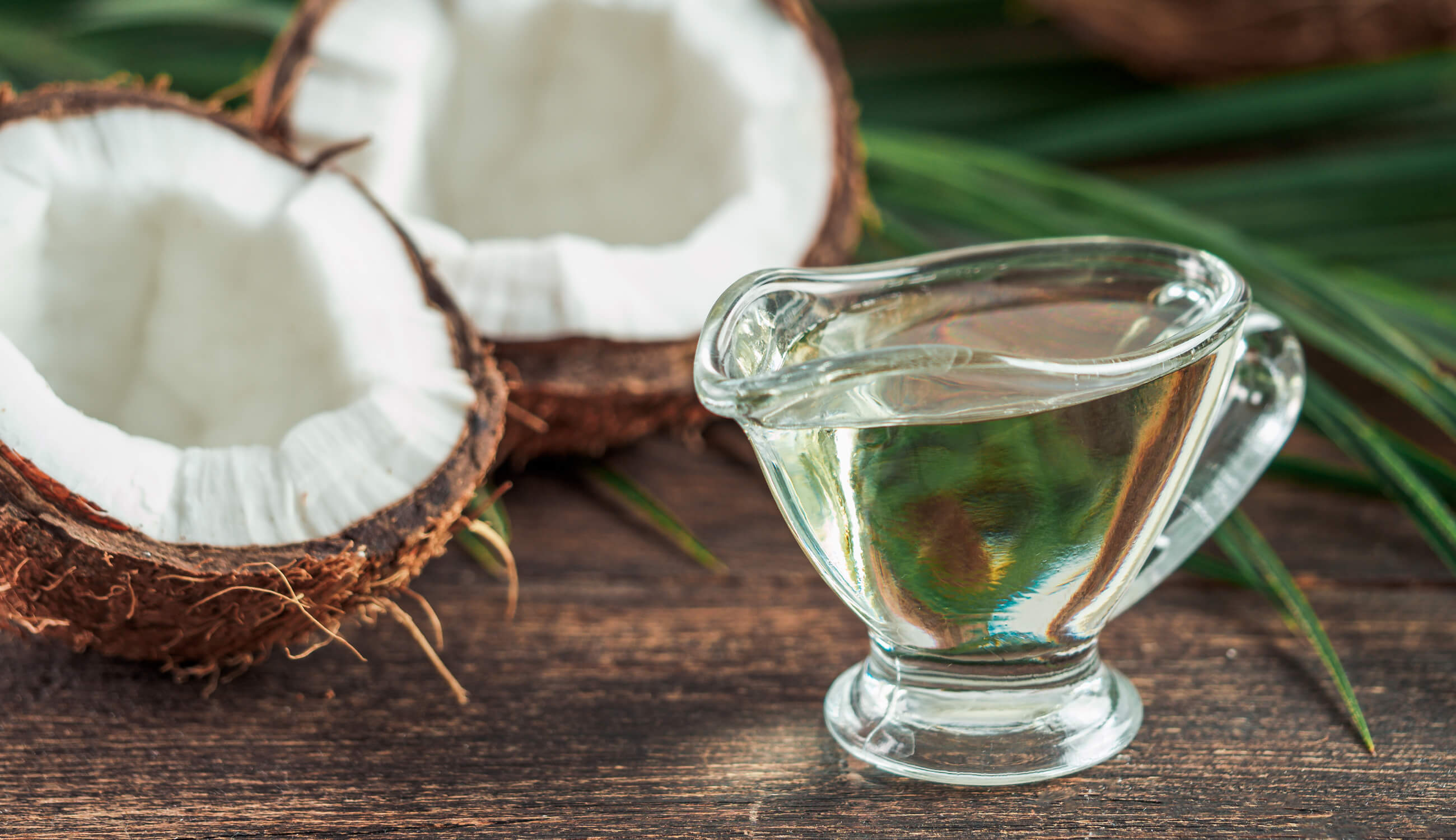
When it comes to revitalizing hair health, not all oils are created equal. Our top choices for making a rapid and noticeable impact on moisture levels include Argan oil and coconut oil.
Coconut oil is particularly effective due to its similarity to the natural oils our bodies produce, ensuring it won’t leave the scalp feeling greasy when used appropriately. Additionally, coconut oil can help combat dry scalp conditions, such as dandruff, and offers protection against heat damage.
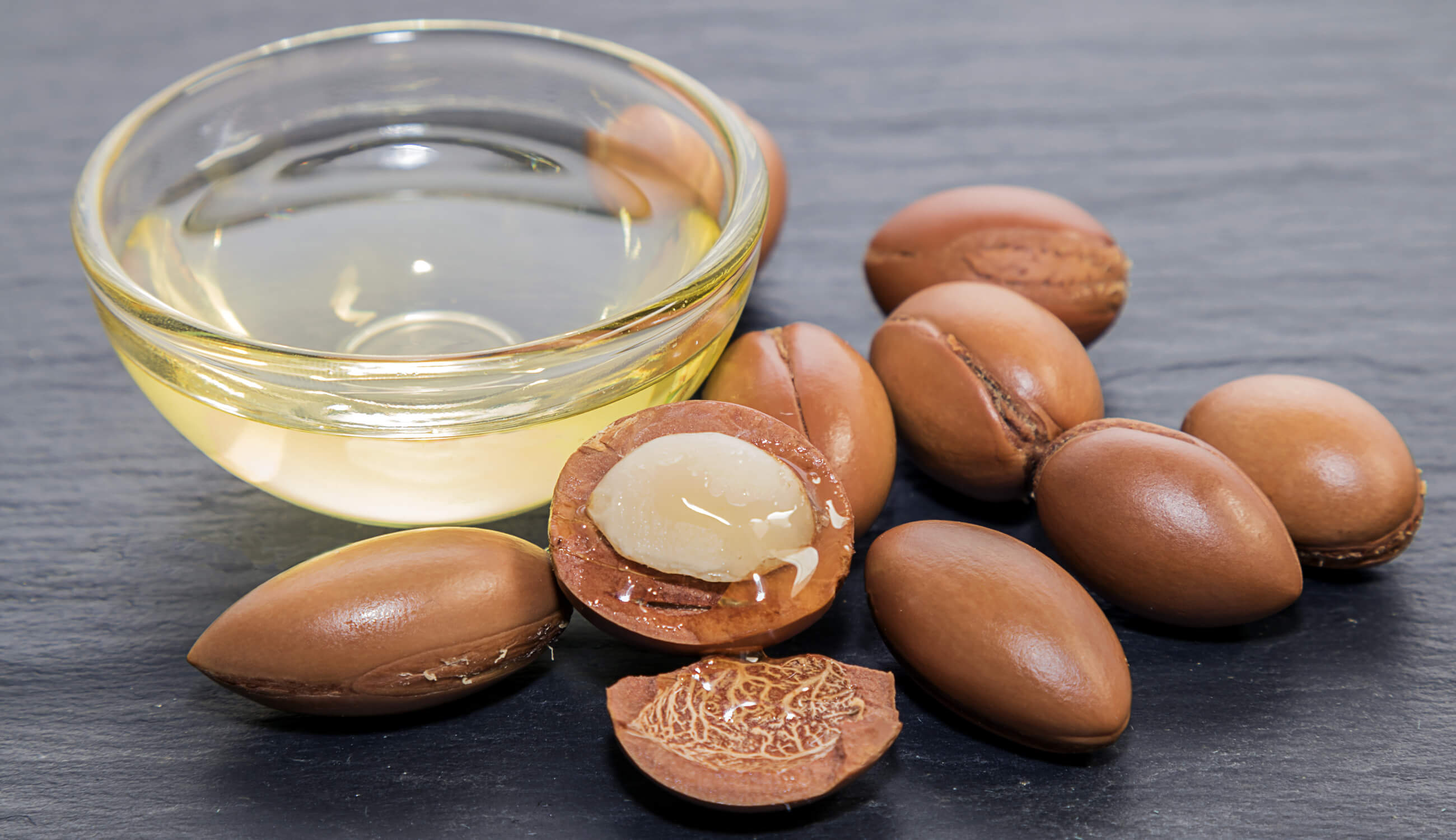
Argan oil is rich in vitamin E, which promotes hair rebuilding and damage reduction. Its lightweight nature ensures that it won’t weigh down even the finest strands. Furthermore, the antioxidants in argan oil can support hair growth, making it an excellent choice for anyone looking to enhance their hair’s health.
Stay Updated with Our Newsletter Subscribe Now
for more blog updates and exclusive discounts
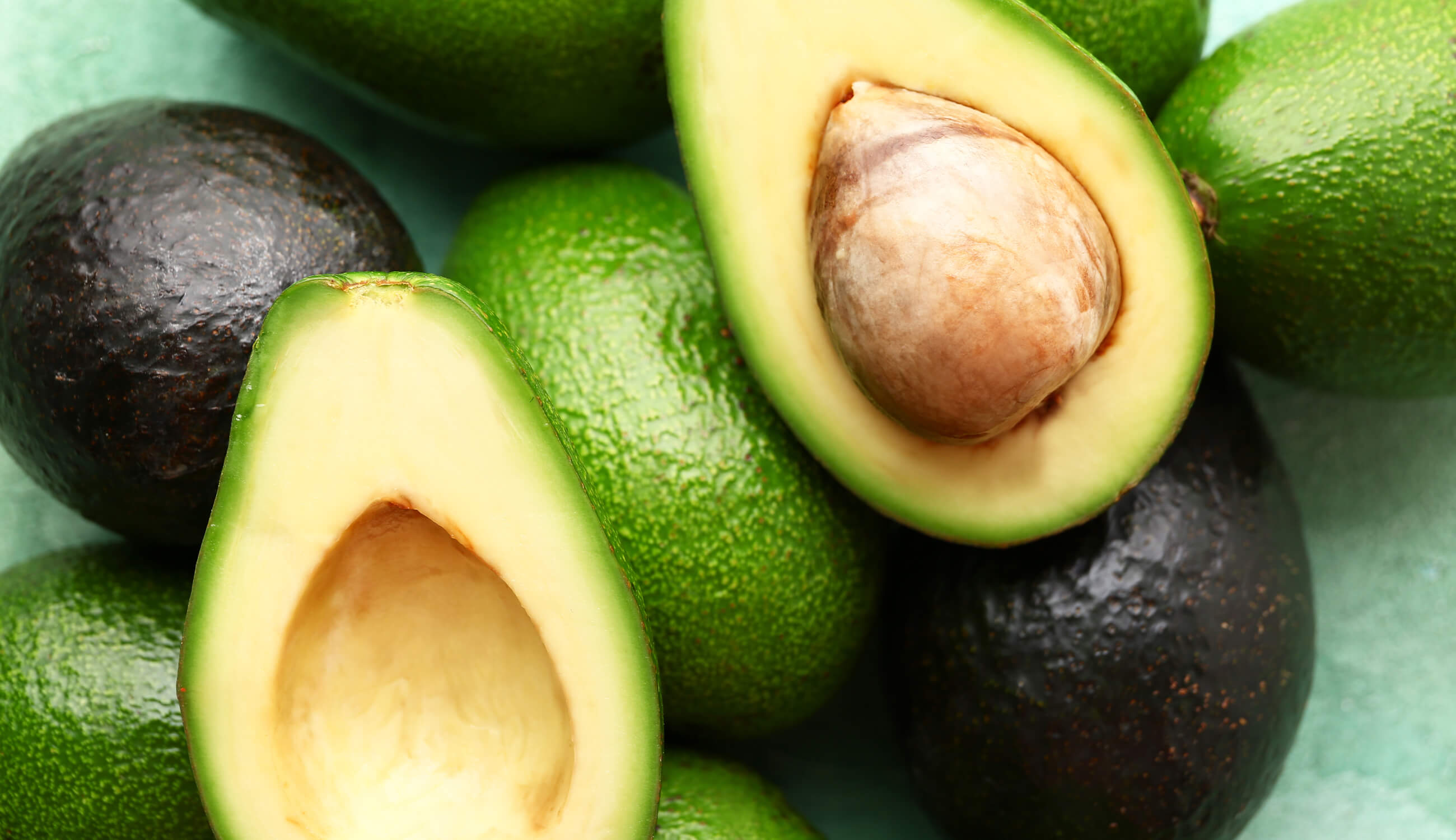
For those needing to replenish their hair cuticles, avocado butter stands out as an excellent option. Packed with vitamin E, proteins, fatty acids, and amino acids, it fortifies hair, leading to stronger strands. Avocado is particularly beneficial for coating damaged hair, creating a deeply nourishing barrier that encapsulates the hair shaft.
The Role of Hair Supplements in Restoration
Many of us recognize the importance of hair supplements. While these products are often marketed aggressively, they do provide significant benefits. Combining internal and topical support can yield impressive results in hair restoration. Although consistency is essential for long-term effects, incorporating hair supplements into your routine can greatly enhance the health of your hair.
Look for supportive ingredients in your hair products; examples include biotin or seaweed collagen. Seaweed is naturally rich in fatty acids that replenish lost moisture and can stimulate enriched hair growth. Biotin, which our body naturally produces, may require additional support due to environmental factors or stress.
Additionally, horsetail extract serves as a natural source of fortifying silica, helping to restore and maintain tensile strength. This ingredient can also enhance scalp circulation, promoting longer, fuller hair growth—crucial for repairing dry, fragile hair.
Common Questions Regarding Dry Hair and Solutions
What are the main contributors to dry hair, and how can they be mitigated?
Key Causes:
- Environmental elements: Prolonged exposure to sunlight, wind, and arid conditions can diminish hair’s moisture content.
- Overwashing: Frequent washing strips hair of its natural oils.
- Harsh products: Chemical treatments, dyes, and certain shampoos can result in dryness.
- Heat styling: Regular use of blow dryers, flat irons, and curling tools can rob moisture from hair.
- Health conditions: Issues like hypothyroidism or hormonal fluctuations can lead to dry hair.
Prevention Strategies:
- Limit exposure to harsh environmental factors.
- Reduce wash frequency and opt for gentler shampoos.
- Utilize heat protectants before styling.
- Minimize the use of chemical treatments.
- Maintain a balanced diet rich in Omega-3 fatty acids, vitamin E, and biotin.
How do heat styling tools impact hair moisture levels?
Heat styling tools such as flat irons, blow dryers, and curling wands operate at elevated temperatures, which can strip hair of its natural moisture content. Over time, this results in dehydration of the hair shaft, making it more vulnerable to breakage, split ends, and overall dryness. Frequent use of these tools without proper protection can drastically reduce moisture levels.
Does frequent washing contribute to hair dryness?
Absolutely. Washing hair too often can exacerbate dryness. Each wash removes natural oils that act as a barrier to retain moisture. Overwashing, particularly with harsh shampoos or hot water, can intensify this issue.
Which natural oils are most effective for combating dry hair and enhancing shine?
There are several natural oils that can effectively address dryness and impart a healthy shine:
- Coconut oil: Penetrates hair shafts and helps prevent protein loss.
- Olive oil: Provides deep conditioning and strengthens hair.
- Argan oil: Rich in vitamin E and fatty acids, it hydrates and enhances shine.
- Jojoba oil: Closely mimics the hair’s natural oil, making it an excellent moisturizer.
- Avocado oil: Packed with proteins, amino acids, and vitamins, it rejuvenates and moisturizes the scalp.
How can I differentiate between dry hair and damaged hair, and do they require different treatments?
- Characteristics of Dry Hair: Feels rough, appears dull, prone to tangling, and may have dandruff or an itchy scalp.
- Treatment for Dry Hair: Requires consistent hydration through moisturizing shampoos, conditioners, and occasional deep conditioning treatments. Incorporating oils and leave-in conditioners can also be beneficial.
Characteristics of Damaged Hair:
- Texture is brittle, with visible split ends and breakage, often resulting from chemical treatments or excessive heat styling.
- Treatment for Damaged Hair: Requires protein formulations or bond-building treatments to restore hair structure. It’s also crucial to limit damage-causing practices (like heat styling or chemical exposure). In severe instances, trimming the damaged sections may be the most effective solution.
Although there can be overlap between dry and damaged hair, identifying the root cause is essential for effective treatment and achieving healthier hair.
