


In today’s world, where information is readily accessible, becoming an informed consumer has never been more crucial. The items we use daily, from our food choices to personal care products, significantly influence our health, appearance, and overall well-being. Hair care products, in particular, play a vital role. Our hair is not merely a facet of our physical appearance; it also serves as an indicator of our internal health, acts as a protective barrier against environmental aggressors, and is often a key part of our identity.
Selecting the ideal hair care products might appear straightforward. You may enter a store or browse online, selecting products that claim to enhance volume, shine, or address your hair’s specific needs. However, behind the attractive packaging and enticing promises lies a complex list of ingredients—some of which can be beneficial, while others may pose potential risks. Just as the right nutrients can help our hair shine, unsuitable ingredients can lead to issues like breakage, irritation, and other unwanted outcomes.
Our hair, akin to other parts of our body, reacts to what we provide it. Continuous exposure to harmful chemicals and questionable ingredients can lead to a decline in its health over time. Consider this: if our skin can exhibit adverse reactions to certain substances, such as rashes or breakouts, our scalp, as an extension of our skin, can respond similarly. Furthermore, unhealthy ingredients can strip hair of its natural oils, resulting in dryness, brittleness, and substantial damage.
In the upcoming sections, we will explore some of the most prevalent yet harmful ingredients found in hair care products today. By increasing our awareness and making informed choices, we can ensure that our hair receives the best possible care, allowing it to remain lush, healthy, and beautiful for years to come.
Recognizing Your Hair’s Silent Struggles
When we think of hair, we often picture the stunning, flowing locks showcased in shampoo ads or the sleek hairstyles seen on red carpets. However, behind this glossy exterior, many individuals grapple daily with various hair issues that hinder their pursuit of their ideal hair. Let’s examine these common hair challenges and discover how certain ingredients in hair products might exacerbate them.
Confronting Hair Loss: One of the most concerning hair issues is hair loss, which can be triggered by various factors such as stress, hormonal imbalances, and underlying health conditions. However, if you find strands scattered across your pillowcase or blocking your shower drain, it’s possible that the hair products you’re using are to blame.
Addressing Hair Dryness: Dry hair not only appears dull and lifeless but is also more susceptible to tangling and breakage. It resembles parched land that is devoid of moisture and vitality. This condition can be worsened by exposure to harsh weather conditions, frequent use of heat styling tools, and certain chemical treatments that strip the hair of its natural moisture.
Taming Frizz: Have you ever felt like you’re sporting an uncontrollable mane? Frizz can transform a great hair day into a disaster in mere moments. Typically, frizz is caused by a lack of moisture, but it can also indicate hair damage where the cuticle (the hair’s outer layer) is raised, allowing moisture to enter and swell the strands.
Dealing with Split Ends: Split ends are the nemesis of anyone with long hair. These occur when the protective outer layer of the hair cuticle deteriorates due to external stressors such as excessive heat styling, rough handling, and, unsurprisingly, certain hair products that may contribute to this damage.
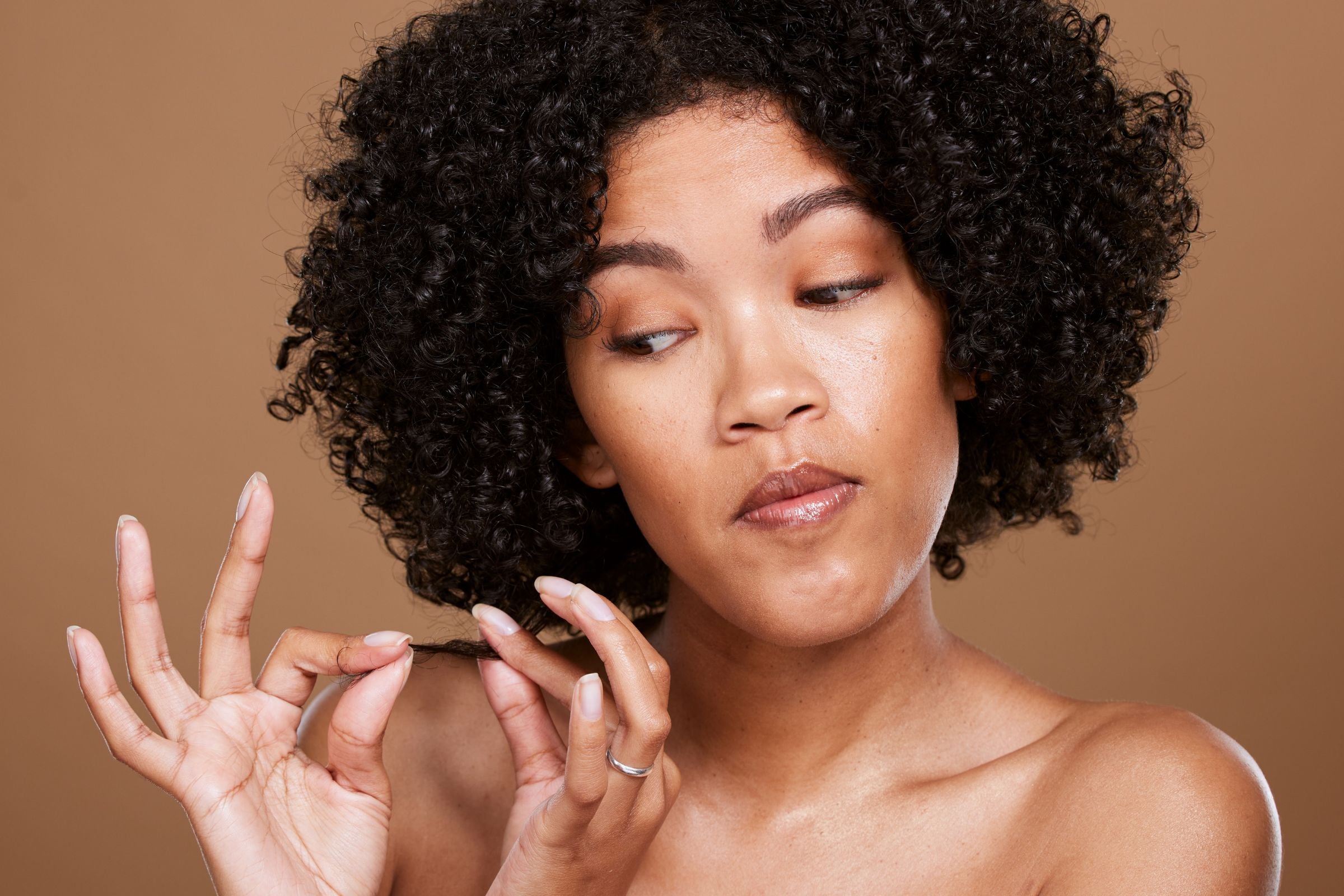
Identifying Hidden Dangers: Seven Ingredients to Eliminate
While hair products may boast about delivering exceptional shine, volume, and strength, a closer look at their ingredient lists may reveal a more concerning reality. Dig deeper, and you may uncover components that do more harm than good. Let’s scrutinize these hidden dangers you would be wise to avoid.
Sulfates (SLS/SLES)
- Purpose of Use: Sulfates are detergents and surfactants that effectively cleanse dirt and oil from hair.
- Reasons to Avoid: They can be overly efficient, stripping hair of its natural oils, resulting in dryness and irritation while potentially fading color-treated hair. Furthermore, they may trigger scalp irritations for some users.
Parabens
- Purpose of Use: Parabens are preservatives that prolong product shelf life by preventing bacterial growth.
- Reasons to Avoid: Concerns about parabens arise because they can mimic estrogen in the body. While research continues, some studies suggest a potential link between parabens, breast cancer risk, and reproductive health issues.
Phthalates
- Purpose of Use: Phthalates enhance the flexibility and softness of plastic packaging and help fragrances last longer.
- Reasons to Avoid: Phthalates are suspected endocrine disruptors. Research has linked them to increased risks of developmental, reproductive, and neurological damage.
Formaldehyde
- Purpose of Use: Formaldehyde serves as a preservative in certain cosmetic products.
- Reasons to Avoid: As a recognized carcinogen, formaldehyde can cause allergic skin reactions and may be harmful when inhaled, potentially leading to respiratory problems.
- Purpose of Use: Synthetic fragrances are often cheaper and more predictable than natural scents, providing a pleasant aroma to hair products.
- Reasons to Avoid: The term “fragrance” or “parfum” on an ingredient list can encompass a mix of chemicals, some of which may be detrimental. These can trigger allergies, respiratory issues, and hormone imbalances.
Artificial Colors
- Purpose of Use: Artificial colors are added to enhance the visual appeal of products.
- Reasons to Avoid: Some synthetic dyes can lead to skin irritations and allergic reactions. Additionally, certain dyes have been associated with more serious health issues, including potential links to cancer.
Silicones
- Purpose of Use: Silicones provide a silky texture and create the illusion of smooth, shiny hair.
- Reasons to Avoid: Over time, silicones can accumulate on hair, weighing it down and making it appear greasy. They can also hinder moisture absorption into the hair shaft, resulting in dryness.
Smart Choices: Embracing Safer Alternatives
Choosing natural or safer synthetic ingredients is essential for healthy hair care. Tips for understanding ingredient lists can empower you to make informed decisions. Additionally, consider exploring the recommendations from 100% PURE, which highlight the benefits of each product alongside their standout ingredients.
When it comes to hair care, selecting ingredients that are gentle on both your scalp and hair is paramount. Whether derived from nature or crafted as safer synthetics, the primary goal is to ensure they nourish and protect without causing harm.
Essential Ingredients to Seek Out:
- Plant-based oils (such as argan, coconut, and jojoba)
- Herbal extracts (like neem, nettle, and burdock)
- Natural moisturizers (including aloe vera and honey)
- Vitamins and provitamins (for example, vitamin E and pro-vitamin B5)
- Gentle cleansers (like coconut foam)
- Hydrosols (for instance, rose hydrosol)
Guidelines for Decoding Ingredient Lists:
- The First Five: The first five ingredients usually comprise the bulk of the product. Focus on these to assess its primary components.
- Avoid Complex Names: While not an infallible rule, ingredients with complicated, chemical-sounding names may indicate synthetic additives or preservatives.
- Research Ingredients: Utilize apps or websites dedicated to cosmetic ingredients to understand the function and safety of each component.
- Look for Certifications: Certifications such as ‘organic’ or ‘cruelty-free’ offer additional assurance regarding the product’s quality and ethical standards.
Top Recommendations from 100% PURE
Burdock and Neem Healthy Scalp Shampoo
Benefits: Alleviates dryness, itching, and flaking while promoting a healthy scalp and enhancing hair softness and strength.
Standout Ingredients: Burdock, neem, nettle, rose hydrosol, aloe, vitamin E, and pro-vitamin B5.
Burdock and Neem Healthy Scalp Conditioner
Benefits: Supports scalp health, alleviates dryness, and reveals softer, more vibrant hair.
Standout Ingredients: Burdock, neem, nettle, and a rich blend of herbs, oils, and botanicals.
Honey and Virgin Coconut Restorative Shampoo
Benefits: Provides intense nourishment for glossier hair and promotes scalp hydration.
Standout Ingredients: Coconut foam and honey.
Honey and Virgin Coconut Restorative Conditioner
Benefits: Deeply moisturizes, detangles, and strengthens hair, enhancing softness and shine.
Standout Ingredients: Pro-vitamin B5, coconut oil, flaxseed, sea kelp, aloe, rose hydrosol, and honey.
Argan Oil
Benefits: Deeply moisturizes, nourishes, and softens both skin and hair.
Standout Ingredients: Rich in vitamin E, phenols, carotenes, squalane, and essential fatty acids.
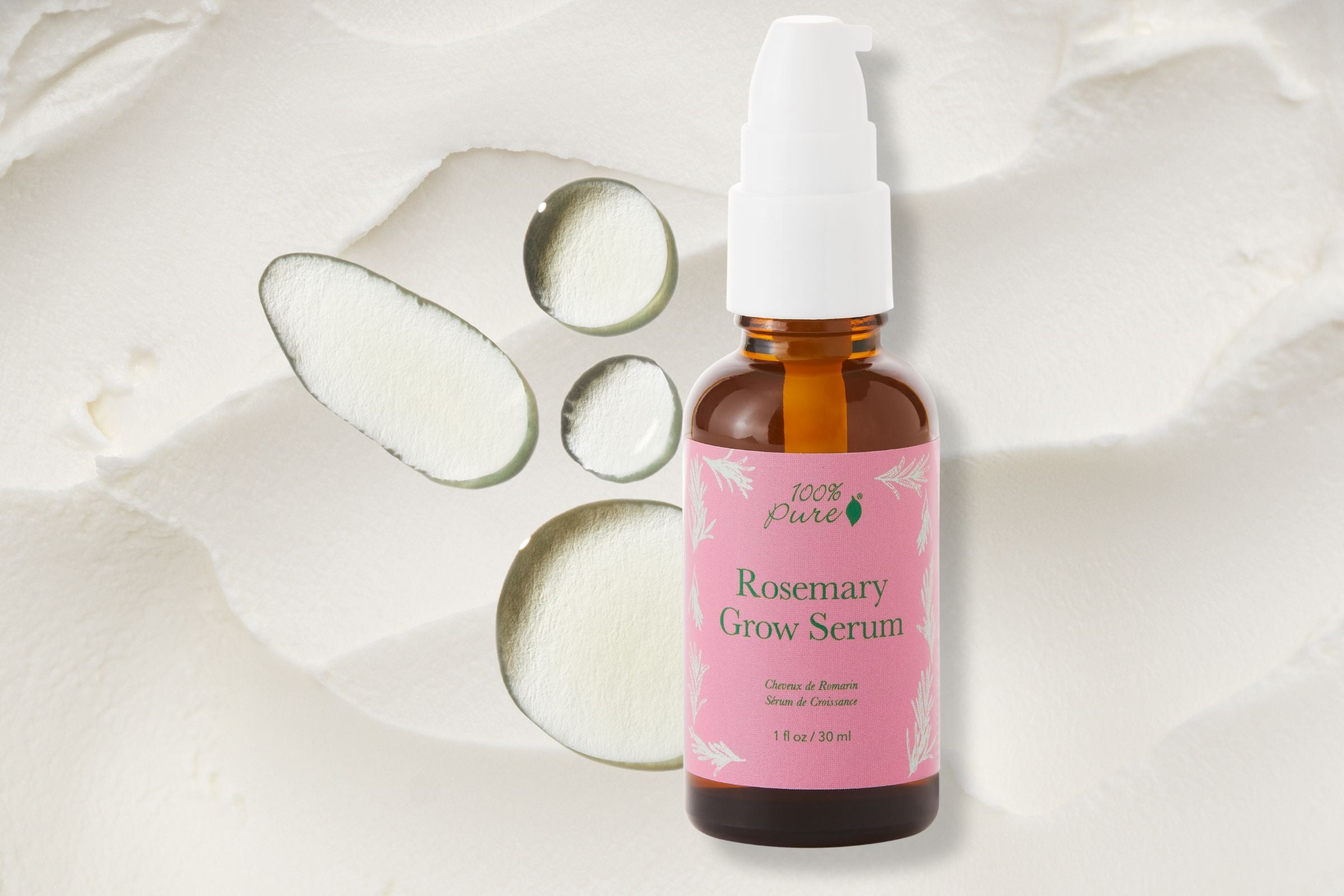
Rosemary Grow Serum
Benefits: Stimulates hair growth from both active and inactive follicles, resulting in visibly increased fullness.
Standout Ingredients: Organic Rosemary in a clinically proven concentration.
Keep in mind that hair care is personal; what works wonders for one individual might not yield the same results for another. Always conduct a patch test on new products to ensure they align with your unique hair and scalp requirements.
Stay Updated: Subscribe to Our Newsletter Now
for more insightful blog updates and exclusive discounts
Your Hair: A Reflection of Your Identity
Your hair, often referred to as your ‘crown’, is not just a superficial element; it reflects your overall health and well-being. Each strand narrates a story of either care or neglect. Therefore, being mindful of the products you choose is vital not only for maintaining your hair’s beauty but also for enhancing your holistic wellness.
Long-term Advantages of Choosing Cleaner, Safer Hair Care Options
- Achieving Healthier Hair: By eliminating harmful ingredients from your hair care routine, you’re allowing your hair to breathe, grow, and retain its natural sheen. Cleaner products are generally gentler, helping to prevent common issues like thinning hair, split ends, and significant hair loss.
- Enhancing Scalp Health: Your scalp is akin to the soil nurturing your hair. Harsh chemicals can disrupt its pH balance, resulting in issues like dandruff, itching, or infections. Natural and safer products promote a healthier scalp, laying a strong foundation for your hair.
- Minimizing Chemical Exposure: On average, women use around 12 personal care products daily, while men also contribute to this number. These products can seep into our systems through the skin or respiratory pathways. By opting for cleaner hair care products, you significantly reduce your daily exposure to toxins.
- Positive Environmental Impact: Cleaner hair products often feature eco-friendly packaging, and their manufacturing processes tend to be more sustainable. By choosing these products, you’re caring for yourself while also being mindful of the planet.
- Economic Advantages: Although the initial price of some natural or safer products may be higher, the long-term benefits can lead to fewer hair treatments and doctor visits due to damage or health issues.
Common Queries About Natural Hair Products
How can I make the switch to cleaner hair products without overspending?
Transitioning to cleaner hair products on a budget is entirely achievable. Here are some practical tips:
- Instead of switching all products at once, begin with the ones you use most frequently.
- Seek brands that offer quality at reasonable prices. Smaller or local brands often provide excellent products without excessive markups.
- Many natural hair treatments can be created at home using simple ingredients such as coconut oil, apple cider vinegar, or aloe vera.
- Consider purchasing natural products in bulk for cost savings in the long run.
- Prioritize products that remain on your hair the longest, such as leave-in conditioners or treatments, before replacing shampoos and rinses.
Are natural ingredients always the best choice for my hair?
While many natural ingredients can be highly beneficial for hair, not all are universally suitable for every hair type or condition. Similarly, not all synthetic components are harmful. It’s crucial to research each ingredient and consult professionals when facing specific hair concerns. The goal is to find a balance that caters to your individual hair needs.
How can I spot harmful ingredients on hair product labels?
Identifying harmful ingredients requires familiarity with common offenders such as sulfates (e.g., sodium lauryl sulfate), parabens, phthalates, formaldehyde, and synthetic fragrances. Thoroughly reading labels and utilizing resources like the Environmental Working Group’s Skin Deep database can also prove beneficial. Remember that ingredients are typically listed in order from highest to lowest concentration.
Can harmful ingredients cause irreversible damage to my hair?
While many harmful ingredients lead to temporary issues such as dryness, breakage, or scalp irritation, consistent long-term use can cause more permanent damage. For example, certain chemicals may weaken the hair shaft, resulting in thinning or premature loss. Nevertheless, the human body is resilient, and with proper care, many hair issues can be improved or reversed.
How quickly can I expect to see improvements after switching to better products?
The timeline for noticing improvements can vary depending on individual hair types, previous product use, and the effectiveness of new options. Some people observe immediate changes, such as enhanced shine or softness, within days or weeks. Others may require a few months to see results, particularly if they are repairing damage. Consistency is key; regular use of healthier products will lead to noticeable positive changes over time.
Your Hair Journey: A Commitment to Wellness
Your hair is an extension of your identity. It frames your face, expresses your style, and often signals your health. Therefore, treating it with the utmost care is essential. By transitioning to cleaner, safer hair care products, you are making a profound investment in your well-being.
While external beauty may be fleeting, your health and wellness are enduring treasures. Choosing products that are free from harmful chemicals not only helps your hair maintain its optimal condition but also enhances your overall well-being. With a myriad of safer alternatives now available, making the switch has never been more accessible.
Take a moment to evaluate the products on your bathroom shelf. Are they worthy of your crown? The decision to transition lies with you, and with every safer product you choose, you’re taking decisive steps toward a healthier, more radiant version of yourself.
