


In an era where the health of our planet is paramount, integrating sustainability into our daily routines has transitioned from a choice to a necessity. This shift is particularly relevant to our beauty practices, which are often overlooked in environmental conversations. Traditional beauty and skincare products, while crafted for enhancement and care, frequently leave behind a substantial environmental footprint. Each step—production, packaging, and disposal—adds to pollution, waste accumulation, and the depletion of our natural resources. From the plastic containers choking our oceans to the harsh chemicals contaminating our water systems, the consequences of our beauty choices are both pervasive and severe.
Recognizing the urgency of the environmental crisis, it is essential to pivot towards more sustainable beauty routines. This guide is designed to illuminate the journey towards beauty practices that are not only effective but also gentle on our planet. Our objective is to empower you, the reader, to make educated choices that resonate with eco-friendly and sustainable living principles. By reimagining our beauty routines, we can significantly contribute to global efforts aimed at preserving and protecting our environment for future generations. This shift to sustainable beauty entails more than mere adjustments; it fosters a profound connection with nature and encourages us to become conscious stewards of our planet.
Understanding the Significance of Sustainable Beauty Practices
In recent years, the dialogue surrounding beauty and skincare has expanded significantly, now encompassing the vital issue of sustainability. The beauty industry, once solely associated with glamour, has a hidden reality: its considerable environmental impact. Conventional beauty and skincare products often carry hefty environmental costs, including excessive waste from packaging, the use of harmful chemicals, and unsustainable resource consumption. Addressing these challenges is not merely about being environmentally responsible; it is also a crucial step towards adopting a healthier lifestyle for consumers.
The Environmental Costs of Conventional Beauty Products
The beauty sector is a leading contributor to packaging waste, producing billions of units annually, most of which are neither recyclable nor biodegradable. This plastic waste exacerbates the escalating crisis in our oceans and landfills, harming marine life and disrupting vital ecosystems. Additionally, the production and disposal of these materials consume substantial resources, including water and fossil fuels, intensifying their negative impact on the environment.
Moreover, many conventional beauty products are laden with harmful chemicals such as parabens, phthalates, and synthetic fragrances. These ingredients pose health risks to humans and inflict damage on wildlife and ecosystems when they infiltrate water supplies via drainage systems. The manufacturing processes of these products often demand vast amounts of resources, including significant quantities of water and energy, thereby further inflating their ecological footprint.
Transformative Advantages of Embracing Sustainable Beauty Routines
Transitioning to sustainable beauty practices offers a wealth of benefits for both individuals and the planet. On a personal level, utilizing products with natural, non-toxic ingredients can enhance skin health and overall wellness. Such products typically have a lower chance of causing irritation, allergic reactions, or long-term health complications linked to synthetic chemicals.
From an environmental standpoint, sustainable beauty routines play a crucial role in minimizing waste, conserving resources, and safeguarding ecosystems. By selecting products with eco-friendly packaging—such as biodegradable materials or refillable containers—individuals can drastically decrease their plastic footprint. Choosing brands that prioritize sustainable sourcing and manufacturing processes also contributes to the conservation of natural resources and the reduction of carbon emissions.
Furthermore, the shift towards sustainable beauty routines stimulates innovation within the industry, prompting brands to adopt more environmentally friendly practices. This consumer-driven demand can catalyze broader changes, fostering biodiversity, decreasing pollution, and promoting a sustainable economy.
How to Identify Eco-Friendly Beauty Products Effectively
Establishing sustainable beauty routines is a vital step toward achieving eco-friendly living. As consumers, it’s crucial to make informed choices about the products we use every day—not just for our health but also for the planet’s well-being. Identifying eco-friendly products can be daunting, but with the right knowledge and resources, it’s possible to make choices that reflect our values. This section provides actionable tips on recognizing sustainable beauty products, focusing on ingredients, packaging, and company ethics, while emphasizing the importance of certifications and labels for making informed decisions.
Ingredients Matter: The Core of Sustainable Beauty
The journey to identifying eco-friendly beauty products begins with comprehending their ingredients. Sustainable products typically incorporate natural or organic ingredients, steering clear of harmful chemicals and synthetic additives detrimental to the environment. Seek out products that are free from parabens, phthalates, synthetic fragrances, and sulfates. Instead, choose items crafted from plant-based, biodegradable ingredients that are gentle on both your skin and the earth.
Sustainable Packaging: Prioritizing Minimalism
Another critical aspect of eco-friendly beauty products is their packaging. Companies committed to sustainability frequently utilize recycled materials, biodegradable packaging, or reusable containers to minimize waste. Look for products with minimal packaging, or those packaged in glass, metal, or recycled and recyclable materials. Refillable options are also excellent choices, as they significantly reduce the reliance on single-use packaging and help limit waste.
Company Ethics: Beyond Just Products
Understanding a company’s ethical stance is equally important as evaluating the product itself. Sustainable brands often exhibit transparency, sharing comprehensive information about their sourcing, manufacturing processes, and environmental impact. Look for brands that champion fair trade and ethical labor practices and those that invest in sustainability initiatives, such as reforestation projects or renewable energy usage. Choosing products from companies with strong commitments to environmental and social responsibility supports a more sustainable and equitable world.
Certifications and Labels: Your Compass for Informed Choices
Navigating the realm of sustainable beauty products is made simpler by various certifications and labels that signify adherence to specific environmental and ethical standards. Certifications like USDA Organic, Ecocert, Fair Trade Certified, and Cruelty-Free (Leaping Bunny or PETA) are trustworthy indicators of a product’s sustainability. These labels confirm that a product has satisfied rigorous criteria concerning its ingredients, production processes, and company practices. When shopping for beauty products, actively look for these certifications to ensure you’re making genuinely eco-friendly choices.
By concentrating on ingredients, packaging, company ethics, and seeking certified products, consumers can dramatically reduce their environmental footprint. Crafting a sustainable beauty routine transcends merely selecting eco-friendly products; it also involves embracing a lifestyle that prioritizes our planet’s health. Through informed choices, we can all contribute to a more sustainable and beautiful world.

Strategies for Waste Reduction in Your Beauty Routine
In an age where environmental sustainability is a necessity rather than a preference, reassessing our beauty routines is a crucial step towards eco-friendly living. Reducing waste in our beauty regimen is a fundamental aspect of this transition, providing a clear path to minimize our ecological footprint while caring for our skin and body. This section explores practical strategies for minimizing waste, addressing the impact of single-use items, and showcasing how 100% PURE is leading the charge in reducing waste within the beauty industry.
Actionable Steps for Waste Reduction
Opt for Refillable Products: Embrace beauty products that offer refill options. Refillable products greatly diminish the need for purchasing new containers, thereby decreasing packaging waste. Whether it’s foundation bottles or shampoo dispensers, choosing refillable options is a small yet impactful step.
Recycle Packaging: Make recycling a fundamental part of your beauty routine. Seek out products packaged in materials that are widely accepted by recycling programs, such as glass and specific plastics. Always check the recycling codes on your beauty packaging and dispose of them properly.
Choose Multi-Use Products: Streamline your beauty regimen by selecting products that serve multiple functions. For example, a cheek and lip tint can eliminate the need for separate blush and lipstick products. This approach simplifies your beauty routine and significantly curtails the amount of packaging waste generated.
Understanding the Impact of Single-Use Items and Their Alternatives
Single-use items, including makeup wipes and disposable applicators, are major contributors to environmental waste. Opting for reusable alternatives, such as washable makeup removal pads and eco-friendly applicators, can significantly reduce the waste generated by your beauty routine. These reusable solutions not only present a more sustainable option but often prove to be more economical in the long run.
100% PURE’s Commitment to Waste Reduction
100% PURE stands at the forefront of integrating sustainable practices into its business model, exemplifying a commitment to waste reduction and supporting eco-friendly beauty routines. Their approach encompasses:
Pre-cycling Packaging: 100% PURE employs pre-cycled packaging, repurposing unused surplus materials for their products. This innovative method prevents the generation of new waste, underscoring their dedication to minimizing environmental impact.
Biodegradable Ingredients: Every product from 100% PURE is fully biodegradable, made from plant-based ingredients that seamlessly return to the earth, minimizing ecological disruption. This commitment ensures the brand’s footprint on our planet remains as light as possible.
Recycled Materials: The packaging utilized by the brand is crafted from recycled materials, including post-consumer recycled glass, plastic, tin, and paper. This initiative significantly lessens the demand for new raw materials, thereby reducing environmental impact.
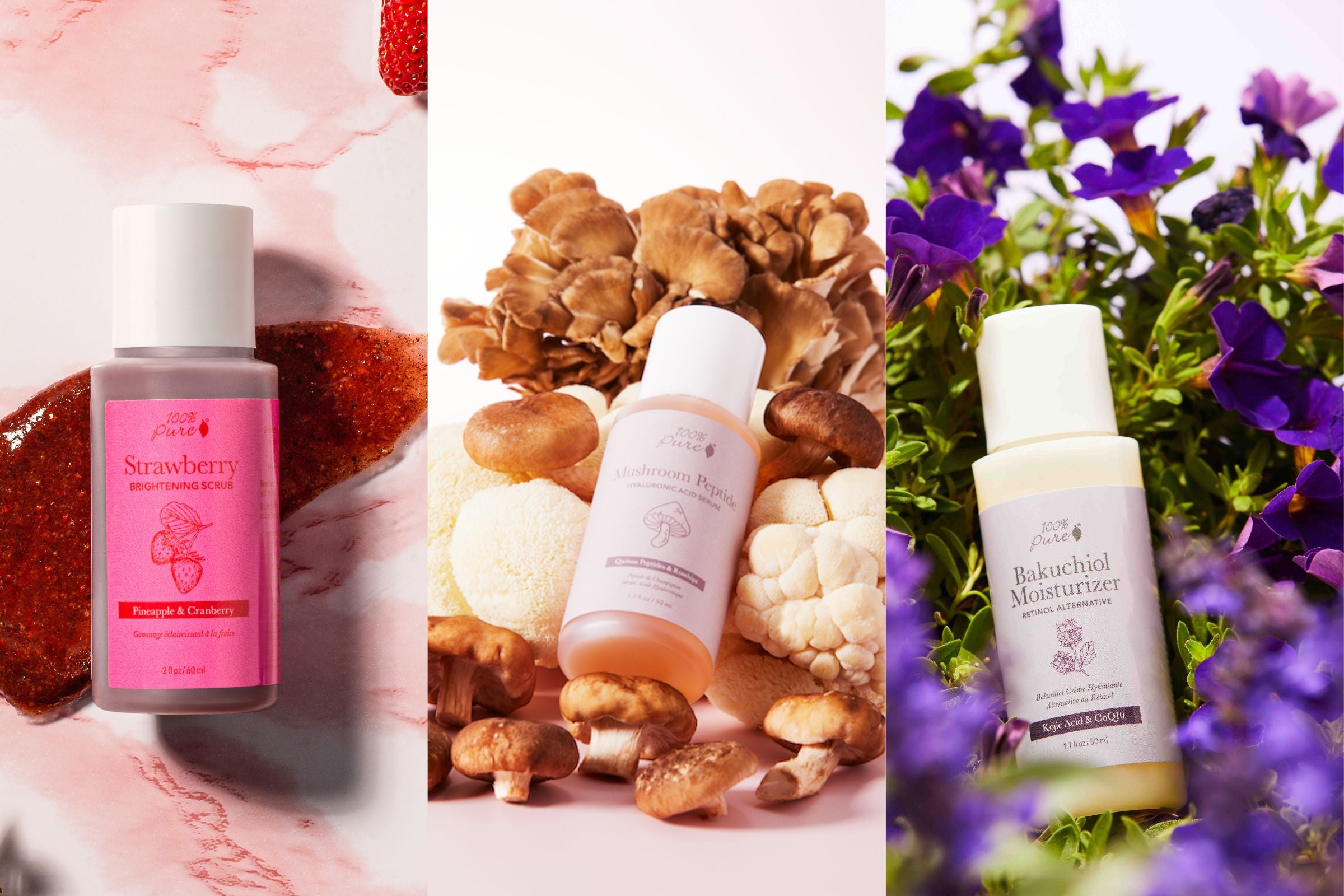
Sustainable Product Line-Up: 100% PURE features a selection of products packaged in pre-cycled materials, including the Strawberry Brightening Scrub, Mushroom Peptide Serum, and Coffee Bean Face Serum, among others. Each product is designed with environmental considerations in mind, allowing users to enjoy high-quality beauty solutions without compromising the planet’s health.
By implementing these practices, 100% PURE not only minimizes its environmental footprint but also inspires its customers to engage in more sustainable beauty routines. Their initiatives in pre-cycling, utilizing biodegradable ingredients, and incorporating recycled materials pave the way for a more sustainable future in the beauty sector.
Empowering Ethical and Sustainable Brand Support
In our quest for beauty and personal care, the decisions we make can profoundly influence both our planet and society. As we adopt a more eco-friendly lifestyle, it is essential to support brands that prioritize sustainability and ethical practices. This not only helps to reduce our ecological footprint but also promotes a more responsible industry. In this section, we will delve into how to identify and support such brands, highlighting the commendable efforts of 100% PURE.
Recognizing Ethical and Sustainable Brands
When selecting beauty brands that resonate with eco-friendly values, seek those that demonstrate a robust commitment to sustainability and ethical practices. Here are key criteria to consider:
Transparency: Brands should be open about their sourcing, manufacturing processes, and overall business practices. This includes disclosing details about the ingredients in their products and the environmental impact of their operations.
Commitment to Eco-Friendly Practices: Look for brands that utilize sustainable, biodegradable ingredients and adopt practices that minimize waste and energy consumption. This may include the use of renewable energy sources and efforts to reduce emissions.
Community Engagement: Ethical brands often participate in initiatives that benefit communities, whether through charitable contributions, community projects, or partnerships with local organizations.
Showcasing 100% PURE’s Sustainability Initiatives
100% PURE shines as a leader in sustainability and ethical practices within the beauty industry. Here’s how they are making a significant impact:
Forever Pure: 100% PURE’s conscientious business practices aim to create a lasting positive impact, demonstrating a commitment to a sustainable future through ongoing evolution and support for local and global communities.
Clean to the Core: Their dedication to the environment is evident in their biodegradable formulas, which ensure that their products are non-toxic and safe for Earth’s ecosystems.
Conscious Packaging: To reduce petrochemical-based packaging by 75% and transition entirely to post-consumer recycled (or recyclable) materials by 2024, 100% PURE encourages in-store recycling by offering a free trial-size product as an incentive.
Eco-Friendly Shipping Practices: The brand utilizes recyclable shipping boxes and protects products with biodegradable packing peanuts made from corn starch, effectively reducing waste and promoting recycling.
Climate Responsibility: Beyond achieving “Green Business Certification” for their California headquarters, 100% PURE has planted hundreds of thousands of trees with Trees for the Future, with the goal of becoming climate-positive by 2024.
Beauty with Purpose: Through partnerships with local and international organizations, 100% PURE supports global health and wellness initiatives. Their efforts include donating meals to shelter dogs, planting trees to enhance local economies in Africa, raising awareness for breast cancer, and providing essential resources to families in need in the Bay Area.
Supporting brands like 100% PURE not only allows us to enjoy top-quality beauty products but also ensures that our beauty routines contribute positively to the planet and society. By making ethical and sustainable choices, we can significantly impact the world, one beauty product at a time.
Your Questions Answered: Embracing Sustainable Beauty Practices
How can I gradually transition to a sustainable beauty routine?
Transitioning to a sustainable beauty routine can be done step-by-step to prevent feeling overwhelmed. Start by pinpointing one or two products you frequently use and research eco-friendly alternatives. Incorporate these new products into your routine before making additional changes. This gradual approach allows for a smoother adjustment without the pressure of overhauling your entire regimen all at once. Additionally, consider focusing on multi-use products and those with minimal packaging to help reduce waste.
Are eco-friendly beauty products more costly?
While many believe that eco-friendly beauty products are pricier, this isn’t universally true. Prices can vary considerably based on the brand, ingredients, and packaging. Numerous sustainable brands offer competitive pricing by emphasizing simplicity and efficiency. Moreover, investing in high-quality, concentrated products can be more economical over time, as they often require less product per use. Remember, the true cost of a product encompasses its environmental impact, not merely its price tag.
Can I achieve high-quality beauty results using sustainable products?
Absolutely! Sustainable beauty products have significantly advanced in terms of performance and quality. Many eco-friendly brands prioritize using high-quality, natural ingredients that yield outstanding results without harming the environment. Thanks to developments in green chemistry and sustainable production methods, it is entirely feasible to find eco-friendly products that meet or even surpass the performance of traditional beauty items.
How should I dispose of or recycle beauty product packaging?
The proper disposal or recycling of beauty product packaging depends on the materials used. Begin by checking for recycling symbols on the packaging and adhere to local recycling guidelines. Many brands now utilize recyclable or biodegradable packaging, simplifying responsible disposal. For materials not easily recyclable through curbside programs, explore beauty brands that offer take-back or recycling initiatives. Some retailers have drop-off points for used containers, often providing incentives for participation.
What small changes can I implement today to be more eco-conscious in my beauty routine?
- Opt for reusable alternatives: Replace single-use items like makeup wipes and cotton pads with reusable versions made from sustainable materials.
- Minimize water usage: Select products that require less water, such as bar shampoos and conditioners.
- Simplify your routine: Less is more. Streamline your beauty regimen to include only the products you truly need, reducing waste and consumption.
- Support sustainable brands: Choose products from brands committed to eco-friendly practices and packaging.
- Educate yourself: Read labels and familiarize yourself with eco-friendly ingredients and packaging options to make informed decisions.
Reflecting on Sustainable Beauty Practices
Throughout our exploration of “Creating Sustainable Beauty Routines for Eco-Friendly Living,” we have examined the fundamental principles of incorporating sustainability into our beauty practices. The key takeaways emphasized the importance of selecting eco-friendly products, understanding the significance of natural ingredients, and the necessity of minimizing waste in our daily beauty routines. These strategies not only enhance our health by reducing exposure to harmful chemicals but also create a substantial positive impact on the environment.
We have discovered that by choosing products with environmentally conscious packaging and formulations, we aid in diminishing plastic waste and the pollution that threatens our ecosystems. Adopting reusable and biodegradable options fosters resource conservation and reduces our carbon footprint. Additionally, by supporting brands committed to ethical practices and sustainability, we encourage the beauty industry to transition towards more environmentally friendly operations.
However, transitioning to a sustainable beauty routine does not require immediate change or perfection from the outset. The focus should be on gradual adjustments and conscious choices. Each small change—whether swapping a single-use cotton pad for a reusable one or selecting a product with less packaging—collectively contributes to a more significant positive outcome. It is about evolving our habits over time, becoming more mindful of our choices, and recognizing the ripple effect they have on our health and the planet.
As we conclude, let us remember that the journey toward sustainability is both personal and collective. Every action we take, no matter how insignificant it may appear, is a step toward a healthier planet and a more sustainable future. We are all part of this beautiful world, and through our daily beauty routines, we possess the power to create change. Let us embrace this journey with optimism and commitment, knowing that together, we can forge a more eco-friendly and beautiful world for generations to come.
