

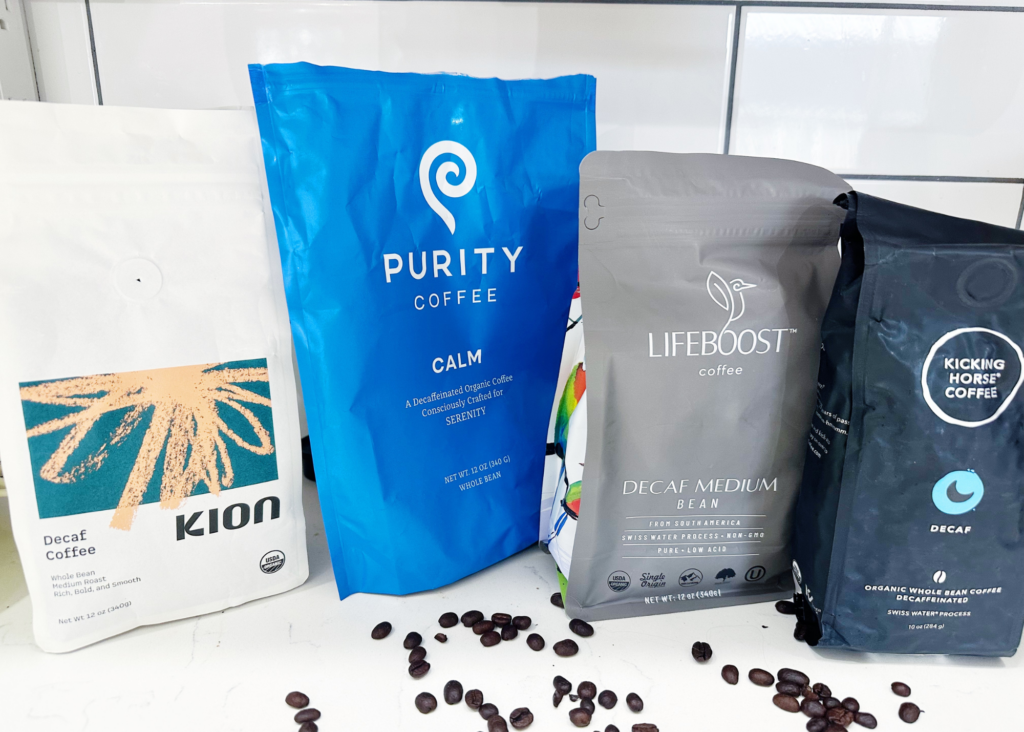
Enjoying Decaf Coffee Without Sacrificing Flavor!
Many people savor the rich experience of regular coffee, complete with its caffeine kick. However, a significant number of coffee lovers either need to reduce their caffeine intake or prefer to avoid it altogether. Fortunately, the world of decaf coffee has evolved significantly, allowing us to indulge in delicious, robust flavors without the jitters. As someone who doesn’t tolerate caffeine well, I’ve spent time exploring and sampling various decaf coffee brands to present you with the finest options available today!
*Affiliate Disclosure: This blog post contains affiliate links. If you make a purchase through one of these links, I may earn a small commission at no additional cost to you. I only partner with companies and products that I genuinely believe in.
*Suzi (Gurl Gone Green) participates in the Amazon Services LLC Associates Program, an affiliate advertising program designed to facilitate website earnings through advertising and linking to Amazon.com.
Discover the Top Decaf Coffee Brand
It’s no surprise that Purity Coffee stands out as the premier choice for decaf coffee enthusiasts. The company guarantees exceptional quality through meticulous bean selection, rigorous third-party testing, and an unbeatable flavor profile. After sampling numerous decaf coffee options, I can confidently state that Purity Coffee offers a remarkably smooth and rich taste—unlike many decaf brands that often deliver a diluted experience. With Purity Calm, you can enjoy every sip without compromising on taste!
Use code GURLGONEGREEN to enjoy 20% off your first order!
Essential Factors to Consider When Choosing Decaf Coffee
When selecting a decaf coffee brand, there are several crucial factors to keep in mind to ensure you find a product that meets your flavor and quality expectations.
1. Importance of Third-Party Certifications
The presence of credible third-party certifications on a coffee brand’s packaging speaks volumes about its quality and integrity. These certifications serve as assurance that the brand’s claims are truthful and reliable. Some certifications worth looking for include:
- USDA Organic – This certification indicates that the coffee is grown without synthetic pesticides, herbicides, or fertilizers and is free from genetically modified organisms (GMOs).
- Rainforest Alliance Certified – This certification ensures that the coffee is sourced sustainably and meets strict environmental, social, and economic criteria.
- Bird Friendly – Established by the Smithsonian Migratory Bird Center, this certification guarantees that coffee farms provide a healthy habitat for migratory birds, promoting biodiversity through shade-grown coffee.
- Demeter Biodynamic Certification – This certification reflects adherence to holistic farming practices that enhance biodiversity, soil health, and ecological sustainability.
- UTZ Certified – This certification signifies the brand’s commitment to sustainable farming that addresses social and environmental issues, improving the livelihoods of farmers.
- Fair Trade Certified – This certification ensures that producers in developing nations are compensated fairly and work under safe conditions while supporting sustainable practices.
- Specialty Grade – This indicates that the coffee beans are cultivated in ideal conditions, picked at peak ripeness, and scored an 80 or above on a scale of 100 in rigorous testing.
2. The Necessity of Third-Party Testing
It’s essential to recognize that coffee can sometimes be contaminated with harmful substances, such as mold and mycotoxins. These contaminants often arise from improper farming, storage, processing, or transportation methods. While some may argue that the levels of these contaminants are negligible, research paints a different picture.
Studies have found that mycotoxins were present in 26.6% to 45% of commercially available coffee brands.
Without rigorous third-party testing, it’s nearly impossible to determine which coffee brands are free from contamination. It’s crucial to ask for third-party testing results to verify the claims made by brands, ensuring the product is safe and of high quality!
Related Content: Best Mold & Mycotoxin Free Coffee Brands
3. Choosing the Right Decaffeination Process
Decaffeinated coffee can be produced through three primary methods:
1. The traditional process involves immersing green coffee beans in solvents such as methylene chloride or ethyl acetate, both of which are commonly found in paint thinners and nail polish removers. Consuming coffee treated with such chemicals is concerning for many.
2. The carbon dioxide method utilizes CO2 to extract caffeine from green coffee beans in a pressurized environment, leaving the beans decaffeinated. However, this method is relatively costly.
3. The water process is another option, including techniques like the Swiss Water Method and the Mountain Water Process. Both processes avoid the use of harmful solvents, preserving the coffee’s flavor integrity throughout the decaffeination process.
It’s important to note that caffeine plays a protective role against mold growth in coffee. Consequently, for those who rely on decaf, selecting a brand that rigorously tests for mold and mycotoxins is crucial.
Top 5 Decaf Coffee Brands You Should Try
Purity Coffee: The Gold Standard in Decaf
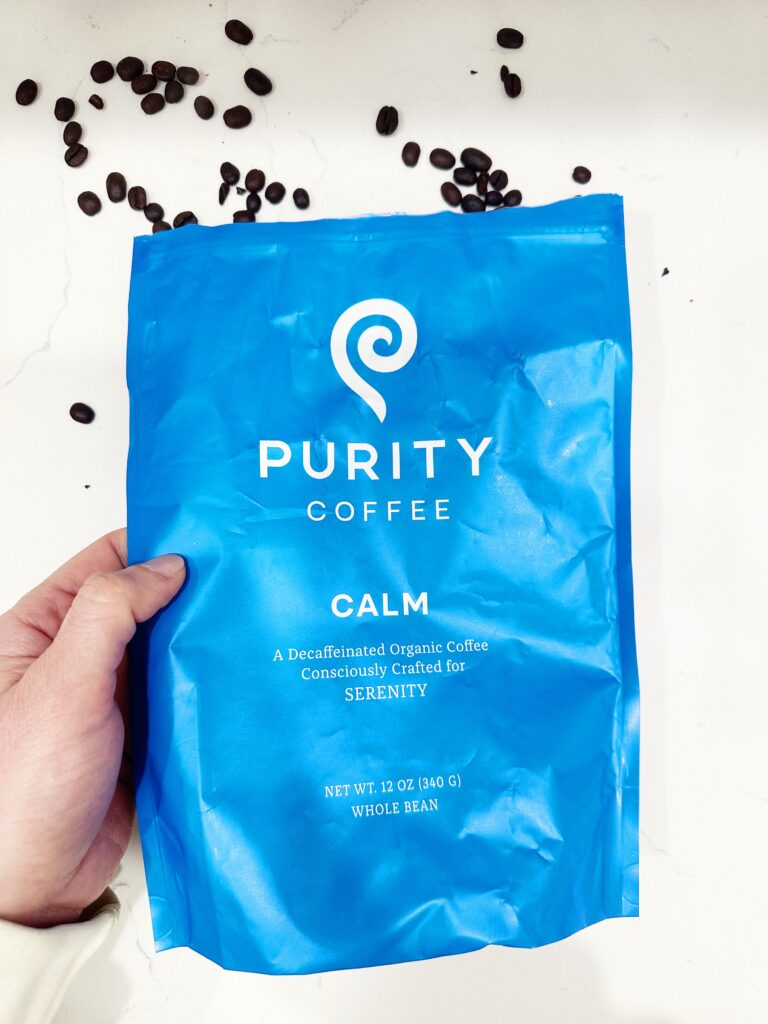
Purity Coffee is renowned for its dedication to delivering top-notch, organic coffee. Their beans are meticulously sourced and roasted to enhance both flavor and health benefits. Transparency and sustainability are core principles of Purity Coffee’s production process.
Available Decaf Formats:
Whole bean, coffee pods, sachets
Decaf Roast Options:
Medium roast, with an option that is 1/3 caffeinated (Purity Balance).
Certifications:
USDA Organic, Specialty Grade, Rainforest Alliance Certified, Smithsonian Bird Friendly, Demeter Biodynamic Certified, beyond Fair Trade.
Decaf Process:
Swiss Water Process.
Mold Testing and Lab Results:
Available on their website. Each batch of coffee beans undergoes multiple tests throughout the supply chain. For the latest lab results, refer to the results page under the “About” tab for each coffee.
Customer Review:
This is undoubtedly the best decaf coffee I’ve ever enjoyed. It does not come across as watered down; instead, it is smooth and full-bodied. I consistently recommend it to others, and the feedback is always the same: “This is the best decaf coffee I’ve ever tasted!” I wholeheartedly concur and confidently suggest it to anyone seeking quality decaf.
Use code GURLGONEGREEN to claim 20% off your first purchase!
Related Content: Purity Coffee Review
Lifeboost Coffee: The Premium Choice
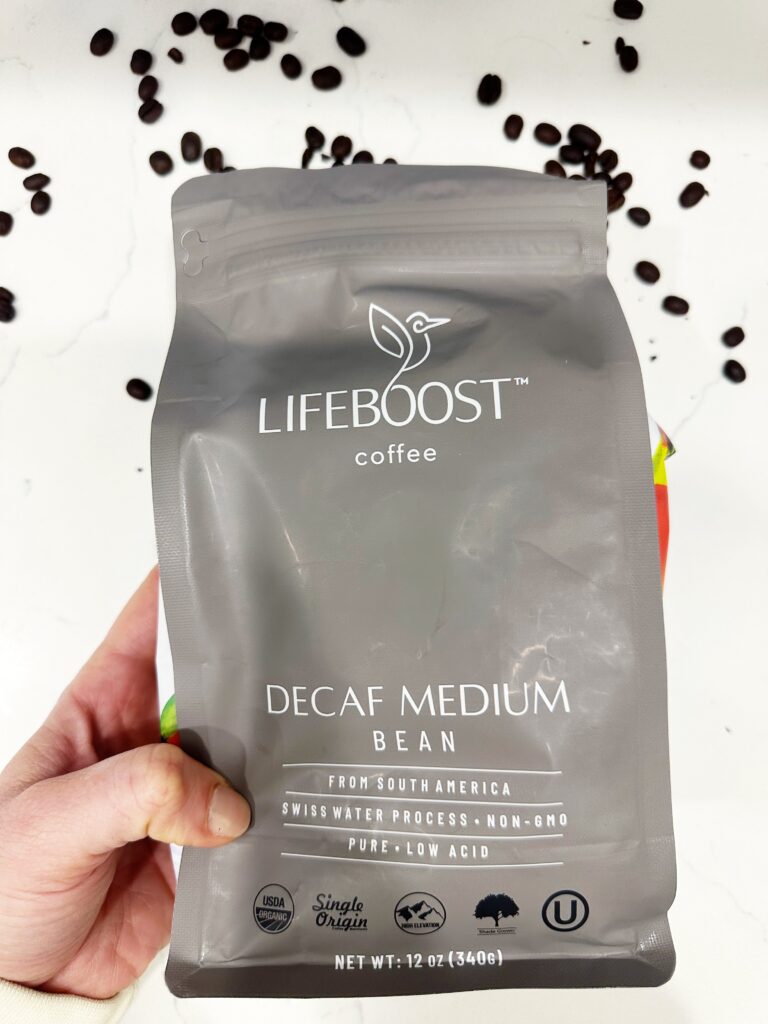
Lifeboost Coffee, founded by Dr. Charles Livingston, specializes in single-origin beans sourced organically from South America. Cultivated at high altitudes, their coffee delivers a smooth, low-acid brew. Lifeboost emphasizes sustainability and fair trade, ensuring a clean and enjoyable cup of coffee.
Available Decaf Formats:
Whole bean and ground.
Decaf Roast Options:
Light, Medium, Dark, and a variety of flavored options. They also offer a half-caff option.
Certifications:
USDA Organic (including Light, Medium, Dark, Espresso, and Midnight roasts, with flavored options pending certification), Fair Trade Organic.
Decaf Process:
Swiss Water Process.
Mold Testing and Lab Results:
Available upon request. Each batch of green coffee beans is tested upon arrival from their farmers (1-2 times per year).
Customer Review:
Lifeboost offers the only clean flavored coffee I’ve found. They use natural flavorings and essential oils instead of artificial additives, which is a significant plus. I’ve tried several flavors, including Decaf Hazelnut and Decaf French Vanilla, and adding coconut milk turns them into a delightful treat! Their Decaf Dark Roast is also exceptional. Overall, Lifeboost’s coffees are low in acidity and provide a smooth taste. I highly recommend trying Lifeboost!
Use code GGG20OFF to receive 20% off your order!
Related Content: Lifeboost Coffee Review (Pros + Cons)
Kicking Horse Coffee: Bold Flavors from a Trusted Brand
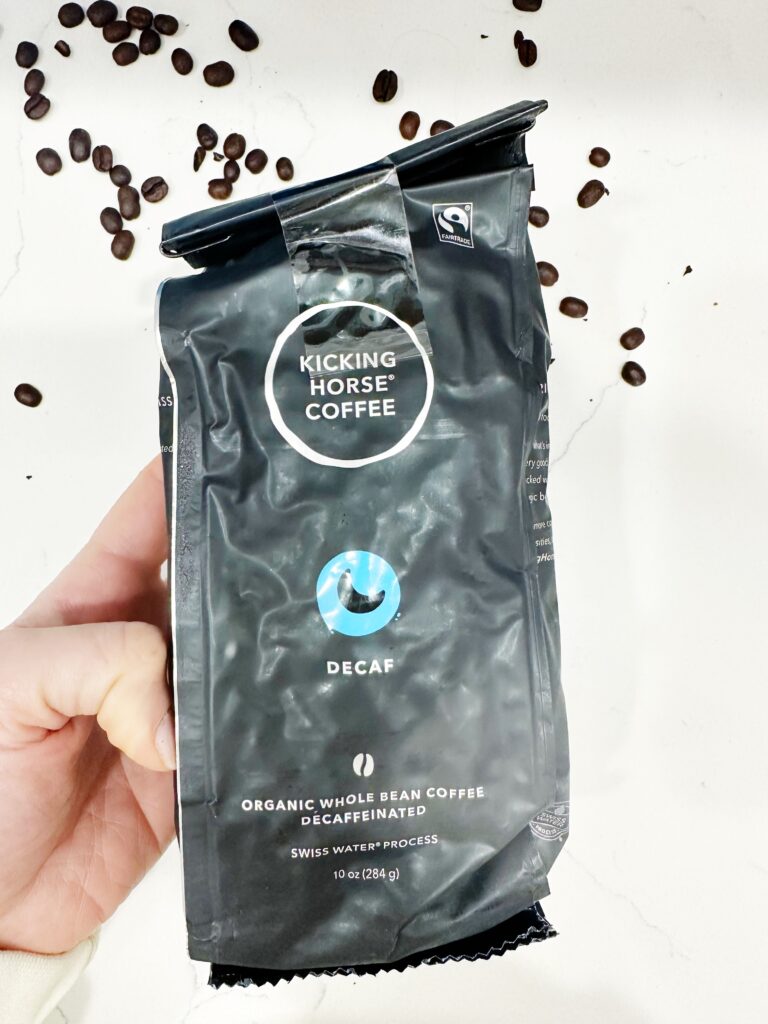
Kicking Horse Coffee started as a small operation in a garage during the late 90s and has since seen tremendous growth while maintaining its commitment to organic, fair trade beans and bold flavors. This brand is readily available at many retailers, offering a range of prices to accommodate various budgets.
Available Decaf Formats:
Whole bean.
Decaf Roast Options:
Dark Roast.
Certifications:
USDA Organic, Fair Trade.
Decaf Process:
Swiss Water Process.
Mold Testing and Lab Results:
They report consistent negative results for mold, bacteria, and yeast. However, when I requested recent testing information, I did not receive a response.
Customer Review:
Kicking Horse Decaf Dark Roast Coffee delivers a rich, full-bodied flavor that doesn’t compromise on taste. Unlike many decaf options that tend to be weak, this coffee stands out as a true dark roast. I appreciate that I can enjoy it black, or with coconut milk or cream. It truly satisfies my coffee cravings!
Kion: Premium Quality for Wellness Enthusiasts
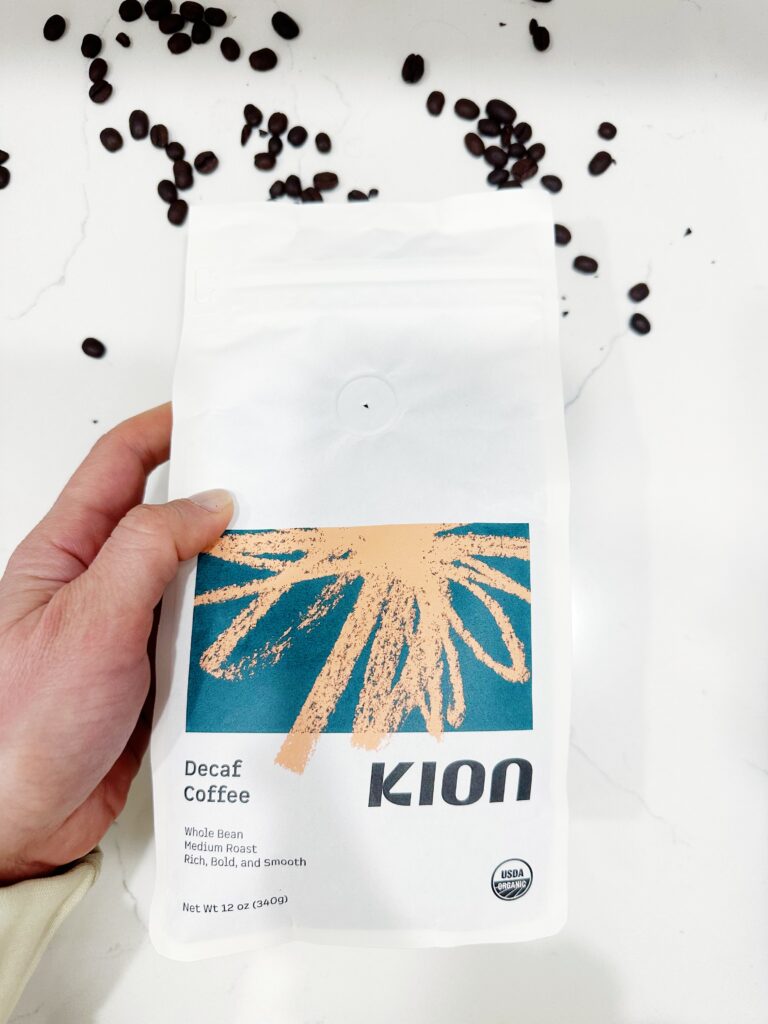
Kion specializes in crafting premium, research-driven supplements and foods aimed at enhancing vitality and longevity, including their coffee offerings. By meticulously selecting top-quality natural ingredients, Kion optimizes wellness and performance while maintaining strict manufacturing standards.
Available Decaf Formats:
Whole bean.
Decaf Roast Options:
Medium Roast.
Certifications:
USDA Organic, Fair Trade.
Decaf Process:
Mountain Water Process.
Mold Testing and Lab Results:
According to Kion, their coffee undergoes third-party testing to ensure it is free of mold and mycotoxins and is rich in antioxidants. However, they do not publicly share the testing results.
Customer Review:
I revisited Kion after trying their coffee a few years ago to compare it with other decaf brands. It did not disappoint! I found it to be smooth and strong for a decaf. While slightly more acidic than some others I’ve tried, like Purity, it still offers a delightful experience!
Use code GGG to enjoy 10% off your order!
Fabula: Fresh and Flavorful Decaf

Sienna Blake is a licensed aesthetic consultant and beauty writer specializing in cosmetic surgery advancements and non-invasive treatments. With a background in dermatology and over eight years of industry experience, Sienna is passionate about helping people achieve confidence through informed beauty decisions. She holds a Bachelor's degree in Health Sciences and regularly collaborates with top plastic surgeons to stay at the forefront of aesthetic innovations. Outside of her work, Sienna enjoys traveling, skincare research, and practicing Pilates.
