


Understanding the Role of Collagen in Skin Health
Collagen acts as a vital scaffolding that holds our skin together, functioning like the essential glue responsible for keeping everything firm, plump, and elastic. In our younger years, our bodies produce an abundance of this incredible protein, which results in the smooth, supple complexion we all desire. However, as we age, collagen production declines significantly, leading to the appearance of unwanted wrinkles, sagging skin, and a noticeable loss of elasticity. Understanding how collagen supports skin health is crucial for anyone looking to maintain a youthful appearance and enhance their overall skin vitality.
Strategies to Boost Collagen for Radiant Skin
Don’t worry! You can actively boost collagen levels and maintain youthful skin through targeted skincare routines and lifestyle choices. For instance, 100% PURE harnesses the power of natural ingredients specifically designed to support collagen production, ensuring your skin remains firm and elastic while exuding a radiant glow. Incorporating these practices into your daily regimen can dramatically improve your skin’s overall health and appearance.
The Essential Nature of Collagen in Your Skin’s Structure
Collagen is a crucial protein that serves as the fundamental building block for our skin, providing essential structure, firmness, and elasticity. This protein is vital for maintaining a youthful complexion, as it keeps our skin plump and smooth, effectively reducing the visibility of fine lines and wrinkles. Without adequate collagen levels, our skin can begin to sag and lose its vitality, making it critical to understand how to support and enhance collagen production through various methods.
Major Factors Contributing to Collagen Breakdown
Several factors contribute to the breakdown of collagen, particularly harmful UV exposure. When our skin is subjected to sunlight, especially without proper protection, the damaging UV rays can penetrate deeply into the skin layers and inflict damage on collagen fibers. This structural damage compromises the skin’s integrity, leading to the formation of wrinkles and fine lines. It’s essential to take proactive measures to shield your skin from these harmful rays to maintain collagen levels and preserve youthful skin.
The Impact of Environmental Pollutants on Collagen Health
In addition to UV rays, environmental pollutants pose a significant threat to collagen integrity. Air pollution, cigarette smoke, and other toxic substances generate free radicals within the skin that can wreak havoc on collagen molecules. These free radicals actively attack and break down collagen, further compromising the skin’s structure and accelerating the aging process. Implementing a skincare routine that includes antioxidants can help neutralize these free radicals, protecting collagen and promoting healthier skin.
Aging: The Inevitable Decline of Collagen Production
Another unavoidable factor influencing collagen levels is the natural aging process. As we age, our bodies progressively produce less collagen. This decline in collagen synthesis is a normal part of aging, but it leads to visible signs such as decreased skin elasticity, thinner skin, and the formation of wrinkles. Implementing effective skincare practices and dietary changes can help mitigate these effects and support collagen production at any age.
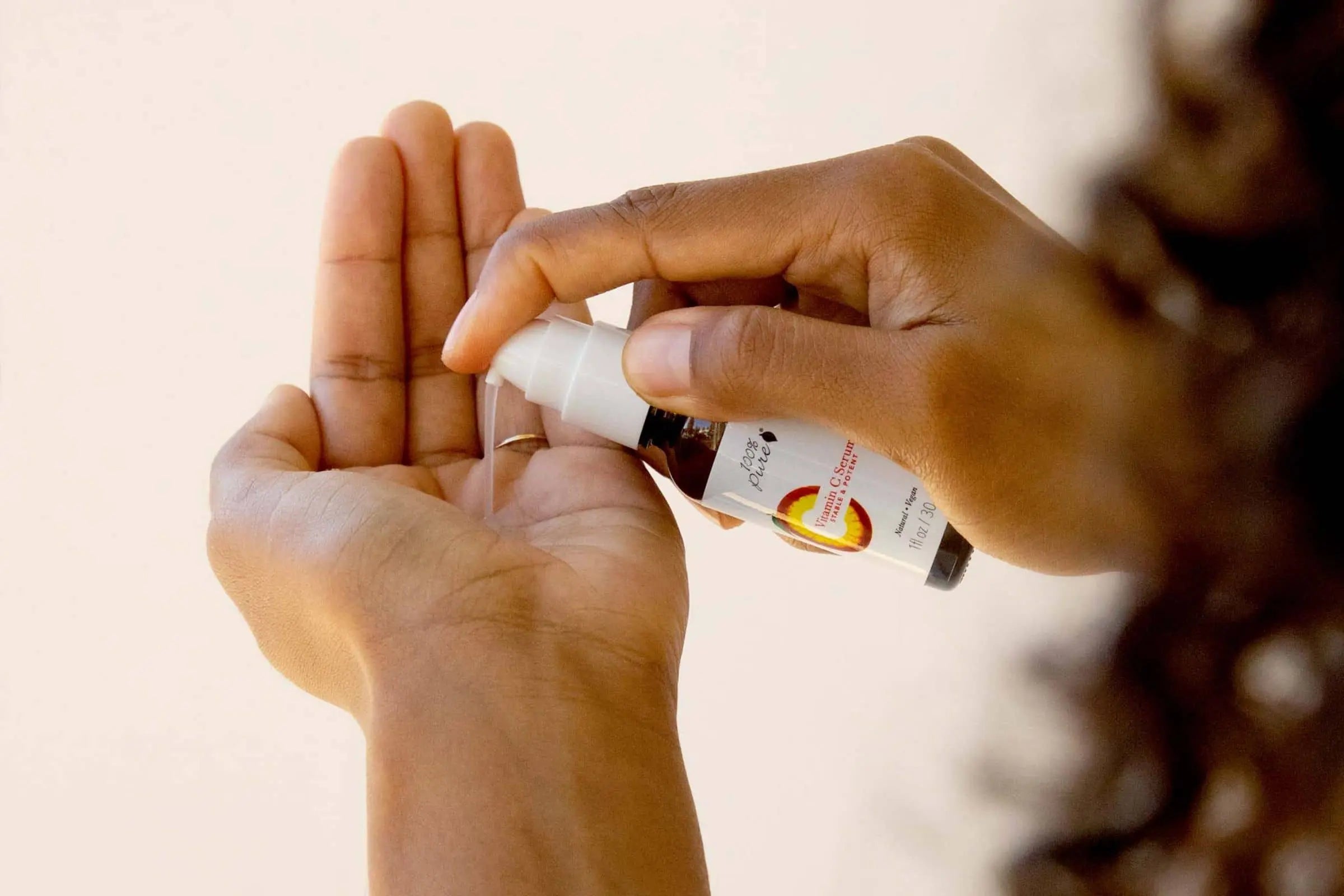
1. Incorporating Vitamin C-Rich Treatments into Your Routine
Vitamin C is a powerful antioxidant that not only protects the skin from harmful environmental stressors such as UV rays and pollution but also plays a crucial role in collagen synthesis. This process is essential for maintaining skin elasticity and firmness. By actively stimulating collagen production, Vitamin C aids in repairing damaged skin and preventing premature signs of aging, including wrinkles and fine lines. Including Vitamin C in your skincare routine is a vital step for promoting youthful, radiant skin.
100% PURE Product Highlight: Our Vitamin C Serum is expertly formulated with a high concentration of Vitamin C, ensuring maximum effectiveness in boosting collagen levels while promoting a brighter, more radiant complexion that you will love.
2. The Importance of Amino Acids and Protein-Rich Diets
Amino acids are the essential building blocks of proteins, including collagen, which is prevalent in the skin, bones, and connective tissues. Consuming a diet rich in high-quality protein sources supplies the body with the necessary amino acids to support collagen synthesis and tissue repair. Incorporating foods such as bone broth, fish, eggs, poultry, and legumes into your meals guarantees a steady intake of essential amino acids vital for maintaining skin health and resilience. A balanced diet can significantly enhance your skin’s appearance and overall well-being.
In addition to dietary modifications, using topical skincare products enriched with amino acids can complement your efforts to support collagen production and skin rejuvenation. Seek out serums, creams, and masks that contain these powerful ingredients to nourish and replenish your skin’s protein matrix, effectively promoting firmness and elasticity over time.
3. Enhancing Skin Hydration with Hyaluronic Acid
Hyaluronic acid is a naturally occurring substance in the skin, renowned for its remarkable ability to attract and retain moisture. By maintaining optimal hydration levels within the skin, hyaluronic acid supports the structure and function of collagen fibers, ensuring skin remains plump, supple, and resilient. This moisture retention is essential for combating dryness and enhancing the overall appearance of your skin.
100% PURE Product Highlight: Our Rose Hyaluronic Acid Serum combines the hydrating properties of hyaluronic acid with the soothing benefits of rose extract, delivering intense moisture while promoting overall skin health and vitality.
4. The Benefits of Facial Massage Techniques for Skin Rejuvenation
Facial massage is a refreshing practice that offers numerous benefits for skin health, including stimulating circulation, promoting lymphatic drainage, and enhancing cellular turnover. By gently kneading and manipulating the facial muscles and tissues, these techniques help relieve tension, reduce puffiness, and improve the absorption of skincare products. Incorporating facial massage into your routine can significantly enhance your skin’s appearance.
100% PURE Product Highlight: Our Intensive Nourishing Facial Oil is the perfect companion for facial massage, as its rich botanical oils deeply nourish and hydrate the skin. This enhances the massage experience, leaving your complexion glowing with vitality. Focus on key areas such as the forehead, cheeks, jawline, and neck, using gentle pressure to avoid stretching or pulling the skin, maximizing the benefits of your skincare routine.
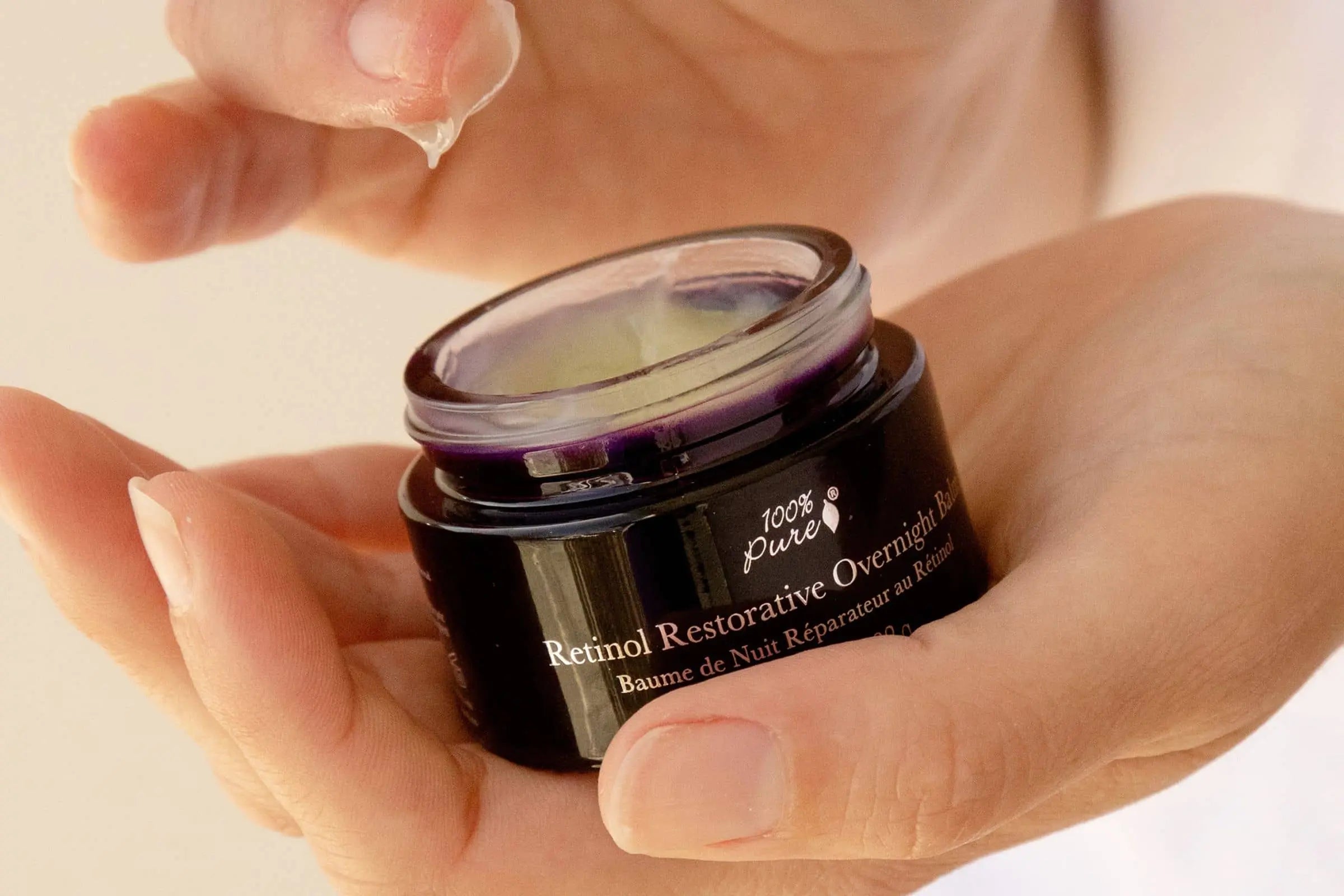
5. Leveraging Retinol and Vitamin A Derivatives for Skin Renewal
Retinol, a powerful derivative of Vitamin A, is celebrated for its potent anti-aging properties, including its ability to stimulate collagen production and promote skin renewal. By accelerating the turnover of old, damaged skin cells and encouraging the growth of new, healthy cells, retinol effectively smooths fine lines, refines skin texture, and improves overall skin tone and clarity. This ingredient is a must-have for anyone serious about skincare.
100% PURE Product Highlight: Our Retinol Restorative Overnight Balm is meticulously formulated to deliver a potent dose of retinol along with other nourishing ingredients while you sleep, maximizing absorption and effectiveness. Wake up to visibly rejuvenated, youthful-looking skin with this advanced overnight treatment that transforms your complexion.
Frequently Asked Questions About Natural Collagen Boosting
How long does it take to notice the effects of increased collagen production?
Typically, it may take several weeks to a few months of consistent collagen-boosting practices before noticeable improvements are visible. Factors such as age, health, skincare routines, and genetic predispositions all influence how quickly changes in collagen levels manifest. Nevertheless, staying committed to collagen-enhancing habits—such as proper nutrition, effective skincare, and healthy lifestyle choices—can gradually yield visible benefits in skin elasticity, hydration, and overall appearance over time.
Are there any side effects associated with collagen-boosting products?
Most collagen-boosting products, particularly those derived from natural sources, are generally safe for use. However, some individuals may experience mild side effects such as digestive discomfort or allergic reactions. It’s always wise to consult with a healthcare professional before embarking on any new supplement regimen, especially if you have underlying health conditions or are pregnant or nursing.
Can I increase collagen production at any age?
Absolutely! Collagen production can be stimulated at any age, although it naturally declines as we grow older. Embracing collagen-boosting practices—such as maintaining a nutrient-rich diet, using topical skincare products infused with collagen-boosting ingredients, and adopting healthy lifestyle habits like regular exercise and adequate sleep—can help optimize collagen production regardless of age. This proactive approach can lead to healthier, more resilient skin.
What are the best natural sources of Vitamin A for collagen production?
Vitamin A plays a crucial role in collagen synthesis, contributing significantly to skin health. Fortunately, it can be abundantly sourced from various foods. Some of the best natural sources of Vitamin A include liver (especially beef liver), sweet potatoes, carrots, spinach, kale, broccoli, cantaloupe, mangoes, and red bell peppers. Incorporating these nutrient-dense foods into your diet can effectively support collagen production, promoting skin elasticity, hydration, and overall vitality.
Is it necessary to use all five methods to see results?
While employing a combination of methods can potentially yield more significant results, it’s not always essential to incorporate all five collagen-boosting strategies to notice improvements. Start by focusing on one or two approaches that resonate with your lifestyle and skincare objectives. Consistency is crucial, so adhere to your selected methods over time to maximize their effectiveness. Additionally, maintaining a balanced diet, staying hydrated, protecting your skin from sun damage, and avoiding harmful habits like smoking can also contribute to enhanced collagen production.
Embrace Natural Methods for Collagen Production
Remember, stimulating collagen production through natural methods offers a multitude of benefits for skin health and appearance. By reducing signs of aging, enhancing hydration, and improving resilience, these approaches promote a radiant complexion from within. At 100% PURE, we are devoted to harnessing the power of nature to support skin rejuvenation and collagen synthesis. With our extensive range of products enriched with potent antioxidants, hydrating ingredients, and collagen-boosting formulations, achieving healthier, more youthful-looking skin is entirely within reach.
var windowWidth,lazyLink,lazyImages,lazySource,lazyBackground,lazyIframe,lazyScripts,navigator_platform,lazyLoadedJS,src,style,datasrc,urls,analytics,s,x,i,j,flag;
function init(){flag&&(flag=0,load_all_js(),lazyLoadImg(),lazyLoadBackground(),lazyLoadIframe(),lazyLoadSource())}
function isElementInViewport
var a=t.getBoundingClientRect();
return a.top>=0&&a.left>=0&&a.bottom<=(window.innerHeight||document.documentElement.clientHeight)&&a.right<=(window.innerWidth||document.documentElement.clientWidth)
}
function insertAfter(newNode, referenceNode) {
referenceNode.parentNode.insertBefore(newNode, referenceNode.nextSibling);
}
function isElementInView
var a=t.getBoundingClientRect();
return a.top(window.innerHeight/2||document.documentElement.clientHeight/2)
}
function lazyLoadLink(){
lazyLink.forEach(function
t.href=null==t.dataset.href?t.href:t.dataset.href
})
}
function lazyLoadImg(){
lazyImages.forEach(function
null!=(src=windowWidth<600?null==t.dataset.mobsrc?t.dataset.src:t.dataset.mobsrc:t.dataset.src)&&(t.src=src),t.classList.remove("lazy2")
})
}
function lazyLoadImg2(){
lazyImages.forEach(function
isElementInViewport
})
}
function lazyLoadSource(){
lazySource.forEach(function
t.srcset=null==t.dataset.srcset?t.srcset:t.dataset.srcset
})
}
function lazyLoadBackground(){
lazyBackground.forEach(function
lazybg=windowWidth<768?null==t.dataset.mobstyle?t.dataset.style:t.dataset.mobstyle:t.dataset.style,null!=lazybg&&(t.style=lazybg),t.classList.remove("lazybg")
})
}
function lazyLoadIframe(){
lazyIframe.forEach(function
t.src=null==t.dataset.src?t.src:t.dataset.src
})
}
function lazyLoadScripts(){
j!=lazyScripts.length&&("lazyload2"==lazyScripts[j].getAttribute("type")?(lazyScripts[j].setAttribute("type","lazyloaded"),void 0!==lazyScripts[j].dataset.src?((s=document.createElement("script")).src=lazyScripts[j].dataset.src,document.body.appendChild(s),s.onload=function(){j++,lazyLoadScripts()}):((s=document.createElement("script")).innerHTML=lazyScripts[j].innerHTML,document.body.appendChild(s),j++,lazyLoadScripts())):(j++,lazyLoadScripts()))
}
function lazyLoadCss
(s=document.createElement("link")).rel="stylesheet",s.href=t,document.getElementsByTagName("head")[0].appendChild(s)
}
function lazyLoadJS
if(lazyLoadedJS)return setTimeout(function(){lazyLoadJS
}
function wnwAnalytics() {
var script2 = document.querySelectorAll(".analytics");
script2.forEach(function(analyticsScript) {
trekkie.integrations=false;
s = document.createElement("script");
s.innerHTML = analyticsScript.innerHTML;
insertAfter(s, analyticsScript);
analyticsScript.parentNode.removeChild(analyticsScript);
});
}
document.addEventListener("DOMContentLoaded",function(){windowWidth=screen.width,lazyLink=document.querySelectorAll("link"),lazyImages=document.querySelectorAll("img.lazy2"),nolazyImages=document.querySelectorAll("img.lazy"),lazyBackground=document.querySelectorAll(".lazybg"),lazyIframe=document.querySelectorAll("iframe"),lazySource=document.querySelectorAll("source"),lazyScripts=document.getElementsByTagName("script"),navigator_platform=navigator.platform,i=0,j=0,flag=1,window.addEventListener("scroll",function(){init()}),window.addEventListener("mousemove",function(){init()}),window.addEventListener("touchstart",function(){init()}),"Linux x86_64"!=navigator_platform&&init(),setTimeout(function(){init()},60000)});
function load_all_js() {
lazyLink=document.querySelectorAll("link");
lazyLoadLink();
}
