


Effective Strategies for Relieving Sunburn Pain
The most common complaint during the summer months? Sunburn! It can truly dampen your spirits when all you want is to bask in the warm sunshine, only to find yourself suffering from red, inflamed skin. Sunburn not only causes physical discomfort but can also hinder your outdoor activities and enjoyment of the season. Understanding how to prevent and treat sunburn effectively is essential for every sun lover.
As more individuals seek alternatives to chemical treatments, natural remedies have gained popularity. People increasingly prefer gentle, skin-friendly options that not only alleviate discomfort but also nourish the skin. Natural remedies can be a holistic way to promote healing and restore your skin’s health.
Have you ever questioned the effectiveness of essential oils in treating sunburn? You’re in good company! Join us as we explore the potential of these natural solutions in soothing sunburned skin and providing the relief you need. Together, we’ll uncover the best practices for utilizing these natural wonders!
What You Need to Know About Sunburn and the Benefits of Essential Oils
Sunburn is a form of skin damage that occurs due to excessive exposure to ultraviolet (UV) rays from the sun. This intense exposure triggers a series of reactions in your skin, leading to symptoms like redness, pain, and inflammation as your body responds to the harmful UV radiation. Prompt treatment of sunburn is vital to mitigate further skin damage, which can result in peeling, blistering, and long-term concerns such as premature aging or an elevated risk of skin cancer.
In search of relief, many individuals turn to essential oils, known for their anti-inflammatory, soothing, and healing properties. These natural remedies may offer effective solutions for sunburned skin by alleviating redness and discomfort, fostering healing, and serving as a gentle alternative to conventional chemical treatments.

Top Essential Oils for Soothing Sunburn Effectively
Experiencing sunburn can be both painful and disruptive, but nature offers a variety of remedies that can effectively ease your discomfort. Essential oils, celebrated for their anti-inflammatory, soothing, and healing effects, serve as excellent choices for sunburn relief. By utilizing these natural oils, you can provide a gentle and effective way to care for your skin, minimizing redness and pain while accelerating the healing process. Let’s delve into some of the most effective essential oils for sunburn treatment and learn how to use them safely.
-
Lavender Oil: A Powerful Ally Against Sunburn
Lavender oil is renowned for its anti-inflammatory and calming properties, making it an exceptional choice for treating sunburn. It not only promotes healing but also contributes to reducing pain and redness, making your skin feel more comfortable.
Tips: Always dilute lavender oil with a carrier oil, such as coconut or jojoba oil, before applying it to your skin. This dilution helps prevent any potential irritation. Apply the mixture gently to the affected areas to experience soothing relief.
-
Chamomile Oil: Calming and Healing
Chamomile oil is known for its calming effects and its ability to significantly reduce the redness and inflammation associated with sunburn. Its gentle nature makes it a perfect option for those with sensitive skin.
Tips: Always dilute chamomile oil with a carrier oil before application. Gently apply the diluted oil to the sunburned skin to soothe and calm irritation effectively.
-
Peppermint Oil: For a Refreshing Cooling Effect
Peppermint oil is celebrated for its cooling sensation, which can provide immediate relief from the heat and discomfort of sunburn. Its analgesic properties help in alleviating pain effectively.
Tips: Use peppermint oil in moderation and ensure it is significantly diluted with a carrier oil to prevent skin irritation. Apply the mixture sparingly to the affected areas for optimal results.
-
Tea Tree Oil: Antiseptic and Healing Properties
Tea tree oil is valued for its antiseptic and anti-inflammatory properties, making it an effective option for reducing inflammation and preventing infection in sunburned skin.
Tips: Always dilute tea tree oil with a carrier oil before application to avoid excessive drying. Gently apply the diluted oil to the affected areas for soothing relief.
-
Helichrysum Oil: Nature’s Healing Marvel
Helichrysum oil is widely recognized for its remarkable healing properties. It aids in reducing pain and inflammation while promoting faster recovery of sunburned skin.
Tips: Mix helichrysum oil with a carrier oil for gentle application. Use this mixture on sunburned skin to enhance the healing process and restore skin health.
Harness the Power of 100% PURE Products for Effective Sunburn Care
100% PURE offers an impressive range of skincare products that incorporate these beneficial essential oils, ideal for soothing and healing sunburned skin. To maximize the benefits of these products, follow this structured sunburn care routine:
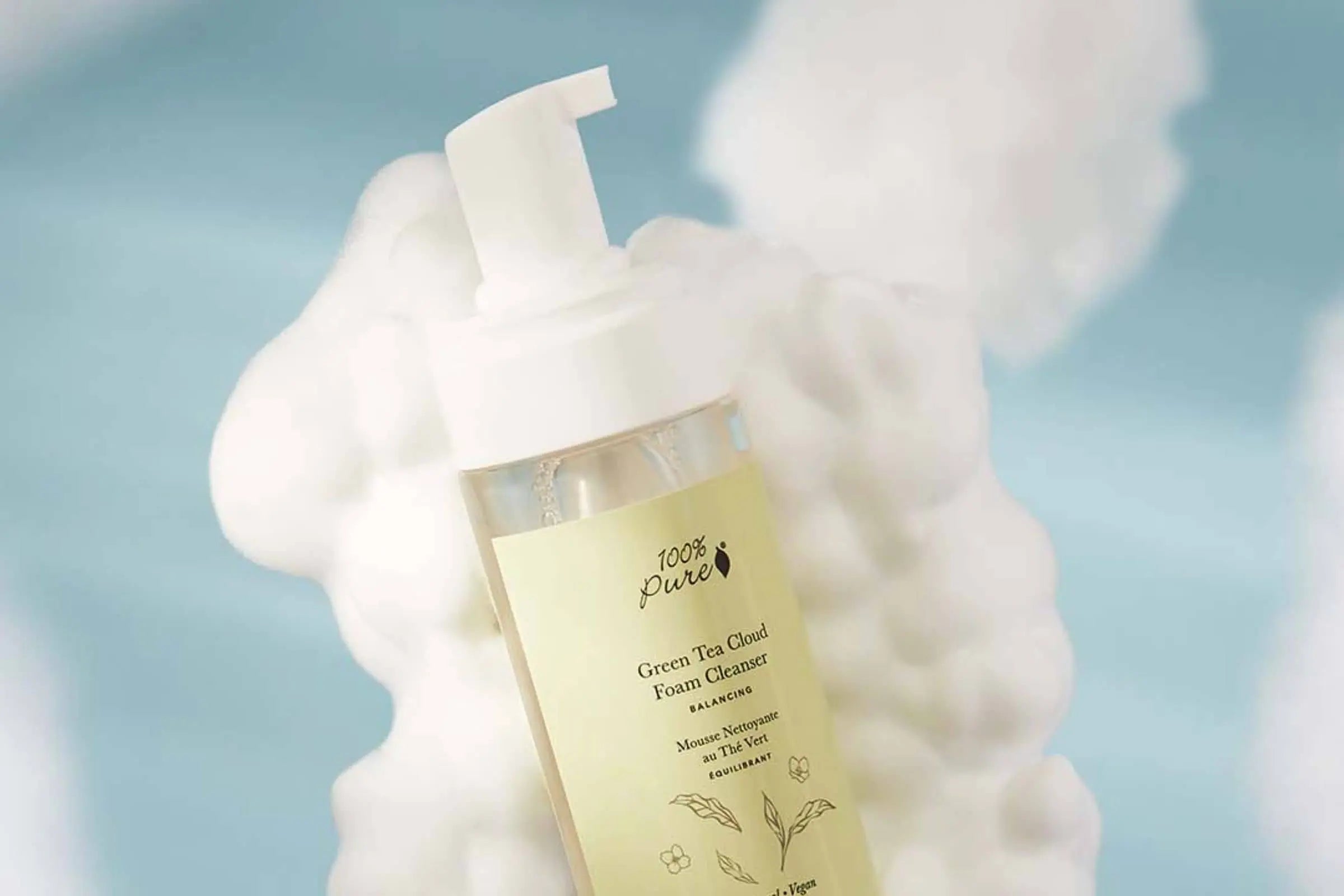
Cleanse: Begin with the Green Tea Cloud Foam Cleanser to gently cleanse your skin, effectively removing impurities without causing further irritation.
Hydrate: Next, apply the Rose Hyaluronic Acid Serum to hydrate and calm your skin. The chamomile in the serum works synergistically to reduce redness and soothe inflammation.
Moisturize: Use the French Lavender Whipped Body Butter for deep hydration and to promote healing. The lavender oil in the butter soothes and repairs sunburned skin effectively.
Shower: During your showers, opt for the Eucalyptus Shower Gel for a cooling and refreshing experience. The peppermint oil will help alleviate pain and discomfort effectively.
Balance: Complete your routine with the Tea Tree Balancing Moisturizer to maintain your skin’s health, prevent infection, and calm any residual irritation.
Incorporating these meticulously crafted products into your routine can significantly enhance the healing process, allowing you to soothe and rejuvenate your sunburned skin using the natural power of essential oils.
Essential Guidelines for Safely Using Essential Oils on Sunburn
When utilizing essential oils for sunburn relief, it’s crucial to apply them safely to avoid any further skin irritation. While essential oils are incredibly potent and effective, they must be handled with caution. Here are essential guidelines to ensure safe application.
Dilution is Key for Safe Application
Essential oils are highly concentrated and should always be diluted with a carrier oil, such as coconut or jojoba oil, before application. A recommended ratio is 1-2 drops of essential oil for every tablespoon of carrier oil to ensure safety and effectiveness.
Conduct a Patch Test
Before applying essential oils to larger areas, it’s vital to test the mixture on a small patch of skin first to ensure no adverse reactions occur. Wait for 24 hours to observe for any signs of irritation before proceeding with broader application.
Effective Application Techniques
Gentle Massage: Apply the diluted essential oil mixture to sunburned areas using gentle, circular motions. This technique not only soothes the skin but also promotes healing.
Cool Compress: Add a few drops of the diluted essential oil to a cool, damp cloth. Gently press the cloth against the sunburned skin for instant relief.
Soothing Bath: For larger areas affected by sunburn, consider adding the diluted essential oils to a cool bath. Soak for 15-20 minutes to allow the oils to envelop and soothe the affected skin.
Essential Tips for Comprehensive Sunburn Care
Staying well-hydrated is vital while dealing with sunburn. Drinking ample water helps your body heal from within, replenishing lost fluids and supporting skin recovery. Aim to consume at least 8 glasses of water daily to maintain optimal hydration levels.
While your skin is in the healing process, avoiding additional sun exposure is critical. Wear protective clothing, such as long sleeves and wide-brimmed hats, and seek shade whenever possible. Additionally, applying a broad-spectrum sunscreen with a high SPF is essential to shield your skin from further damage.
Aloe vera is a widely recognized natural remedy for sunburn due to its soothing and healing properties. To enhance your relief, apply pure aloe vera gel directly to the sunburned areas. This natural treatment cools your skin, reduces inflammation, and promotes faster healing, making it a complementary addition to your essential oil regimen.
Experience Natural Sunburn Relief Today
Explore the soothing benefits of 100% PURE’s natural products designed for effective sunburn relief. By embracing a holistic approach to sunburn care, you can enjoy the rejuvenating effects firsthand.
For more details on how to incorporate these products into your routine, visit our comprehensive product information page. If you have any questions or require assistance, our dedicated customer support team is readily available to help. Discover additional resources and tips here.
Your Essential Questions Answered
Can essential oils genuinely provide relief from sunburn?
Absolutely! Essential oils such as lavender, chamomile, peppermint, tea tree, and helichrysum possess remarkable anti-inflammatory, soothing, and healing properties that can effectively reduce the redness, pain, and inflammation associated with sunburn.
What is the recommended dilution for essential oils for sunburn treatment?
Essential oils should always be diluted with a carrier oil, like coconut or jojoba oil. A safe dilution ratio is 1-2 drops of essential oil per tablespoon of carrier oil to ensure effective and safe application.
Are there any essential oils I should avoid on sunburned skin?
It’s best to avoid citrus oils, such as lemon or bergamot, on sunburned skin as they can increase sensitivity to sunlight and may exacerbate the condition.
How often can I apply essential oils to my sunburn?
You may apply the diluted essential oil mixture to your sunburned skin 2-3 times a day. Be sure to monitor your skin for any signs of irritation and adjust usage as necessary.
What are the best carrier oils to use with essential oils for sunburn relief?
The most effective carrier oils for sunburn relief include coconut oil, jojoba oil, and aloe vera gel. These oils not only help dilute essential oils but also offer additional moisturizing and soothing benefits for sunburned skin.
var windowWidth,lazyLink,lazyImages,lazySource,lazyBackground,lazyIframe,lazyScripts,navigator_platform,lazyLoadedJS,src,style,datasrc,urls,analytics,s,x,i,j,flag;
function init(){flag&&(flag=0,load_all_js(),lazyLoadImg(),lazyLoadBackground(),lazyLoadIframe(),lazyLoadSource())}
function isElementInViewport
var a=t.getBoundingClientRect();
return a.top>=0&&a.left>=0&&a.bottom<=(window.innerHeight||document.documentElement.clientHeight)&&a.right<=(window.innerWidth||document.documentElement.clientWidth)
}
function insertAfter(newNode, referenceNode) {
referenceNode.parentNode.insertBefore(newNode, referenceNode.nextSibling);
}
function isElementInView
var a=t.getBoundingClientRect();
return a.top(window.innerHeight/2||document.documentElement.clientHeight/2)
}
function lazyLoadLink(){
lazyLink.forEach(function
t.href=null==t.dataset.href?t.href:t.dataset.href
})
}
function lazyLoadImg(){
lazyImages.forEach(function
null!=(src=windowWidth<600?null==t.dataset.mobsrc?t.dataset.src:t.dataset.mobsrc:t.dataset.src)&&(t.src=src),t.classList.remove("lazy2")
})
}
function lazyLoadImg2(){
lazyImages.forEach(function
isElementInViewport
})
}
function lazyLoadSource(){
lazySource.forEach(function
t.srcset=null==t.dataset.srcset?t.srcset:t.dataset.srcset
})
}
function lazyLoadBackground(){
lazyBackground.forEach(function
lazybg=windowWidth<768?null==t.dataset.mobstyle?t.dataset.style:t.dataset.mobstyle:t.dataset.style,null!=lazybg&&(t.style=lazybg),t.classList.remove("lazybg")
})
}
function lazyLoadIframe(){
lazyIframe.forEach(function
t.src=null==t.dataset.src?t.src:t.dataset.src
})
}
function lazyLoadScripts(){
j!=lazyScripts.length&&("lazyload2"==lazyScripts[j].getAttribute("type")?(lazyScripts[j].setAttribute("type","lazyloaded"),void 0!==lazyScripts[j].dataset.src?((s=document.createElement("script")).src=lazyScripts[j].dataset.src,document.body.appendChild(s),s.onload=function(){j++,lazyLoadScripts()}):((s=document.createElement("script")).innerHTML=lazyScripts[j].innerHTML,document.body.appendChild(s),j++,lazyLoadScripts())):(j++,lazyLoadScripts()))
}
function lazyLoadCss
(s=document.createElement("link")).rel="stylesheet",s.href=t,document.getElementsByTagName("head")[0].appendChild(s)
}
function lazyLoadJS
if(lazyLoadedJS)return setTimeout(function(){lazyLoadJS
}
function wnwAnalytics() {
var script2 = document.querySelectorAll(".analytics");
script2.forEach(function(analyticsScript) {
trekkie.integrations=false;
s = document.createElement("script");
s.innerHTML = analyticsScript.innerHTML;
insertAfter(s, analyticsScript);
analyticsScript.parentNode.removeChild(analyticsScript);
});
}
document.addEventListener("DOMContentLoaded",function(){windowWidth=screen.width,lazyLink=document.querySelectorAll("link"),lazyImages=document.querySelectorAll("img.lazy2"),nolazyImages=document.querySelectorAll("img.lazy"),lazyBackground=document.querySelectorAll(".lazybg"),lazyIframe=document.querySelectorAll("iframe"),lazySource=document.querySelectorAll("source"),lazyScripts=document.getElementsByTagName("script"),navigator_platform=navigator.platform,i=0,j=0,flag=1,window.addEventListener("scroll",function(){init()}),window.addEventListener("mousemove",function(){init()}),window.addEventListener("touchstart",function(){init()}),"Linux x86_64"!=navigator_platform&&init(),setTimeout(function(){init()},60000)});
function load_all_js() {
lazyLink=document.querySelectorAll("link");
lazyLoadLink();
}
wnwAnalytics();
setTimeout(function() {
const wnw_load = new Event('wnw_load');
window.dispatchEvent(wnw_load);
}, 100);
setTimeout(function() {
var DOMContentLoaded2_event = document.createEvent("Event");
DOMContentLoaded2_event.initEvent("DOMContentLoaded2", true, true);
window.document.dispatchEvent(DOMContentLoaded2_event);
}, 60000);
j=0;
lazyScripts = document.querySelectorAll("script[type=lazyload2]");
lazyLoadScripts();
lazySource = document.querySelectorAll("source");
lazyLoadSource();
}