

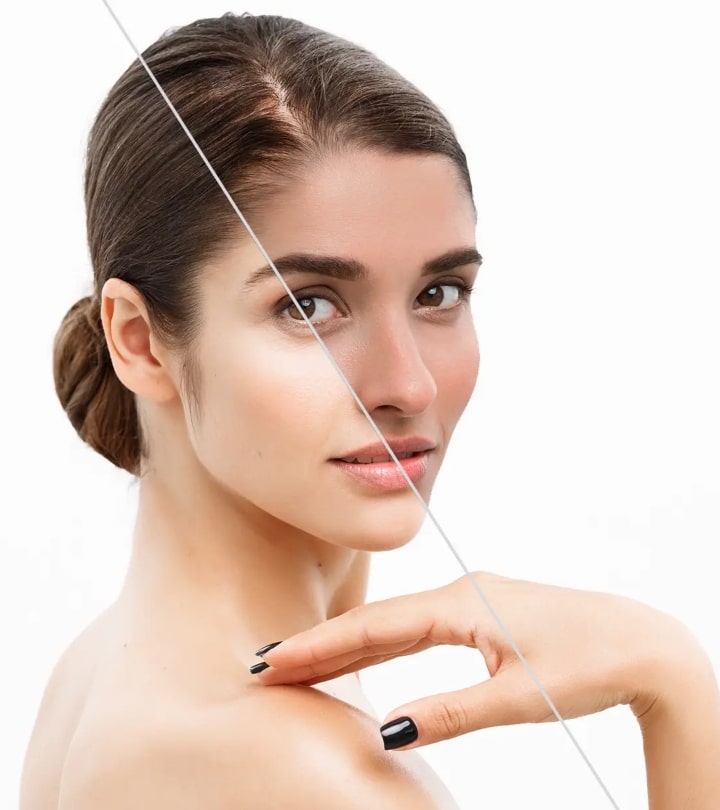
Hey there, beautiful! It’s your girl Sophia here, ready to chat about a topic that’s been buzzing in the beauty world: how to enhance your skin’s brightness and achieve a more even tone. Now, before we dive in, I want you to know that you’re absolutely gorgeous just the way you are. Every skin tone is unique and beautiful, and there’s no “ideal” shade we should all be striving for. That said, I totally get it if you’re looking to even out your skin tone or address some specific concerns. So, let’s have a heart-to-heart about skin lightening, shall we?
Understand the Realities of Skin Tone Changes: A Reality Check
Okay, let’s address the elephant in the room. The idea of “permanently” changing your skin color is, well, not really a thing. Your skin color is determined by genetics and other factors like sun exposure and hormones. While we can certainly work on evening out our skin tone and addressing hyperpigmentation, completely and permanently changing your natural skin color isn’t possible (or advisable!).
But don’t worry! There are tons of safe and effective ways to brighten your complexion, even out your skin tone, and achieve that gorgeous glow you’re after. Let’s focus on realistic and practical strategies to enhance your skin’s natural beauty, shall we?
Understanding Melanin: The Key to Your Skin’s Natural Protection
Before we jump into the how-tos, let’s talk about melanin. It’s the pigment that gives color to our skin, hair, and eyes. Think of it as your body’s natural sunscreen. The more melanin you have, the darker your skin tone. Understanding this is crucial as it helps us appreciate the diversity of skin tones and how they respond to various treatments.
Melanin is produced by cells called melanocytes, which reside in the bottom layer of your skin’s epidermis. When these cells are triggered (by sun exposure, hormones, or inflammation), they begin to produce melanin abundantly. So, when we talk about “lightening” the skin, we’re really discussing reducing melanin production or removing existing melanin. Now that we’ve grasped the science behind it, let’s explore some effective ways to achieve a brighter, more even-toned complexion!
Sunscreen: Your Essential Ally for Skin Brightening
I know, I know. You’ve heard it a million times. But seriously, sunscreen is THE most important step in any skin-lightening routine. UV rays are like kryptonite for even-toned skin. They trigger melanin production faster than you can say “tan lines.” Protecting your skin is non-negotiable!
Look for a broad-spectrum sunscreen with at least SPF 30. And don’t forget to reapply every two hours if you’re out and about. Your future self will thank you for this preventive measure!
Pro tip: Find a sunscreen that plays well with your makeup. There’s nothing worse than trying to blend foundation over a greasy, white-cast sunscreen. Trust me, I’ve been there, and it’s not a pretty sight!
Vitamin C: Your Skin’s Superhero Ingredient for Brightness
Vitamin C is like the superhero of skincare ingredients. It fights free radicals, boosts collagen production, and yes, helps inhibit melanin production. Plus, it gives your skin that “I just got back from a spa weekend” glow that we all crave.
Look for serums or moisturizers containing L-ascorbic acid (that’s the fancy name for vitamin C). Start with a lower concentration if you’re new to it, and gradually work your way up. Your skin will be singing “C” you later to those dark spots in no time!
Elevate Your Skincare Routine with Effective Exfoliation
Exfoliation is like Marie Kondo for your face – it gets rid of all the stuff that doesn’t spark joy (aka dead skin cells). By sloughing away those dull, lifeless cells, you’re revealing the brighter, more radiant skin underneath.
But hold your horses! Don’t go scrubbing your face like you’re trying to get decade-old grime off a barbecue grill. Gentle is the name of the game here. Look for chemical exfoliants like alpha-hydroxy acids (AHAs) or beta-hydroxy acids (BHAs). They sound scary, but they’re actually much gentler than physical scrubs.
Start with once or twice a week and see how your skin reacts. Remember, we’re aiming for “glow-getter,” not “lobster-face.”
Niacinamide: Your Versatile Skincare Ally
If niacinamide were a person, it would be that overachieving friend who somehow manages to have a successful career, run a side hustle, and still have time for weekly brunch dates. This form of vitamin B3 does it all – it reduces inflammation, evens out skin tone, and yes, helps inhibit melanin production.
The best part? It plays well with others, so you can seamlessly incorporate it into your existing skincare routine. Look for serums or moisturizers with niacinamide, and prepare to glow, girl!
Kojic Acid: The Fungi’s Gift to Skin Brightening
Don’t let the word “acid” scare you off – kojic acid is actually derived from various types of fungi (fancy mushrooms, if you will). It works by inhibiting the production of tyrosinase, an enzyme crucial in melanin production.
You can find kojic acid in various skincare products, from serums to creams. Just remember to start slow and always patch test, especially if you have sensitive skin. We want to fade dark spots, not your patience!
Arbutin: The Gentle Alternative to Hydroquinone
If you’re looking for a natural alternative to hydroquinone (more on that later), say hello to arbutin. Derived from bearberry plants, arbutin works similarly to hydroquinone but with a gentler touch.
You can find it in various concentrations in skincare products. It’s like hydroquinone’s chill cousin who gets the job done without all the drama. Perfect for those seeking a more natural approach!
Licorice Extract: A Sweet Solution for Skin Brightening
Who knew that the stuff in your favorite chewy candy could also be a skin-brightening superstar? Licorice extract contains an active compound called glabridin, which has been shown to inhibit melanin production and reduce inflammation.
Look for products containing licorice extract or its derivatives. It’s like giving your skin a sweet treat without the sugar crash, making it a fantastic addition to any skincare regimen!
Retinoids: The Ultimate Solution for Skin Renewal
Retinoids, derived from vitamin A, are like the Swiss Army knife of skincare. They tackle everything from acne to wrinkles, and yes, they can help with hyperpigmentation too. Retinoids work by speeding up cell turnover, which can help fade dark spots and even out skin tone.
Start with over-the-counter retinol products and work your way up if needed. And please, for the love of all things holy, use sunscreen during the day when you’re using retinoids. Your skin will be more sensitive to the sun, and we don’t want to undo all our hard work!
Azelaic Acid: The Hero for All Skin Types
Azelaic acid is like that quiet kid in class who surprises everyone with their brilliance. This multitasking ingredient not only helps with acne and rosacea but also tackles hyperpigmentation like a boss.
It works by inhibiting tyrosinase (remember that pesky enzyme from earlier?) and reducing inflammation. Plus, it’s generally well-tolerated by most skin types, making it a versatile option for anyone looking to improve their complexion. Win-win!
Hydroquinone: The Controversial Heavyweight in Skin Lightening
Okay, let’s talk about hydroquinone. It’s like the nuclear option of skin lightening – effective, but not without its controversies. This ingredient works by directly inhibiting melanin production and is often considered the gold standard for treating hyperpigmentation.
However, it’s not without risks. Prolonged use can lead to a condition called ochronosis, which actually darkens the skin (talk about irony!). In many countries, it’s only available by prescription. If you’re considering hydroquinone, definitely chat with a dermatologist first. Remember, we’re going for “radiant glow,” not “science experiment gone wrong.”
Glutathione: Your Body’s Master Antioxidant for Skin Health
Glutathione is like the superhero of antioxidants. Not only does it help protect your cells from damage, but it also plays a role in determining melanin production. Some studies suggest that oral or topical glutathione can help lighten skin tone, making it a popular choice for many.
While more research is needed, incorporating glutathione-rich foods into your diet (like avocados, spinach, and asparagus) certainly can’t hurt. Plus, they’re delicious and add nutritional value to your meals!
DIY Masks: Natural Remedies Straight from Your Kitchen
Who says you need fancy products to brighten your skin? Sometimes, the best ingredients are right in your kitchen! Here are a few DIY masks you can whip up using natural ingredients:
- Yogurt and Honey Mask: The lactic acid in yogurt gently exfoliates, while honey provides hydration and antioxidants, giving your skin a refreshing boost.
- Lemon and Turmeric Mask: Lemon juice contains vitamin C, while turmeric has anti-inflammatory properties. Just be careful with this one if you have sensitive skin, as it can be potent!
- Papaya Mask: Papaya contains enzymes that can help exfoliate and brighten skin, making it a perfect natural treatment for a radiant complexion.
Remember, natural doesn’t always mean gentle, so always patch test and don’t leave these masks on for too long to avoid irritation!
Lifestyle Factors: Enhancing Beauty from Within
While topical treatments are great, don’t overlook the importance of overall health when it comes to your skin:
- Stay hydrated: Water is life, darling. Keep that skin plump and glowing from the inside out by drinking plenty of fluids.
- Get your beauty sleep: They don’t call it beauty sleep for nothing! Aim for 7-9 hours a night to allow your skin to rejuvenate.
- Eat a balanced diet: Load up on fruits, veggies, and foods rich in antioxidants. Your skin will thank you as you nourish it from the inside.
- Manage stress: Stress can wreak havoc on your skin. Find ways to relax, whether it’s meditation, yoga, or binge-watching your favorite show (no judgment here!).
Explore Professional Treatments for Enhanced Results
Sometimes, over-the-counter products just don’t cut it. If you’re dealing with stubborn hyperpigmentation or uneven skin tone, you might want to consider professional treatments. Here are a few options:
- Chemical Peels: These use stronger concentrations of acids to remove the top layer of skin, revealing brighter skin underneath, effectively rejuvenating your complexion.
- Microdermabrasion: This treatment uses tiny crystals to gently exfoliate the skin and improve texture.
- Laser Treatments: Various types of lasers can target pigmentation issues and provide significant results.
- Microneedling: This involves creating tiny punctures in the skin to stimulate collagen production and can be combined with brightening serums for enhanced results.
Always consult with a qualified dermatologist or aesthetician before trying any of these treatments. They can help determine the best option for your skin type and concerns based on your individual needs.
Emphasizing the Value of Consistency and Patience in Skincare
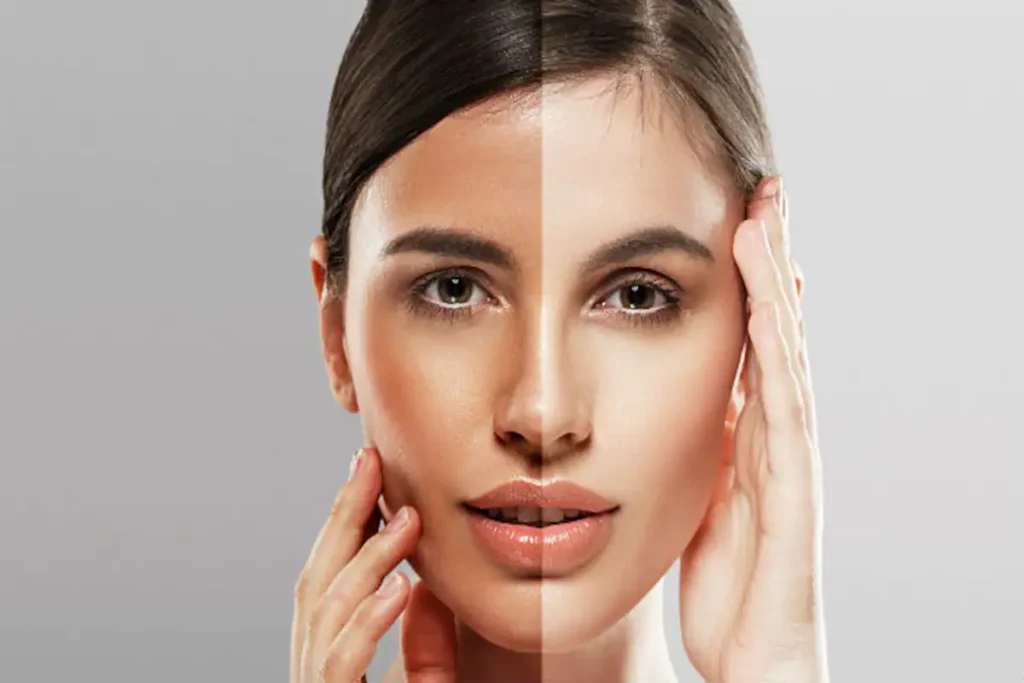
Here’s the thing, my lovely: achieving a brighter, more even-toned complexion takes time. Don’t expect overnight miracles (unless you’re using a really good Instagram filter). It can take weeks or even months to see significant results.
The key is consistency. Stick to your routine, be patient, and celebrate the small victories along the way. Maybe your dark spots haven’t completely faded yet, but your skin looks more radiant? That’s a win in my book!
Celebrate Your Unique Beauty: Embrace Your Natural Self
While we’re on this journey to brighter, more even-toned skin, let’s not forget the most important thing: loving yourself just as you are. Your worth isn’t determined by the shade of your skin or how “perfect” your complexion is.
Every freckle, every beauty mark, every variation in your skin tone tells a story. It’s part of what makes you uniquely you. So while it’s totally okay to want to address specific skin concerns, remember that you’re beautiful inside and out, regardless of your skin tone.
Understanding the Cultural Context of Skin Lightening Practices
It’s important to acknowledge that the desire for lighter skin is often rooted in complex cultural and historical factors. In many parts of the world, colorism – discrimination based on skin color – is a very real issue.
While it’s okay to want to address specific skin concerns, it’s crucial to examine our motivations and ensure we’re not perpetuating harmful beauty standards. Beauty comes in all shades, and diversity should be celebrated, not erased. Let’s focus on empowering everyone to love their natural beauty.
Recognizing When It’s Time to Consult a Dermatologist
If you’re feeling overwhelmed by all the options out there, or if you’re not seeing the results you want, it might be time to consult a dermatologist. They can provide personalized advice based on your skin type and concerns, and may recommend treatments that aren’t available over the counter.
Don’t hesitate to seek professional help if:
- You have persistent or severe hyperpigmentation
- You’re experiencing side effects from skincare products
- You have a history of skin cancer or other skin conditions
- You’re pregnant or breastfeeding (as some skin-lightening ingredients may not be safe)
Remember, there’s no shame in seeking expert advice. Think of it as treating yourself to some professional TLC!
Enhancing Your Look: The Role of Makeup in Achieving Even Skin Tone
While we’re working on achieving that gorgeous, even-toned complexion, don’t forget about the power of makeup! The right products can help you fake it ’til you make it:
- Color-correcting concealers can help neutralize dark spots for a more balanced appearance.
- A good

Sienna Blake is a licensed aesthetic consultant and beauty writer specializing in cosmetic surgery advancements and non-invasive treatments. With a background in dermatology and over eight years of industry experience, Sienna is passionate about helping people achieve confidence through informed beauty decisions. She holds a Bachelor's degree in Health Sciences and regularly collaborates with top plastic surgeons to stay at the forefront of aesthetic innovations. Outside of her work, Sienna enjoys traveling, skincare research, and practicing Pilates.