


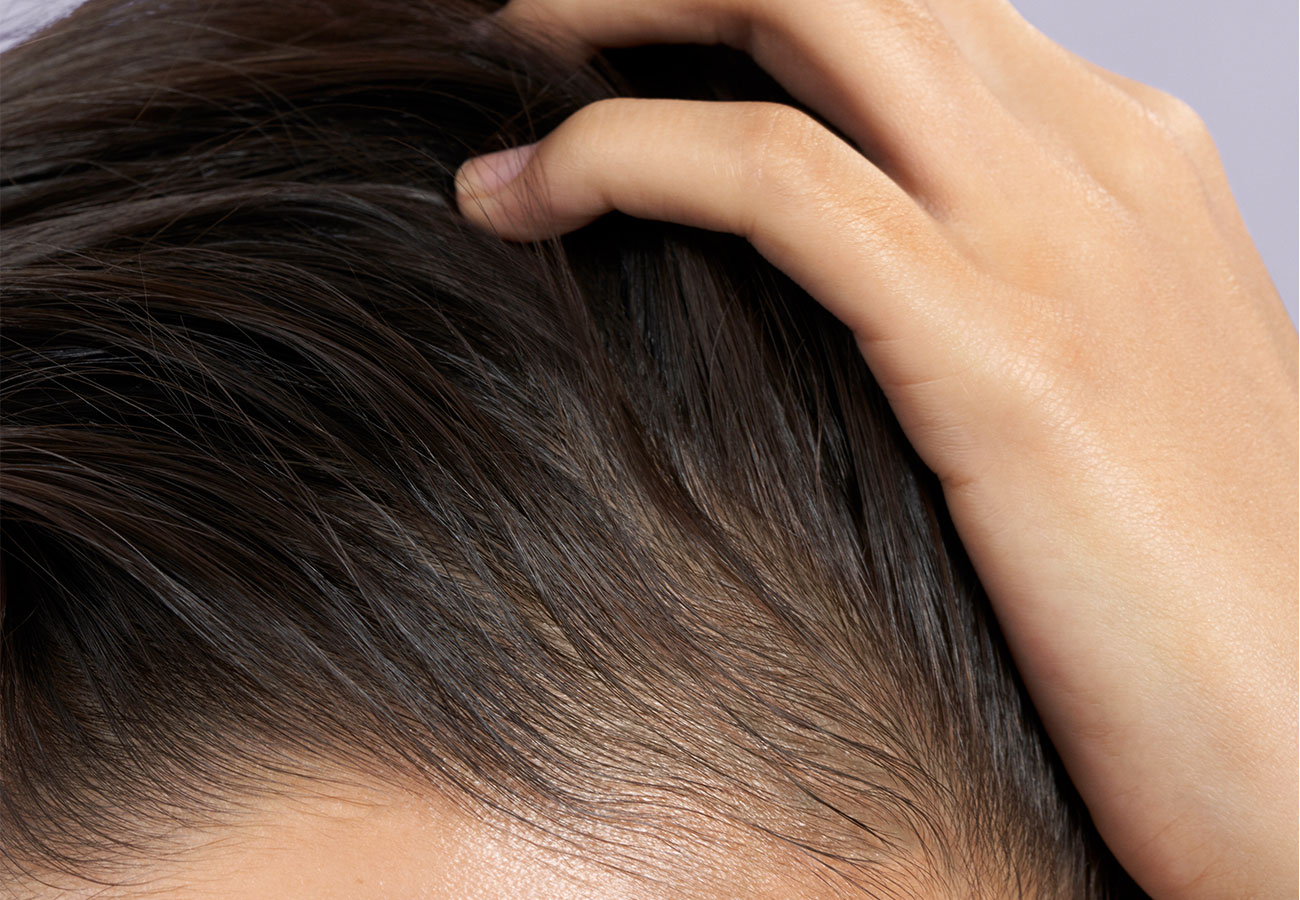
Our scalp hosts between 80,000 to 120,000 hair follicles, serving as a vital entry point for nutrients into our bloodstream. However, the use of hair products laden with harsh chemicals can provoke adverse reactions in our scalp. Consequently, understanding how to reset and nurture your scalp through a thorough scalp detox is key to maintaining its health and promoting vibrant hair growth. This guide will delve into the importance of detoxification and provide actionable insights on how to effectively cleanse your scalp.
Unlock the Benefits of a Scalp Detox for Your Hair Health
Over time, our scalps can accumulate a cocktail of products, pollutants, and irritants, leading to clogged hair follicles and an irritated scalp, which may manifest as redness, flakiness, or unpleasant odors. It’s vital for everyone to incorporate a scalp detox treatment into their hair care routine. This practice not only revitalizes the scalp but also lays the foundation for improved hair growth. Just as your face can become congested with impurities, your scalp requires similar attention to maintain its health.
According to Gabriel Abrams from Numi and Company Hair Salon in Scarsdale, NY, “The scalp functions like your facial skin. Just as a facial detox removes impurities from clogged pores, a scalp detox similarly clears away oil and sebum buildup.” This process is essential for enhancing hair growth as it allows hair follicles to thrive. For individuals with fine hair, this often entails removing excess oil, while those with thicker hair may need to exfoliate dry, dead skin cells to promote a healthy scalp environment,” Abrams adds.
Understanding the Concept of a Scalp Detox
To fully grasp what a scalp detox entails, it’s helpful to first define the term “detox.” Generally, detoxification refers to a process during which one abstains from or eliminates toxic or unhealthy substances from the body. In the context of scalp care, this means eliminating hair products that contain irritating or astringent ingredients known to accumulate on the scalp, leading to dull hair and irritated skin. Some of the most common ingredients to steer clear from include:
- Parabens: These preservatives can disrupt hormonal balance and provoke irritation, especially in sensitive scalps.
- Sulfates: Found in many shampoos, sulfates are powerful detergents that strip away natural oils, resulting in dryness and a compromised scalp barrier.
- Mineral Oil: Although it may temporarily smooth hair, mineral oil forms a barrier that traps dirt and oil, hindering the scalp’s ability to breathe and accumulating buildup.
- Phthalates: Commonly present in synthetic fragrances, phthalates have been associated with health risks and can irritate sensitive skin.
Furthermore, a DIY scalp detox involves actively massaging a cleansing and detoxifying mask into your scalp. An effective scalp treatment should include ingredients that draw out impurities, eliminate buildup, balance natural oils, and soothe as well as hydrate the skin.
Discover How a Scalp Detox Works for Optimal Hair Health
A scalp detox is more than a temporary cleanse; it should become a permanent fixture in your hair care regimen. By becoming more mindful of ingredient choices and incorporating a weekly scalp mask, you can maintain a cleansed, hydrated, and balanced scalp, allowing for optimal hair growth and health. Regularly using a quality scalp mask, which contains concentrated natural exfoliants and cleansers, can purify your scalp of flakes and buildup, while also providing hydrating and soothing properties to alleviate irritation and redness.
The Prose scalp mask, for instance, employs jojoba beads to gently exfoliate and cleanse away flakes and buildup. Designed for application before other hair products, it effectively primes your hair for a thorough cleanse with shampoo and conditioner.
Identify the Best Ingredients for Your Scalp Detox
Among the most effective natural detoxifiers for the scalp are bamboo charcoal and wintergreen extract. These potent ingredients help eliminate buildup and restore balance to the scalp due to their remarkable properties.
Bamboo charcoal is known for its high porosity, making it an exceptional detoxifying agent. It effectively absorbs impurities, excess oil, and product buildup from the scalp, promoting healthier hair growth by unclogging hair follicles and purifying the scalp.
Wintergreen extract, rich in salicylic acid, serves as a gentle exfoliant that breaks down dead skin cells and excess oil. This dual action not only removes buildup but also balances oil production, resulting in a refreshed and revitalized scalp. Together, these ingredients create an optimal environment for healthy hair growth by detoxifying and restoring balance.
Other natural ingredients beneficial for scalp detox include antioxidant-rich kale extract for oil control and nourishment; jojoba beads for exfoliation; pro-vitamin B5 for hydration; and soothing agents like CBD powder, grapefruit oil, and pink clay to calm inflamed or irritated skin. Additionally, probiotic-rich kombucha tea can promote anti-microbial and anti-redness effects, helping to keep your scalp skin calm and healthy.
Step-by-Step Guide to Effectively Applying a Scalp Mask
Once you’ve selected a clean scalp mask tailored to your specific hair needs, follow this professional application method to enhance its effectiveness:
DIY Scalp Detox: Expert Application Techniques at Home
- Step 1: Begin by brushing or combing your hair to remove tangles and ensure smooth application.
- Step 2: Dampen your hair and start massaging the mask into your hairline, moving from your ears to the nape of your neck using your fingertips.
- Step 3: Create a part from your temple to the nape of your neck. Massage the mask along this part with your fingertips, continuing to section off and massage until you reach the opposite side of your hairline.
- Step 4: Allow the mask to penetrate for five to ten minutes, using a shower cap or steam for enhanced absorption.
- Step 5: After the mask has had time to work, use your fingertips to massage around your hairline, behind your ears, and at the nape of your neck—these areas are key for boosting circulation—then rinse thoroughly.
Zen bonus: Enhance your scalp massage by tracing your index fingers from your ears up to your crown, pressing down in the middle. This reiki massage technique can help you feel grounded and relaxed.
Essential Tips for Maintaining a Healthy Scalp After Detoxification
First and foremost, continue with those weekly treatments! Additionally, invest in a sulfate-free shampoo and conditioner tailored to your hair’s unique requirements. You may want to consider reducing the frequency of your hair washes per week to minimize buildup and promote a healthy oil balance. “The frequency of shampooing varies by individual, but as your scalp’s sebaceous glands produce less sebum with age, it’s advisable to decrease washing frequency,” advises Dr. Hadley King, MD, a board-certified dermatologist. “Using hydrating and moisturizing products is also crucial. Avoid sulfates and other harsh detergents that strip natural oils, leaving your scalp dry.”
It’s also important to avoid low-quality ingredients that can harm hair follicles and irritate the scalp. Ingredients like parabens, triclosan, sodium lauryl sulfate (not to be confused with sodium lauroyl sarcosinate), dimethicone, and phthalates should be avoided. Pay particular attention to hair styling products that linger on your scalp, such as dry shampoo. Instead, opt for a clean dry shampoo formulated with natural ingredients, like witch hazel and oat flour, that are gentle on sensitive scalps.
Finally, use the right hair care tools. Selecting the appropriate brush can significantly impact your hair care routine, as it helps detangle and evenly distribute natural oils from your scalp down to the lengths of your hair, ensuring hydration throughout your entire head.
Thinking of revamping your hair care routine but unsure where to begin? Take our free hair care consultation, and we will develop the perfect personalized hair care regimen to suit your specific needs.