


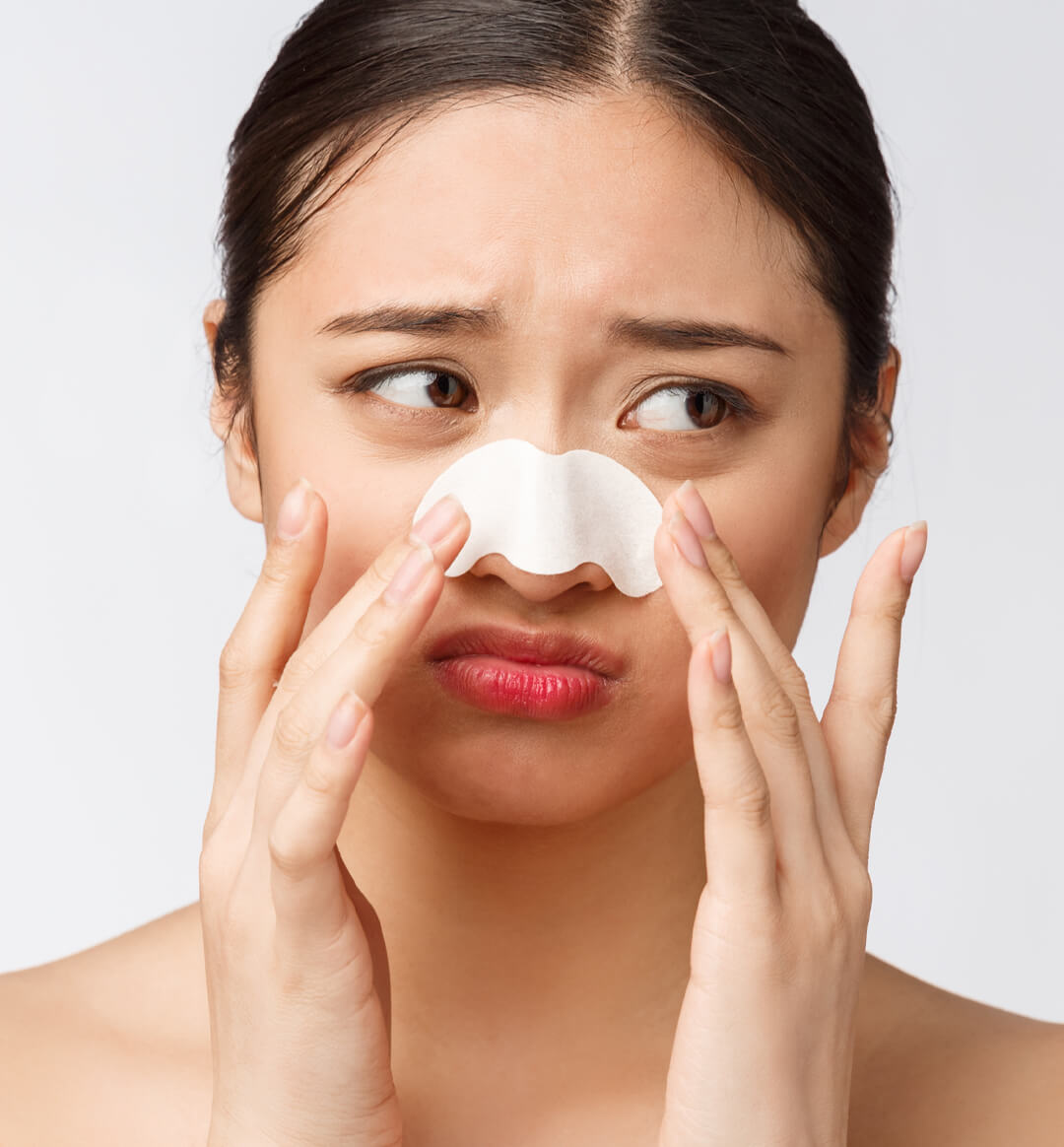
Blackheads are a common skin concern that affects nearly everyone at some point in their lives. These tiny black flecks are simply a natural part of having functioning hair follicles. While they may seem harmless, many individuals feel self-conscious about their appearance, prompting them to resort to various methods of removal that can sometimes harm their skin instead of helping it.
Understanding blackheads is crucial before we discuss effective removal techniques. Knowing their origin and how they develop can empower you to tackle this issue safely and effectively. Let’s delve deeper into the nature of blackheads so that we can approach their removal with confidence.
Understanding the Root Causes of Blackheads
Blackheads are different from whiteheads, which are often associated with acne. While hormonal imbalances frequently lead to whiteheads, blackheads form when your pores become clogged with a combination of oils, dirt, and dead skin cells. When these clogged pores are exposed to oxygen, they undergo a process known as oxidation, resulting in the characteristic dark color that gives blackheads their name.
Unlike whiteheads, which form closed pores, blackheads have open surfaces, making them less likely to cause inflammation. However, if left unchecked, clogged pores can irritate the skin over time. For this reason, maintaining a regimen to clear your pores daily can significantly enhance your skin’s overall health and appearance.
Essential Practices to Avoid When Dealing with Blackheads
Resisting the urge to pick or squeeze blackheads can be quite challenging, especially when using a magnified mirror. However, doing so can lead to scarring and further damage to your skin. It’s crucial to avoid this temptation as much as possible to maintain the integrity of your skin.
Maintain Proper Distance When Squeezing
If you still feel the need to extract your blackheads, minimize potential damage by following a few essential practices. Always start with clean hands, and keep your fingers further apart from the blackhead to ease its removal from a deeper level. When squeezing, reposition your fingers occasionally to avoid leaving marks from your fingernails.
Use Pore Strips Sparingly
Pore strips are a popular tool for blackhead removal, but their effectiveness comes with a caveat. While they can successfully remove excess sebum from clogged pores, they may also strip away beneficial oils and fatty acids that protect your skin. Since these strips cover a broad area, they can inadvertently affect healthy skin, leading to dryness and increased vulnerability to infections. Thus, they should be used with caution and moderation.
Be Cautious with Extraction Tools
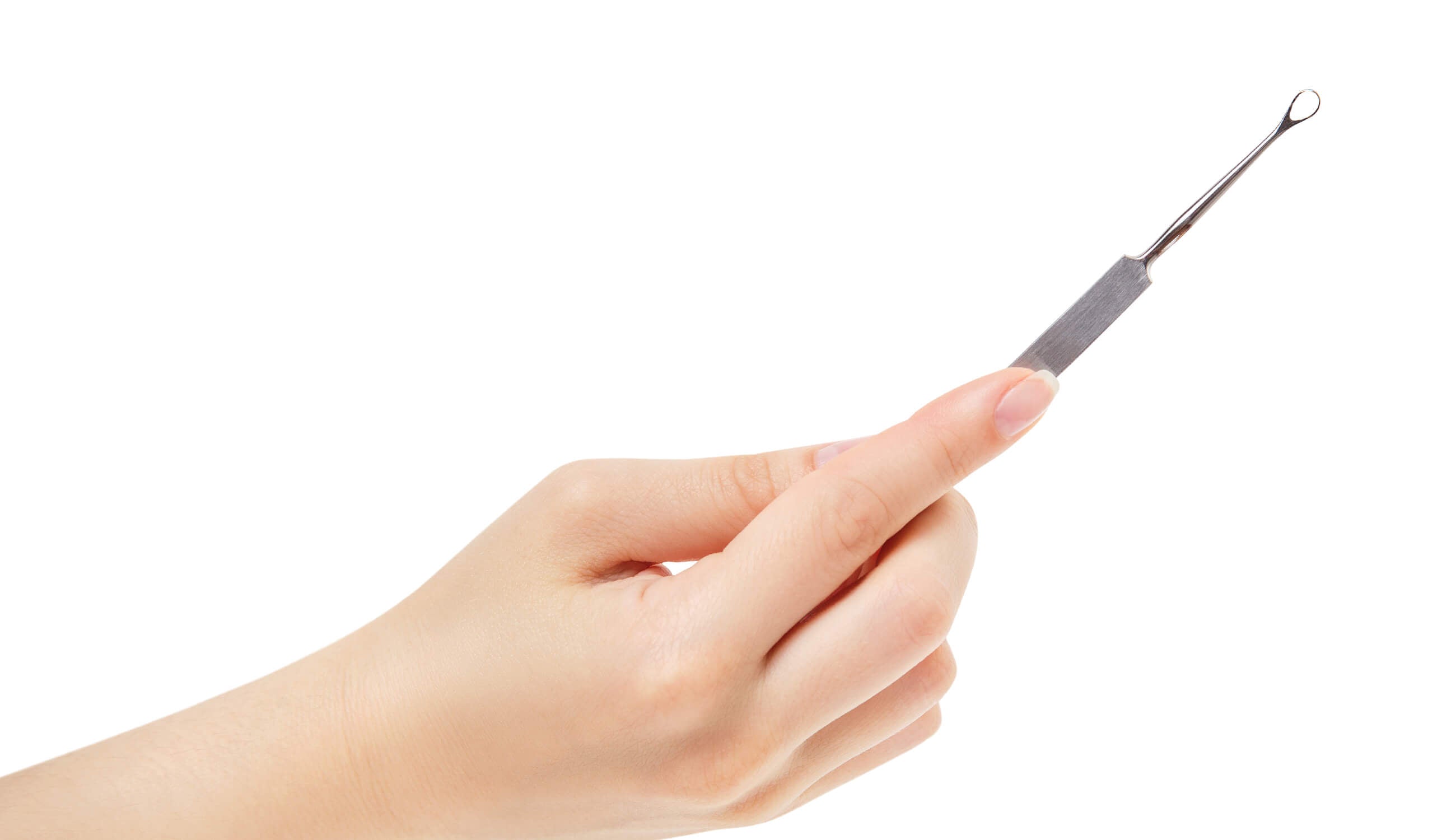
While various extraction tools are available for blackhead removal, it’s vital to research the brands thoroughly before use. Many products can be too harsh on the skin, often featuring sharp or abrasive edges that can cause more harm than good. Always opt for reputable brands to ensure your skin remains unharmed during the extraction process.
Consider Professional Skin Care Consultation
In addition to DIY methods, seeking professional assistance for blackhead removal is a wise option. A dermatologist can assess your skin and recommend the appropriate level of extraction needed. Among several options, they might suggest a chemical peel that effectively addresses clogged pores.
Chemical peels utilize alpha hydroxy acids, which gently exfoliate the skin’s top layer, revealing a smoother, more youthful complexion beneath. This treatment not only helps in reducing the appearance of blackheads but may also serve as an anti-aging solution by minimizing enlarged pores and promoting overall skin renewal.
Expert-Recommended Techniques for Safe Blackhead Removal
Incorporate Regular Exfoliation into Your Routine
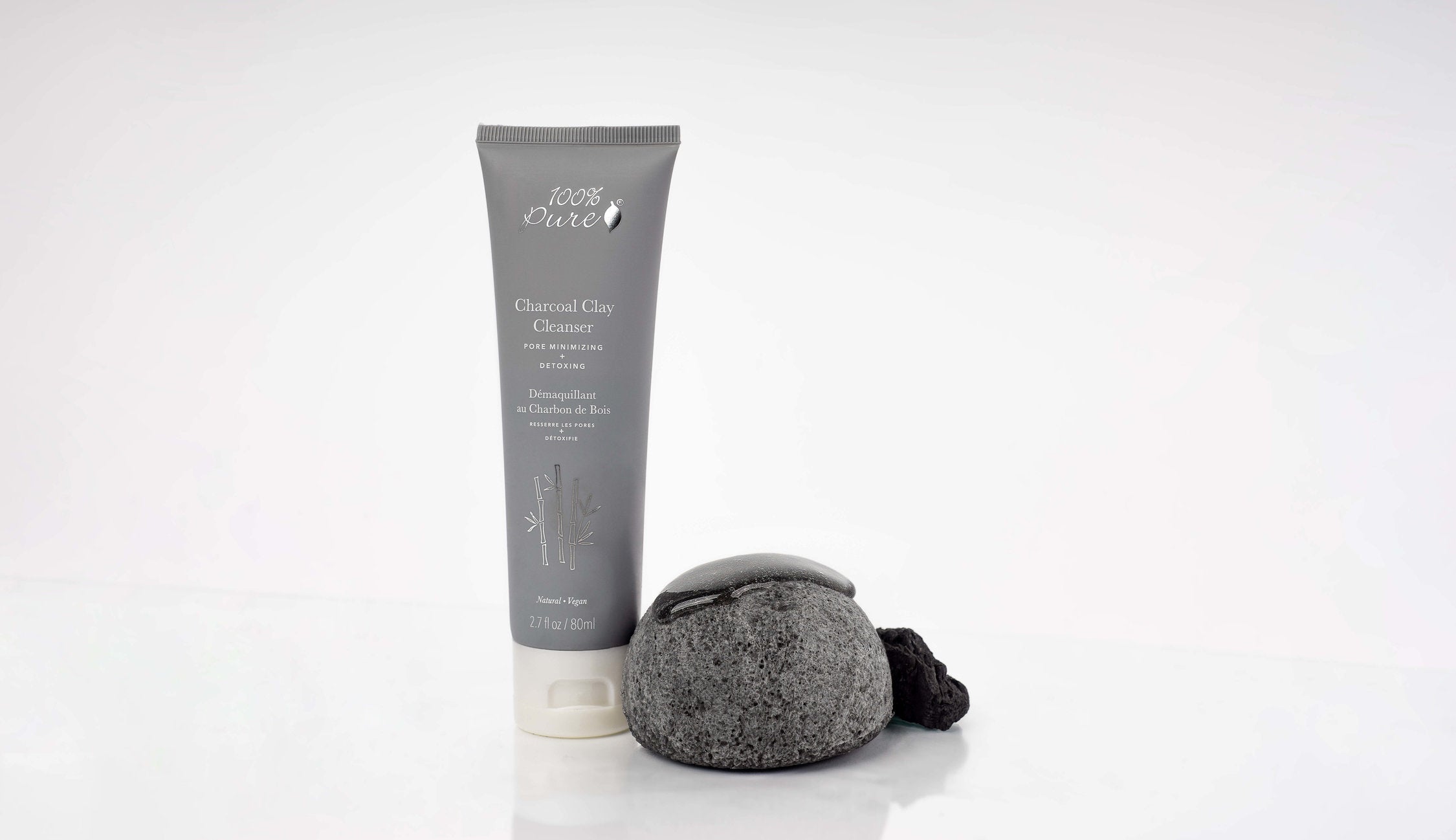
While there are many methods for blackhead extraction, the most effective strategy is prevention through consistent exfoliation. Individuals with oily or acne-prone skin can benefit from gentle daily exfoliation using products like the Pore Detox Herbal Cleanser, which contains antibacterial ingredients such as dandelion and neem, along with baking soda to loosen and remove clogging sebum.
Utilize an Exfoliating Sponge for Deep Cleaning
In addition to cleansers, using a natural, gentle exfoliating scrub can also help prevent blackhead formation. Our detoxifying Charcoal Konjac Sponge, made from konjac plant and bamboo charcoal, works like a magnet to purify the skin, effectively drawing out bacteria and impurities for a clearer complexion.
Select Non-Comedogenic Moisturizers
Maintaining an effective exfoliation routine is crucial for preventing blackhead buildup, but it’s equally important to choose a high-quality, non-comedogenic moisturizer daily. For example, the Green Tea EGCG Concentrate Cream contains low-risk ingredients like olive squalane and green tea oil, which provide hydration without clogging pores.
Incorporate Vitamin A into Your Skin Care Regimen
Vitamin A plays a vital role in blackhead prevention by helping to clear clogged pores and promoting skin cell renewal. When dead skin cells accumulate on the surface, they can contribute to blackhead formation. A topical retinol treatment at 1% concentration, applied at night, can effectively keep dead skin cells from blocking your pores.
This treatment enhances the skin’s cellular processes, leading to improved growth and shedding patterns, which subsequently reduces the likelihood of acne formation. As the outer layer of the skin thickens and evens out, the shedding of dead keratin material becomes more efficient.
Are you ready to bid farewell to blackheads? Explore our comprehensive guide on blackhead skincare, and combine your newfound knowledge with these effective blackhead removal strategies for noticeably clearer skin in no time!
Holistic Approaches to Preventing Blackheads
Preventing blackheads involves more than just the skincare products you apply; it requires adopting holistic habits that promote overall skin health. Here are several actionable strategies to incorporate into your daily routine for achieving clearer and healthier skin:
1. Avoid Touching Your Face Frequently
Constantly touching your face can transfer dirt, bacteria, and oils from your hands, increasing the likelihood of clogged pores. Make a conscious effort to keep your hands away from your face and always wash them thoroughly before starting your skincare routine.
2. Wash Your Face with Lukewarm Water
When cleansing your face, opt for lukewarm water instead of hot water, which can strip your skin of its natural oils and lead to dryness. Lukewarm water is gentle and effective for cleansing, as it maintains your skin’s moisture balance.
3. Regularly Clean Your Pillowcases and Towels
Your pillowcases and towels can collect bacteria, oils, and dead skin cells, which can transfer to your face and exacerbate blackhead formation. Make it a habit to wash these items at least once a week using a gentle, fragrance-free detergent to minimize potential irritants.
4. Ensure Adequate Hydration
Staying hydrated is essential for maintaining your skin’s natural barrier, keeping it healthy and resilient. Drink plenty of water daily and incorporate hydrating foods such as cucumber, watermelon, and leafy greens into your diet for optimal skin support from within.
5. Manage Stress Effectively
Chronic stress can trigger hormonal changes that increase oil production, leading to clogged pores and blackheads. Incorporate stress-reducing activities such as yoga, meditation, or regular exercise into your routine to maintain balance in both your skin and mind.
Common Questions About Blackhead Removal
1. Is it safe to extract blackheads at home?
Yes, home extraction can be safe if done carefully. However, improper techniques, such as squeezing too hard or using unclean tools, can lead to irritation and scarring. If you’re uncertain, professional extraction by a dermatologist is a safer alternative.
2. Does oily skin always result in blackheads?
Not necessarily. While excess oil can contribute to blackhead formation, it’s a combination of factors—such as dead skin cells and dirt—that ultimately clog the pores. Regular cleansing and exfoliation can effectively manage oil and prevent blackheads.
3. Can stress lead to blackhead development?
Yes, stress can elevate cortisol levels, a hormone that stimulates oil production. This excess oil can clog pores, resulting in blackheads. Managing stress through relaxation techniques can help mitigate this risk.
4. Are natural remedies effective for preventing blackheads?
Absolutely. Natural remedies like gentle exfoliation, steam treatments, and a balanced diet can effectively prevent blackheads. However, consistency is key to achieving noticeable results.
5. How can I prevent blackheads without over-drying my skin?
Focus on using gentle, non-abrasive exfoliation methods and avoid harsh cleansers. Ensure daily hydration with non-comedogenic moisturizers to maintain a healthy balance and prevent oil overproduction.
