


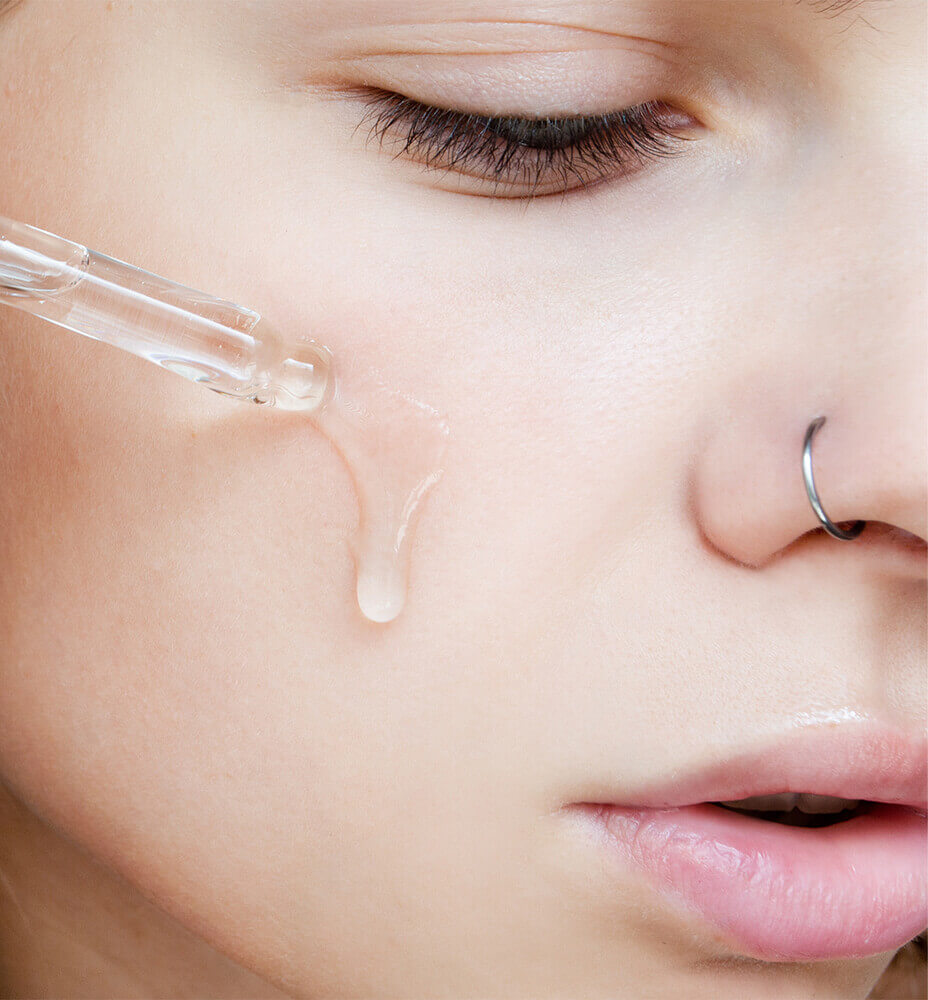
The resurgence of retinol in the world of anti-aging skin care has sparked interest, but are we truly utilizing the most effective options? Enter bakuchiol: a cutting-edge ingredient that has taken the beauty industry by storm.
We’re embarking on a friendly rivalry between these two powerful ingredients, aiming to discover whether bakuchiol or retinol holds the upper hand in combating the visible signs of aging. Join us as we explore their characteristics, mechanisms, and the myriad of benefits they offer for our skin. Get ready for a thrilling showdown of (retinol) rumble!
Understanding Bakuchiol: The Plant-Based Skincare Wonder
So, what exactly is bakuchiol? Despite its complex pronunciation (bah-koo-chee-all), this remarkable ingredient is simply a plant-derived alternative to the renowned skin care staple, retinol. It has gained immense popularity for its ability to deliver anti-aging benefits without the drawbacks associated with traditional retinol products.
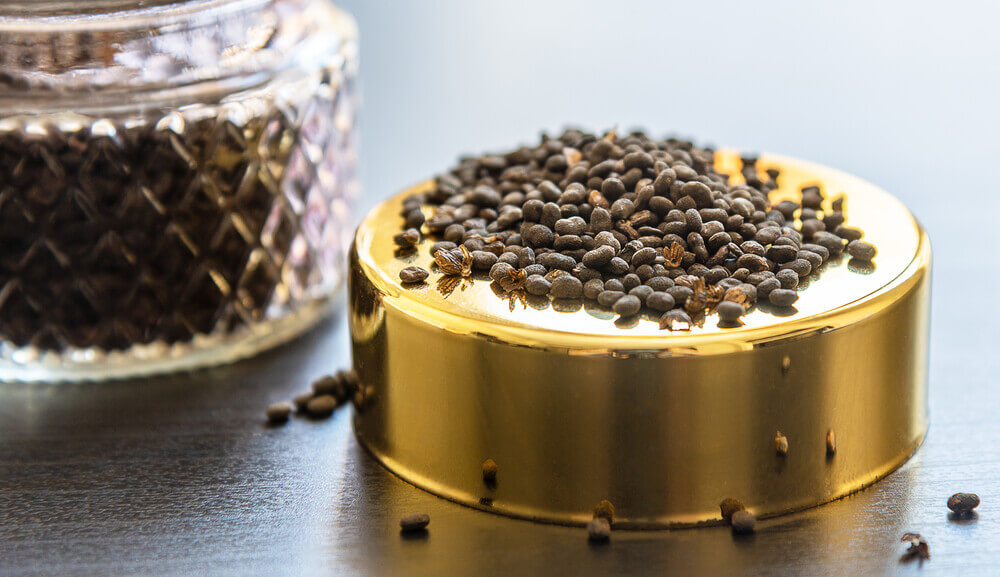
What is the source of this amazing ingredient? Bakuchiol is extracted from the seeds of the babchi plant, native to India, and it offers many of the same advantages as retinol. At 100% PURE™, we prioritize vegan-friendly formulations, and while some retinol products may not be suitable for vegans, bakuchiol presents a compelling alternative.
Bakuchiol is known to stimulate collagen production, a vital element in achieving smooth, youthful skin. By promoting skin cell repair, it helps reduce the appearance of fine lines and wrinkles and fosters a more even skin tone.
The advantage of bakuchiol lies in its compatibility with all skin types. Unlike retinol, which can heighten sensitivity to sunlight, bakuchiol provides a degree of sun protection, allowing it to be applied both day and night. This versatility means you may find bakuchiol featured in daytime products, such as our Bakuchiol Moisturizer. Additionally, regular use of bakuchiol typically does not lead to the dryness or irritation often experienced with retinol.
Quick Bakuchiol Facts:
- Vegan
- Suitable for all skin types
- A gentler alternative to retinol
- Encourages collagen production for smoother skin
- Enhances skin cell turnover for a brighter complexion
What are the potential drawbacks of bakuchiol? As a relatively new ingredient in the skincare realm, comprehensive studies comparing its efficacy and potential risks to those of retinol are still emerging. Preliminary research indicates that bakuchiol offers a gentler experience, making it particularly suitable for individuals with sensitive skin or those who are pregnant or breastfeeding.
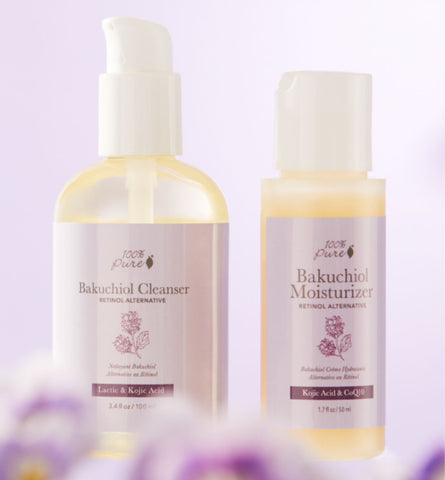
Introducing our NEW Bakuchiol Cleanser and Moisturizer!
We’ve developed this gentle yet effective duo to offer a safe and natural alternative to retinol. Our rejuvenating Bakuchiol Face Wash effectively removes impurities while promoting cellular turnover for a smoother complexion, and our antioxidant-rich Bakuchiol Moisturizer delivers intense hydration that boosts collagen production and diminishes the appearance of fine lines and wrinkles.
This powerful duo is perfect for those with skin that is too sensitive for retinol. The combination of Lactic Acid, Kojic Acid, and CoQ10 work synergistically to leave your skin feeling smooth, soft, and supple!

Retinol: The Gold Standard in Anti-Aging
Retinol and its derivatives, known as retinoids, are well-established components of anti-aging skin care, renowned for their ability to tackle various complexion concerns and improve skin texture. By encouraging the skin’s natural production of collagen, retinol effectively minimizes fine lines and wrinkles, leading to a brighter and more youthful appearance.
Prior to the rise of bakuchiol, retinol was the go-to choice for many. Its ability to enhance collagen production makes it an effective solution for achieving youthful skin, with results that improve over time. Retinoids are known for addressing issues such as large pores, fine lines, age spots, and blemishes, but they also come with certain drawbacks.
The potency of retinoids is notable, and even stronger formulations are available via prescription. However, the strength of retinol can make it unsuitable for those with sensitive skin. While retinoids are commonly found in creams and serums, low-quality formulations can lead to unwanted dryness, irritation, or increased sun sensitivity if not used correctly.
Essential Retinol Facts:
- Available in various strengths and formulations
- Proven anti-aging properties for smoother skin with fewer lines
- Brightens the skin and evens out complexion
- Highly effective with consistent use
- Boosts skin cell turnover for youthful radiance
- Backed by extensive clinical and public use
While we have a deep appreciation for retinoids, we acknowledge that they may not suit everyone. Notably, certain retinoids (though not ours) are derived from animal products, making them unsuitable for vegans.
Moreover, retinol can increase sun sensitivity, necessitating a strict SPF regimen during use. Its potent nature can also lead to inflammation for individuals with sensitive skin types.
Comparing Bakuchiol and Retinol: Which is Superior?
To truly understand which ingredient might be best for you, let’s delve into the key differences between bakuchiol and retinol.
A significant distinction is that while bakuchiol is consistently vegan and plant-based, not all retinoids share this characteristic. Some retinol products originate from plant sources like squash, carrots, and cantaloupes, but others may derive from animal byproducts, making bakuchiol a more attractive choice for vegans and those avoiding animal products.
The comparison is possible because both bakuchiol and retinol serve similar functions. They are effective in combating signs of aging, including enlarged pores, fine lines, age spots, blemishes, and wrinkles. Retinol has long been regarded as a top-tier product for achieving a radiant, ageless complexion.
We must also consider their potency, effectiveness, and compatibility with different skin types. As previously mentioned, bakuchiol is suitable for all skin types, including sensitive skin, though it tends to be less potent than retinol. Retinol boasts a stronger body of research confirming its efficiency and associated risks.
In terms of benefits, both ingredients hold their own; however, retinol may have a slight edge when it comes to performance. Nevertheless, due to bakuchiol‘s compatibility with a broader range of skin types, it could be considered the superior choice overall.
Selecting the Ideal Night Cream for Optimal Anti-Aging Effects
When it comes to addressing fine lines, wrinkles, and loss of firmness, your choice of night cream plays a pivotal role in achieving desired results. With countless options available, how do you determine the best fit for your skin? The key lies in recognizing why nighttime is ideal for skin repair and which ingredients deliver significant anti-aging benefits.
The Importance of Nighttime for Skin Repair
Throughout the day, your skin faces numerous stressors such as UV rays, pollution, and free radicals. However, at night, your skin enters a restorative phase—making it the perfect time to apply potent, active ingredients.
- The skin’s natural repair mechanisms are most active overnight – During sleep, your body ramp up cell turnover and collagen production, aiding in damage repair and promoting a youthful glow.
- Improved absorption – Active ingredients like bakuchiol, retinol, and peptides penetrate more deeply during the night when the skin’s barrier is more permeable.
- Reduced exposure to environmental stressors – Without UV rays or pollution interfering, your skin can fully focus on absorbing and utilizing the anti-aging ingredients in your night cream.
Key Ingredients for an Effective Night Cream
The best night cream should be formulated with high-quality ingredients that work synergistically with your skin’s natural nighttime renewal process. Look for:
- Bakuchiol – A plant-based alternative to retinol, it boosts collagen production and minimizes fine lines without causing irritation, making it perfect for sensitive skin.
- Retinol – Known as the gold standard for anti-aging, retinol accelerates cell turnover, smooths fine lines, and enhances skin texture. Our Retinol Rosehip Face Cream combines retinol with nutrient-rich rosehip oil for maximum effectiveness.
- Peptides – These essential amino acid chains support collagen and elastin production, strengthening the skin’s structure and enhancing elasticity.
- Hyaluronic Acid – A hydration powerhouse, it replenishes moisture, plumps skin, and reduces the visibility of fine lines overnight.
- Niacinamide – This versatile vitamin brightens the skin, diminishes hyperpigmentation, and calms redness for a more even complexion.
Integrating the Best Night Cream into Your Skincare Routine
To ensure you reap the maximum anti-aging benefits from your night cream, follow these straightforward steps:
- Apply after cleansing and toning – Starting with a clean canvas allows active ingredients to penetrate effectively. Using a gentle cleanser like our Bakuchiol Face Wash encourages skin renewal.
- Introduce retinol-based formulas gradually – Use retinol 2-3 times a week initially to minimize irritation, then increase frequency as your skin adjusts.
- Layer with a hydrating serum – When using potent ingredients like retinol, applying a hydrating serum before your cream can prevent dryness and enhance results.
- Finish with a Bakuchiol Face Oil – For added nourishment, a face oil can lock in moisture while delivering essential antioxidants.
By selecting a night cream filled with the right ingredients and using it consistently, you are providing your skin with the best opportunity to repair, rejuvenate, and awaken looking radiant.
Final Thoughts: Choosing Between Bakuchiol and Retinol
In summary, bakuchiol serves as a plant-based substitute for animal-derived retinol. Its gentler nature makes it suitable for a broader range of skin types, although it may not be as effective overall.
Let’s explore which options are best suited for different skin types and concerns.
For Sensitive, Acne-Prone, or Reactive Skin
If you identify with having sensitive or reactive skin, it’s wise to start with the gentler bakuchiol. This ingredient provides anti-aging benefits inclusively for sensitive skin types, and it can help minimize enlarged pores that often contribute to acne breakouts.
For Vegans
Bakuchiol is the superior vegan option because it is entirely plant-based. While some plant-derived retinol alternatives exist, bakuchiol remains a completely natural choice that anyone can confidently use.
For Post-Acne Skin
After conquering blemishes and breakouts, transitioning to a new skincare routine is often essential. If fading acne scars is a primary objective, retinol may be the more effective option. Its ability to reduce pore size and promote consistent acne control makes it invaluable.
For First-Time Users
If you’re open to trying either ingredient, consider starting with the gentler option, bakuchiol. This allows you to gauge how your skin reacts before transitioning to a more potent retinol treatment. After a few months of consistent use, switching to a stronger retinol can help rejuvenate your skin and effectively target any lingering signs of premature aging or hyperpigmentation.
For Seasonal Skincare Adjustments
Just as we adjust our wardrobe for seasonal changes, our skincare routine should also evolve. Given that retinol can increase sun sensitivity, it may be best utilized during the fall or winter months when outdoor exposure to UV rays is limited—unless you are diligent about maintaining a strict sunscreen regimen!
Your Most Common Questions Answered
What sets bakuchiol apart from retinol in terms of anti-aging effects?
Both bakuchiol and retinol stimulate collagen production, smooth fine lines, and enhance skin texture, but they accomplish these results differently:
- Bakuchiol is a plant-based alternative that provides comparable anti-aging benefits without the irritation or dryness typically associated with retinol. It’s suitable for all skin types, including sensitive skin.
- Retinol promotes rapid cell turnover and is clinically demonstrated to reduce wrinkles and hyperpigmentation more quickly. However, it may lead to redness, peeling, and sensitivity, particularly for first-time users.
Can bakuchiol and retinol be combined in a skincare regimen?
Absolutely! Combining bakuchiol and retinol can amplify anti-aging benefits while minimizing irritation. Bakuchiol helps stabilize retinol and can mitigate some of its harsher side effects. To effectively use them together:
- Apply bakuchiol in the morning and retinol at night for a balanced approach.
- When using both in the same routine, start with a bakuchiol serum followed by a retinol night cream.
- Always use a hydrating moisturizer and an SPF during the day to shield your skin.
Which is the best night cream for sensitive skin: bakuchiol or retinol?
For sensitive skin, bakuchiol is the more suitable option. It delivers comparable anti-aging results to retinol without the associated risk of irritation, dryness, or peeling. If you wish to experiment with retinol, opt for a lower concentration and buffer it with a hydrating moisturizer.
How do peptides enhance the effectiveness of anti-aging products?
Peptides are short chains of amino acids that serve as the building blocks for collagen and elastin.
They enhance anti-aging treatments by:
- Strengthening the skin barrier, increasing its resilience against environmental damage.
- Boosting collagen production to enhance firmness and elasticity.
- Reducing inflammation and supporting skin repair when used alongside ingredients like retinol or bakuchiol.
Are there side effects associated with using bakuchiol or retinol, and how can they be minimized?
Both ingredients are generally considered safe, but they may have side effects:
- Retinol: Common side effects include dryness, peeling, redness, and increased sun sensitivity. To reduce irritation, use it 2-3 times a week, apply a moisturizer afterward, and wear sunscreen daily.
- Bakuchiol: Rarely causes irritation, but patch testing prior to use is always a good idea.
If discomfort occurs, try applying your night cream over a hydrating serum or using a lower concentration of retinol to allow your skin to gradually acclimate.