


The contemporary beauty market is increasingly accessible, transforming the landscape for those who previously faced challenges in finding vegan or cruelty-free makeup. This significant shift away from harmful products towards natural formulas includes a rising demand for talc-free options, with powders now regarded as the ‘talc of the beauty town’.
There’s an exciting surge in interest for talc-free alternatives, particularly in products like finishing and setting powders. This demand arises from growing concerns about the safety of talc in cosmetics, yet for many, understanding these powders can be somewhat perplexing.
Fear not! This comprehensive guide will explore the pros and cons of talc, clarify whether talc-free powders are better for your skin, and differentiate between finishing powders and setting powders. With this understanding, you’ll be equipped to make informed choices for your beauty routine. Let’s dive into the crucial discussion on safer, more skin-friendly, and talc-free alternatives!
Understanding Talc: Its Popularity and Use in Cosmetics
Talc Essentials: Key Insights
Talc is a naturally occurring mineral composed primarily of magnesium silicate, which includes significant amounts of magnesium, silicon, and oxygen. This mineral is commonly incorporated into cosmetic formulations to enhance texture, absorb moisture, and prevent clumping.
Because of these properties, talc appears to be an ideal ingredient in a variety of powder products—from foundation to blush to eyeshadows. In fact, if a product has a powdery texture, there’s a high likelihood that it contains talc.
The saying goes, “talk is cheap,” but in this scenario, talc is indeed cost-effective. This ingredient is readily available and inexpensive, making it a popular choice in makeup formulations. It serves as a cost-efficient bulking agent that effectively absorbs oils, resulting in a smooth, matte appearance.
Talc’s Ubiquity in Conventional Makeup is largely due to its low cost and its ability to enhance product texture without significantly raising production expenses. Its affordability allows manufacturers to maintain lower production costs while achieving desired effects in a wide range of makeup products.
A Historical Overview of Talc in Beauty Products
The use of talc in makeup has deep historical roots, tracing back to ancient civilizations such as Egypt, where it was prized for its oil-absorbing properties and ability to create a matte finish. Its inert nature also made it an ideal base for other cosmetic components. Over time, talc’s use expanded globally, becoming a staple in products like baby powders and face powders.
Let’s delve deeper into talc’s historical roles in beauty:
Usage in Ancient Civilizations:
In ancient Egypt, talc was utilized in face powders and as a base for eye makeup.
Matte Finish and Oil Absorption:
Its absorbent capabilities rendered it perfect for achieving a velvety matte finish, a coveted look across multiple cultures.
Foundation for Makeup:
Thanks to its inert qualities, talc acted as a base for various cosmetic ingredients, facilitating effective formulation and application.
19th Century and Beyond:
During the 19th century, talc gained fame as a key ingredient in baby powders, face powders, and other makeup items, including setting powders and eyeshadows.
20th Century Popularity:
The 20th century saw a boom in talc-based baby powders, widely marketed for their soothing and protective benefits for sensitive skin.
21st Century Decline: Modern Concerns and Alternatives
Despite its rich history, contemporary apprehensions about talc’s safety—especially regarding potential asbestos contamination—have spurred the creation of talc-free alternatives. These alternatives include ingredients like mica, silica, and arrowroot powder, which deliver similar textures and matte effects without the health risks associated with talc.
Understanding the Controversy Surrounding Talc
Risks of Asbestos Contamination:
Given its myriad potential applications, why has talc become a topic of controversy in the realm of makeup today? While talc may appear safe at a glance, deeper investigation reveals risks associated with asbestos contamination due to talc’s natural occurrence. Asbestos is a known carcinogen, posing significant health risks such as mesothelioma and various respiratory diseases.
Contamination with asbestos can occur during the mining of talc. Although asbestos isn’t deliberately included in cosmetics, it often coexists with talc in natural deposits, increasing the chance of contamination without stringent separation measures.
So, what measures are in place to monitor and regulate possible asbestos contamination in cosmetics? The Food and Drug Administration (FDA) has established guidelines and has conducted tests on cosmetic products for asbestos, discovering contamination in some cases. This has prompted the FDA to propose regulations aimed at safeguarding consumers from harmful exposure to asbestos in talc-containing cosmetic products.
Under the proposed regulations, manufacturers of talc-containing cosmetics would be mandated to conduct asbestos testing using approved methods, ensuring the safety of their products. Furthermore, they would be required to maintain records demonstrating compliance with these regulations.
While larger companies may withstand the financial burdens of non-compliance, smaller manufacturers face significant challenges in implementing the required asbestos testing and record-keeping as stipulated by the proposed regulations.
Key concerns revolve around the costs and logistical challenges of establishing internal testing capabilities or collaborating with accredited laboratories, particularly for smaller businesses with limited resources. Additional worries include reliance on supplier certificates, adherence to record-keeping requirements, and potential legal ramifications under the proposed regulations.
Health and Skin Issues Linked to Talc:
Respiratory Problems from Loose Powders
Inhaling loose talc powder can lead to numerous respiratory issues, including cough, difficulty breathing, and in severe cases, acute pulmonary injury from talc inhalation, which can manifest as fibrosis and pulmonary arterial hypertension. Chronic exposure can result in granulomas and restrictive pulmonary diseases.
Ongoing Debate on Potential Cancer Associations
The connection between talc and cancer, particularly ovarian cancer, remains a contentious topic. While certain studies indicate a potential link between talc use—especially in genital applications—and an increased risk of ovarian cancer, other studies have found no significant correlation. This debate is further complicated by the fact that talc can be tainted with asbestos, a recognized carcinogen.
Skin Irritation and Dryness, Especially for Sensitive or Mature Skin
Talc may instigate skin issues such as irritation and dryness, particularly for those with sensitive or mature skin types. As a mineral, talc has moisture-absorbing properties, which can lead to dryness upon application. Additionally, some individuals may experience allergic reactions or irritation from talc, particularly those with pre-existing sensitive skin conditions.
Components of Talc-Free Powder
Numerous brands are opting for safer, natural alternatives in place of talc. Talc-free cosmetics utilize ingredients such as mica, silica, and others, as detailed below, to replicate the textures and absorbency provided by talc-containing products while eliminating the associated risks.
Ingredients in Talc-Free Formulas:
Silica – A mineral renowned for its oil-absorbing capabilities, it smooths skin, blurs imperfections, and creates a matte finish.
Mica – A naturally occurring mineral that imparts a silky texture, smooth finish, and subtle luminosity.
Kaolin Clay – A gentle, natural clay ideal for sensitive skin, kaolin clay absorbs oil and contributes to a matte complexion.
Cornstarch & Rice Powder – Plant-based starches, both cornstarch and rice powder, absorb moisture and produce a soft, matte texture, serving as natural, plant-derived alternatives.
Sericite – A type of mica, sericite offers a silky, matte finish, extends color pigments, and promotes adherence to skin.
Performance Insights on These Ingredients
Despite talc’s long-standing presence in cosmetics, it does not imply that this powdery mineral is beneficial for your skin or health. Thankfully, we’ve gained insight into the potential health risks associated with talc powder.
Let’s explore the performance of these talc-free makeup ingredients and how they compare to talc. They provide similar textures and absorbency as talc-containing products without the associated risks.
Silica:
In the realm of makeup, both silica and talc function as absorbent powders; however, silica offers benefits such as enhanced flow and compressibility, establishing it as a viable alternative to talc.
Mica:
Mica imparts a pearlescent sheen and is frequently employed in highlighters and shimmery eyeshadows, whereas talc typically produces a matte and dry finish, commonly found in powders. Mica is celebrated for its reflective properties, enhancing skin luminosity, while talc results in a more muted appearance.
Kaolin Clay:
Both ingredients are utilized for oil absorption and to achieve a smooth, matte finish; however, talc is often linked to potential health risks due to possible asbestos contamination, while kaolin clay is regarded as a safer, more natural alternative.
Rice & Cornstarch:
These plant-derived alternatives are routinely used in makeup, particularly in powders such as setting powders and blushes. They provide comparable oil-absorbing and mattifying properties to talc while circumventing the health hazards associated with talc, like asbestos contamination.
Sericite:
While sericite and talc are utilized in makeup as mineral powders, they offer different benefits and characteristics. Sericite delivers a smooth, soft-focus effect that can enhance product performance, whereas talc absorbs moisture excessively, resulting in a matte, somewhat dull finish.
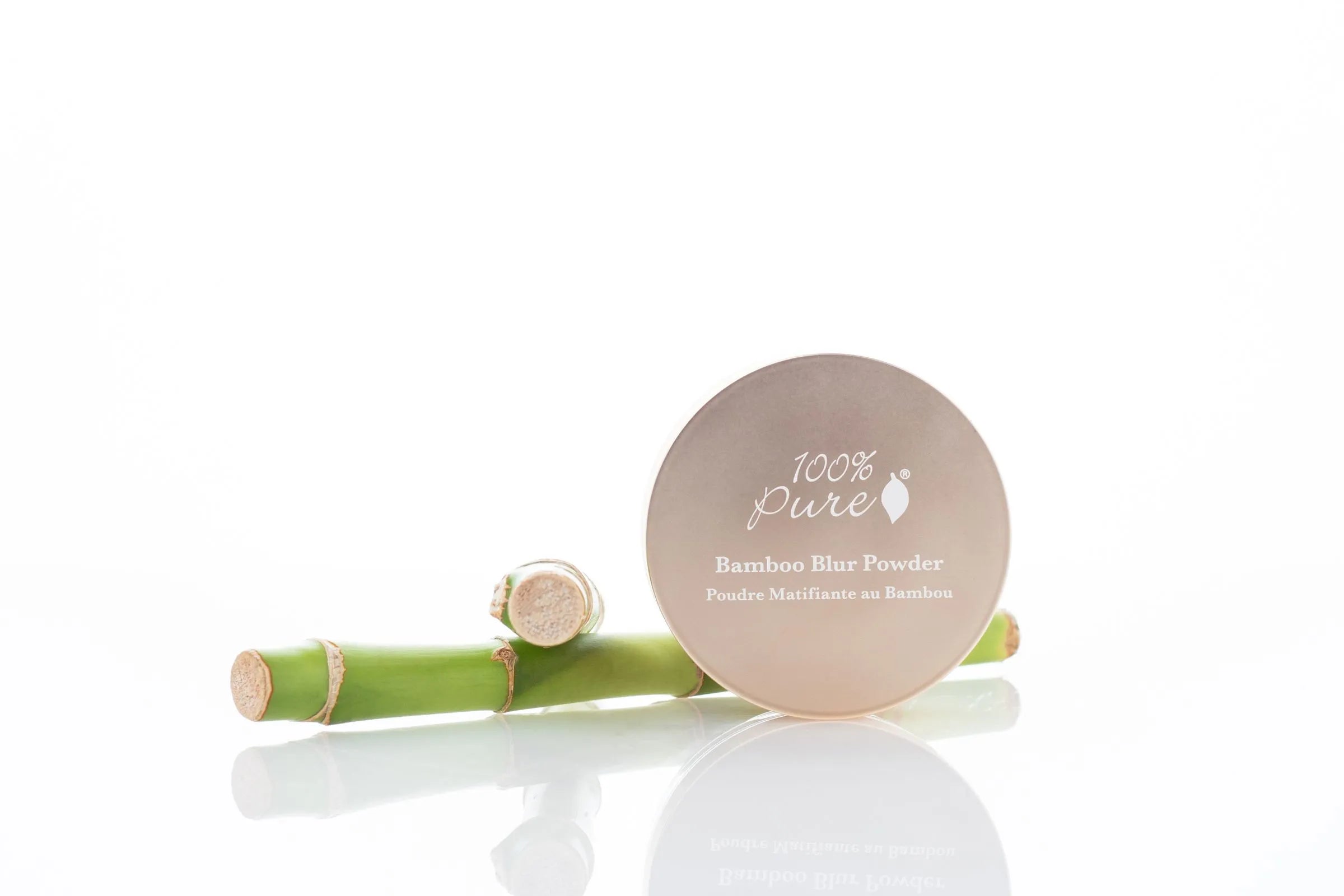
Experience a high-performance talc-free product: The 100% PURE Bamboo Blur Powder is an ultra-lightweight powder featuring finely milled bamboo silica, resulting in a silky, oil-absorbing finishing powder that beautifully refracts light for a soft finish. Its talc-free formulation blurs imperfections while effectively setting your makeup for flawless, all-day wear.
Distinguishing Between Finishing Powder and Setting Powder
If you’ve ever wondered about the difference between setting powder and finishing powder, you’re not alone! Many makeup enthusiasts use these terms interchangeably, yet they fulfill distinct roles in achieving a flawless makeup look.
Grasping the differences between finishing powder and setting powder is crucial for obtaining the long-lasting, photo-ready appearance you desire. Let’s clarify any misconceptions surrounding these products, ensuring you can confidently select the ideal addition to your makeup arsenal.
Defining Setting Powder
Setting powder is your secret weapon for maintaining makeup throughout the day.
Locks Makeup in Place and Controls Shine:
A setting powder effectively absorbs excess oils and secures liquid and cream products, such as foundation and concealer, ensuring they stay in place. This prevents creasing, smudging, and fading, providing a fresh, flawless look that lasts for hours.
Ideal for Oily or Combination Skin:
One of the standout advantages of setting powder is its shine-controlling ability. If you battle oily skin or find your makeup sliding off during the day, a quality setting powder can be your solution.
Applied Immediately After Foundation or Concealer:
To maintain a crease-free and oil-free look all day, applying setting powder right after your foundation and concealer is essential. This locks in your base, ensuring a fresh appearance from morning until night.
Best for Longevity:
When it comes to makeup longevity, setting powder is the ultimate MVP. By applying it post-foundation and concealer, you guarantee your base remains intact, even in heat and humidity.
Defining Finishing Powder
While setting powder secures your makeup, finishing powder is all about that polished final touch.
Blurs Texture and Softens the Appearance of Pores or Fine Lines:
If you’ve ever noticed texture, fine lines, or visible pores post-foundation, a finishing powder can effectively blur those imperfections, lending a seamless effect.
Lightweight and Often Luminous:
Finishing powders are crafted to be lightweight and often possess luminous qualities, creating a soft-focus, polished finish without adding undue weight or coverage.
The Final Step for a Polished Look:
Unlike setting powder, which emphasizes longevity, finishing powder focuses on aesthetic enhancement. It softens harsh lines and provides a lightweight veil of perfection, making it ideal for special occasions, photography, or whenever you desire that extra-polished appearance.
Spotlight on 100% PURE Products
Highlighting the Best Setting Powder:
A prime example of a high-performance setting powder is the 100% PURE Bamboo Blur Powder. This talc-free formulation blurs imperfections while securing your makeup for a long-lasting, soft-focus finish. Its natural ingredients offer a clean beauty option without sacrificing efficacy.
Highlighting the Best Luminous Finishing Powder:
The 100% PURE Gemmed Luminizer employs light-reflecting minerals and gemstones to achieve glowing, luminous skin. Infused with antioxidant-rich fruit pigments and skin-softening avocado and cocoa butters, this radiant luminizer is enhanced with superfine powders from multifaceted gemstones, including sunstone, moonstone, pyrite, and opal.
The Benefits of Choosing Talc-Free Makeup for Your Skin
Opting for talc-free cosmetics presents numerous advantages, particularly in terms of skin health and environmental sustainability. By selecting talc-free makeup, you contribute to a more eco-friendly approach to beauty, as talc mining and processing can negatively impact the environment.
Let’s explore the numerous benefits of transitioning to talc-free products:
Advantages of Embracing Talc-Free Products
Reduced Risk of Irritation or Allergic Reactions:
Talc can cause skin dryness and exacerbate conditions like eczema, especially with prolonged use. Talc-free products typically incorporate alternative ingredients that are more hydrating and less likely to irritate the skin. While not everyone experiences allergies to talc, some individuals may encounter skin reactions such as redness, itching, or rashes when using talc-based products. Talc-free makeup helps you avoid these potential allergens.
Gentler for Dry, Sensitive, or Mature Skin:
Selecting talc-free alternatives is an excellent choice for individuals with dry, sensitive, or mature skin, as talc can contribute to dryness and irritation, potentially aggravating skin conditions like eczema or leading to breakouts. Furthermore, talc-free products are typically non-comedogenic, meaning they do not clog pores, which is beneficial for individuals with acne-prone or oily skin. Additionally, talc-free alternatives are often the best makeup choice for older women, utilizing gentler, natural ingredients like mica, silica, or kaolin clay to provide similar benefits without potential harm.
Safer for Individuals Concerned About Airborne Particles:
Some studies suggest a link between talc exposure and respiratory issues, along with long-term health risks. Research indicates that talc particles and fibers can persist in the lungs for decades following exposure. Inhalation of asbestos fibers can lead to serious health risks, including mesothelioma, lung cancer, and asbestosis.
Considerations When Choosing Talc-Free Products
Talc-Free Powders May Require Different Application Techniques:
Talc-free powders often necessitate different application techniques compared to conventional talc-based powders, as talc acts as a bulking agent and texture enhancer. Without talc, these powders might feel lighter and require a different approach to achieve similar results.
Let’s examine various powder application techniques to determine what works best in your makeup routine.
Application Techniques for Talc-Free Powders:
Texture and Application:
Talc-free powders are generally finely milled and lightweight, often providing a more sheer and natural finish. Overapplication may lead to a cakey appearance or highlight any underlying texture.
Coverage:
Talc-free powders may not deliver the same coverage levels as talc-based powders, especially in pressed forms, due to talc’s role in creating a more opaque and buildable formula.
Application Tools:
Although brushes are a standard tool for applying both types of powders, some talc-free powders may perform better when applied with a cosmetic sponge, especially for achieving a more even and blended finish.
Setting Techniques:
When using a talc-free powder for setting, a light dusting or a powder “baking” method (allowing the powder to sit on the skin briefly before removing excess) may yield more effective results than heavily applying the powder.
May Require More Frequent Touch-Ups:
Talc-free cosmetics often utilize alternatives like mica, silica, or arrowroot powder. These alternatives might not absorb as much oil as talc does, potentially leading to shine and necessitating more frequent touch-ups.
Not Always “Better”—Depends on Formulation and Skin Type:
Whether talc-free makeup is superior to talc-based options is subjective and largely hinges on individual formulation and skin type preferences. Ultimately, the best choice depends on what suits your skin and the makeup look you aim to achieve.
Discovering the Best Talc-Free Makeup
#1. Start with a Luminous Primer for Enhanced Makeup Grip
To prepare for powder application, begin with a primer that establishes a smooth, shine-free canvas. Setting powders boost makeup grip and durability.
The 100% PURE Luminous Primer diffuses pores and adds illumination while creating a smooth foundation base. It enhances radiance for dry or lackluster complexions, providing dewiness without shine for oily skin and a youthful glow for mature skin.
#2. Pair with Foundation for a Flawless Base
The 100% PURE Fruit Pigmented® 2nd Skin Foundation Serum offers an antioxidant-rich formula that provides anti-aging benefits to promote youthful plumpness while minimizing the appearance of fine lines and wrinkles. This natural finish foundation offers seamless and adjustable medium to full coverage.
For an ultra-light, hydrating, and skin-friendly foundation, the Fruit Pigmented® Full Coverage Water Foundation is a must-try. This formula delivers a flawless, second-skin effect using natural pigments derived from fruits, making it an exceptional, skin-friendly option for breathable coverage.
#3. Apply Concealer to Areas Prone to Creasing Before Setting
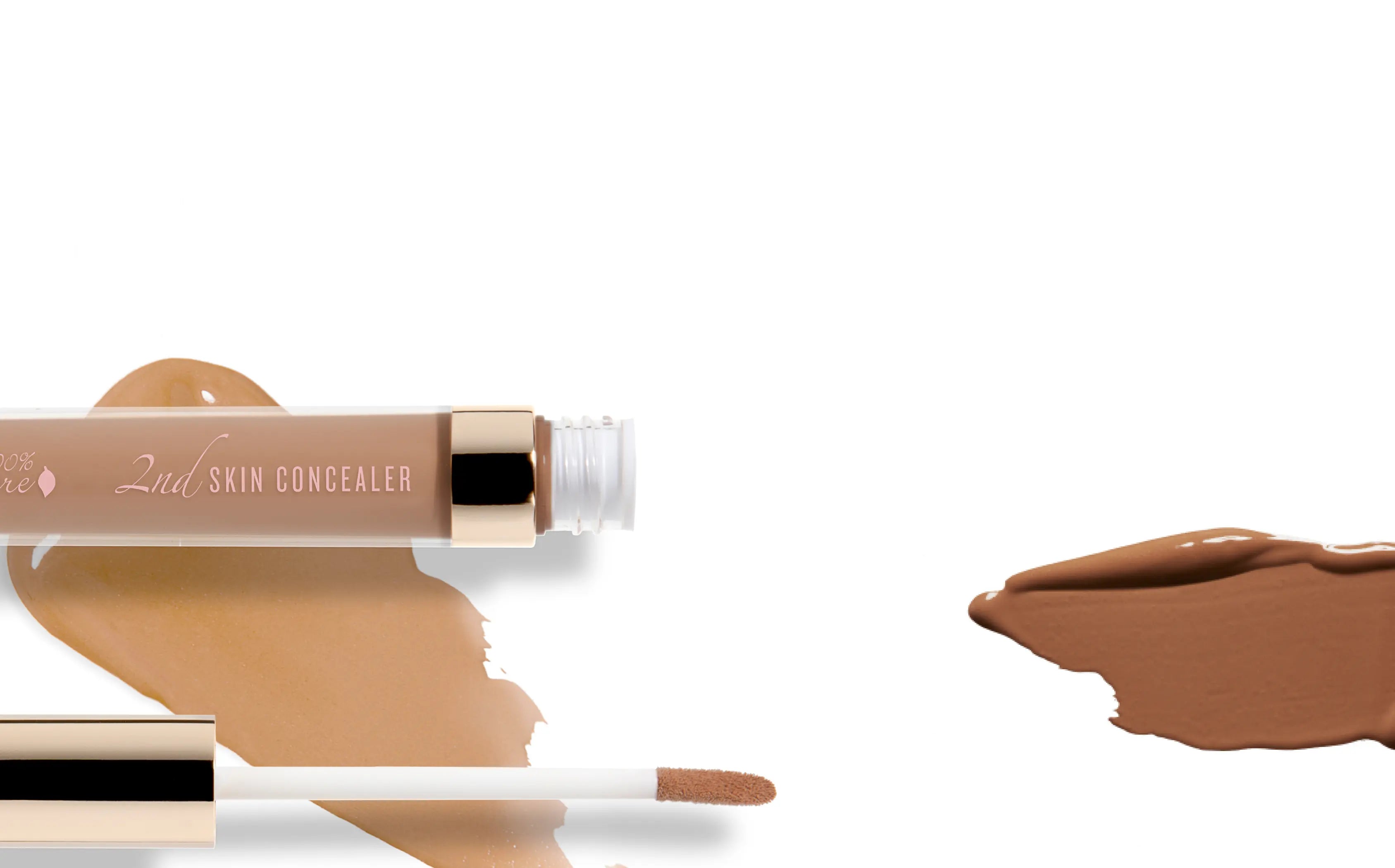
The 100% PURE Fruit Pigmented 2nd Skin Concealer is a luxuriously silky natural concealer infused with hydrating olive squalane and colored with fruit pigments. This lightweight, complexion-perfecting concealer is ideal for spot concealing, highlighting, contouring, or all-over coverage.
Identifying Who Should Opt for Talc-Free Makeup
Ideal For:
Individuals with Known Sensitivities or Allergies:
People with known sensitivities or allergies should turn to talc-free makeup, as talc can provoke skin irritation, breakouts, and allergic responses, particularly for sensitive skin types. Talc can also clog pores, exacerbate existing skin conditions, and may contain asbestos, posing a health risk. Conversely, talc-free alternatives often utilize safer, more natural ingredients.
Those with Dry, Reactive, or Mature Skin:
Individuals with dry, reactive, or mature skin should favor talc-free makeup, as talc can worsen dryness, irritation, and may contain asbestos, a known carcinogen. Talc-free alternatives tend to be gentler, less likely to cause irritation, and are better suited for sensitive skin types. Talc-free cosmetics are frequently regarded as the best makeup choice for older women.
Anyone Seeking Cleaner, Plant-Based, or Mineral Alternatives:
Individuals pursuing cleaner, plant-based, or mineral alternatives should consider talc-free options to minimize exposure to potential health risks and environmental concerns. Talc-free alternatives typically incorporate gentler, natural ingredients that are safer for sensitive skin and may contribute to environmental sustainability.
Makeup Artists or Those Frequently Exposed to Powders:
Makeup artists and individuals frequently working with powder products should opt for talc-free makeup to reduce the risk of inhaling asbestos, a known carcinogen. Asbestos contamination in talc, particularly in products like loose powders, can result in serious health issues, including lung cancer and mesothelioma.
Advocates of Clean Beauty:
Clean beauty advocates should gravitate toward talc-free makeup, as talc can be contaminated with asbestos, a recognized carcinogen. Although talc itself doesn’t directly cause cancer, the potential for asbestos contamination presents a significant health concern. Talc-free alternatives are often formulated with safer, natural ingredients, making them a healthier and more environmentally friendly choice.
Maximizing Results with Talc-Free Powder
Application Tips for Success
Use a Patting Motion Instead of Sweeping to Avoid Patchiness:
To prevent patchiness while applying talc-free powder, it’s generally better to use patting motions rather than sweeping strokes. Sweeping can displace the powder and lead to clumping or uneven coverage, whereas patting allows the powder to settle into the skin, resulting in a more uniform and long-lasting finish.
Allow Cream or Liquid Products to Set Before Applying Powder:
To ensure proper setting, apply cream or liquid products—like foundation, concealer, and blush—prior to applying powder. Allow a brief moment for the product to “set” or dry slightly, but avoid waiting too long for it to become completely dry before applying your talc-free powder.
Utilize a Clean Brush or Puff for Even Distribution:
For even application of powder makeup, use a clean, fluffy brush or a powder puff. Brushes with soft, fluffy bristles are ideal for applying and blending powder products, resulting in a smooth, airbrushed effect. Powder puffs can also be effective, providing a more controlled application and a matte finish.
Reapply with Care—Blot First, Then Press Powder:
For effective reapplication of talc-free powder, begin by blotting away excess oil from the skin. This prevents the powder from settling on the oil and developing a patchy appearance. Next, gently press the powder into the skin for a seamless and even application.
Recommended Products from 100% PURE
Incorporate Luminous Primer to hydrate and prepare the skin:
The 100% PURE Luminous Primer diffuses pores and illuminates while creating a smooth base for foundation. It enhances radiance for dry or lackluster complexions, providing dewiness without shine for oily skin, and a youthful touch for mature skin.
Apply the 2nd Skin Foundation and Concealer first:
The 100% PURE Fruit Pigmented® 2nd Skin Foundation Serum is an antioxidant-rich foundation offering anti-aging benefits to enhance youthful plumpness and diminish the visibility of fine lines and wrinkles. This natural finish foundation provides seamless, adjustable medium to full coverage.
The 100% PURE Fruit Pigmented 2nd Skin Concealer is a super silky, luxurious natural concealer infused with hydrating olive squalane and colored with fruit pigments. This lightweight, complexion-perfecting concealer is ideal for spot concealing, highlighting, contouring, or all-over coverage.
Set your makeup with Bamboo Blur Powder:
The 100% PURE Bamboo Blur Powder serves as an exceptional high-performance setting powder. This talc-free formulation blurs imperfections while setting your makeup for a long-lasting, soft-focus finish. Its natural ingredients make it an excellent choice for those seeking a clean beauty option without sacrificing effectiveness.
Finish with Gemmed Luminizer for a radiant glow:
The 100% PURE Gemmed Luminizer employs light-reflecting minerals and gemstones to create radiant, luminous skin. It features antioxidant-rich fruit pigments and is formulated with skin-softening avocado and cocoa butters. These luminous products are enhanced with the superfine powder of multifaceted gemstones such as sunstone, moonstone, pyrite, and opal.
Optional: Enhance your look with the Rose Gold Palette for natural definition:
The 100% PURE Fruit Pigmented® Rose Gold Palette is colored with antioxidant-rich fruits, vegetables, and other skin-beneficial plants. This deluxe rose gold makeup palette includes a highlighter, blush, and three eyeshadows, all crafted with skin-nourishing ingredients.
Embracing Talc-Free Powders: The Final Thoughts
While talc-free powders are not universally necessary, they present significant advantages for those with sensitive, mature skin or a commitment to clean beauty.
A talc-free setting powder provides a gentler, often more hydrating alternative to traditional talc-based powders, utilizing ingredients like silica or kaolin clay to absorb oil and set makeup without the dryness or irritation linked with talc.
Our premium talc-free powders and natural cosmetics are free from synthetic preservatives and fragrances, prioritizing natural fruit pigments, nourishing vitamins, and skin-protective antioxidants for healthy, smooth skin. They function as a photo-filter for your skin, all thanks to the hero ingredient, bamboo silica, without the associated risks of talc.
Whether you seek safer alternatives, gentler options, or better compatibility with your skin, the talc-free formulas from 100% PURE, such as Bamboo Blur Powder and Gemmed Luminizer, deliver skin-loving solutions without compromising performance. Now that we’ve explored the critical topic of safer, more skin-friendly, and talc-free alternatives, get ready, set with the finest talc-free setting powders, and embrace your best skin yet!
Frequently Asked Questions (FAQ)
Q1: What is setting powder, and is it necessary?
Setting powder, applied post-foundation and concealer, locks makeup in place to prevent creasing, smudging, or fading. It absorbs excess oil and controls shine, delivering a smooth makeup appearance. By securing makeup in place and managing shine, setting powder enhances makeup longevity and creates a lasting finish.
Q2: What distinguishes finishing powder from setting powder?
Setting powder serves to anchor foundation and concealer, reducing creases and prolonging makeup wear. In contrast, finishing powder is intended to refine and blur imperfections, providing a smooth, airbrushed effect. Consider setting powder as the essential step for longevity and finishing powder as the final touch for a flawless appearance.
Q3: Is talc-free powder better for mature or dry skin?
A talc-free setting powder is beneficial for both mature and dry skin types. It offers a gentler, often more hydrating alternative to traditional talc-based powders, utilizing ingredients like silica or kaolin clay to absorb oil and set makeup without the dryness or irritation associated with talc.
Q4: Is it necessary to use both powders?
Not necessarily! If your primary concern is long-lasting makeup, a setting powder will suffice. If you aim to blur fine lines and create a soft-focus effect, a finishing powder is a valuable addition. For special occasions or photography, employing both can provide the best of both worlds.
Q5: Is Bamboo Blur Powder suitable for oily skin?
Among cosmetics, certain products are deemed heroes, and setting powder definitely fits the bill! If you’re in search of the best setting powder that performs exceptionally without overdrying your skin, our Bamboo Blur Powder is the ultimate solution.