


Key Insights
- Connection: Scent therapy leverages the strong link between smell and memory to aid dementia patients.
- Therapeutic Approach: This innovative method supports cognitive functions by using specific fragrances to evoke memories and emotions.
- Benefits: Smell therapy can enhance quality of life, reduce anxiety, and improve mood for those with dementia.
- Future Potential: Ongoing research into olfactory training may further illuminate its benefits in dementia care.
Scent therapy is emerging as a fascinating and impactful approach in dementia care, highlighting the powerful connection between our sense of smell and core cognitive functions. Our sense of smell is powerfully linked to memory. This direct connection to the brain’s limbic system, handling emotions and memories, explains why a simple fragrance can evoke vivid recollections. As we learn more about how smell affects us, smell therapy is gaining attention as a promising new way to help dementia patients. This innovative therapy leverages the unique power of smell for well-being.
Dementia affects millions globally, causing memory loss and cognitive decline. Traditional treatments focus on medication and physical therapy. However, holistic approaches like smell therapy offer genuine hope for alleviating symptoms. This method uses carefully selected fragrances to stimulate memory and emotional responses, potentially improving patients’ quality of life. Exploring smell therapy provides a non-invasive, enjoyable way to support dementia patients. By incorporating specific fragrances, caregivers can create a comforting, stimulating environment. Understanding how different scents trigger positive responses opens new avenues for managing dementia symptoms. The goal of this therapy is to enhance well-being through engaging the powerful sense of smell.
Understanding the Link Between Smell and Memory
Our sense of smell directly connects to the brain’s limbic system, which controls emotions and memory. When we smell something, the olfactory bulb sends signals straight to the brain, triggering vivid memories and feelings. Unlike other senses, the olfactory system directly accesses the hippocampus and amygdala, vital for memory and emotion. This means a particular odour can instantly transport us back in time.
Smell evokes powerful memories due to its strong ties to personal experiences. For example, smelling freshly baked cookies might recall fond family gatherings. This connection occurs because the brain stores smell information near memory and emotion centres. This powerful link offers a pathway to help individuals with memory issues, like dementia sufferers. Stimulating these brain parts can awaken dormant memories and emotions. Understanding this profound relationship allows us to harness smell therapy to potentially boost memory recall and emotional well-being for patients. This form of olfactory therapy uses the natural power of smell to support cognitive function.
Smell Loss as an Early Warning Sign of Dementia
Growing research highlights that a declining sense of smell, known as olfactory dysfunction, is an early indicator of neurodegenerative disorders like Alzheimer’s. Studies show that rapid smell loss during normal cognition can predict Alzheimer’s features, including reduced grey matter in brain areas linked to both smell and memory. This dysfunction of the olfactory system is a key symptom.
This connection is so strong that simple, non-invasive smell tests are being explored for cognitive impairment screenings. The ability to identify certain odours often declines years before obvious memory loss symptoms. While smell loss can stem from colds, flu, or post-viral smell loss, neurological olfactory dysfunction linked to dementia is distinct. If you experience a significant smell loss, discuss it with a healthcare professional. The presence of olfactory loss can be a critical early clue.
The earliest neuronal degeneration signs in Alzheimer’s often appear in the olfactory cortex. This reinforces why changes in our sense of smell serve as a vital early warning, allowing earlier intervention for patients. Conditions affecting the nasal passages or nasal cavity, such as nasal polyps, can also cause smell loss, but the neurological olfactory dysfunction is distinct.

The Science Behind Olfactory Stimulation and Brain Health
The direct pathway from the nose to the brain’s limbic system makes smell uniquely powerful for memory and emotion. This system involves the hippocampus and amygdala. Familiar scents activate neural pathways linked to specific memories and feelings more profoundly than other senses. The stimulation of olfactory neurons in the olfactory epithelium is key.
Beyond triggering memories, actively engaging the sense of smell through smell training may help maintain cognitive sharpness. This concept, often called olfactory enrichment or smell training, involves regularly sniffing various odours. Research suggests this stimulation promotes neuroplasticity, fostering new neural connections in crucial cognitive areas like the hippocampus and the olfactory bulb. Bolstering our sense of smell through regular smell training may slow cognitive decline and, in some studies, potentially reverse certain signs, improving olfactory function and overall brain health conditions. This therapy is often referred to as smell retraining therapy.
How Smell Therapy Can Help Dementia Patients
Smell therapy uses specific fragrances to stimulate the brain’s memory and emotion centres. For dementia patients, this therapy offers several benefits. The regular engagement with different scents in smell therapy provides vital cognitive stimulation.
Boosting Memory Recall
Introducing familiar scents helps dementia patients recall past experiences. Smelling a loved one’s perfume or a favourite food can trigger lost memories, bringing back a flood of feelings. This helps patients feel connected to their past and present, offering continuity and identity. This is a primary goal of smell therapy.
Reducing Anxiety and Agitation
Certain fragrances have calming effects, significantly reducing anxiety and agitation in dementia patients. Lavender and chamomile are known for soothing qualities. Incorporating these fragrances into daily routines creates a peaceful environment for patients, lessening distress. This aspect of smell therapy is particularly beneficial for mental health.
Improving Mood and Engagement
Uplifting fragrances encourage positive emotions and engagement. Citrus notes like lemon and orange, and the invigorating scent of peppermint, are energising, helping decrease depression or lethargy. This mood improvement makes patients more willing to participate in activities and social interactions, enhancing their quality of life. This benefit highlights another facet of smell therapy.
Smell therapy is a non-invasive, pleasant way to support dementia patients. Carefully selecting and incorporating fragrances profoundly enhances the emotional and psychological well-being of those in care. The emphasis in smell therapy is always on creating a positive, therapeutic experience.
Effective Fragrances for Smell Therapy
Choosing the right fragrances is key to successful smell therapy. Some fragrances have specific properties making them effective for memory and emotional stimulation. Here are popular choices, often as essential oils, used in smell therapy:
Calming Fragrances
Lavender: Known for relaxing properties, lavender reduces anxiety and stress, ideal for creating a peaceful environment, especially in evenings or during agitation for patients. This scent is a staple in smell therapy.
Chamomile: Soothing like lavender, chamomile helps patients feel calmer and more relaxed, promoting ease and comfort. These essential oils are crucial for a restful atmosphere.
Energising Fragrances
Citrus: Lemon, orange, and grapefruit notes are uplifting, improving mood and energy levels, making patients feel more alert. These are excellent essential oils for morning smell therapy routines.
Peppermint: Peppermint’s invigorating smell enhances focus and attention, useful during activities needing concentration or to gently awaken senses. This powerful odour supports cognitive engagement for patients.
Comforting Fragrances
Vanilla: The warm, familiar smell of vanilla creates a cosy, secure atmosphere, providing deep comfort and well-being. It often evokes nostalgia for patients.
Rose: Associated with positive memories and emotional warmth, the delicate scent of rose evokes happiness and contentment. These familiar scents are vital to successful smell therapy.
Using these fragrances thoughtfully significantly improves the emotional and cognitive well-being of dementia patients. Careful selection of different odours is central to effective smell therapy.

Enhancing Olfactory Function with Smell Training
Beyond therapeutic applications, actively engaging the sense of smell through smell training holds significant promise for improving olfactory function and overall brain health. Smell training involves regularly sniffing a set of different scents, typically four, for a short period daily. This systematic exposure stimulates the olfactory nerve, encouraging regeneration of olfactory cells and smell receptors in the olfactory epithelium, promoting smell recovery. This systematic therapy is a cornerstone of improving olfactory function.
For those experiencing smell loss due to various reasons, including post-viral smell loss or age-related decline, smell training shows remarkable results. The process essentially gives the olfactory system a “workout,” helping the brain better process and identify odour molecules. A typical smell training kit often includes four key essential oils: rose (floral), lemon (fruity), clove (spicy), and eucalyptus (resinous). These specific odours are chosen to represent broad smell categories, providing comprehensive stimulation. Techniques like using ‘Sniffin’ Sticks’ are common for structured smell training.
This olfactory training is not just for existing olfactory disorder or smell disorder; it is also explored as a preventative measure. Maintaining robust olfactory function contributes to overall cognitive vitality, impacting not just the sense of smell but also potentially influencing taste perception and broader cognitive domains. The concept of smell retraining therapy gains traction for its potential in both recovery and proactive brain health. Even without a full smell therapy kit, consistent exposure to different odours can be beneficial.
Practical Tips for Implementing Smell Therapy
Effective smell therapy requires planning for patients. Here are practical tips to get started safely:
Creating the Right Environment
Diffusers: Essential oil diffusers efficiently spread fragrance, ensuring a consistent, calming, or invigorating atmosphere without constant supervision for patients. This is a practical aspect of smell therapy.
Candles: Scented candles can be used for relaxation, creating a soothing ambiance. Always place them safely, away from flammable materials and out of reach. The scent from candles can be part of calming therapy.
Integrate into Daily Routine
Morning Boost: Use energising fragrances like citrus or peppermint in the morning. This gently awakens senses, promoting a positive start and engagement for patients. This regular ritual can be part of daily smell therapy.
Evening Calm: In the evening, switch to calming fragrances like lavender and chamomile. This creates a tranquil atmosphere, signalling winding down for a restful night’s sleep. Consistent application of smell therapy greatly benefits patients.
Personal Items
Sachets: Placing fragrance sachets in drawers or under pillows ensures clothing and linens carry a comforting smell. This provides reassurance throughout the day and night for patients. This is a subtle yet effective method of smell therapy.
Sprays: Lightly spraying pillows or blankets with a calming fragrance enhances relaxation before sleep or during quiet periods, making familiar spaces more comforting. This personalised personal care approach through smell therapy is highly effective.
Implementing these tips makes smell therapy a seamless, incredibly effective part of daily care for dementia patients, enhancing their environment and emotional state. The benefits of consistent therapy using different scents are increasingly clear.
Safety Considerations and Best Practices in Smell Therapy
While smell therapy is generally safe and non-invasive, consider a few factors for optimal effectiveness and safety. Always ensure any essential oils or fragrances used are high quality, pure, and therapeutic grade. Dilute essential oils properly if applying topically, and check for allergies with a patch test. It is crucial for patients to experience a positive smell experience.
Introduce new fragrances gradually and observe patients’ reactions. Some individuals may have adverse reactions or find certain scents overwhelming, or even perceive a different smell. Ensure good ventilation where diffusers are used. Consulting a healthcare professional or aromatherapy expert with dementia care experience provides invaluable guidance on appropriate odours, concentrations, and methods, especially for individuals with pre-existing health conditions or heightened sensitivities. In some cases, medical treatments like steroid nasal sprays might supplement smell therapy to address underlying olfactory disorder or smell disorder affecting the nose.
The Future of Smell Therapy and Olfactory Training in Dementia Care
The field of smell therapy for dementia continuously evolves, with ongoing research exploring its full potential as a therapeutic tool and diagnostic aid. Advances in understanding the brain’s intricate olfactory pathways and aroma impact could lead to more targeted, personalised therapeutic approaches. There’s great interest in how regular olfactory training might build cognitive reserve, potentially making the brain more resilient to neurodegenerative diseases. This proactive therapy aims to improve brain health conditions.
As awareness grows and scientific evidence accumulates, smell therapy may become a more integrated part of holistic dementia care. It offers a simple, accessible, and profoundly impactful way to enhance the lives of those living with dementia and their dedicated caregivers, bringing moments of connection, calm, and joy through the power of smell. The intricate connection between smell and taste is also an ongoing research area within this broader field of olfactory therapy. The development of a specialised smell therapy kit or smell training kit for home use could further democratise access to this beneficial therapy.
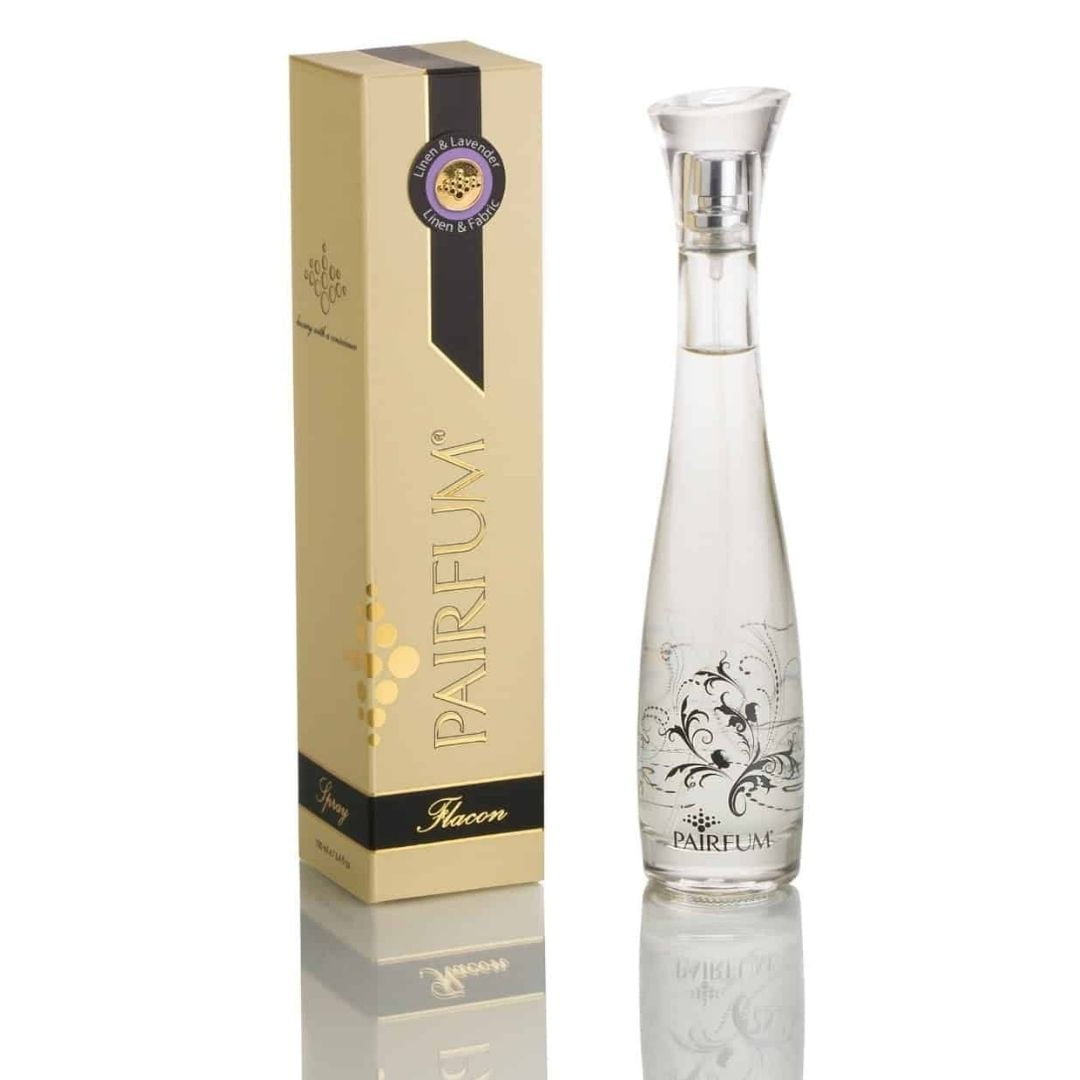
Incorporating familiar and comforting scents into daily life can be a simple yet powerful way to support those living with dementia. The Pairfum Pillow Spray for Linen and Fabrics offers a gentle way to introduce fragrance into personal spaces, helping to ease agitation, improve sleep quality, and spark memory through the subtle power of scent. Whether used on bedding, a favourite shawl, or even a familiar cushion, this spray can become part of a reassuring daily ritual.
Crafted with natural essential oils and a refined perfume blend, the Pairfum Pillow Spray is alcohol-free, non-staining, and suitable for regular use on all fabrics. Its carefully balanced formula ensures a soft, lasting fragrance without overwhelming the senses—ideal for creating a soothing environment. With its elegant presentation and mindful ingredients, it’s a fragrance designed not just to scent a room, but to nurture peace and familiarity.
Conclusion
Smell therapy offers a promising, gentle approach to enhancing the lives of dementia patients. By understanding the profound link between smell and memory, and thoughtfully using specific fragrances, we can stimulate positive emotions, encourage memory recall, and improve overall well-being. Implementing smell therapy requires careful selection of fragrances and smart application methods to create a supportive, comforting, and stimulating environment for dementia sufferers. Ongoing research into smell training and its impact on olfactory function continues to highlight the powerful role of our sense of smell in cognitive health. This truly is a transformative therapy.