


Key Highlights
- Fragrance Appeal: The unique aroma of Coconut adds depth and warmth to perfumes, making them inviting.
- Botanical Origin: The coconut palm, known scientifically as Cocos nucifera, thrives in tropical climates worldwide.
- Culinary Versatility: Coconut is a key ingredient in various global cuisines, contributing creamy textures and flavors.
- Cultural Significance: Historically, coconut has been integrated into rituals and traditions across many cultures.
Coconut is a cherished ingredient in the fragrance world, adored for its creamy and exotic aroma that transports you to tropical beaches and sunny escapes. This versatile ingredient has made its way into many perfumes, where its rich and luscious fragrance adds depth and a touch of the exotic. The charm of coconut lies not just in its delightful smell, but also in the warmth and richness it brings to fragrance compositions, making them irresistibly inviting. The journey of coconut in perfumery is fascinating. It is not just about the tropical vibe; coconut oil, coconut milk, and coconut water each offer unique elements that enhance a fragrance’s profile. Exploring how coconut is used in perfumes reveals a captivating intersection of tradition, culture, and innovation. The allure of coconut in fragrances is undeniable, with its ability to evoke serene, sun-drenched images. Many perfumers seek out the finest coconut extracts to capture this essence.
The Mighty Coconut: A Botanical Marvel
Before delving into its fragrant applications, it is worth appreciating the coconut itself. The coconut palm, scientifically known as Cocos nucifera, is a member of the palm family (Arecaceae). It is not, botanically speaking, a true nut, but rather a drupe, which is a fleshy fruit with a hard, stony covering enclosing the edible seeds. Originating from the Indo Malayan region, perhaps from a specific area such as the northwest of South America or more commonly believed, island Southeast Asia and the Western Pacific, this remarkable palm tree has spread across tropical and subtropical regions worldwide, largely aided by ocean currents carrying its buoyant fruit. Its widespread cultivation means it thrives in over 90 countries, from Southeast Asia, particularly regions like Sri Lanka, to the Pacific Islands and parts of Africa and Latin America, highlighting its global significance far beyond just perfumery. The robust nature of the coconut tree allows it to flourish in coastal areas, supporting vast coconut populations.
Every single part of the coconut palm, from its extensive root system to its towering fronds, has traditionally been used by communities for food, drink, fibre, fuel, and shelter, earning it the moniker “the tree of life.” This inherent versatility and life-sustaining quality contribute to its deeply positive cultural associations, which naturally translate into its appealing presence in fragrances. The fibrous outer husk protects the valuable coconut meat inside. A fresh coconut, often a young coconut, yields refreshing coconut water, while a mature coconut provides the rich coconut meat for various uses. Coconuts provide essential sustenance for many communities.
The Versatility of Coconut in Global Cuisines
Beyond its fragrant properties, the coconut is a cornerstone ingredient in numerous global cuisines, showcasing its remarkable versatility and economic importance. The creamy coconut milk, extracted from the grated coconut meat, is a fundamental component in dishes across Southeast Asia and beyond. Consider the rich flavour of a coconut curry, a staple in many Asian diets, where the coconut milk provides a luxurious base and depth. Dishes incorporating rice often benefit from the subtle sweetness and creaminess imparted by coconut milk. The dried coconut flesh, often in the form of desiccated coconut, is used in baking and as a topping.
From the mature coconut, we derive coconut cream, a thicker, richer version of coconut milk, essential for more indulgent recipes. Raw coconut meat is often enjoyed as a snack. The distinct flavour of fresh coconut is prized in tropical desserts. Even the coconut flour, made from ground, dried coconut meat, is gaining popularity as a gluten-free alternative in baking. While olive oil is a Mediterranean staple, in tropical regions, coconut oil serves a similar foundational role in cooking and preparation. The coconut fruit is truly a marvel of nature. The crispness of fresh coconut and the cooling sensation of coconut juice are culinary delights.
The Rich History of Coconut in Fragrances
Coconut’s journey into the world of fragrances began in the regions where coconut palms thrive. Traditionally, communities in these areas used coconut for its fresh, sweet smelling coconut oil. For millennia, indigenous populations, particularly those living amidst Pacific coconuts and Indo Atlantic coconuts, have extracted oil from the dried meat of the coconut, known as copra, to be used in culinary preparations, skincare, and for its pleasing aroma. As explorers and traders discovered its unique properties, particularly during the Age of Exploration, coconut quickly garnered attention in the wider world and subsequently in the burgeoning fragrance industry. Its aroma was used to evoke images of far-off islands and the allure of untouched tropical splendour, playing into the romanticism of distant lands and the beauty of the coconut tree. The historical significance of the coconut palm is vast.
At the heart of many cultural traditions, coconut plays a significant role beyond just a food ingredient. In ancient rituals and ceremonies across Asia, the Pacific, and parts of Africa, coconut oil was used not only for its fragrance but also for its supposed spiritual purity, as an offering, or in anointing rituals. The presence of coconuts in Hindu mythology and rituals, for example, underscores its sacred importance. This deep cultural backdrop makes coconut a profoundly meaningful ingredient in perfumery, one that carries with it a legacy of connection, heritage, and well-being. Large coconut plantations historically played a crucial role in the economies of many tropical regions. The perfume industry began weaving coconut into compositions to capture that sense of adventure and the spirit of exploration. It was not long before coconut became a popular choice for those who wanted their perfumes to embody the essence of faraway places and exotic dreams, all thanks to the humble coconut.

Types of Coconut Used in Fragrances
When it comes to coconut in perfumes, there are several forms, each differing in their contribution to the fragrance profile. The specific part of the coconut used and its processing method significantly influence the final scent of the coconut.
Coconut Oil:
Known for its thick, long-lasting properties, often extracted from the dried copra, coconut oil adds warmth and depth to a perfume. It is particularly effective in fragrances where a creamy base is desired, providing a smooth, almost buttery or lactonic texture to the scent. Virgin coconut oil, which is minimally processed, retains more of the natural coconut aroma. The presence of certain fatty acid chains in coconut oil contributes to its unique texture and scent.
Coconut Water:
Offering a lighter, refreshing profile, derived from the clear liquid inside young, green coconuts, coconut water lends a crisp and airy element to fragrances. It is often found in blends that aim to evoke a sense of freshness and vitality, much like a cool drink on a hot day. This form brings a more subtle, delicate, and aquatic facet of coconut. This clear juice is very different from coconut milk.
Coconut Milk:
With a smooth and rich texture, obtained by grating the flesh of mature coconuts and mixing it with water, coconut milk imparts a soft and creamy undertone to a fragrance. It is typically used to add sweetness and a silky finish to the composition, often providing a more comforting and gourmand feel, reminiscent of creamy desserts. This milk is a key component in many tropical culinary creations.
Coconut Absolute:
This highly concentrated form is typically extracted using solvents from the coconut flesh and captures the full, rich aroma of coconut. It offers a more intense and true-to-life coconut scent, often used when a pronounced and long-lasting coconut note is desired. Absolutes are valuable for their faithful reproduction of the natural scent profile of coconuts.
Coconut CO2 Extract:
Similar to solvent extraction but using carbon dioxide as a solvent, this method yields a very pure and often more nuanced aroma. It can capture both the creamy and slightly green or fresh facets of coconut, offering a high-fidelity representation of the natural scent without residual solvents, making it a preferred choice for some perfumers seeking a cleaner profile of the fruit.
These different forms of coconut allow perfumers to tap into a range of olfactory experiences, creating perfumes that can be light and fresh or rich and indulgent. Whether used alone or blended, coconut provides a distinctive aroma that perfume lovers continue to enjoy. The variety in forms ensures the versatile use of coconut.
Extraction Methods of Coconut for Perfumery
When it comes to capturing the true essence of coconut for fragrances, the extraction process is key. The chosen method directly impacts the nuances of the resulting aromatic material derived from the coco.
Cold Pressing:
This technique involves pressing the meat of the coconut to extract its oil. This method is particularly effective for virgin coconut oil, as it preserves the natural compounds that give coconut its characteristic aroma, resulting in an oil that is rich and full-bodied. It is excellent for retaining the natural sweetness and creaminess, often providing a more “food grade” and authentic representation of the coconut scent.
Solvent Extraction:
In this method, volatile solvents such as hexane or ethanol help draw out the coconut essence from the dried raw material (copra). This process is particularly useful for extracting a high concentration of fragrance components, which is ideal for creating perfumes with a strong coconut focus. This method often yields an absolute, which is very potent and true to the original scent, capturing a broad spectrum of the coconut’s aromatic molecules.
Steam Distillation:
While less common for the direct extraction of a prominent coconut aroma for perfumery, steam distillation is popular for extracting various components or for initial processing of coconut oil. Here, steam passes through the coconut material to separate the oil from the plant matter. This process can produce a light and fresh essence, which might be suitable for crafting airy and subtle fragrance profiles, leaning towards the more volatile, fresh notes rather than the creamy richness of the fruit.
CO2 Extraction:
This modern and highly effective method uses pressurized carbon dioxide as a solvent to extract aromatic compounds from the coconut flesh. It is a highly efficient process that yields a very clean and pure extract, often capturing a more comprehensive scent profile than other methods. This can include subtle nuances that might be lost in heat-dependent processes, providing a nuanced and true-to-life coconut aroma, often with excellent stability and longevity.
Each method impacts the fragrance in different ways, influencing everything from intensity to longevity. The choice of extraction process plays a vital role, adding layers and complexity to the perfume, making coconut-based aromas diverse and captivating.

The Olfactory Profile of Coconut in Perfumery
The scent of coconut in perfumery is multifaceted, offering a surprisingly complex range of notes beyond just a simple tropical aroma. Its profile is influenced by the part of the coconut used and the extraction method, contributing to its diverse applications. It is often described as:
- Creamy and Lactonic: This is the most common association, evoking the rich, smooth texture of coconut milk or coconut cream. This facet provides a comforting, indulgent, and sometimes milky quality to fragrances, often contributing to a soft, enveloping dry down. The specific fatty acid profile of coconut contributes to this creaminess.
- Sweet and Tropical: Naturally sweet, coconut brings a sun-kissed, exotic sweetness that is less sugary and more naturally fruity than some other sweet notes. It instantly conjures images of white sand beaches and lush vegetation, embodying the essence of summer and holidays, a distinct flavour of paradise.
- Slightly Nutty: Beneath the sweetness, particularly in extracts from the coconut meat or grated coconut, there can be a subtle nutty undertone, adding depth and a grounding element to the aroma. This can prevent the scent from being overly simplistic and adds complexity to the coconut.
- Subtly Green and Aquatic: Especially when derived from coconut water or through specific extraction methods that capture its fresher volatiles, coconut can present a light, fresh, almost watery green note. This aspect is invigorating and suggests the crispness of a newly opened, young coconut. This provides a refreshing counterpoint to the richer notes of coconut.
- Warm and Exotic: Overall, coconut inherently imparts a sense of warmth and exoticism, transporting the wearer to a sun-drenched paradise. It has an inherent radiance that makes it feel bright, inviting, and truly evocative of tropical climates. The entire coconut fruit contributes to this appeal.
- Waxy/Fruity Aldehydic: In some contexts, particularly when used in combination with certain aldehydes, coconut can contribute a waxy or slightly fruity aldehydic nuance, adding sparkle and diffusion to the fragrance. The rich, ripe coconut yields a full-bodied scent.
This diverse olfactory profile allows perfumers to utilise coconut in a multitude of ways, from enhancing rich gourmand compositions to adding a unique, natural twist to fresh and floral scents, demonstrating its remarkable versatility as a fruit. The distinctive flavour of coconut is translated beautifully into scent.
Nutritional and Health Aspects of Coconut
While our focus is on perfumery, understanding the broader context of coconut, including its nutritional profile, reinforces its status as a “superfood” in many cultures and adds to its holistic appeal. The white coconut meat, also known as dried coconut flesh or raw coconut, is highly nutritious. It is rich in fibre and minerals such as manganese and copper. Coconut oil, particularly virgin coconut oil, is often lauded for its unique composition of saturated fatty acids, primarily lauric acid, which behaves differently in the body compared to longer chain fatty acids.
Coconut water, found within the young coconut, is a natural electrolyte drink, popular for hydration. Coconut milk and coconut cream, derived from the grated coconut, are dairy alternatives, providing a rich source of healthy fats. Desiccated coconut is also a good source of fibre. While some concerns exist regarding saturated fatty acids, the overall nutritional profile of the coconut fruit contributes to its positive image and desirability. The versatility of the coconut extends to its culinary uses, from a simple slice of fresh coconut to the use of coconut flour in baking or incorporating it into dishes like sweet potato and rice. A splash of lime juice or the addition of lime wedges often complements the rich flavour of coconut in both food and drink. The robust nature of the entire palm, from the palm tree itself to its edible seeds, offers a bounty of uses.
Blending Coconut: Complementary Notes and Accords
Coconut’s versatility makes it an exceptional blending ingredient, capable of harmonising with a wide array of other notes to create diverse olfactory experiences. Its chameleon-like ability allows it to adapt to various fragrance narratives, making coconut a go-to for perfumers.
Tropical Florals:
Coconut pairs exquisitely with notes like tiare flower (monoi oil often features coconut oil as a base), frangipani, jasmine, ylang ylang, and gardenia. These combinations amplify the tropical allure, creating lush, exotic bouquets that evoke visions of island paradises. The creamy nature of coconut often softens and enriches the intensity of heady florals, making them more approachable. The aroma of a fresh coconut blends seamlessly with these blossoms.
Fruity Notes:
Juicy fruits such as pineapple, mango, passion fruit, and vibrant citrus notes like bergamot, lime, and orange find a natural partner in coconut. These pairings result in bright, refreshing, and playful compositions that are perfect for summer or casual wear. The coconut adds a smooth, creamy backdrop to the bright fruitiness, enhancing its longevity and depth. The flavour of the fruit is beautifully translated.
Gourmand Accords:
Vanilla, caramel, tonka bean, praline, and chocolate are natural allies for coconut, creating delectable and comforting gourmand fragrances. The creamy, sweet facets of coconut are amplified, resulting in scents that are rich, edible, and incredibly inviting, often reminiscent of exotic desserts or creamy beverages made with coconut milk or coconut cream. The coconut flour could even inspire delicate notes.
Musks and Ambers:
For a more sophisticated and long-lasting foundation, coconut blends beautifully with soft, skin-like musks and warm, resinous amber notes. These combinations provide a sensual depth and a lingering warmth, making the tropical essence of coconut feel more refined, elegant, and wearable in various settings. The richness of the ripe coconut supports these heavier notes.
Woods:
Subtle woody notes, such as creamy sandalwood, cedar, or driftwood, can add an earthy dimension to coconut fragrances, preventing them from being overly sweet or cloying. This creates a more grounded, natural, and balanced scent profile, often enhancing the natural warmth of the coconut. Even the scent of the coconut shell could offer an intriguing note.
Marine and Aquatic Notes:
To enhance the fresh, airy aspects of coconut water, marine and aquatic notes (like salt or sea spray accords) can be incorporated. This creates a scent that evokes the sea breeze and the refreshing feel of ocean water, perfect for a light, summery, and invigorating fragrance. The pure coconut juice lends itself well to this.
Spices:
A touch of warm spices like cinnamon, nutmeg, or cardamom can add an intriguing layer to coconut, providing a cozy, exotic warmth that is both inviting and unique. The versatility of the coconut is evident here.
The careful combination of coconut with these complementary notes allows perfumers to craft fragrances that range from intensely tropical and overtly sweet to subtle, sophisticated, and unexpectedly fresh, highlighting its truly adaptable nature as a fruit.
Iconic Perfumes Featuring Coconut
Coconut has made its indelible mark in the world of perfumes, becoming a star ingredient in several renowned fragrances. Its ability to transport us to sun-drenched beaches makes it a go-to for perfumes that aim to capture the essence of paradise, evoking a sense of escape and relaxation. The creamy nature of coconut makes it a popular choice.
One classic example is a perfume that blends coconut with vanilla and white floral notes, creating an inviting bouquet that feels both exotic and comforting. This combination celebrates the creamy richness of coconut while enhancing its tropical vibe, resulting in a fragrance that is both timeless and modern. Think of fragrances that instantly bring to mind suntan lotion and warm skin, a testament to coconut’s evocative power. The use of coconut in such blends is a hallmark of tropical perfumery.
Beyond this, numerous high-profile fragrances have embraced coconut’s unique charm. From luxurious niche houses crafting complex tropical narratives to mainstream labels creating widely beloved summer hits, coconut is featured either as a central theme or a crucial supporting note that adds a distinctive warmth, creamy texture, and tropical luminosity. Its presence often signifies a playful, carefree spirit, making it a staple in the “vacation in a bottle” genre. Its widespread adoption across different price points and stylistic categories further underscores its universal appeal and the creative freedom the palm fruit offers perfumers. The comforting aroma of coconut milk can be found in many exquisite compositions.
Coconut’s versatility allows it to pair beautifully with a variety of ingredients. Whether it is lush tropical floral bouquets, vibrant citrus blends with a hint of lime juice, or rich gourmand accords, coconut consistently brings a smooth, creamy balance that enhances and enriches the overall fragrance, proving its widespread appeal and adaptable nature in diverse olfactory compositions. The distinctive flavour notes of coconut are expertly translated into scent.

Coconut Heart Notes with Pairfum London
While coconut offers a delightful tropical escape, the expansive world of fragrance holds countless other captivating journeys waiting to be explored. Sometimes, the most memorable scents emerge from unexpected combinations, taking inspiration from the earth’s diverse aromatic treasures. Discovering these unique accords allows for a broader appreciation of perfumery’s artistry, offering distinct olfactory experiences that transport and intrigue in equally compelling ways. It is a testament to the endless possibilities within the realm of scent creation, moving beyond the beloved coconut.
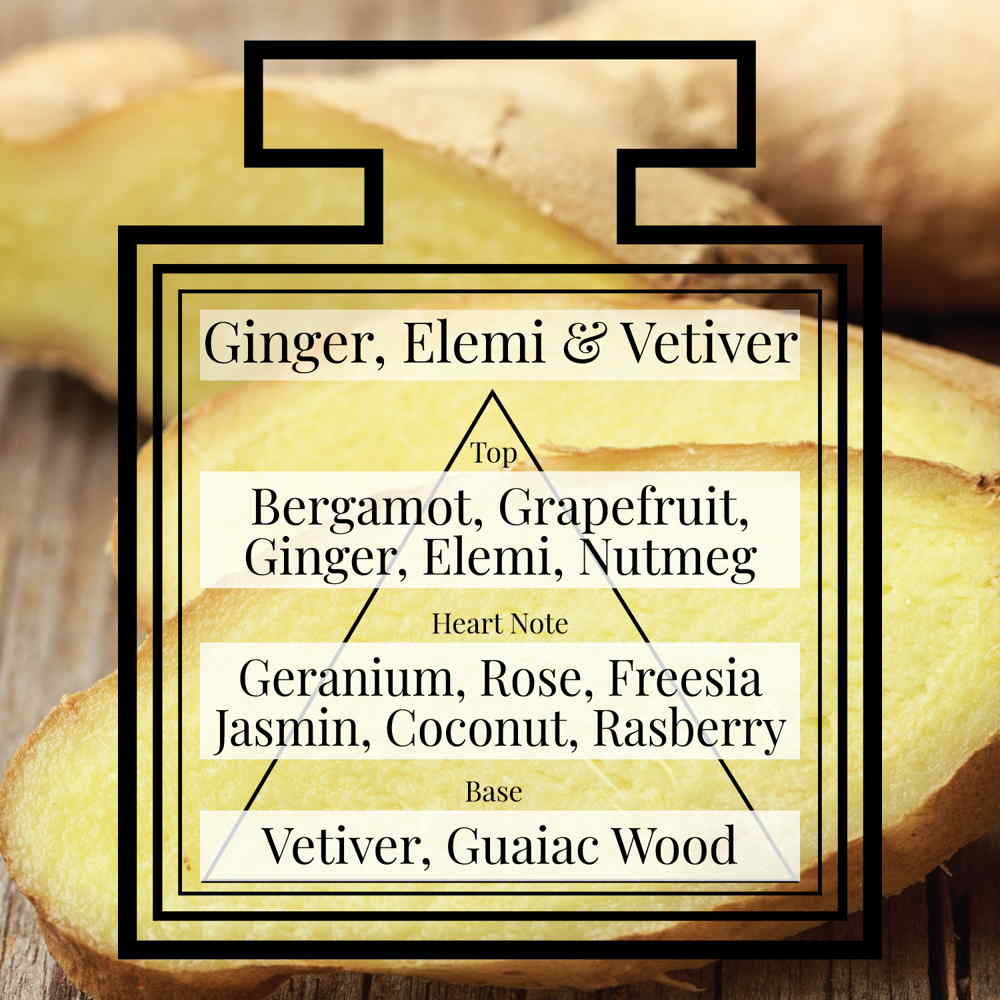
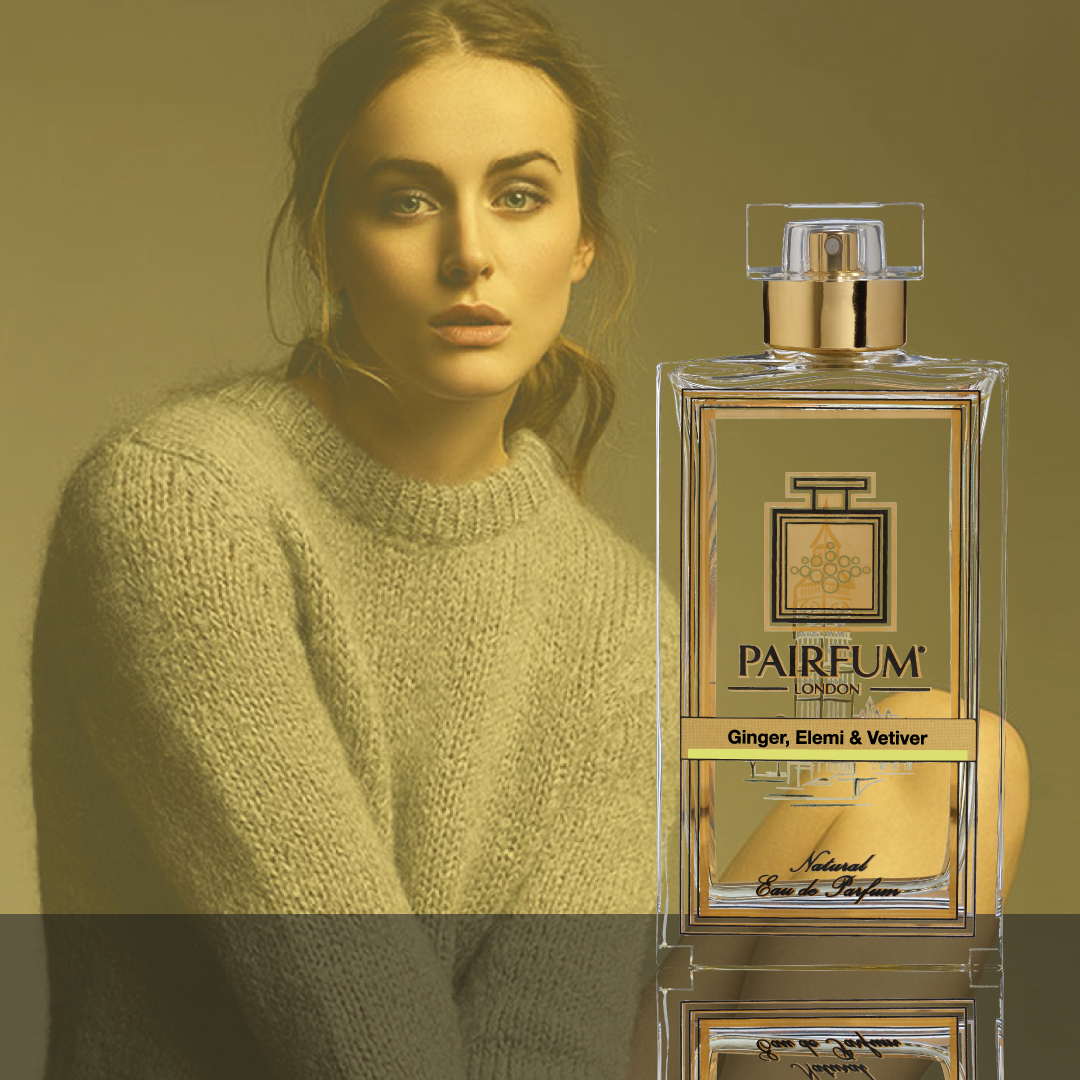
Ginger, Elemi & Vetiver – Eau de Parfum by Pairfum London
A surprising fusion of spices and freshness, it opens with notes of Bergamot, Grapefruit and a trace of Lavender, combined with Ginger, Elemi, Nutmeg & Cinnamon. The heart is composed of Geranium, Rose, Freesia, Gardenia, Jasmine and Orange Blossom, with fruity hints of Coconut and Raspberry. A base of Vetiver, Guaiacwood, Cedar, Amber, Cashmere Musks, Vanilla & Moss supports this note beautifully.
Embrace the Exotic Aroma of Coconut
Coconut-based fragrances are a delightful addition to any perfume collection, offering a unique olfactory journey that is both comforting and exhilarating. They effortlessly evoke sun-kissed vacations, tranquil beach holidays, and moments of pure relaxation, adding a touch of the exotic and the joyous to everyday life. The rich, creamy notes of coconut, reminiscent of coconut milk or coconut cream, can transform a simple fragrance into something warm, enchanting, and deeply memorable, appealing to those who seek a bit of sunshine and escapism in a bottle. The scent of a fresh coconut is truly transporting.
Exploring fragrances with coconut allows you to indulge in the inherent warmth, creamy depth, and surprising freshness it offers, truly transforming your perfume experience. With its remarkable ability to blend seamlessly into a wide range of compositions, from light and airy to rich and opulent, coconut provides endless opportunities to experiment and find your signature aroma. Whether you are drawn to its lactonic, creamy allure, its refreshing lightness from coconut water, or its warm, nutty undertones derived from the coconut meat, coconut profoundly enhances the perfume landscape, making every day feel like a never-ending summer, brimming with possibility and tropical dreams. The entire coconut fruit contributes to this experience. The enduring appeal of the palm and its precious fruit is undeniable.