


Key Insights
- Aroma: The scent of sage is characterized by its herbaceous and earthy notes, often evoking feelings of tranquility.
- Varieties: Different types of sage, such as common sage and clary sage, offer unique aromatic profiles beneficial for perfumery.
- History: Sage has a rich history in various cultures, celebrated for its aromatic qualities and used in rituals for purification.
- Extraction: The fragrance of sage is typically extracted through methods like steam distillation or supercritical CO2 extraction, preserving its distinctive aroma.
What does sage smell like? The fresh aroma of sage has long captivated those who cherish its green, earthy delight. Found in various perfumes, it offers an invigorating bouquet that brings an extra layer of sophistication and complexity to many fragrance compositions. Known for its refreshing and herbal aura, sage not only carries a rich history but also leaves a lasting impression on anyone who encounters its unique scent. This exploration delves into how sage has enchanted cultures over the centuries. From its ancient roots to its prominent place in modern perfumery, sage has proven itself to be a versatile and cherished element in the world of fragrances. Through understanding its different varieties, methods of extraction, and role in creating iconic perfumes, you’ll appreciate the timeless appeal that has kept sage at the heart of many aromatic creations. Every aspect of sage, from the sage plant itself to its powerful essential oil, contributes to its enduring appeal.
What Does Sage Smell Like? A Detailed Olfactory Profile
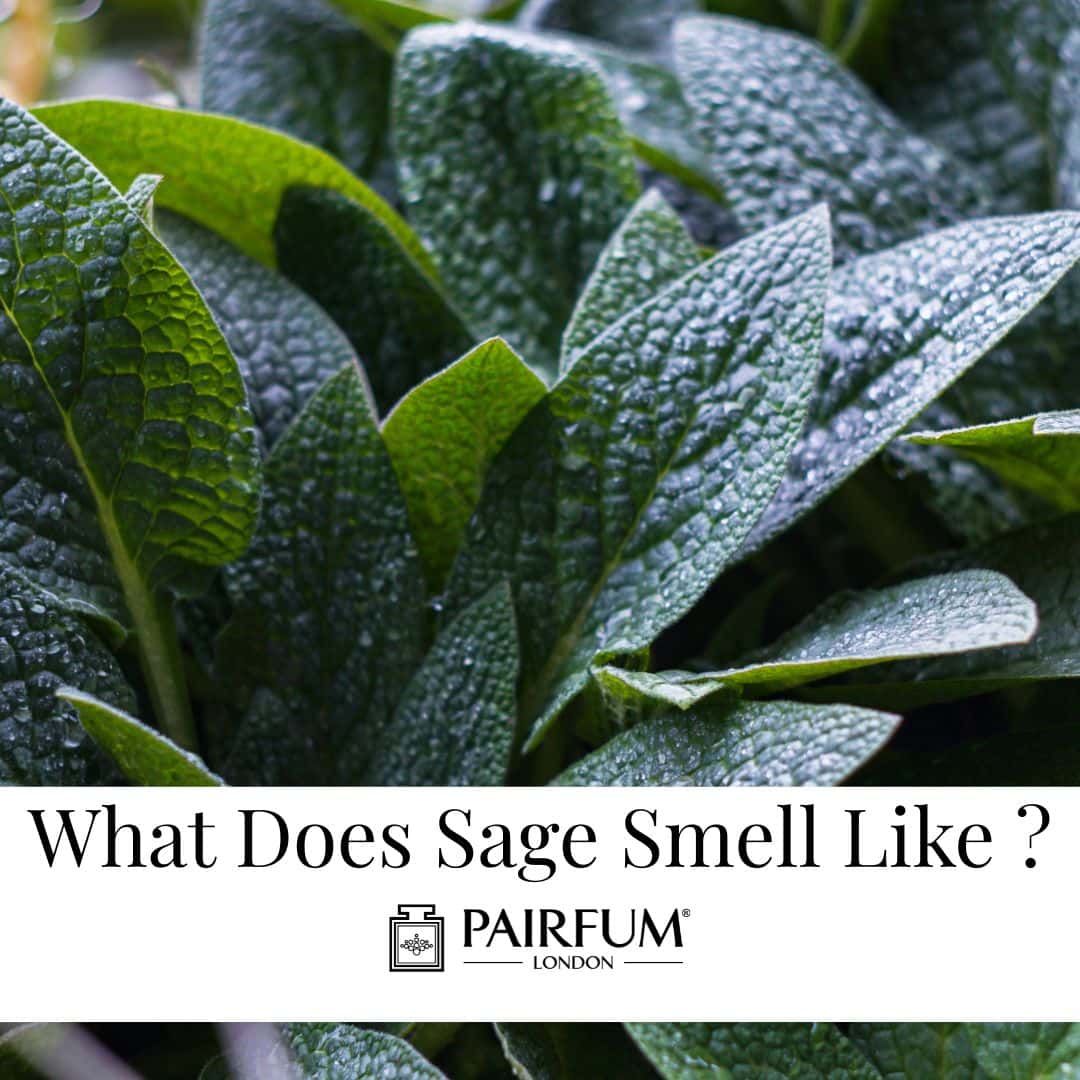
When exploring the world of fragrance, one of the most common questions is, ‘What does sage smell like?’ The answer, whilst seemingly simple, reveals a fascinating complexity. At its core, sage possesses a distinctively herbaceous and earthy aroma. Imagine the scent of dry leaves and freshly turned soil mixed with a crisp, green, and often camphorous note. This combination creates an aroma that is both grounding and uplifting, providing a sense of clarity and connection to nature. The overall smell is often described as aromatic, savory, and fresh, with a unique ability to evoke feelings of tranquility and calm. This multifaceted aroma makes sage instantly recognizable and deeply evocative.
Beyond these primary characteristics, the scent of sage can also present subtle nuances depending on the specific variety and how it is perceived. Many describe a slightly peppery or spicy undertone to the sage smell, adding a lively kick to its otherwise serene profile. There can also be a hint of pine or resin, especially in certain types of sage, contributing to its invigorating and clean character. Some individuals might even detect a subtle, almost minty freshness, particularly when the leaves are crushed or when encountering varieties like woodland sage. The powerful aroma of sage is truly distinctive.
The Rich History of Sage in Perfumery and Beyond
Sage’s journey into the world of perfumes is steeped in tradition and cultural significance. An herb revered across ancient civilizations, it graced the lands of the Mediterranean, where it was cherished for both its culinary and aromatic properties. The early Greeks and Romans, for instance, recognized sage not just as an herb but as an ingredient of ceremonial importance. It often played a crucial part in rituals, believed to purify and promote health, and was even thought to impart wisdom. The Latin name ‘Salvia’ itself comes from ‘salvere’, meaning ‘to save’, highlighting its ancient reputation for well-being and its medicinal property. The presence of sage in historical records underscores its longstanding value.
As time progressed, sage’s perfume-making prominence grew. During the Middle Ages, the herb’s association with wisdom and healing led to its inclusion in various herbal concoctions and aromatic blends, cherished by both alchemists and perfumers alike. It was during this period that sage began appearing more frequently in perfumes, celebrated for its invigorating aura and its ability to harmonize with other essences. This long history demonstrates the enduring appeal of the sage scent.
Beyond fine fragrance, the use of sage spans cultures and centuries. Historically, indigenous communities in North America have incorporated white sage (Salvia apiana) in profound smudging ceremonies for purification and spiritual cleansing. This Native American cultural practice involves burning sage bundles or a white sage smudge stick to clear negative energy and create a sacred space. The smoke from burning sage is believed to carry prayers and intentions, making it a central part of a spiritual ritual. Other forms of burning sage, often using a sage smudge stick or sage sticks, are found in various cleansing traditions. The act of smudging with sage is a powerful way to connect with ancient practices and invite positive energy. It is important to acknowledge the origins of these practices and approach them with respect.
Fast forward to today, and sage holds its place in the fragrant landscape, adapting to the modern palate while retaining its timeless charm. Its earthy and aromatic qualities now enhance a multitude of perfumes, proving that while times may change, some scents remain perennial favorites. The enduring appeal of the sage smell is undeniable.
Types of Sage Used in Perfumery and Aromatherapy
Sage doesn’t come in just one form; it’s a family of different varieties, each offering unique characteristics to the art of perfumery and the practice of aromatherapy. Understanding these differences can help appreciate how diverse and rich the sage aroma can be, elevating any fragrance it touches. While there are over 900 different species of Salvia, a few stand out for their specific contributions:
Common Sage (Salvia officinalis) or Garden Sage
Known for its robust and intensely herbal aroma, common sage is often used in perfumes for its warm, earthy notes that provide a grounded balance to lighter, floral bouquets. Its scent is typically the most direct representation of what people imagine when they think of the sage plant, with a slightly peppery and camphor-like quality. This is the herb often found in culinary uses, but its distinct fragrance makes it valuable in many applications.
Clary Sage (Salvia sclarea)
This variety is highly prized in perfumery and aromatherapy for its softer, more complex aroma. Unlike common sage, clary sage has a less camphorous and more ambrosial scent, often described as sweet, herbaceous, and slightly musky, with hints of hay or tobacco. It can also present subtle floral or even fruity undertones, adding a sophisticated mellowness to fragrances. The calming scent of clary sage essential oil is particularly effective for promoting relaxation and emotional balance.
Spanish Sage (Salvia lavandulifolia)
Offering a more distinctly camphorous and invigorating scent than common sage, Spanish sage introduces a sharper, cleaner quality. Its aroma is often compared to a blend of rosemary and eucalyptus, providing a refreshing contrast that can cut through richer, sweeter notes. This sage is highly valued for its revitalizing and clarifying effects.
White Sage (Salvia apiana)
This revered type of sage, also known as sacred sage, is predominantly associated with smudging and ceremonial uses within Indigenous cultures. Its bright, herbaceous, and deeply cleansing aroma when burned makes white sage integral to spiritual practices. The smoke from a white sage smudge stick is known for its purifying effects on spaces and individuals. The strong, unique scent of white sage is often sought for its ability to clear negative energy.
Pineapple Sage (Salvia elegans)
This unique variety is celebrated for its distinctly sweet and fruity aroma, reminiscent of pineapple. While less common in traditional fine perfumery, its refreshing and pleasant scent makes it a delightful addition to culinary applications and certain more playful fragrance compositions, bringing a surprising and cheerful note to the world of sage.
Whatever type of sage you encounter, each brings its distinct character to the table, demonstrating the versatility that makes sage a staple in high-quality perfumes. From the garden sage’s grounding warmth to clary sage’s smooth, fruity charm, these different varieties make sage an indispensable ingredient in the aromatic world. The individual scent of each sage offers a unique experience.
Extraction Methods of Sage Fragrance
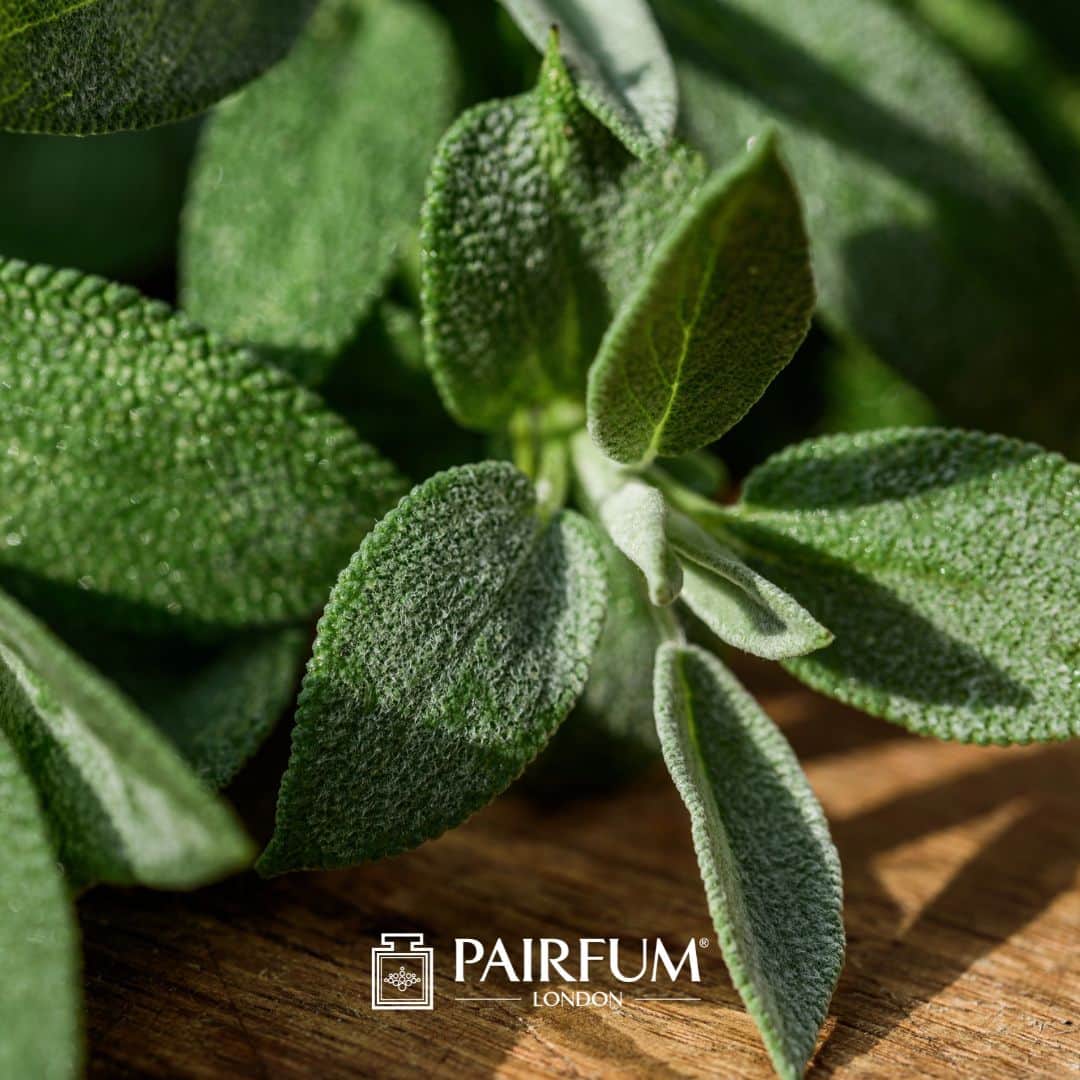
Crafting the perfect sage fragrance starts with the careful extraction of its natural aroma. Traditional methods have always relied heavily on techniques like steam distillation. In this process, steam is passed through the sage plant material, causing the volatile aromatic compounds to vaporize. This steam, laden with essential oils, is then cooled and condensed back into liquid form. The essential oil, being less dense than water, separates and can be collected. This method is valued for its ability to capture the true essence of sage, preserving its characteristic herbal notes and providing a potent, full-bodied aroma. The resulting sage essential oil is a concentrated form of the plant’s natural oils.
In more recent times, the industry has seen significant advances with the introduction of modern extraction processes. Supercritical CO2 extraction is one such cutting-edge technique. This method uses carbon dioxide under high pressure and low temperature to extract the oils. When CO2 reaches a supercritical state, it acts as a solvent, efficiently dissolving the aromatic compounds from the plant material. The pressure is then released, allowing the CO2 to revert to its gaseous state, leaving behind a pure, clean, and solvent-free fragrance extract. This method is highly efficient and, because it avoids high heat, often results in an aroma that is remarkably closer to the fresh, natural scent of the sage itself, retaining more delicate nuances. The CO2 extract often retains some of the more delicate volatile compounds that might be lost in steam distillation, offering a nuanced sage smell.
Both traditional and modern techniques have their unique benefits. While some perfumers prefer the classic approach for its ability to encapsulate the full-bodied warmth of sage, others lean towards contemporary methods for their precision and clarity. Ultimately, it’s the harmonious blend of tradition and innovation that allows sage to shine in the diverse landscape of perfumery, giving perfumers a wide range of oils to work with to create exquisite fragrance compositions.
Sage in Fragrance Families and Blending
Sage’s distinctive aroma makes it a versatile ingredient, fitting seamlessly into various fragrance families and complementing a wide array of other notes. It is particularly prominent in aromatic, fougère, and chypre compositions, where its herbaceous and earthy qualities can truly shine, giving each fragrance a unique character. The complexity of sage allows it to contribute significantly to the overall scent profile.
Aromatic Fragrances
In aromatic fragrances, sage provides a refreshing and invigorating green backbone. It often pairs beautifully with other herbs like lavender, rosemary, and thyme, creating scents that evoke open fields and natural landscapes. The clean, crisp character of sage enhances the overall freshness, making these perfumes wonderfully uplifting and revitalizing. The green aroma of sage is essential here.
Fougère Fragrances
For fougère fragrances, which are typically characterized by notes of lavender, coumarin, and oakmoss, sage introduces a sophisticated herbaceous dimension. Clary sage, in particular, with its slightly sweet and hay-like facets, adds complex depth and a subtle warmth that rounds out the traditional fougère structure. It contributes to the classic barbershop scent, lending it a timeless and masculine elegance. The rich aroma of clary sage is key to this fragrance family.
Chypre Fragrances
In chypre fragrances, known for their contrasting blend of citrus top notes, a floral heart, and a mossy, woody base, sage can provide an intriguing earthy and slightly bitter accent. It can act as a bridge between the brighter top notes and the deeper, more resonant base notes, adding complexity and a touch of natural ruggedness to the fragrance.
Beyond these categories, sage also blends remarkably well with:
- Citrus Notes: The sharp, bright zest of bergamot, lemon, or grapefruit is beautifully balanced by sage’s herbaceous earthiness, creating invigorating and harmonious accords, often found in refreshing cologne-style compositions. This combination creates a fresh scent.
- Woody Notes: Cedarwood, sandalwood, and vetiver find a natural partner in sage, as its green and slightly camphorous facets enhance the natural richness and depth of wood, providing a grounding and enduring quality to the scent.
- Spices: A touch of black pepper, cardamom, or nutmeg can elevate sage’s inherent spiciness, creating a warmer and more intriguing aroma that adds a captivating layer to the fragrance.
- Florals: While less common, sage can add an unexpected green and slightly wild touch to floral bouquets, particularly with notes like jasmine, rose, or geranium, preventing them from becoming overly sweet and adding a unique natural complexity. Sometimes, a subtle floral scent can emerge when sage is paired with notes like orange blossom or even a hint of vanilla, creating an intriguing aromatic blend.
The ability of sage to harmonize with such diverse notes speaks to its versatility and enduring appeal in the perfumer’s palette, allowing for endless creative possibilities when crafting a beautiful fragrance. The diverse qualities of the sage smell make it an invaluable ingredient.

The Holistic Benefits and Cultural Resonance of Sage
Beyond its role in perfumery, sage holds a profound place in cultural practices and wellness traditions. Its aromatic properties are widely believed to offer various benefits for both mind and body, extending its appeal far beyond just a pleasant scent. The powerful aroma of sage contributes to these perceived benefits.
In aromatherapy, sage essential oil is highly regarded for its ability to stimulate and clarify the mind. It is known to promote a sense of attentiveness, enhance memory, and ease negative moods, including stress and anxiety. The calming and uplifting properties of sage can help to soothe frazzled nerves, promote relaxation, and even aid in restful sleep. Diffusing sage essential oil can create a tranquil atmosphere, helping to rebalance energy and promote a sense of well-being. Specific varieties like clary sage are particularly cherished for their hormone-balancing properties, often used to alleviate symptoms associated with PMS and menopause, providing a natural holistic approach. The distinctive clary sage scent is often used in aromatherapy for its calming effects.
Historically, the act of burning sage, often referred to as ‘smudging’, has been a significant practice, particularly within various Indigenous North American cultures. This spiritual practice involves burning dried sage bundles or a white sage smudge stick, allowing the smoke to purify spaces, objects, or individuals, cleansing away negative energy and inviting positive intentions. The concept of using smoke for purification and spiritual cleansing is ancient and crosses many cultures. Some traditions believe the smoke can ward off an evil spirit and cleanse spaces of negative energy. While widely adopted in modern wellness trends, it is important to approach this practice with respect and awareness of its deep cultural roots, ensuring ethical sourcing of materials for your smudge sticks. The intense, earthy smoke of burning sage offers a visceral aromatic experience that differs from its presence in a fine fragrance, yet both highlight its cleansing and clarifying essence.
Other aromatic plants like Palo Santo are also used for similar cleansing purposes, but the sage smell, especially from white sage, is distinctive and powerful. When you smell sage, you are connecting to centuries of tradition. The practice of smudging with a sage bundle is a powerful one.
The use of sage, whether through its essential oils in aromatherapy, as a key note in perfumery, or in traditional cultural practices, consistently points to its perceived ability to cleanse, clarify, and uplift. Its presence in a fragrance can thus evoke not only a beautiful aroma but also a sense of peace, focus, and connection to ancient wisdom and natural purity. The enduring appeal of sage in scented candles and other aromatic products stems from these profound associations with its unique scent.
Iconic Sage Based Perfumes
Sage has left its mark on the perfume market, finding its way into several iconic fragrances. Its ability to add depth and complexity makes it a key ingredient in a variety of well-loved perfumes, known for their captivating bouquets and memorable aromas. The distinctive sage smell ensures its prominence.
One such example is the classic Eau de Cologne, often infused with the sharpness of Spanish sage. Its refreshing, brisk note complements the citrus and herbal elements, creating a timeless aura that continues to appeal across generations. The fresh aroma of sage is crucial here. Another beloved perfume that showcases sage is a famous fougère fragrance, where clary sage plays a gentle supporting role alongside lavender and oakmoss, resulting in a smooth, aromatic blend beloved by many. Many popular men’s fragrances across different brands prominently feature sage, often as a central herbaceous scent that provides a clean, refined, and undeniably masculine character. Its inclusion adds a sense of tradition and natural elegance that resonates with a broad audience. For instance, some niche perfumes might highlight the crispness of sage alongside marine notes to evoke a windswept coastline, or blend it with warmer, richer notes like cashmere wood for a comforting, yet invigorating, sensation. Even a touch of vanilla can sometimes accompany the sage aroma in complex compositions, or citrus notes like orange blossom can provide a delightful counterpoint to the herbaceous scent. This demonstrates the versatility of sage in a fragrance.
These perfumes demonstrate sage’s versatility and enduring appeal. By enhancing and balancing other notes, sage brings a unique dimension that elevates these creations, making them stand out in the olfactory landscape. The contribution of sage to a balanced fragrance is immense.

Experience the Depth of A Unique Sage Composition with Pairfum London
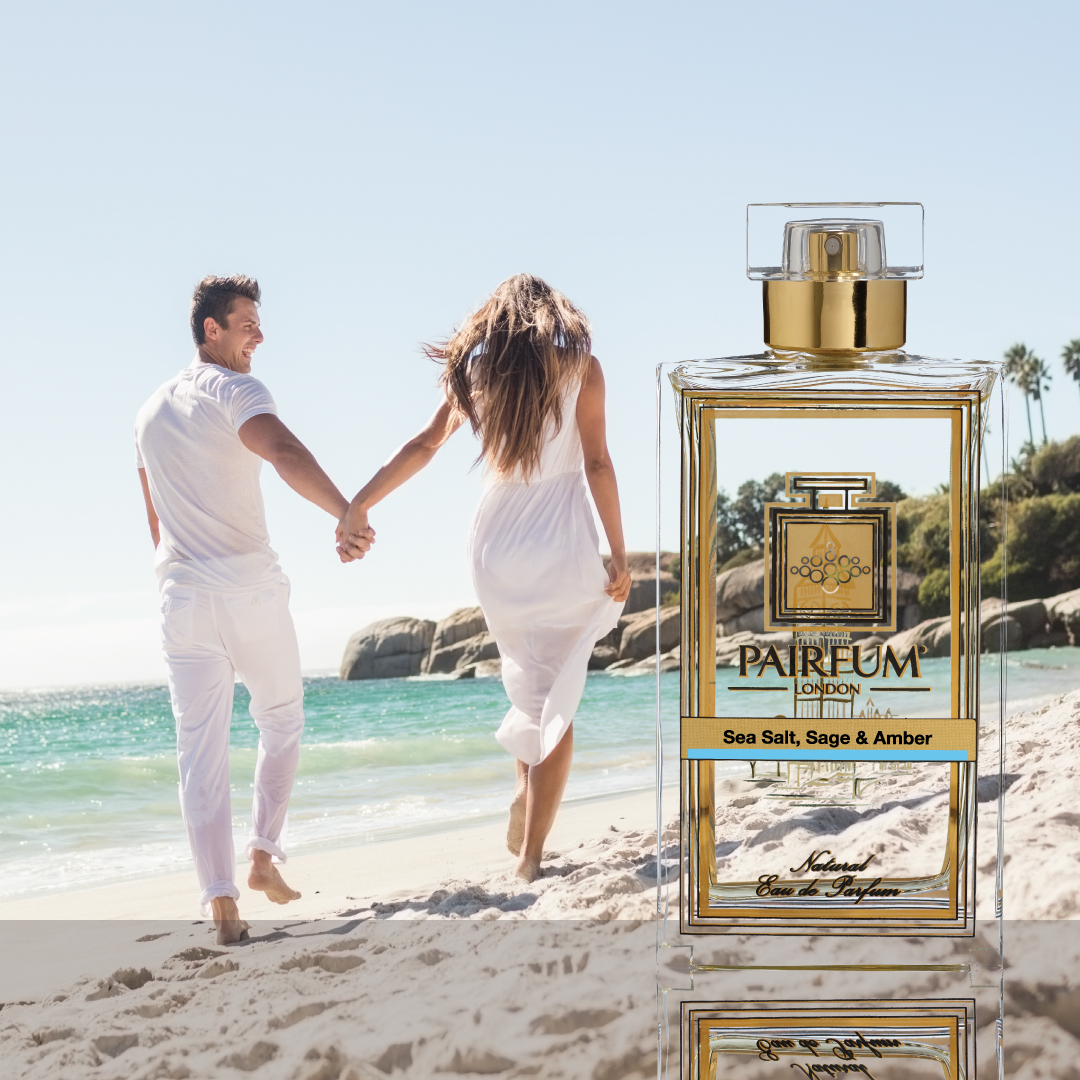
This exquisite Eau de Parfum presents a masterfully crafted balance where the vibrant marine notes of sea salt illuminate the fresh, green aspects of sage, allowing its full aromatic spectrum to unfold. The rich, golden warmth of amber then provides a luxurious foundation, adding longevity and a subtle, alluring sweetness to the composition. It is a modern interpretation of a timeless herb, designed to transport and enchant the senses with its distinct character.
Sea Salt, Sage & Amber – Eau de Parfum by Pairfum London
A wonderfully fresh, sophisticated fragrance where Sage & Grapefruit are enriched by hints of fresh Bergamot and Tangerine top notes. The invigorating heart is enlivened with nuances of Seaweed, a fresh Sea breeze, Sea Salt and Kelp, all of which become smooth with a soft base of Musk, Amber and Cedarwood.
Embracing Sage in Your Fragrance Collection
For those looking to cultivate a collection that features sage, there are a few tips to bear in mind. It’s helpful to consider the different types of sage and how they might complement existing fragrances in your repertoire. Look for perfumes where sage provides the central note, allowing its herbaceous character to dominate, or seek out those where it adds a subtle hint of herbal aroma, acting as a sophisticated supporting player in the scent. The choice of sage in a fragrance can define its character.
When choosing sage-scented products, consider the specific aromatic nuances you desire. If you appreciate a fresh, uplifting aroma with purifying qualities, look for products featuring white sage. For a more emotionally balancing and tranquil scent, clary sage is an excellent choice, often found in essential oils, scented candles, and bath products, providing a truly calming scent. If mental clarity and respiratory support are your aim, Spanish sage might be the ideal selection in an essential oil diffuser blend. Understanding these differences allows for a more intentional and satisfying selection process for your oils. The distinctive sage smell is a key factor here.
Incorporating sage into your collection is not just about finding the right perfume; it’s about enhancing your overall aromatic experience and potentially your sense of well-being. Approach your fragrance selection like a connoisseur would, savoring each note and understanding how they contribute to the overall bouquet. With its rich history and distinctive characteristics, sage offers a unique way to explore the varied world of perfumery, inviting you to discover new favorites among the complex layers of aroma it provides. The enduring qualities of the sage plant and its aroma make it a timeless choice for any fragrance collection, truly a gem among herbs. Even a single ‘weed’ can possess such remarkable properties. When you smell sage, you are engaging with a rich aromatic heritage.