


Key Insights
- History: The liquorice plant, known as Glycyrrhiza glabra, has been valued since ancient times for its versatility and sweet flavor.
- Uses: Liquorice is utilized in various forms, including confectionery, herbal teas, and medicines, reflecting its cultural significance.
- Health Impact: While liquorice offers benefits, excessive consumption can lead to health issues like elevated blood pressure due to glycyrrhizin.
- Aroma: In perfumery, liquorice is praised for its unique scent profile, which adds depth and complexity to fragrances.
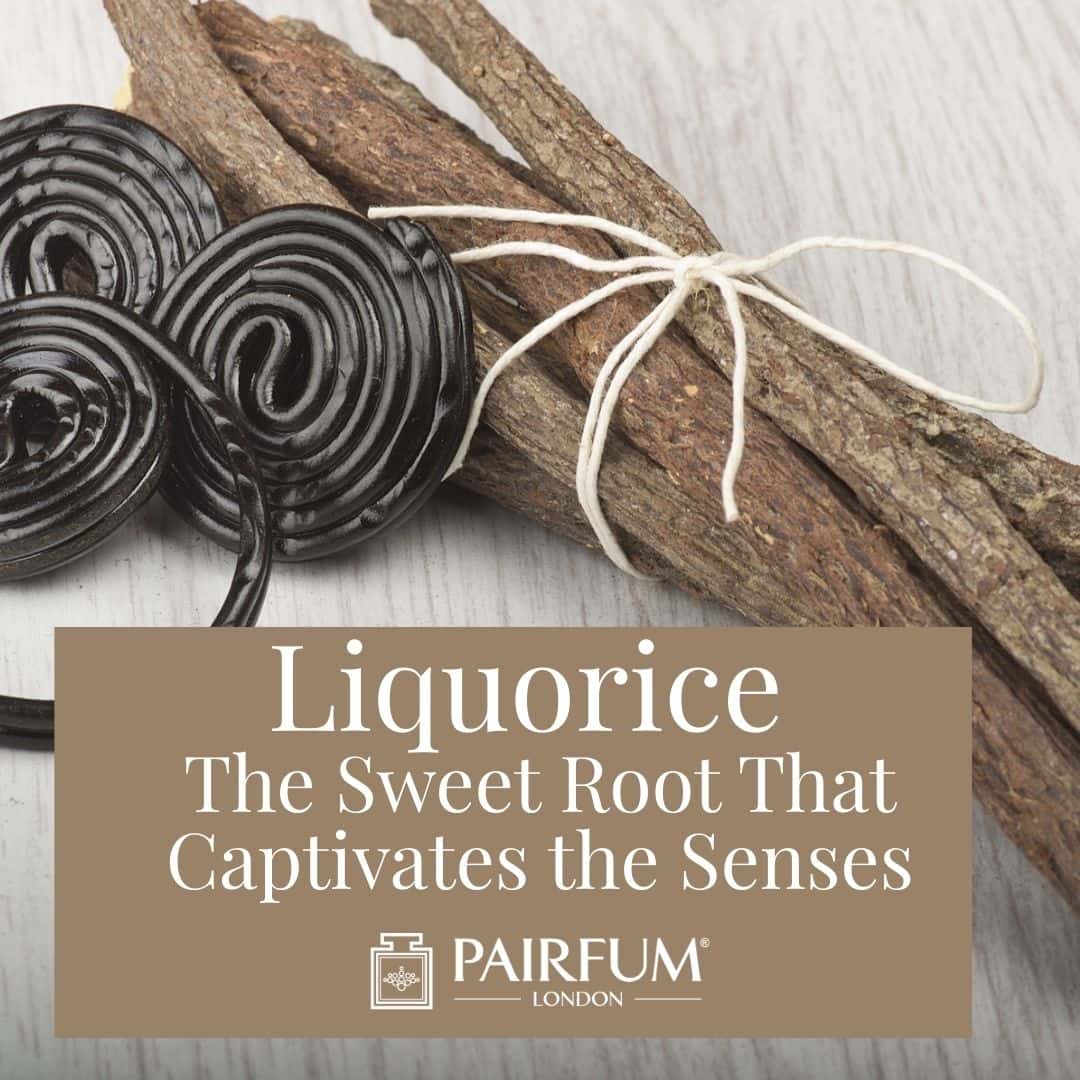
This is the unmistakable scent of liquorice. Imagine walking through a garden filled with blossoms and herbs, and catching on the breeze a fragrance that is unexpectedly warm and sweet yet faintly bitter and herbal. A single plant with extraordinary versatility, liquorice has been treasured for thousands of years. Most of us first meet it as children in colourful sweets such as liquorice allsorts, chewy liquorice torpedoes, or a pontefract cake from a traditional British tin. Others remember the sharp thrill of salty liquorice candy sold in northern Europe or the coiled charm of red liquorice wheels. Yet, beyond these memories of liquorice confectionery, the presence of the liquorice plant can also be found in medicine, supplements, cooking, herbal teas, and fine fragrance.
Ancient Roots and Early Uses
The journey of liquorice began in ancient civilisations. The liquorice plant is properly known as Glycyrrhiza glabra, a leguminous plant native to parts of southern Europe and western Asia. Its name comes from Greek words meaning “sweet root”, a precise description of its quality.
In Ancient Egypt, liquorice root was valued for its supposed power to grant long life. Archaeologists have discovered deposits of dried liquorice root buried alongside pharaohs, confirming its medicinal uses. Texts describe it being infused into sweet drinks flavoured with honey and herbs.
Greek physicians continued the tradition. The philosopher Theophrastus praised it, and Hippocrates noted it in his pharmacopeia. Actors and singers chewed pieces of liquorice root to soothe the throat before talking or performing, demonstrating its usefulness in herbal medicine. The Roman Empire spread liquorice across Europe. Military accounts showcase that Roman soldiers carried sticks of dried liquorice root in their packs. Its long-lasting, chewy consistency could suppress thirst and hunger and steady endurance during marches.
During the medieval period, monasteries cultivated liquorice plant in their cloisters. Monks turned the roots into tinctures, syrups, and lozenges. These were both remedies and rudimentary liquorice sweets, often sweetened with sugar or honey. Medicinal uses spanned stomach complaints, sore throats, and coughs. By the Renaissance, distilled liquorice extract was commonplace in apothecaries. Bottled waters scented with liquorice both refreshed the mouth and perfumed the body. Global trade encouraged its cultivation, and it became increasingly valuable.

Liquorice and the Rise of Confectionery
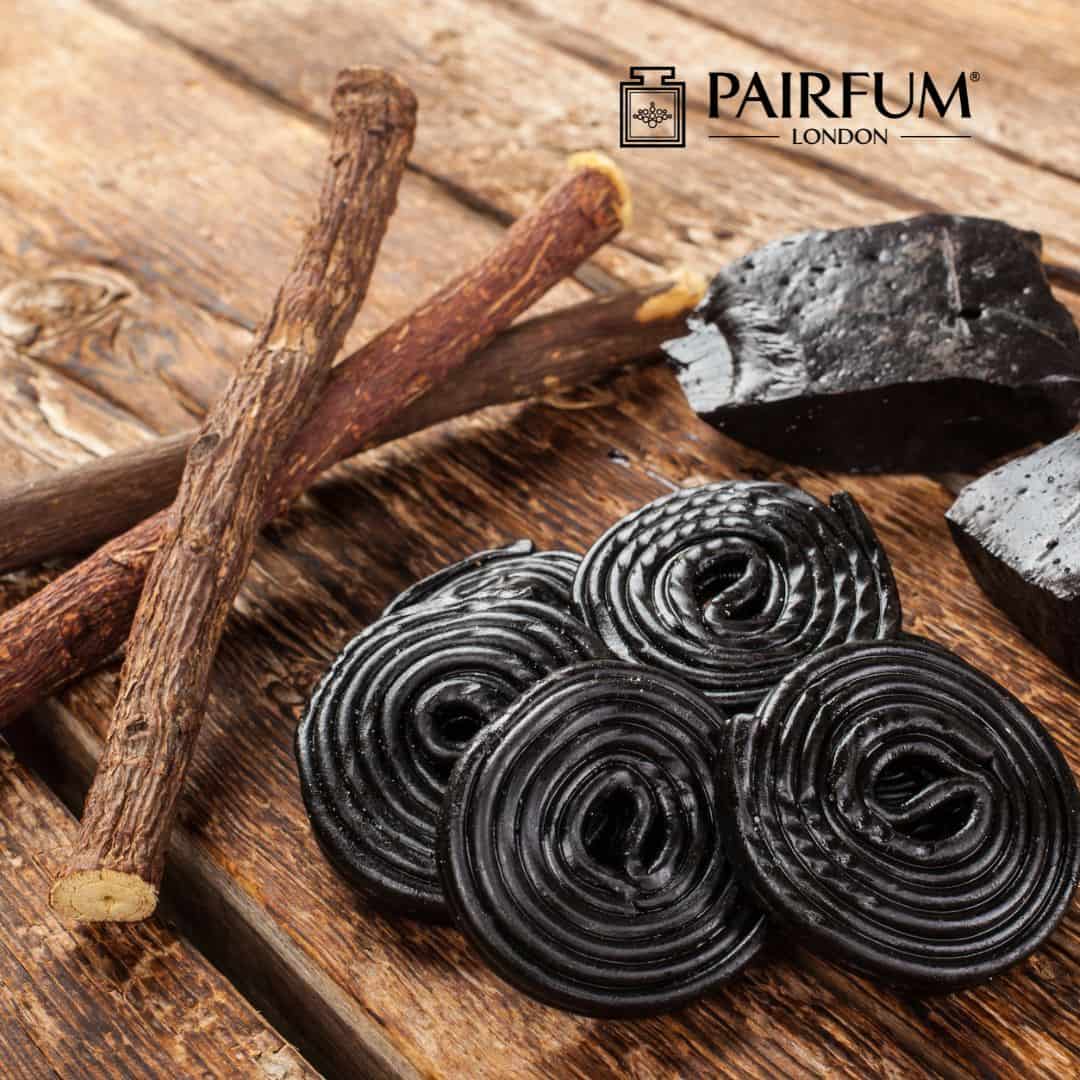
By the 18th and 19th centuries, liquorice confectionery took centre stage. In Pontefract, Yorkshire, cultivation and processing of the liquorice plant led to the creation of the circular stamped pontefract cake. Soft, chewy and deeply flavoured, it quickly grew popular. From there, liquorice sweets expanded into many varieties: bright liquorice allsorts with their layers of pastel-coloured fondant; sugar-coated liquorice torpedoes with glossy shells; coiled red liquorice wheels; and bite-sized pellets of black liquorice confectionery.
Different regions interpreted the taste in unique ways. Salty liquorice, also called salmiak liquorice, became beloved in Scandinavia, flavoured with ammonium chloride to deliver sharp salinity. This gave rise to famous variations such as Tyrkisk Peber, known for its fiery bite. In Finland, Denmark, and Sweden, salty liquorice candy is considered a national treasure.
In North America, palates tended to prefer milder versions. Red liquorice, though often containing no actual liquorice extract, became a dominant style, flavoured with fruits and ingredients unrelated to the natural root. For generations of Americans, “liquorice” meant red liquorice wheels or twists sold as candy, a far cry from the robust, bittersweet aroma of genuine black liquorice.
This divergence between liquorice confectionery traditions reflects culture. In Britain, classics like liquorice allsorts and black liquourice lozenges remain enduring symbols of childhood sweetshops. In the Netherlands, dropjes (as the Dutch call them) range from mild, honeyed forms to salty, double-salted varieties. Everywhere the recurring themes are memory, nostalgia and a once simple root transformed into chewy delights with layered flavour.
Composition and Chemistry of Liquorice
What gives liquorice its unique flavour is glycyrrhizic acid (or glycyrrhizin), a compound found in liquorice root. This natural sweetener is 50 times stronger than sugar, though unlike refined sugar, it carries herbal bitterness and earthy depth. It is this duality — sweet and bitter — that makes liquorice extract so versatile for perfumers.
Other key ingredients in the plant include flavonoids, volatile oils, and coumarins, which add complexity. Interestingly, some sweets use added anise oil to heighten or imitate the distinctive flavour of liquorice. Anise has a naturally similar taste profile, which is why many people confuse the two.

Liquorice in Health and Supplements
Beyond perfumery and confectionery, liquorice root remains a pillar of natural wellness. In both Traditional Chinese Medicine and Ayurveda, it is considered a harmoniser of ingredients in remedies. In modern contexts, it appears in supplements and herbal teas, particularly to support digestion and soothe throats.
Health research, reported by trusted medical sources, has shown that excessive consumption should be avoided because the glycyrrhizin in liquorice root can influence potassium levels and raise blood pressure. Still, moderate enjoyment is considered safe. For centuries, its place within herbal medicine proves the depth of cultural reliance on its healing powers.
This dual reputation — enjoyable in sweets but serious in medicinal uses — reveals once again how layered the identity of liquorice really is. Few plants connect so strongly to both taste and therapy, nostalgia and science.
The Aroma of Liquorice in Perfumery
Now, consider the same distinctive flavour transposed into aroma. In perfume it becomes warm, herbal, balsamic, earthy, and faintly caramelised. A perfumer might describe it as sitting somewhere between molasses, old wood, chocolate, balsam, and fennel seed.
Liquorice extract used in fragrances is prepared from the plant itself through careful extract methods such as steam distillation, solvent extraction, or CO₂ extraction. The resulting aroma is far more elegant than candy and liquorice sweets, and it blends beautifully.
- In gourmands, it enriches accords of vanilla, caramel, cocoa and chocolate.
- In orientals, it complements amber, resin, cinnamon and cardamom.
- In florals, it softens violet, iris and jasmine, giving depth beyond petals.
- Even with woody perfumes, its herbal sweetness brings intrigue.
This adaptability explains why perfumers return to it as frequently as cooks use chocolate — it ties together seemingly unrelated flavours and notes.
Liquorice Across Cultures
In Scandinavia, salty liquorice is more than food. It is woven into national identity, and rituals around salty liquorice candy have become associated with childhood. In Britain the pontefract cake recalls centuries of cultivation. Dutch sweet shops proudly stock dozens of varieties. In North America, licorice more often means red liquorice twists, sometimes fruit-flavoured, sometimes coiled into red liquorice wheels, and only occasionally true black liquorice confectionery.
Each variety, whether chewy, brittle or glossy, reiterates the cultural adaptability of the plant.
FAQs: Everything About Liquorice
What gives liquorice its flavour?
The distinctive flavour comes from glycyrrhizic acid in the liquorice root of the glabra species of the plant. Unlike sugar, it also contains earthy, herbal undertones.
Does liquorice in perfume smell like liquorice sweets?
Not exactly. Liquorice sweets use sugar, flour, molasses and sometimes anise. Perfume versions highlight the woodier, more herbal side.
What does black liquorice taste like?
Black liquorice, whether as a chewy stick or lozenge, blends the natural root with sugar and other ingredients. Black liquorice confectionery has been a classic across Europe for centuries.
What are liquorice allsorts?
A colourful medley of layered liquorice confectionery, combined with fondants, liquorice allsorts remain among the most recognisable British sweets.
Is there a difference between red and black liquorice?
Yes. Red liquorice often contains no liquorice root at all but instead uses fruit ingredients to offer a cherry-like flavour. Authentic black liquorice and black liquourice use true extract.
What is salty liquorice?
Known as salmiak liquorice, it is beloved in Scandinavia, often appearing as strong salty liquorice candy or brands like Tyrkisk Peber.
What are popular global styles of liquorice sweets?
Britain enjoys pontefract cake, continental Europe favours salty liquorice and dropjes, North America is familiar with red liquorice wheels, while the Netherlands loves double-salted forms.
Does liquorice appear in drinks or teas?
Yes, it appears in herbal teas and infusions worldwide. It is also used in chocolate desserts, sauces, and even some savoury recipes for its unusual flavour.
A Lasting Impression
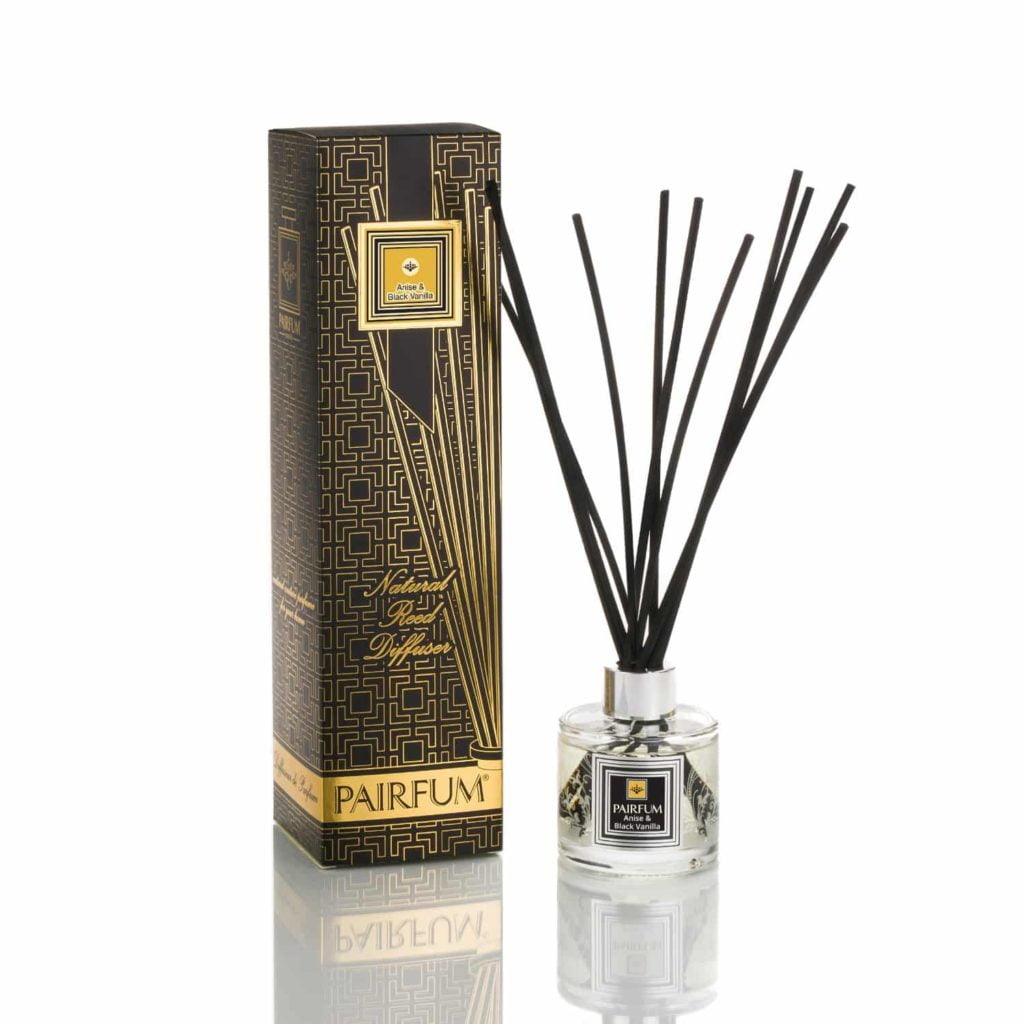
Liquorice occupies a rare space. It is a plant with a heritage in herbal medicine, a foundation in confectionery, a psychological trigger in sweets, and an aromatic gem in perfumery. It can be rustic in a chewy stick of black liquorice, playful in colourful liquorice allsorts, inventive in red liquorice wheels, or highly sophisticated in a gourmand fragrance paired with chocolate.
Across regions, traditions and centuries, the liquorice plant remains unforgettable, never bland and always stirring emotion. It tells us stories of empire and cultivation, of health and healing, of kitchens and sweet shops, of perfumers chasing a muse. Few ingredients in either flavour or fragrance can claim such a sweep of history and memory.
For anyone intrigued by the ways taste and scent overlap, liquorice is a perfect subject to visit again and again. A root, a medicine, a candy, a sweet treat, a fragrance note: each facet is as layered and captivating as the last.
Java Burn

Drink Coffee and Lose Weight
This will close in 12 seconds