


[ad_1]
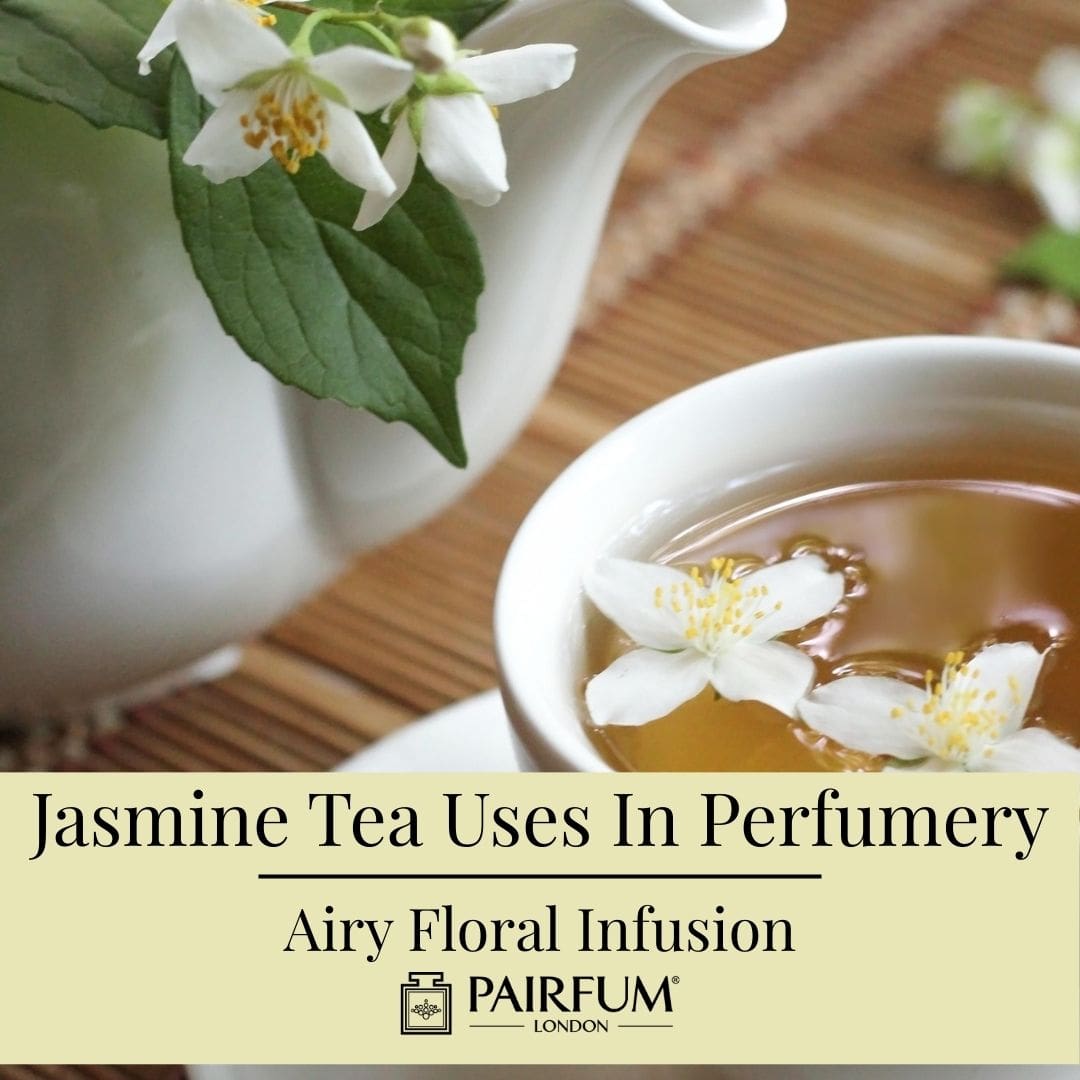
Jasmine tea is a premium infusion because it combines the delicate aroma of jasmine flowers with green or white tea leaves, which matters for those seeking relaxation and health benefits. This soothing beverage is celebrated for its calming properties, high catechin levels, and ability to support heart health and boost metabolism.
At CosmeticsUrgeryNews, we specialize in cosmetics, beauty, body care, hair care, and perfume, helping enthusiasts achieve a sense of tranquility and elegance through fragrance. Our mission is to provide insights and resources that empower users to make informed choices about their beauty and wellness routines.
This guide covers several key attributes of jasmine tea in perfumery, including:
- The origins and significance of jasmine tea
- The botanical craft behind jasmine tea production
- How perfumers incorporate jasmine tea into fragrances
- The fragrance families that complement jasmine tea
- Notable perfumes featuring jasmine tea
Where Does Jasmine Tea Come From and Why Is It Special?
Jasmine tea originated in China, often associated with relaxation and traditional rituals. The art of scenting tea leaves peaked during the Song Dynasty, where fresh jasmine blossoms were layered over dried green tea. This slow process allowed the tea to absorb the floral aroma, creating a unique flavor profile.
Once the tea was prepared, the jasmine petals were removed, leaving behind a fragrant infusion. This combination of floral notes and green tea freshness feels soft yet clear, reminiscent of cool air with a hint of bloom. Perfumers quickly recognized its potential for cooler weather, where jasmine tea provides warmth without being overpowering.
What Is the Botanical Craft Behind Jasmine Tea?
To appreciate the complexity of jasmine tea in fragrance, we must examine the tea plant, Camellia sinensis. In regions like Fujian Province, master crafters select specific base teas, such as green, white, or oolong. Occasionally, black tea is used, but lighter teas better preserve the delicate floral aroma.
High-end varieties include Jasmine Silver Needle and jasmine pearls. Silver Needle tea is prized for its downy white hairs and needle-like shape. When scented with fresh jasmine flowers, it produces a creamy, ethereal scent. Jasmine pearls are hand-rolled into small spheres that unfurl in hot water, releasing a burst of fragrance.
How Do Perfumers Use Jasmine Tea in Fragrances?
Perfumers employ various methods to incorporate jasmine tea into fragrances. Some use natural techniques like enfleurage, while others rely on steam distillation. These methods can be unpredictable, leading many perfumers to use safe synthetics for consistency.
The goal remains the same: to create a scent that captures the essence of jasmine over green tea. When executed well, the fragrance features:
- A clear green note providing a clean base
- A soft floral center that feels airy
- A subtle trail that fades gently
Jasmine tea is often found in Eau de Parfums, where clarity and calmness are paramount. While it may not be immediately recognized, its balanced, light, and peaceful aroma resonates with wearers.
What Is the Ritual of Scent and Flavor Beyond the Bottle?
Beyond its scent, jasmine green tea offers well-known flavor and health benefits. Brewing loose leaf tea creates a sensory experience akin to perfume evolution. The caffeine provides a gentle lift, while the calming properties of jasmine define the experience.
Whether using tea bags or loose leaf, care is essential. Jasmine flowers must be picked at their peak to capture the best scent. Chinese jasmine green tea is floral and velvety, while Japanese varieties are more oceanic and grassy.
The traditional scenting process may involve layering flowers up to seven times for the highest grades. This dedication ensures the tea absorbs essential oils, making premium jasmine tea one of the most sought-after scented teas globally.
Which Fragrance Families Fit Jasmine Tea Best?
Jasmine tea fits into various fragrance families but excels in softer, more natural types. It complements florals that are subtle, aromatics that settle into the skin, and tea-inspired blends that emphasize balance.
In perfume, jasmine tea supports and smooths rather than dominates. It pairs well with:
- Light woods like cedar or birch
- Gentle spices such as cardamom or pink pepper
- Mild citrus notes that refresh without sourness
This versatility makes it ideal for gender-neutral creations. Jasmine tea maintains a calm essence, softening stronger notes and providing a steady backdrop. In cool weather, it feels like a deep breath.
What Are Some Iconic Perfumes Featuring Jasmine Tea?
While not all perfumes list jasmine tea, its essence often appears in niche fragrances emphasizing nature and elegance. Look for perfumes with green tea or jasmine in the ingredients, signaling this gentle infusion.
These fragrances typically start clean, with a drydown that remains close to the skin. Jasmine tea fragrances linger lightly, providing a calming presence during late winter’s last cold mornings.
Notable Jasmine Tea Fragrances
Kilian – Imperial Tea: A refined tribute to jasmine green tea rituals, this crisp blend pairs authentic green tea leaves with heady jasmine sambac.
Memo Paris – Inlé: An airy scent inspired by tea gardens, combining jasmine tea with osmanthus for a delicate, slightly fruity floral trail.
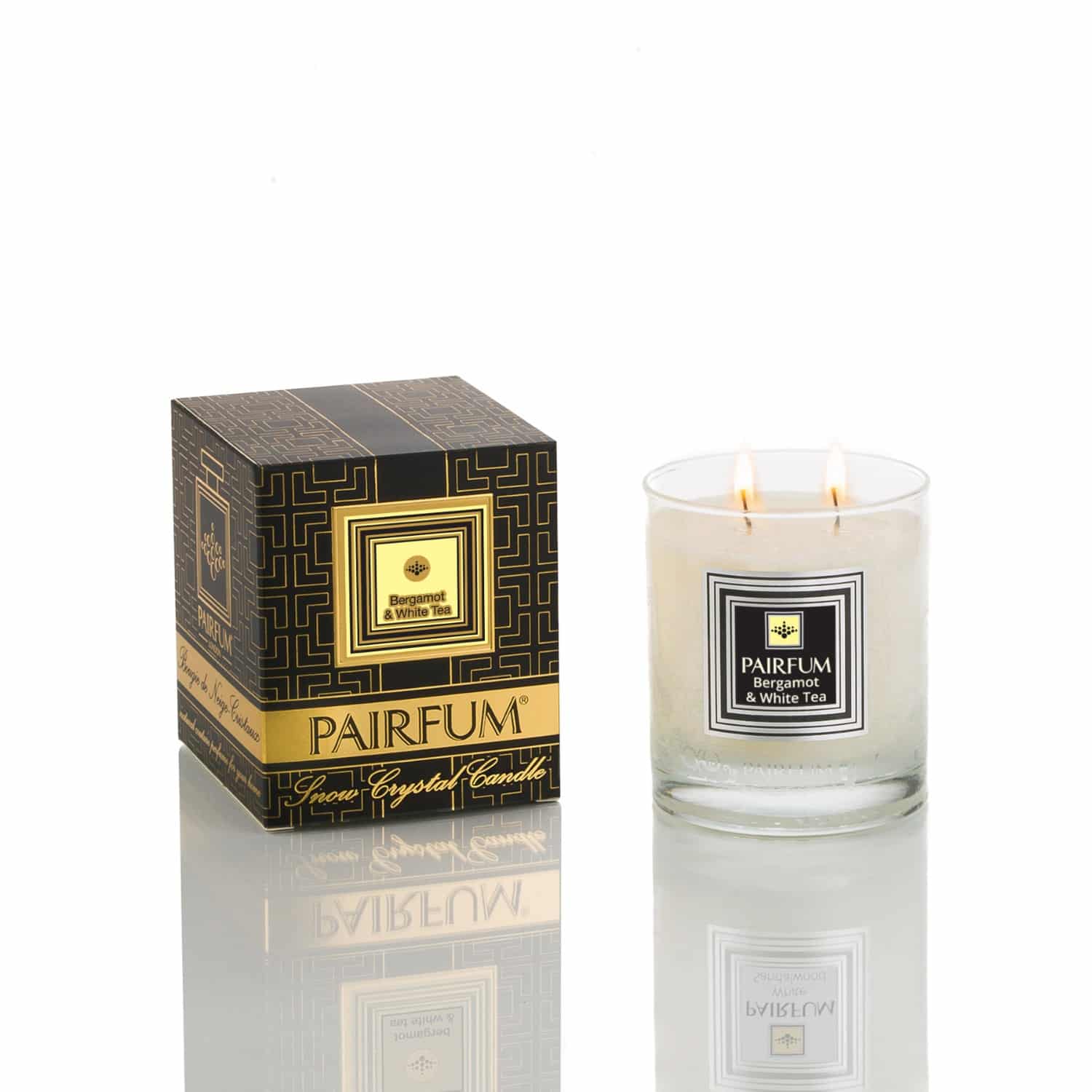
The refreshingly sophisticated bouquet of White Tea, Ripe Bergamot, and Lime Leaves, infused with Aromatic Thyme, Jasmine Tea, White Lily, Nutmeg, and Black Pepper, rests on a base of Woody, Powdery Musk.
A Fragrant Pause: The Quiet Charm of Jasmine Tea
Perfume enthusiasts appreciate jasmine tea for its simplicity and calming presence. Its ability to provide clarity and softness without complications makes it an ideal signature scent. This note acts as a gentle anchor, offering warmth and comfort. Enjoying a warm cup of jasmine dragon pearl or a fine spray of floral tea fragrance creates a timeless connection to botanical beauty.
