


Confronting the Challenge of Acne
Waking up on a vibrant Monday morning with enthusiasm to start the week can quickly turn into a disheartening experience if you suddenly notice a new acne breakout that seemingly appeared overnight. The sight of those angry red bumps in the mirror can be quite unsettling, leaving you feeling defeated and frustrated. Acne can strike at any moment, turning a hopeful day into one filled with self-doubt and worry about your skin’s appearance.
Despite your commitment to a diligent skincare routine, the acne persists stubbornly, almost as if it’s mocking your efforts. You’ve exhausted numerous over-the-counter solutions, yet nothing seems to alleviate the issue. This begs the critical question: Are you possibly using the wrong products or approaches for your unique skin type?
To effectively conquer acne, it’s essential to determine whether it’s hormonal or bacterial in nature. Recognizing this distinction is vital in selecting the most suitable treatments that can lead to the attainment of clear, radiant skin. In this guide, we will explore how to identify the type of acne you are experiencing and the appropriate steps to take for effective treatment.
Diving Deep into Acne Types
Many individuals mistakenly approach acne treatment as a one-size-fits-all issue, hastily reaching for any product that promises a quick fix. The real struggle often arises from a lack of understanding regarding the specific type of acne they are facing, which can lead to ineffective treatments and prolonged frustration. Acne can be primarily classified into two categories: hormonal and bacterial, each with unique causes and characteristics that necessitate different treatment strategies.
Hormonal Acne Explained
Hormonal acne is primarily caused by fluctuations in hormones, commonly observed during significant life phases such as puberty, menstrual cycles, pregnancy, and menopause. This type of acne typically presents as deep, painful cystic pimples that often appear around the jawline, chin, and cheeks. The triggers for hormonal acne can be multifaceted, including hormonal imbalances, elevated stress levels, and dietary choices. For example, a diet high in sugar and dairy has been shown to exacerbate acne conditions, while stress can elevate cortisol levels, resulting in increased inflammation and breakouts.
Bacterial Acne Uncovered
In contrast, bacterial acne arises from the presence of the bacteria Propionibacterium acnes, which clogs pores and leads to inflammation. This results in the formation of whiteheads, blackheads, and pustules that can manifest on the face, chest, and back. Key contributors to bacterial acne include poor hygiene practices, excessive oil production, and the use of comedogenic products that obstruct pores. Accurately identifying the type of acne you are dealing with is essential in selecting the most effective treatment methods, paving the way to clearer skin.
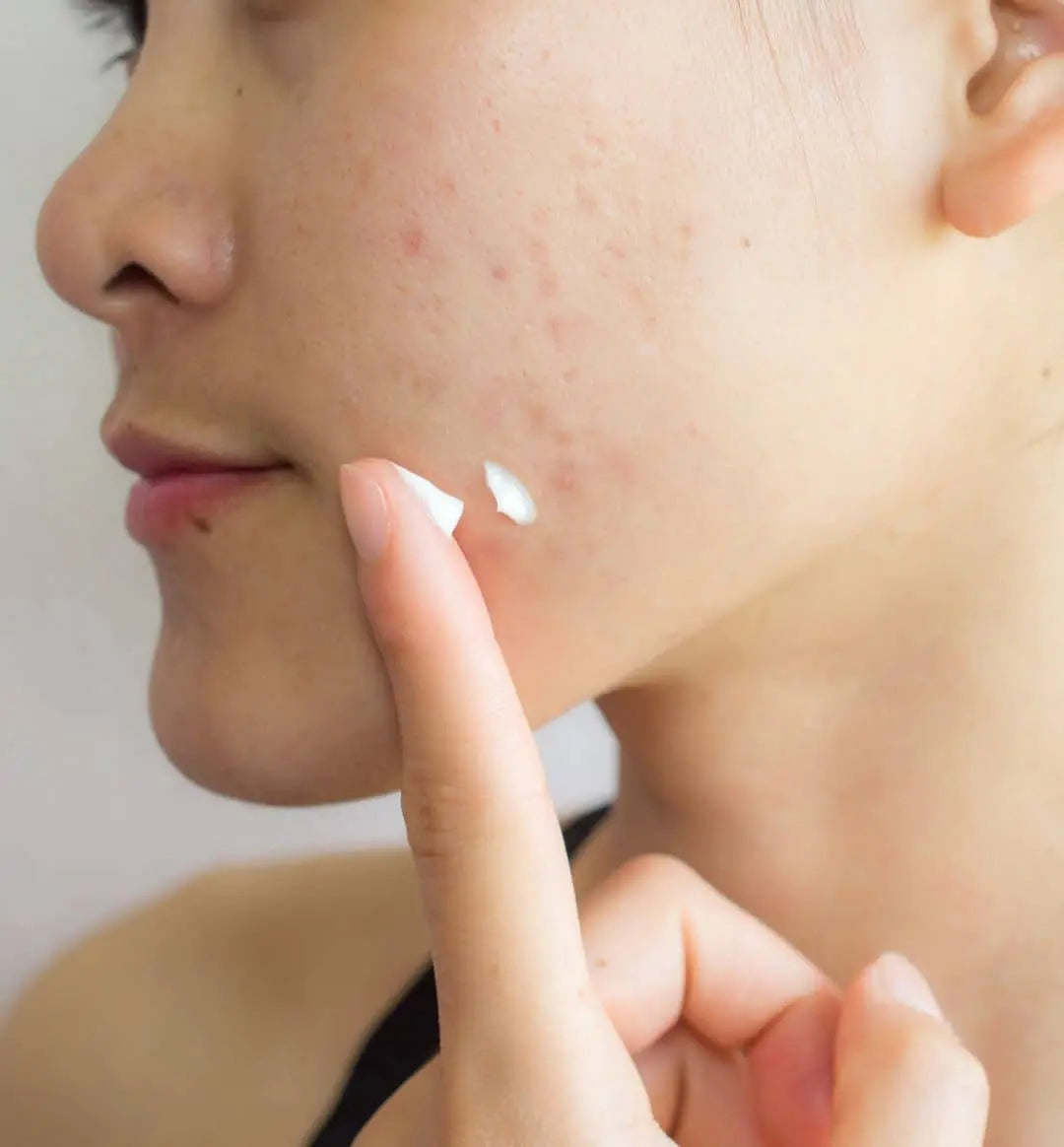
Steps to Accurately Identify Your Acne Type
Before embarking on any acne treatment journey, it’s imperative to first establish whether your acne is hormonal or bacterial. Misjudging the type can lead to ineffective treatments, wasting both time and money while potentially worsening the condition. By correctly determining the nature of your acne, you can choose the most suitable and effective treatment plan. Here’s a structured approach to help you find the answer:
Step 1: Analyze the Location of Breakouts
Hormonal Acne: Observe the areas where your breakouts are most prevalent. Hormonal acne often clusters along the jawline, chin, and lower face, as these regions are particularly sensitive to hormonal fluctuations and changes.
Bacterial Acne: Bacterial acne can manifest anywhere on the body but is notably frequent on the forehead, nose, cheeks, chest, and back. These areas are more susceptible to bacterial growth and inflammation due to increased oil and sweat production.
Step 2: Assess the Symptoms You Experience
Hormonal Acne: Take note of the nature of your pimples. Hormonal acne often presents as deep, painful cysts that do not come to a head. These cysts may feel tender when touched and can often be felt as lumps beneath the skin’s surface.
Bacterial Acne: Bacterial acne typically results in surface-level pimples, including whiteheads and blackheads. These types of acne are usually less painful and can be identified as small, inflamed bumps or clogged pores visible on the skin’s surface.
Step 3: Identify Your Acne Triggers
Hormonal Acne: Reflect on the factors that seem to trigger your breakouts. Hormonal acne often fluctuates with your menstrual cycle, levels of stress, and dietary changes. For instance, breakouts may intensify just before your period, during particularly stressful periods, or after consuming specific foods.
Bacterial Acne: Consider your hygiene habits and environmental influences. Bacterial acne can worsen due to poor hygiene, excessive sweating, and the application of oily or comedogenic products that clog pores. It is often exacerbated by insufficient cleansing routines, frequent touching of the face, and wearing non-breathable clothing that traps sweat against the skin.
Targeted Treatment Strategies for Hormonal and Bacterial Acne
Each type of acne necessitates distinct treatment strategies that employ concentrated ingredients tailored to address its root causes and promote clearer skin.
Treating Hormonal Acne Effectively
For hormonal acne, incorporating ingredients such as salicylic acid, niacinamide, and tea tree oil into your skincare regimen is vital. Salicylic acid functions by exfoliating and unclogging pores, thereby preventing acne formation through the removal of dead skin cells and reduction of inflammation. Niacinamide is particularly important for its ability to diminish inflammation and regulate oil production, which can assist in balancing the hormonal fluctuations that typically trigger breakouts. The antibacterial and anti-inflammatory properties of tea tree oil provide soothing effects, making it an effective natural remedy for acne.
100% PURE Product Recommendations for Hormonal Acne:
Tea Tree & Willow Clarifying Cleanser: This exceptional cleanser performs a deep cleanse of the skin while effectively reducing inflammation, making it an ideal choice for managing hormonal acne. It efficiently removes impurities and excess oil to prevent clogged pores and subsequent breakouts.
Niacinamide Boost: This product is designed to regulate oil production and soothe the skin, helping to diminish the frequency and severity of breakouts. Its anti-inflammatory benefits make it particularly effective in calming irritated skin and preventing new acne from forming.
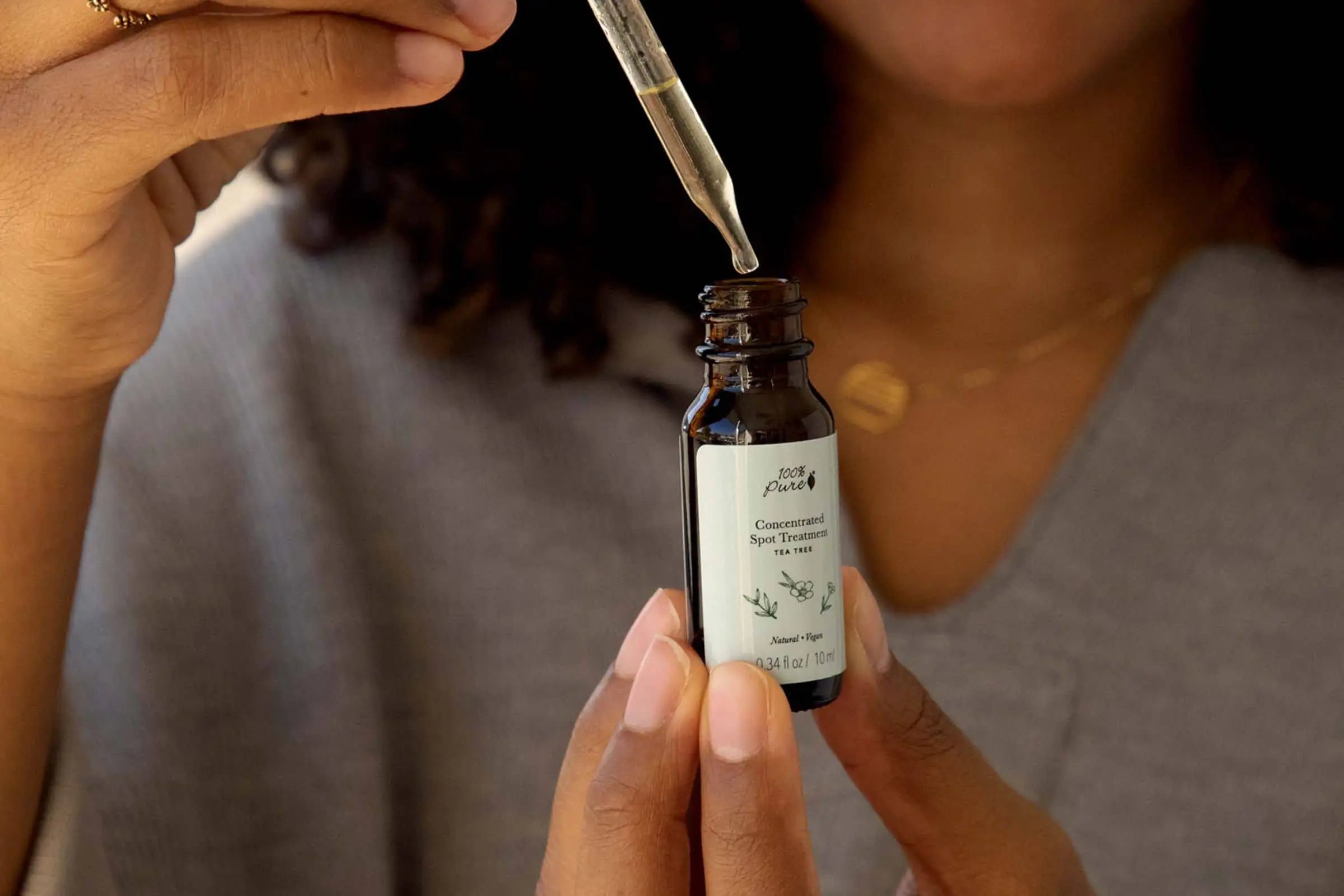
Tea Tree Concentrated Spot Treatment: This powerful spot treatment targets individual pimples, effectively reducing inflammation and promoting the healing process. Its concentrated formula ensures quick relief and helps clear acne more rapidly.
Addressing Bacterial Acne with Effective Ingredients
For bacterial acne, powerful ingredients such as benzoyl peroxide, alpha hydroxy acids (AHAs), and retinol are crucial for successful treatment. Benzoyl peroxide is particularly effective as it targets and eliminates acne-causing bacteria while simultaneously reducing oil production, directly addressing the bacterial factor of acne. AHAs work to exfoliate and unclog pores, facilitating the shedding of dead skin cells to prevent and treat existing acne. Retinol is renowned for its ability to enhance cell turnover and minimize clogged pores, leading to improved skin texture and a reduction in future breakouts.
100% PURE Product Recommendations for Bacterial Acne:
Acai Pulp Facial Scrub: This scrub, enriched with natural AHAs, effectively exfoliates and unclogs pores. Incorporating it into your bacterial acne treatment regimen can significantly help in removing dead skin cells and preventing clogged pores, thereby keeping acne at bay.
Black Tea Grass Jelly Anti-oxidant Moisturizer: This moisturizer offers antioxidant protection while soothing inflammation, aiding in the maintenance of clear and healthy skin. Its lightweight formula ensures adequate hydration without causing greasiness or pore blockage.
Retinol Restorative Overnight Balm: This overnight balm promotes cell turnover and mitigates clogged pores, assisting in the clearing of existing acne while preventing new breakouts. With its retinol content, it enables the skin to renew itself more efficiently, resulting in a clearer complexion.
By integrating these targeted products from 100% Pure into your skincare routine, you can effectively address the specific requirements of your acne type, leading to more successful and sustainable results.
Inspirational Success Stories from 100% PURE Customers
Listening to the experiences of others who have successfully managed their acne can serve as a significant source of encouragement and motivation. Below are testimonials from customers who have observed remarkable improvements in their skin using 100% PURE products.
Tea Tree & Willow Clarifying Cleanser
“The Tea Tree & Willow gel cleanser feels like applying aloe to a sunburn, but for my acne. It effectively cleans out dirt and oil buildup from my pores and truly brightens my complexion! It works wonderfully for my combination skin. I make sure to massage it into my T-zone and let it sit on my face for a few minutes for optimal results. It does not irritate my rosacea at all.” – Caroline
Niacinamide Boost
“Absolutely fantastic! I have been searching for a natural product containing niacinamide for an extended period. I tried prescription products from a dermatologist that left my skin feeling burnt and dried out. I have sun-damaged skin, large pores, and occasional acne, and this product has been my holy grail. I can see an immediate difference when I use it. I apply it with damp hands on a wet face to keep the potency, and it works wonders for me. 100% Pure has been transformative for my skincare routine. I’m so grateful!” – Lucy S.
Tea Tree Concentrated Spot Treatment
“This product has been a game changer for me. It has significantly helped with my acne issues. Once I spot a pimple, I apply a drop and notice improvement within just a few hours.” – Dani
Acai Pulp Facial Scrub
“I developed a lot of acne from wearing a mask all day, but this scrub has revitalized my skin.” – Andrea C.
Black Tea Grass Jelly Anti-oxidant Moisturizer
“I’ve never encountered a product like this before. It has greatly assisted in clearing my acne; it smells amazing and is lightweight. I plan to buy one for my daughter since she has been sneaking in and using it every day!” – Elvia F.
Retinol Restorative Overnight Balm
“I purchased this to incorporate retinol into my skincare routine for anti-aging, but I had no idea how dramatically it would help reduce my breakouts. I can now go days without experiencing new blemishes, and nothing else in my 15+ years of battling varying severities of acne has worked as effectively. It’s a powerful retinol with rich moisture that leaves my skin feeling smoother. I love it!” – Hannah
These inspirational success stories illustrate the potential for transformation in your skin. By identifying your acne type and selecting the right products, you too can achieve the clear, healthy skin you desire. Begin your skincare journey today and unlock the possibilities for your skin’s transformation with 100% PURE.
Embark on Your Path to Clear Skin Now
Taking the initial step towards achieving clear and smooth skin starts with identifying your unique type of acne. By understanding whether your acne is hormonal or bacterial, you can choose the most effective treatments tailored specifically to your needs.
By accurately pinpointing the nature of your acne and selecting the appropriate treatments, you can progressively work towards clearer, healthier skin. Don’t allow acne to dictate your life—initiate your journey to smooth, clear skin today by dedicating time to understanding your skin’s unique needs and employing targeted solutions.
For additional insights on identifying and treating your acne, explore our comprehensive Skin Care Guide and FAQs. If you seek personalized advice, our Customer Support team is available to assist you in finding the optimal approach for your unique skin requirements. Start your journey towards confidence and radiant skin through the power of knowledge and the right resources.
Your Acne Questions Answered: FAQs
How can I differentiate between hormonal and bacterial acne?
Hormonal acne typically appears around the jawline, chin, and lower face, often correlating with menstrual cycles, puberty, or other hormonal shifts. It features deep, cystic lesions that may be tender to the touch. Conversely, bacterial acne can develop anywhere on the face and is generally less cyclical, presenting as inflamed pimples and pustules caused by clogged pores that become infected with bacteria. A dermatologist can conduct specific evaluations, such as hormonal blood tests or bacterial cultures, to accurately determine the nature of your acne and guide you towards appropriate treatment.
What are the most effective treatments for hormonal acne?
Treatments for hormonal acne primarily focus on regulating hormone levels and reducing inflammation. Common options include oral contraceptives to balance hormone levels, anti-androgen medications like spironolactone, and topical retinoids that help prevent clogged pores. In more severe cases, dermatologists may recommend medications such as isotretinoin. Additionally, implementing lifestyle changes, such as managing stress, maintaining a balanced diet, and ensuring proper skincare practices, can complement medical interventions. Consulting with a dermatologist is essential for personalized treatment plans tailored to your specific needs.
How does benzoyl peroxide work to treat bacterial acne?
Benzoyl peroxide effectively combats bacterial acne by targeting the bacteria responsible for acne, particularly Propionibacterium acnes (P. acnes). It introduces oxygen into the pores, creating an inhospitable environment for these anaerobic bacteria. Furthermore, benzoyl peroxide aids in exfoliating dead skin cells, reducing clogged pores, and mitigating inflammation. It is available in various concentrations and can be applied as a spot treatment or as an all-over facial wash.
Can lifestyle modifications help in managing hormonal acne?
Absolutely, lifestyle modifications can significantly aid in reducing hormonal acne. Maintaining a well-balanced diet rich in fruits, vegetables, lean proteins, and whole grains can stabilize blood sugar levels and minimize inflammation. Regular physical activity promotes hormonal regulation and reduces stress, which is a known trigger of acne. Ensuring adequate sleep and employing effective stress management techniques, such as yoga or meditation, can also play a crucial role in acne management. Additionally, avoiding dairy and high-glycemic foods, which may exacerbate hormonal imbalances, can be beneficial.
What is the recommended frequency for using retinol in acne treatment?
For acne treatment, retinol is typically recommended to be used 2-3 times per week initially, allowing your skin to adjust and minimizing the risk of irritation. Over time, as your skin builds tolerance, you may gradually increase usage to nightly applications if needed and well-tolerated. Retinol accelerates cell turnover, unclogs pores, and reduces inflammation, making it effective for acne management. To counteract dryness, it’s essential to use a moisturizer and apply sunscreen daily, as retinol can heighten sun sensitivity.
var windowWidth,lazyLink,lazyImages,lazySource,lazyBackground,lazyIframe,lazyScripts,navigator_platform,lazyLoadedJS,src,style,datasrc,urls,analytics,s,x,i,j,flag;
function init(){flag&&(flag=0,load_all_js(),lazyLoadImg(),lazyLoadBackground(),lazyLoadIframe(),lazyLoadSource())}
function isElementInViewport
var a=t.getBoundingClientRect();
return a.top>=0&&a.left>=0&&a.bottom<=(window.innerHeight||document.documentElement.clientHeight)&&a.right<=(window.innerWidth||document.documentElement.clientWidth)
}
function insertAfter(newNode, referenceNode) {
referenceNode.parentNode.insertBefore(newNode, referenceNode.nextSibling);
}
function isElementInView
var a=t.getBoundingClientRect();
return a.top(window.innerHeight/2||document.documentElement.clientHeight/2)
}
function lazyLoadLink(){
lazyLink.forEach(function
t.href=null==t.dataset.href?t.href:t.dataset.href
})
}
function lazyLoadImg(){
lazyImages.forEach(function
null!=(src=windowWidth<600?null==t.dataset.mobsrc?t.dataset.src:t.dataset.mobsrc:t.dataset.src)&&(t.src=src),t.classList.remove("lazy2")
})
}
function lazyLoadImg2(){
lazyImages.forEach(function
isElementInViewport
})
}
function lazyLoadSource(){
lazySource.forEach(function
t.srcset=null==t.dataset.srcset?t.srcset:t.dataset.srcset
})
}
function lazyLoadBackground(){
lazyBackground.forEach(function
lazybg=windowWidth<768?null==t.dataset.mobstyle?t.dataset.style:t.dataset.mobstyle:t.dataset.style,null!=lazybg&&(t.style=lazybg),t.classList.remove("lazybg")
})
}
function lazyLoadIframe(){
lazyIframe.forEach(function
t.src=null==t.dataset.src?t.src:t.dataset.src
})
}
function lazyLoadScripts(){
j!=lazyScripts.length&&("lazyload2"==lazyScripts[j].getAttribute("type")?(lazyScripts[j].setAttribute("type","lazyloaded"),void 0!==lazyScripts[j].dataset.src?((s=document.createElement("script")).src=lazyScripts[j].dataset.src,document.body.appendChild(s),s.onload=function(){j++,lazyLoadScripts()}):((s=document.createElement("script")).innerHTML=lazyScripts[j].innerHTML,document.body.appendChild(s),j++,lazyLoadScripts())):(j++,lazyLoadScripts()))
}
function lazyLoadCss
(s=document.createElement("link")).rel="stylesheet",s.href=t,document.getElementsByTagName("head")[0].appendChild(s)
}
function lazyLoadJS
if(lazyLoadedJS)return setTimeout(function(){lazyLoadJS
}
function wnwAnalytics() {
var script2 = document.querySelectorAll(".analytics");
script2.forEach(function(analyticsScript) {
trekkie.integrations=false;
s = document.createElement("script");
s.innerHTML = analyticsScript.innerHTML;
insertAfter(s, analyticsScript);
analyticsScript.parentNode.removeChild(analyticsScript);
});
}
document.addEventListener("DOMContentLoaded",function(){windowWidth=screen.width,lazyLink=document.querySelectorAll("link"),lazyImages=document.querySelectorAll("img.lazy2"),nolazyImages=document.querySelectorAll("img.lazy"),lazyBackground=document.querySelectorAll(".lazybg"),lazyIframe=document.querySelectorAll("iframe"),lazySource=document.querySelectorAll("source"),lazyScripts=document.getElementsByTagName("script"),navigator_platform=navigator.platform,i=0,j=0,flag=1,window.addEventListener("scroll",function(){init()}),window.addEventListener("mousemove",function(){init()}),window.addEventListener("touchstart",function(){init()}),"Linux x86_64"!=navigator_platform&&init(),setTimeout(function(){init()},60000)});
function load_all_js() {
// console.log("Yes-optimization");
lazyLink=document.querySelectorAll("link");
lazyLoadLink();
/*
lazyLoadJS("storefront-a2d444786d996da5634fbbaeeffe6104ee672440dfa6cdcaebfb27dceaaf9c0f.js?v=20220906");
lazyLoadJS("analytics.js");
lazyLoadJS("consent-tracking-api.js");
lazyLoadJS("features-1c0b396bd4d054b94