



How nurturing is Mother Nature when it comes to our skin? While some may feel conflicted about her unpredictable weather patterns, the reality is that we all share a deep respect for her as a powerful force of nature and a source of life. This reverence extends especially to the bountiful gifts she offers, which include an array of natural ingredients that enhance our skincare routines.
From plants and food to flowers and fruits, we are fortunate to benefit from Mother Nature’s diverse offerings when it comes to skincare solutions. The assumption might be that all these natural ingredients are universally suitable for every skin type. However, this is not always the case. The truth is that the relationship between skincare ingredients and skin types is complex and nuanced.
It’s important to recognize that Mother Nature’s creations are not all equal, and some natural ingredients may not suit every skin type or address every concern. Understanding your skin type and how natural ingredients can benefit it is crucial. Let’s explore the intricacies of your skin and the advantages of natural ingredients while also dispelling some prevalent myths about the effectiveness and suitability of these natural elements in skincare.
Identifying Your Unique Skin Type for Optimal Care
Toasting to the knowledge of your skin type is a celebration worth having, as this insight is one of the most valuable pieces of information you can possess. Just like our varying taste preferences, our choices in skincare products differ widely. While the vast array of options can feel liberating, it can also lead to confusion and difficulty in making optimal choices for skincare products.
Understanding your specific skin type equips you with the tools necessary to select products that genuinely benefit your skin and avoid those that could potentially cause harm, such as those laden with synthetic ingredients. Whether your skin is oily, dry, a combination, or particularly sensitive, opting for high-quality ingredients specifically tailored to your unique needs is essential in discovering the right natural products that work effectively for you.
Normal Skin: The Ideal Balance
Consider this skin type the gold standard in skincare. Typically, it behaves well with minimal issues, aside from the occasional hormonal blemish. Normal skin is often the most desired type due to its balanced nature, feeling neither excessively oily nor overly dry, making it low-maintenance and easy to care for.
Dry Skin: The Need for Nourishment
Dry skin requires a bit more attention and nurturing to maintain its health. Those with this skin type often experience feelings of tightness, flaking, and redness, leading to a complexion that appears dull and parched. This condition arises because dry skin produces less sebum, or natural oils, compared to other skin types, necessitating a focus on hydrating ingredients.
Oily Skin: Recognizing the Shine
Oily skin is one of the most recognizable skin types, and most individuals with this condition are well aware of it. This skin type typically showcases a shiny or slick surface, especially in the T-zone (forehead, nose, and chin), primarily due to overproduction of oil. Understanding this can help in choosing products that balance oil levels and prevent potential breakouts.
Combination Skin: The Multifaceted Challenge
Combination skin exhibits traits from both oily and dry skin types. It can present with oily areas, particularly in the T-zone, alongside dry patches on the cheeks or around the mouth. This type can also fluctuate between being oily and dry, making it essential to adopt a versatile skincare routine that addresses the diverse needs of different areas of the face.
Acne-Prone Skin: Managing Breakouts
Acne-prone skin often has a bumpy texture characterized by the presence of blackheads, whiteheads, and frequent breakouts. Inflammation often accompanies these breakouts, which are exacerbated by excessive oil production. There is a notable overlap between oily skin and acne-prone skin, as the latter typically arises from the same excess oil that clogs pores and leads to blemishes.
Sensitive Skin: The Delicate Dilemma
Sensitive skin tends to be reactive, akin to a sensitive flower that wilts at the slightest disturbance. This type often shows signs of redness, itchiness, or irritation caused by various triggers, including skincare products, temperature changes, and physical activity. Individuals with sensitive skin may also be diagnosed with conditions like eczema, rosacea, or dermatitis, further emphasizing the need for gentle, soothing ingredients.
*Note: It is crucial to differentiate between skin type and skin behavior. For instance, experiencing hormonal breakouts or sensitivity can occur within any skin type listed above.
Embracing the Natural Skincare Movement for Healthier Skin
The rise of natural skincare is a movement fueled by consumer demand for healthier alternatives. For years, consumers have been inundated with synthetic compounds in their skincare products, leading to confusion and concern over their safety. As awareness about the ingredients we apply to our skin grows, the popularity of natural skincare continues to expand, and justifiably so.
Unlike traditional skincare options that are often laden with harsh chemicals, natural skincare products prioritize organic ingredients that are gentle on the skin and free from harmful synthetic additives. The benefits of using these natural formulations are extensive; they significantly lower the risk of skin irritations, allergic reactions, and other adverse effects that can arise from long-term use of chemical-laden products.
In today’s world, many individuals are embracing the philosophy of caring for their skin with products inspired by Mother Nature’s wisdom. This shift is not just a fleeting trend; it represents a significant movement gaining traction globally. What is driving this momentum? Here are some key factors contributing to the growing interest in natural skincare:
#1. A heightened awareness of the harmful effects that synthetic chemicals and toxins can have on skin health.
#2. A desire for safer, more sustainable alternatives that prioritize using natural ingredients over harmful additives.
#3. An increasing demand for cruelty-free and vegan skincare options that align with ethical and environmental principles.
#4. Natural ingredients are celebrated for their proven benefits, including soothing, hydrating, and anti-aging properties.
#5. A focus on holistic wellness in natural skincare, promoting overall health and balance rather than relying on toxic ingredients.
#6. Natural skincare products are believed to work synergistically with the skin’s natural processes, promoting a radiant complexion.
#7. The absence of synthetic components makes natural cosmetics non-toxic and environmentally friendly, appealing to conscious consumers.
Exploring Natural Skincare Ingredients and Debunking Common Misconceptions
Natural skincare products are formulated with ingredients sourced from nature, including fruits, plants, minerals, and other organic materials. These formulations are typically free from synthetic chemicals, artificial fragrances, parabens, sulfates, and other harmful substances that are often present in conventional skincare products.
Natural skincare boasts a wide variety of effective ingredients that are gentle on the skin. Here are some common natural components you might encounter and their benefits:
Tea Tree Oil: Renowned for its antibacterial and anti-inflammatory properties, tea tree oil is frequently utilized to treat acne and blemishes while controlling excess oil production.
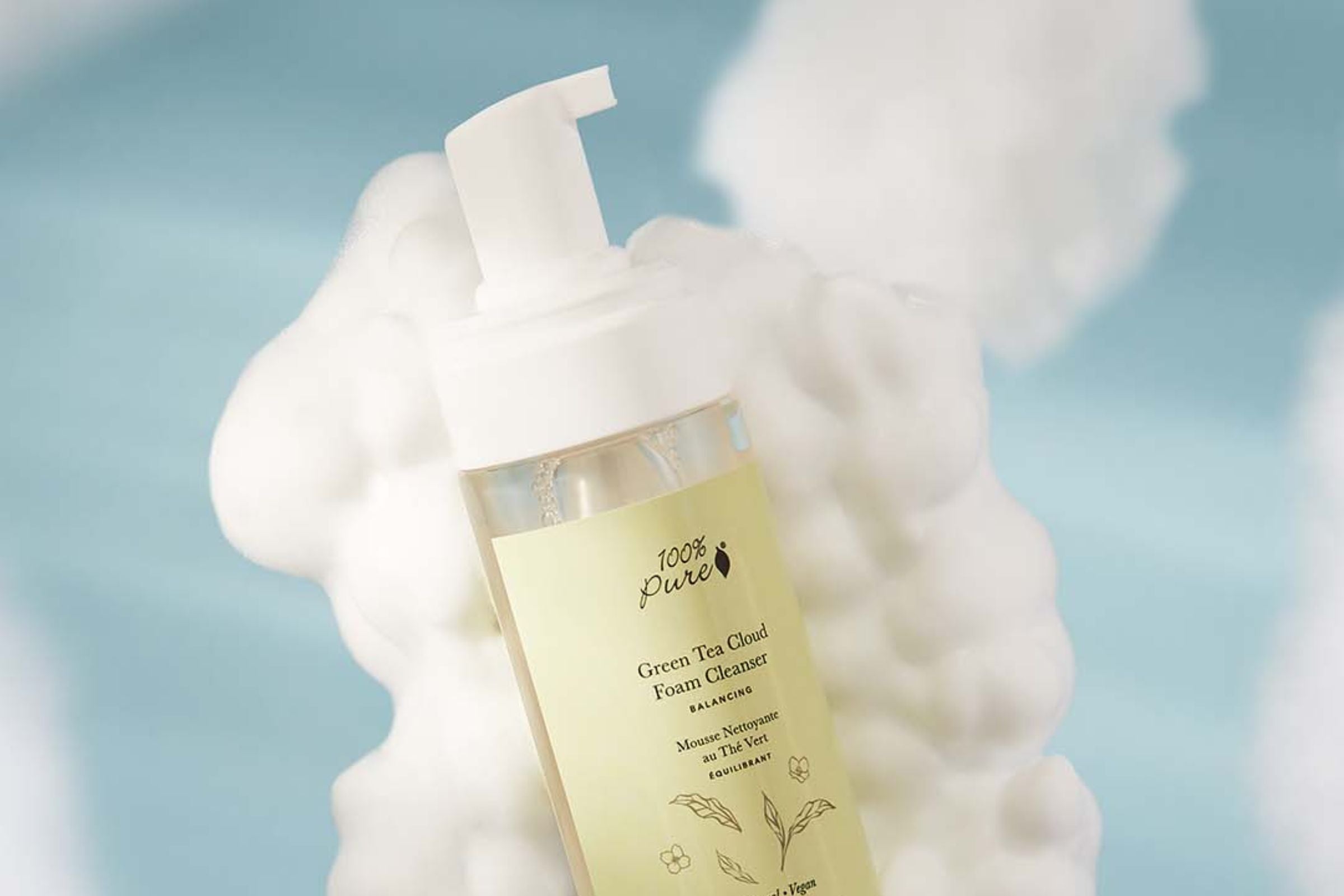
Green Tea Extract: Packed with antioxidants, green tea extract offers protection against UV damage and environmental stressors while delivering impressive anti-aging benefits.
Witch Hazel: This natural astringent is effective in tightening pores, toning skin, reducing redness, and soothing irritated skin.
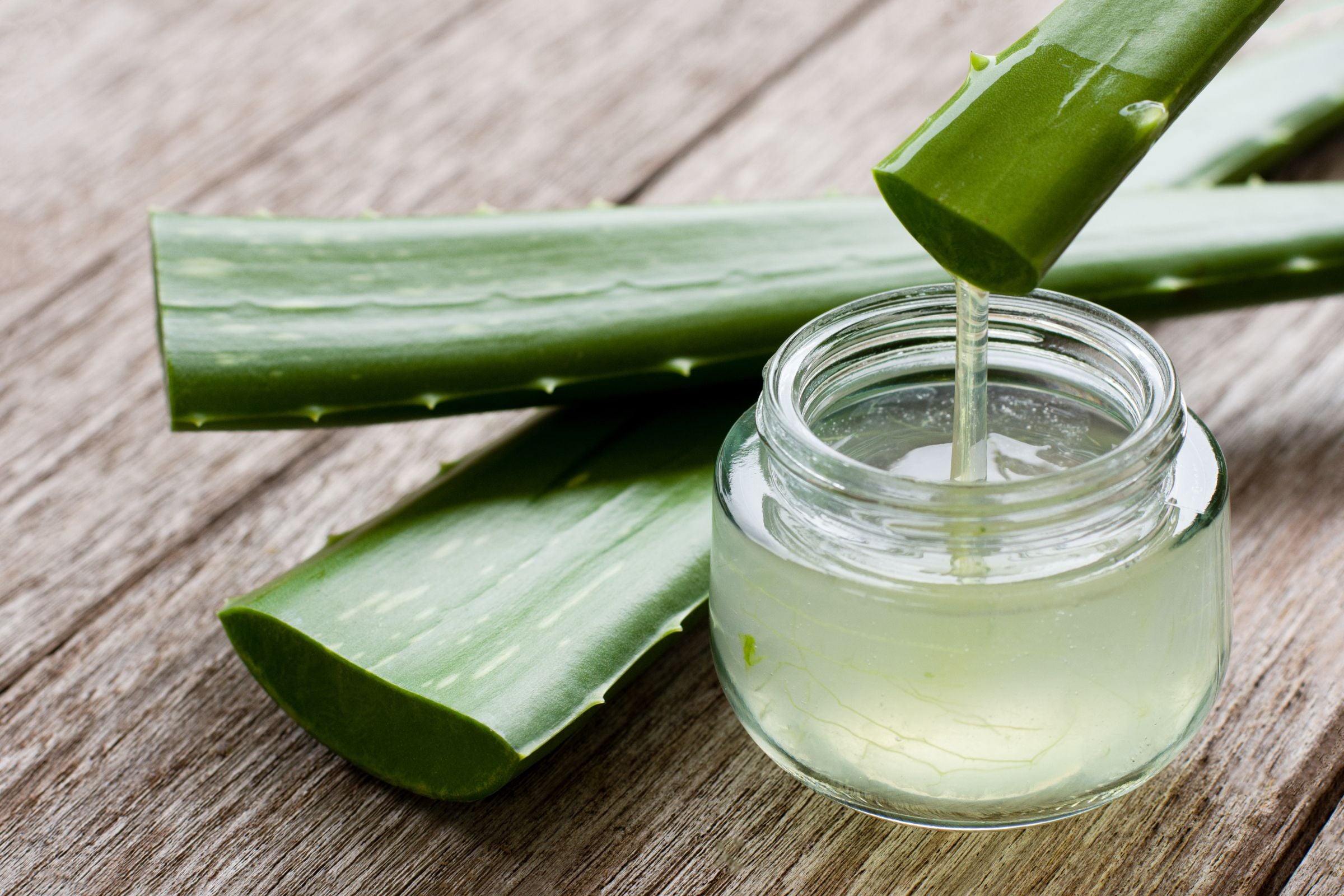
Aloe Vera: Famous for its soothing and hydrating capabilities, aloe vera is an excellent choice for calming irritated skin and promoting healing.
Rosehip Oil: Rich in vitamins A, C, and E, rosehip oil is a natural hydrator that excels in anti-aging, brightening, and collagen-enhancing properties.
Cucumber: With its high water content, cucumber serves as a natural moisturizer, making it an exceptional option for dry or sensitive skin types.
These examples illustrate just a fraction of the many natural ingredients utilized in skincare products. The goal of natural skincare is to provide solutions that respect the skin’s inherent balance and promote overall wellness.
However, with the rising popularity of natural skincare, misconceptions abound. Here are some common myths surrounding this au naturel movement that need to be addressed for a clearer understanding of natural skincare:
1. “Natural means always safe and effective”: While many natural ingredients offer significant benefits, it’s important to remember that not all natural substances are universally safe for everyone. Some natural components may trigger allergic reactions or sensitivities. Additionally, the effectiveness of natural skincare can differ based on individual skin types and concerns. Thorough research, label reading, and consulting with skincare experts are essential steps to ensure the suitability of natural products for your unique needs.
2. “Natural skincare products don’t require preservatives”: Preservatives play a crucial role in preventing the growth of harmful bacteria, fungi, and other microorganisms in skincare formulations. While some natural brands may utilize natural preservatives, others may rely on synthetic options that have been rigorously tested for safety. It’s vital to strike a balance between ensuring product safety with preservatives while minimizing the use of potentially harmful substances.
3. “Natural skincare products are always more expensive”: While it’s true that certain natural skincare products can be pricier, not all natural options come with a high price tag. The cost of skincare items varies based on multiple factors, including brand reputation, sourcing, manufacturing processes, and packaging. Evaluating the quality and effectiveness of a product is more important than assuming a higher price guarantees superior results.
4. “Natural skincare is not as effective as conventional skincare products”: This statement is misleading. Numerous natural ingredients have a rich history of being tried, tested, and scientifically validated for their efficacy in addressing specific skin concerns. When choosing products, prioritize those with organic ingredients, cruelty-free certifications, and transparency regarding sourcing and manufacturing processes. This enables you to make informed decisions that align with your values and promote overall wellness.
Stay Updated with Our Newsletter Subscribe Now
Receive blog updates and exclusive discounts directly in your inbox!
Deciphering Labels and Making Empowered Choices
As the demand for natural skincare escalates, consumers are increasingly adopting a more discerning approach to understanding the products they apply to their skin. However, navigating through the myriad of toxic ingredients and vague labels can often feel overwhelming and frustrating.
How can you identify harmful chemicals and effectively navigate the marketplace for natural skincare? Let’s explore some essential tips!
DO read labels. Become an ingredient detective! Many conventional products feature complex names that are difficult to pronounce, and some companies resort to greenwashing—falsely labeling their products as “all-natural” despite containing synthetic components.
Your best defense starts with a proactive approach to learning how to read labels. Familiarize yourself with common harmful ingredients, known as the “dirty dozen,” which includes silicones, parabens, drying alcohols, sodium lauryl sulfate (SLS), chemical sunscreens, fragrances, and dyes.
Familiarize yourself with the INCI. The acronym INCI stands for “International Nomenclature Cosmetic Ingredient.” This system standardizes how cosmetic ingredients are named and categorized in the U.S., providing clarity and consistency in the beauty industry. For instance, you may recognize Vitamin E as a common name, while its INCI Name is Tocopherol.
Consider skincare studies. Keeping abreast of emerging research on cosmetic ingredients to avoid is a proactive way to stay informed about evolving regulations. Over time, reading ingredient labels becomes second nature, enabling you to quickly spot potentially harmful components.
Do your own research. Information about any ingredient is just a search away. Dive into reputable sources to learn more about skincare ingredients and their benefits. Our Ingredient Glossary is also an excellent resource for understanding natural ingredients from A to Z!
Understand misleading marketing terms. Natural beauty refers to skincare and cosmetic products crafted without toxic ingredients linked to harmful health effects. However, various interchangeable terms can create confusion among consumers.
When brands claim to be “clean” or “natural,” they often mean:
Organic: Indicates that no toxic chemicals were used in the production of the ingredients. These products typically carry special seals that consumers should check before purchasing.
Cruelty-Free: Refers to products that and their ingredients have never been tested on animals at any stage of development.
Green: Suggests that the manufacturing process of the product, from ingredient sourcing to final packaging, has no harmful impact on the environment.
Natural: Relies on natural ingredients and aims to find natural alternatives to replace toxic chemicals.
Sadly, there is currently no established, industry-wide legal definition of natural or clean beauty, allowing brands to define these terms as they see fit. Since our skin is a living organ that absorbs substances, it’s critical to remain vigilant about what we apply. Following these guidelines and understanding marketing terminology is essential for maintaining healthy skin.
Frequently Asked Questions About Natural Skincare Products
Are you ready for some valuable insights into natural skincare products? We’ve compiled answers to your most pressing questions. Let’s dive into this ‘Q and A’ session about natural skincare formulations tailored to your specific skin type and concerns.
Do natural skincare products have a shorter shelf life?
Yes, natural skincare products typically have a shorter shelf life compared to synthetic products because they lack chemical preservatives. However, natural preservatives like essential oils and vitamin E can be added to enhance shelf stability.
Can I use natural skincare products if I have sensitive skin?
Absolutely! Many natural skincare products are well-suited for sensitive skin. Ingredients such as aloe vera, chamomile, and jojoba oil are known for their gentle and soothing properties, making them ideal choices.
How long does it take to see results from natural products?
The timeline for seeing results from natural skincare products varies based on skin type. For oily or acne-prone skin, improvements may be noticeable within weeks. Dry skin can see changes in a few days to weeks, while sensitive skin might experience relief within a week or longer. Addressing aging concerns may require several weeks to months of consistent use. Patience and consistency are key!
Can natural skincare products cause allergic reactions?
While natural skincare products are generally safer and less likely to cause allergic reactions compared to synthetic options, it is still possible for some individuals to react to certain natural ingredients. It’s essential to perform patch tests and consult with a dermatologist if you have concerns.
How can I store natural skincare products properly?
To ensure the longevity of your products, store them in a cool, dry place away from direct sunlight and extreme temperatures. Avoid placing them in humid areas like bathrooms. Always close lids tightly after use to prevent air and moisture exposure, and avoid contamination by using clean hands or a spatula for application.
Harnessing the power of nature through skincare involves utilizing gentle yet effective ingredients that nourish, protect, and rejuvenate the skin. From the soothing properties of aloe vera to the regenerative effects of rosehip seed oil and the antioxidant benefits of green tea extract, natural ingredients offer a holistic approach to skincare.
Creating a consistent natural skincare routine tailored to your skin type and concerns is essential. By selecting products infused with natural ingredients, you can tap into the remarkable benefits of nature to address specific issues like acne or pigmentation. Natural skincare products work in harmony with your skin, promoting a balanced, healthier complexion over time. Remember, patience and consistency are essential to seeing positive results.
To fully experience the advantages of natural skincare, consider exploring the offerings from 100% PURE. Their dedication to using pure, cruelty-free, and fruit-pigmented ingredients ensures that your skin receives the finest care nature has to provide. From cleansers and toners to serums and moisturizers, 100% PURE presents a comprehensive range of natural skincare products designed to elevate your skincare regimen and achieve radiant, healthy skin.
In the realm of natural skincare, consistency reigns supreme. Regularly incorporating natural products into your routine allows your skin to experience their full benefits over time. Embrace the nurturing essence of Mother Nature, provide your skin with natural ingredients, and witness the transformative effects of a dedicated natural skincare routine. Your skin, overall health, and the environment will be grateful for your commitment.