


Are You Overwhelmed by Skincare Choices? You’re Not Alone!
Starting a Skincare Routine Can Feel Daunting
Embarking on a skincare routine can seem like a monumental task—should you really be following a 10-step regimen, or is a simpler approach more effective? The internet is saturated with conflicting information, a barrage of product suggestions, and convoluted routines that can leave anyone feeling lost.
With an abundance of options available, it’s easy to feel stuck when making choices. Do you need to double cleanse? Is a toner essential? What about the roles of serums, essences, and exfoliators? The anxiety of potentially making a mistake can lead many to forgo skincare altogether. However, neglecting your skin can result in issues such as breakouts, dryness, or even premature aging.
The encouraging news is that achieving beautiful skin doesn’t have to be a complicated endeavor. By concentrating on three fundamental steps—cleansing, hydration, and protection—you can establish a strong base for healthy, radiant skin without the confusion.
In this comprehensive guide, we will cover:
- The essential steps in a user-friendly skincare routine
- The vital role of toner in maintaining skin balance
- How to select the ideal cleanser for your unique skin type
Ready to Simplify Your Skincare and Achieve Visible Results? Let’s Get Started!

Understanding the Importance of Skincare for Healthy, Glowing Skin
Your skin is more than just the surface you see in the mirror; it is your body’s largest organ and serves as the first line of defense against external threats. Each day, it protects you from environmental stressors such as pollution, UV rays, and bacteria. Without adequate care, your skin may become irritated, dry, or susceptible to breakouts, complicating the maintenance of a clear and luminous complexion.
A well-structured skincare routine does more than enhance your appearance; it fortifies your skin barrier. This barrier is essential for retaining moisture and blocking harmful elements. When it is compromised, your skin can become dry, sensitive, or inflamed. By adhering to a simple regimen focused on cleansing, hydration, and protection, you support your skin’s resilience, smoothness, and clarity.
Skincare is not about utilizing the priciest products or adhering to an exhausting 10-step process. It’s about consistency and dedication. By starting with just a few core products, you allow your skin to acclimate and reap long-term benefits. Bombarding your skin with numerous products simultaneously can lead to irritation and make it difficult to discern what truly works for you.
By simplifying your routine and committing to it, you pave the way for lasting skin health and vibrancy. Are you prepared to craft your ideal skincare regimen? Let’s delve into the details.
Mastering the 5 Key Steps for an Effective Beginner Skincare Routine
Step 1: Cleanse Your Skin with the Right Face Wash
Cleansing forms the cornerstone of any effective skincare routine. It eliminates dirt, oil, makeup, and environmental toxins that accumulate on your skin throughout the day. A high-quality cleanser prevents clogged pores, breakouts, and dullness while setting the stage for your skin to absorb subsequent skincare products more efficiently.
What to Look For in a Cleanser:
- For Dry/Sensitive Skin: Opt for a cream-based or hydrating cleanser enriched with gentle, nourishing ingredients like aloe, oat extract, or ceramides. Steer clear of foaming cleansers containing sulfates, which can deplete moisture and lead to irritation.
- For Oily/Acne-Prone Skin: Seek a gel or foaming cleanser that incorporates elements like tea tree oil, niacinamide, or salicylic acid. These ingredients assist in managing oil production and averting breakouts without excessively drying your skin.
- For Combination Skin: A balancing cleanser should effectively eliminate excess oil while maintaining hydration. Ingredients such as green tea or chamomile can soothe the skin while regulating oil production.
How to Use:
Moisten your face with lukewarm water. Dispense a small quantity of cleanser onto your fingertips, then gently massage it onto your skin in circular motions for approximately 30-60 seconds. Rinse thoroughly and pat your skin dry with a clean towel—never rub, as this can cause irritation.
Best Product Recommendation:
100% PURE Virgin Coconut Moisturizing Milk Foam – This cleanser is rich in hydrating coconut milk, which nourishes and calms all skin types while effectively removing impurities. It is free from harsh detergents and synthetic fragrances, making it an ideal choice for those with sensitive skin.
Step 2: Apply a Toner to Balance and Prepare Your Skin
Often overlooked, toner plays an essential role in balancing and preparing your skin after cleansing. A quality toner restores your skin’s natural pH balance, eliminates any residual impurities, and enhances the efficacy of serums and moisturizers.
What Does Toner Do?
- Restores pH balance, promoting healthy and resilient skin
- Eliminates leftover dirt or cleanser residue
- Hydrates and soothes the skin, depending on the formulation
- Prepares skin for optimal absorption of serums and moisturizers
How to Use:
Pour a small amount onto a cotton pad or your fingertips and gently pat it onto your face, focusing on areas prone to oiliness or congestion. Use immediately after cleansing for maximum effectiveness.
Best Product Recommendation:
100% PURE Tea Tree & Willow Clarifying Astringent – This toner is specifically formulated for oily and acne-prone skin. It contains tea tree oil and willow bark extract, both renowned for their antibacterial and anti-inflammatory properties. It helps tighten pores, control oil, and minimize the likelihood of breakouts without causing excessive dryness.
Step 3: Hydrate with a Lightweight Moisturizer
Maintaining hydration is vital for a robust and healthy skin barrier. A moisturizer prevents water loss, keeps skin supple and soft, and shields against environmental damage. Even if you have oily skin, using a moisturizer is crucial—it prevents your skin from compensating by producing additional oil.
What to Look For in a Moisturizer:
- For Dry Skin: Choose a rich, creamy moisturizer containing ingredients such as shea butter, squalane, or ceramides to deliver deep hydration.
- For Oily/Combination Skin: Opt for a lightweight, non-comedogenic gel or lotion that hydrates without clogging pores. Look for components like hyaluronic acid or aloe vera.
How to Use:
After applying toner, dispense a dime-sized amount of moisturizer and gently massage it into your face and neck. Use upward motions to stimulate circulation and help prevent premature sagging.
Best Product Recommendation:
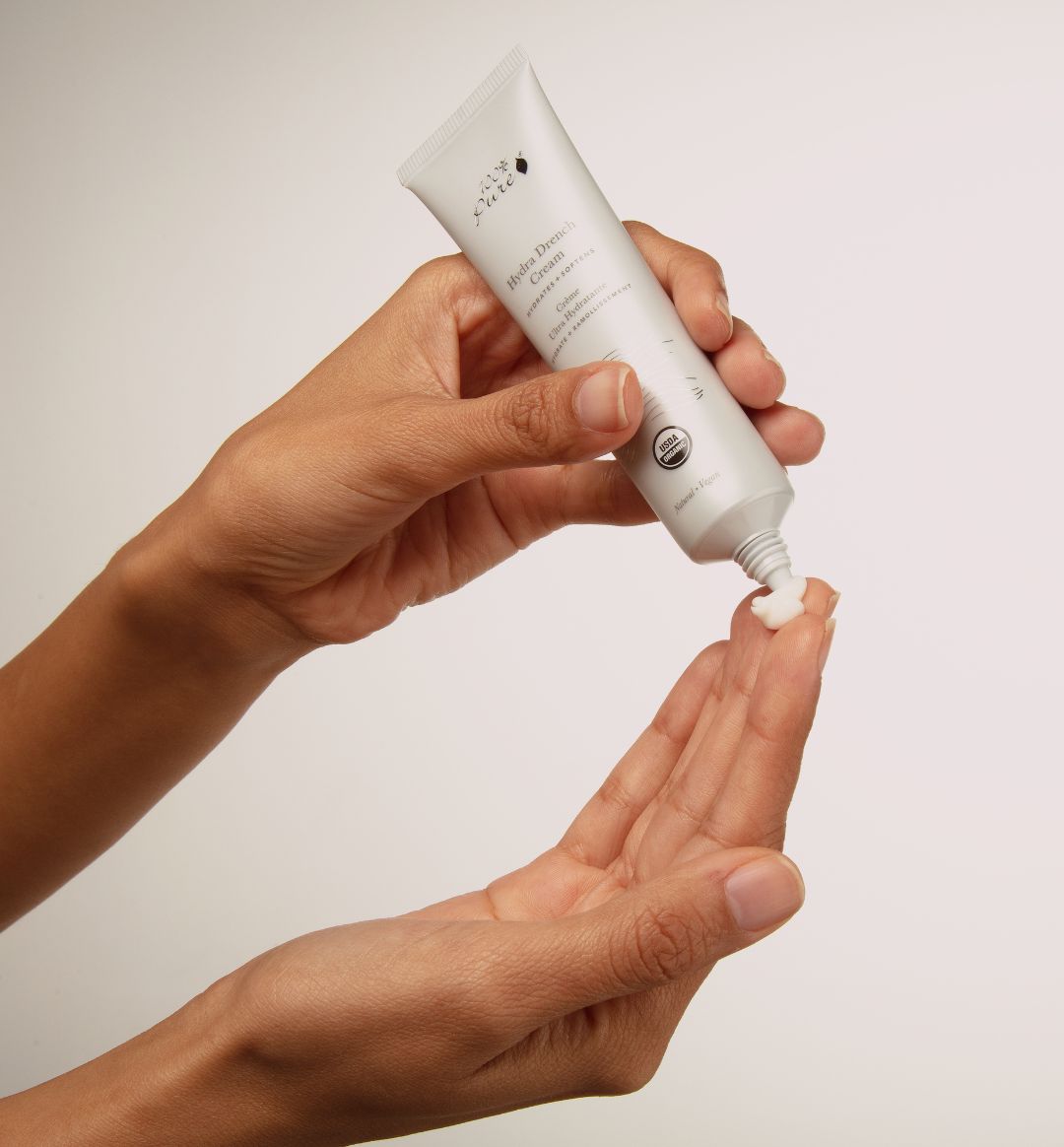
100% PURE Hydra Drench Cream – This ultra-lightweight moisturizer is packed with hydrating ingredients such as chia seed gel and rose water, making it ideal for beginners. It provides long-lasting hydration without a greasy or heavy feel, making it suitable for all skin types, including sensitive skin.
Step 4: Protect Your Skin with Sunscreen (Morning Routine Only)
Sunscreen is the most critical step in any morning skincare regimen. It protects against UV rays, which can lead to premature aging, dark spots, and an elevated risk of skin cancer. Even on cloudy days or when indoors, UV exposure can still penetrate windows and harm your skin.
How to Use:
Apply a nickel-sized amount of sunscreen to your face and neck every morning as the final step in your skincare routine. If you plan to be outdoors for extended periods, reapply every two to three hours.
What to Look For in a Sunscreen:
- For Dry Skin: Seek a moisturizing sunscreen with added hydrating ingredients like glycerin or squalane.
- For Oily Skin: Choose an oil-free, mattifying sunscreen that won’t clog pores.
- For Sensitive Skin: Use a mineral sunscreen with zinc oxide or titanium dioxide to minimize irritation.
Step 5: Address Specific Skin Concerns with Serums or Eye Creams (Optional but Recommended)
Once you have established a foundational skincare routine, you can begin to incorporate targeted treatments for specific concerns such as acne, dark spots, fine lines, or dehydration.
What Serums and Eye Creams Do:
- Serums: Deliver concentrated active ingredients to tackle issues like dullness, redness, or aging.
- Eye Creams: Provide hydration and protection to the delicate under-eye area, gradually reducing puffiness and fine lines.
Beginner-Friendly Options:
- For Hydration and Glow: 100% PURE Rose Hyaluronic Acid Serum – This serum offers deep hydration with hyaluronic acid, promoting a radiant complexion. It’s suitable for all skin types, particularly if your skin feels dehydrated.
- For Anti-Aging and Fine Lines: 100% PURE Multi-Vitamin + Antioxidants Ultra Riché PM Treatment – This powerful overnight treatment is infused with vitamins and antioxidants to nourish the skin while you sleep, reducing the appearance of fine lines and enhancing elasticity.
How to Use:
- Apply a few drops of serum after toner and prior to moisturizer.
- Gently dab a small amount of eye cream under your eyes using your ring finger (the gentlest finger) to prevent tugging the skin.
Choosing the Ideal Face Wash for Your Skin Type: A Comprehensive Guide
Selecting the right face wash is critical for achieving and maintaining a healthy, balanced complexion. The appropriate cleanser not only eliminates dirt, oil, and impurities but also ensures your skin retains vital moisture and nutrients. Using the wrong cleanser can lead to irritation, excessive dryness, or breakouts. Here’s how to find the best face wash tailored to your skin type.
For Oily or Acne-Prone Skin
Oily skin tends to produce excess sebum, which can clog pores and lead to breakouts. An effective face wash should help control oil production, unclog pores, and prevent acne without stripping your skin of its natural moisture.
What to look for in a cleanser:
- Gel or foaming formulas – These are effective in removing excess oil without leaving a greasy residue.
- Salicylic Acid – A beta-hydroxy acid (BHA) that penetrates deep into pores to eliminate excess oil and prevent breakouts.
- Tea Tree Oil – A natural antibacterial ingredient that alleviates inflammation and combats acne-causing bacteria.
- Charcoal or Clay – These ingredients absorb oil and detoxify the skin, helping to keep pores clear.
How to Use:
Wash your face twice daily—once in the morning and once at night—to manage excess oil. Avoid over-washing, as this can prompt your skin to produce even more oil.
Best Choice:
100% PURE Tea Tree & Willow Clarifying Cleanser – This potent cleanser is enriched with tea tree oil and willow bark extract, both known for their ability to combat acne-causing bacteria and inflammation. It thoroughly cleanses without over-drying, making it a superb option for individuals grappling with breakouts and excess oil.
For Dry or Sensitive Skin
Dry or sensitive skin requires a cleanser that effectively removes impurities while preserving the skin’s natural moisture barrier. Harsh cleansers can strip essential oils, resulting in tightness, redness, or irritation.
What to look for in a cleanser:
- Cream or milk-based formulas – These provide hydration while gently cleansing.
- Aloe Vera – Soothes and calms irritated skin while delivering hydration.
- Coconut or Oat Extract – Nourishes and aids in repairing the skin’s barrier.
- Chamomile – A natural anti-inflammatory that mitigates redness and irritation.
How to Use:
Wash your face with lukewarm water (not hot, as it can dry out your skin). Gently massage the cleanser onto your face in circular motions, then rinse thoroughly and pat dry.
Best Choice:
100% PURE Virgin Coconut Moisturizing Milk Foam – This rich, hydrating cleanser uses coconut milk to gently eliminate dirt and impurities while nourishing dry or sensitive skin. Its natural ingredients help maintain hydration and soothe irritation, making it an excellent choice for those who struggle with dryness or sensitivity.
For Combination Skin
Combination skin requires a balanced cleanser that effectively removes excess oil from the T-zone (forehead, nose, and chin) while ensuring drier areas remain hydrated. A harsh cleanser may strip moisture from certain areas while over-cleansing others.
What to look for in a cleanser:
- pH-Balanced Formulas – These help maintain the skin’s natural equilibrium.
- Rose Water – Hydrates and soothes while providing mild astringent properties to manage oil.
- Gentle Botanical Extracts – Keep the skin fresh and balanced without causing irritation.
- Non-Stripping Ingredients – Ensure your skin stays moisturized where needed.
How to Use:
Utilize a gentle, balancing cleanser twice daily. If your skin leans more toward dryness or oiliness, adjust your routine accordingly—consider double cleansing in the evening if you’re oilier or using a hydrating toner if you’re drier.
Best Choice:
100% PURE Rose Water Gentle Cleanser – Formulated with rose water and calming botanicals, this cleanser strikes a perfect balance between hydration and oil control. It gently cleanses without stripping moisture, making it an ideal selection for individuals with combination skin.
Avoiding Common Skincare Mistakes as a Beginner
Embarking on a skincare journey is thrilling, but many beginners inadvertently make errors that can lead to irritation, breakouts, or lackluster results. Understanding what not to do is just as crucial as knowing the right steps. Here are three prevalent skincare mistakes and how to steer clear of them.
1. Over-Cleansing Your Face
Cleansing excessively—especially more than twice a day—can strip the skin barrier of its natural oils. While it may seem that frequent washing keeps skin clean, over-cleansing can weaken the skin barrier, leading to dryness, irritation, and even increased oil production as your skin attempts to compensate.
The Correct Approach:
- Wash your face twice daily—once in the morning and once at night.
- If your skin feels tight or dry after cleansing, you may be using a harsh cleanser. Consider switching to a gentle, pH-balanced formula that suits your skin type.
- If you wear makeup or sunscreen, think about double cleansing at night using an oil-based cleanser followed by a water-based one to ensure all residue is removed without over-drying your skin barrier.
2. Neglecting Sunscreen
One of the most significant misconceptions is that sunscreen is only necessary on sunny days or during summer. However, UV rays can inflict skin damage year-round, even on overcast days or indoors near windows. Sun exposure is the leading cause of premature aging, hyperpigmentation, and skin cancer. For further information on identifying sun-damaged skin, you can refer to our article here.
The Correct Approach:
- Apply a broad-spectrum sunscreen (SPF 30 or higher) every morning as the final step in your routine.
- Use sunscreen even when staying indoors, as UVA rays can penetrate windows.
- Reapply every two hours when outdoors, particularly if sweating or swimming.
- Opt for a lightweight, non-greasy sunscreen if you have oily skin, or a hydrating formula if your skin is dry.
- Consider wearing a broad-brimmed hat for additional protection.
3. Using Too Many Products Simultaneously
It’s tempting to experiment with every trending skincare product at once, but layering too many active ingredients can overwhelm your skin, resulting in irritation, sensitivity, or breakouts. Instead of achieving quick results, you might find yourself struggling with redness, peeling, or exacerbated skin concerns.
The Correct Approach:
- Start with simplicity—focus on the three core steps: cleanser, moisturizer, and sunscreen.
- Introduce new products gradually—when adding treatments like serums or exfoliants, test one at a time and wait at least a week before introducing another.
- Be mindful of ingredient interactions—some actives, like retinol and exfoliating acids, can be overly harsh when used together.
Your Most Common Questions about Beginner Skincare Routines Answered
How Long Will It Take to See Results from a Skincare Routine?
The timeline for noticeable improvements varies based on your skin type, concerns, and the products utilized. Typically:
- Hydration & Softness: Immediate to a few days (with a quality moisturizer).
- Reduced Breakouts: 4-6 weeks (as the skin barrier adjusts to cleansers and treatments).
- Even Skin Tone & Fading Dark Spots: 2-3 months (with consistent sunscreen and brightening ingredients like vitamin C).
- Fine Lines & Wrinkles: Several months (especially with retinol or peptides).
Consistency is crucial—most skincare products require time to exhibit lasting effects.
Is Toner Really Essential, or Can I Skip It?
Toner is optional; however, it can be advantageous, particularly if you have oily, acne-prone, or dry skin. A well-formulated toner:
- Restores pH balance following cleansing.
- Removes any remaining dirt or cleanser residue.
- Enhances the absorption of serums and moisturizers.
If your cleanser is gentle and your skin feels balanced, you may skip toner. However, if you experience dryness, oiliness, or irritation, incorporating a toner may enhance your routine.
Can I Use Face Wash and Toner Together?
Absolutely! In fact, toner should always follow cleansing to help prep your skin for the following steps. The correct order is:
- Cleanse (face wash) to eliminate dirt, oil, and makeup.
- Tone to refresh and balance the skin barrier.
- Moisturize to lock in hydration.
- Apply sunscreen (morning routine only) for protection.
When selecting a toner, avoid those containing alcohol if your skin is dry or sensitive, as they can provoke irritation.
How Should I Build a Routine if I Have Sensitive Skin?
For sensitive skin, less is often more. A straightforward, gentle routine will help fortify your skin barrier without causing irritation. Begin with:
- A mild, fragrance-free cleanser (such as a cream or gel formula).
- A soothing, hydrating toner with ingredients like aloe, chamomile, or rose water.
- A lightweight, fragrance-free moisturizer to prevent dryness.
- A mineral-based sunscreen (SPF 30+) containing zinc oxide or titanium dioxide, which are less likely to trigger reactions.
- Introduce new products one at a time and conduct a patch test before applying them to your entire face.
How Can I Tell If My Skincare Products Are Effective?
You’ll know your skincare routine is working if:
- Your skin feels hydrated, not tight or oily.
- Your breakouts become less frequent or heal more rapidly.
- Your skin tone and texture improve (smoother, more even).
- You experience reduced redness, irritation, or flakiness.
If you notice worsening irritation, excessive dryness, or persistent breakouts after 4-6 weeks, it may be time to adjust your routine or replace certain products.
Final Thoughts: Keep Your Skincare Routine Simple and Effective
When it comes to skincare, simplicity is essential. You don’t require an intricate 10-step regimen—just a few fundamental steps can help keep your skin healthy, balanced, and radiant.
A comprehensive skincare routine consists of four core steps:
- Cleanse – Eliminates dirt, oil, and impurities to maintain skin freshness.
- Tone – Balances the skin and prepares it for hydration.
- Hydrate – Moisturizes and fortifies the skin barrier.
- Protect – Sunscreen is vital to prevent premature aging and damage.
With consistent care and high-quality, non-toxic products, your skin will look and feel its absolute best.
Beginning a skincare routine doesn’t have to be intimidating—stick to user-friendly products that cater to your skin type and are free from harsh chemicals. Seek out gentle cleansers, hydrating toners, lightweight moisturizers, and broad-spectrum SPF to cover your skincare essentials.
Ready to Begin? Explore 100% PURE’s Skincare Essentials!
If you’re on the lookout for clean, effective skincare, delve into 100% PURE’s beginner-friendly products crafted with plant-based, non-toxic ingredients for healthy, glowing skin.
Embark on your skincare journey today!
