

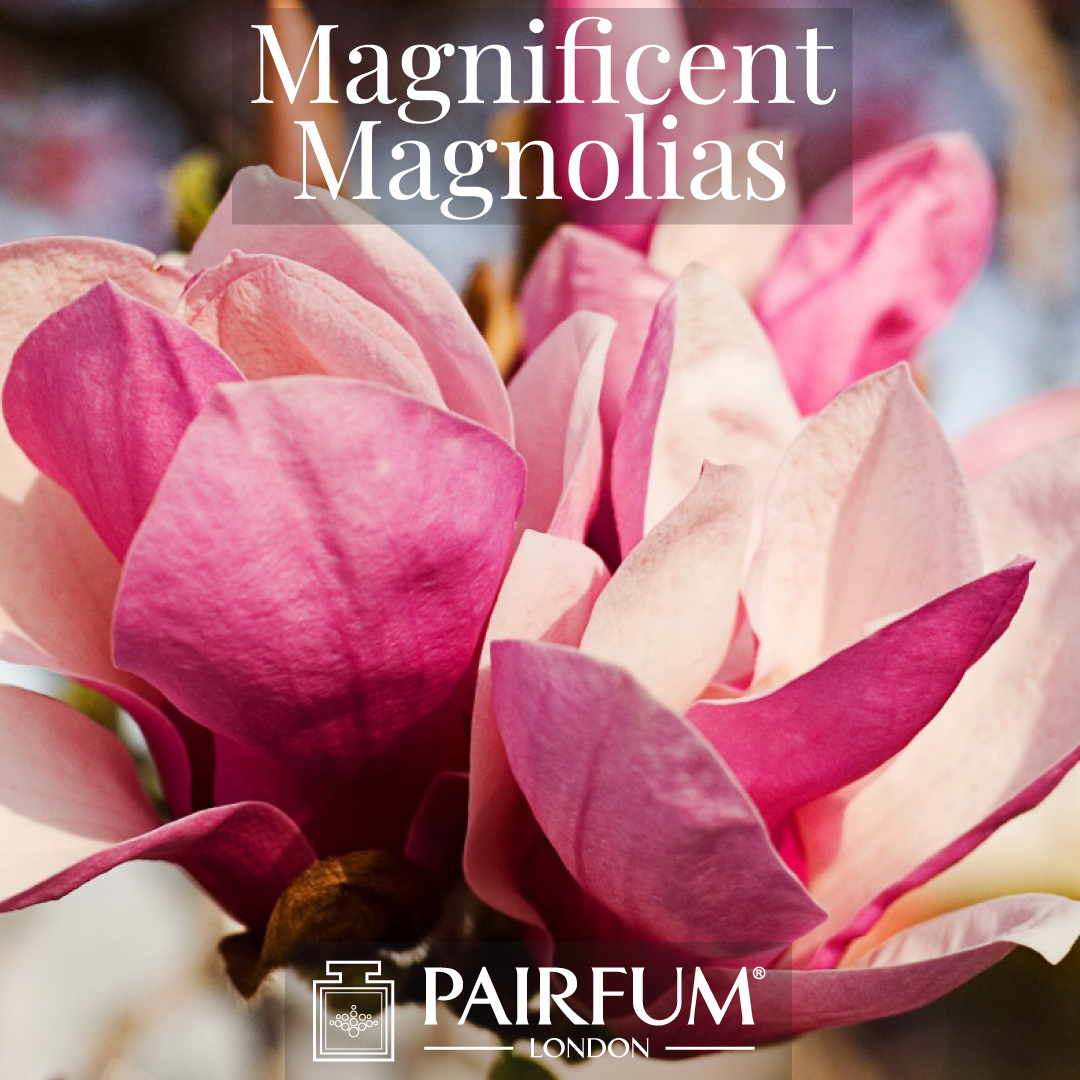
magnolias are among the most ancient flowering trees, celebrated for their elegant and aromatic blossoms, originating from a rich and diverse genus of shrubs and trees. Their existence can be traced back for millions of years, with fossils found dating to the Tertiary period, long before the arrival of bees, which play a crucial role in pollination. These magnificent trees thrive equally well in cultivated gardens and parks as they do in their natural forest environments, showcasing their remarkable adaptability to urban settings. With their stunning blooms, they add beauty and charm to any landscape.
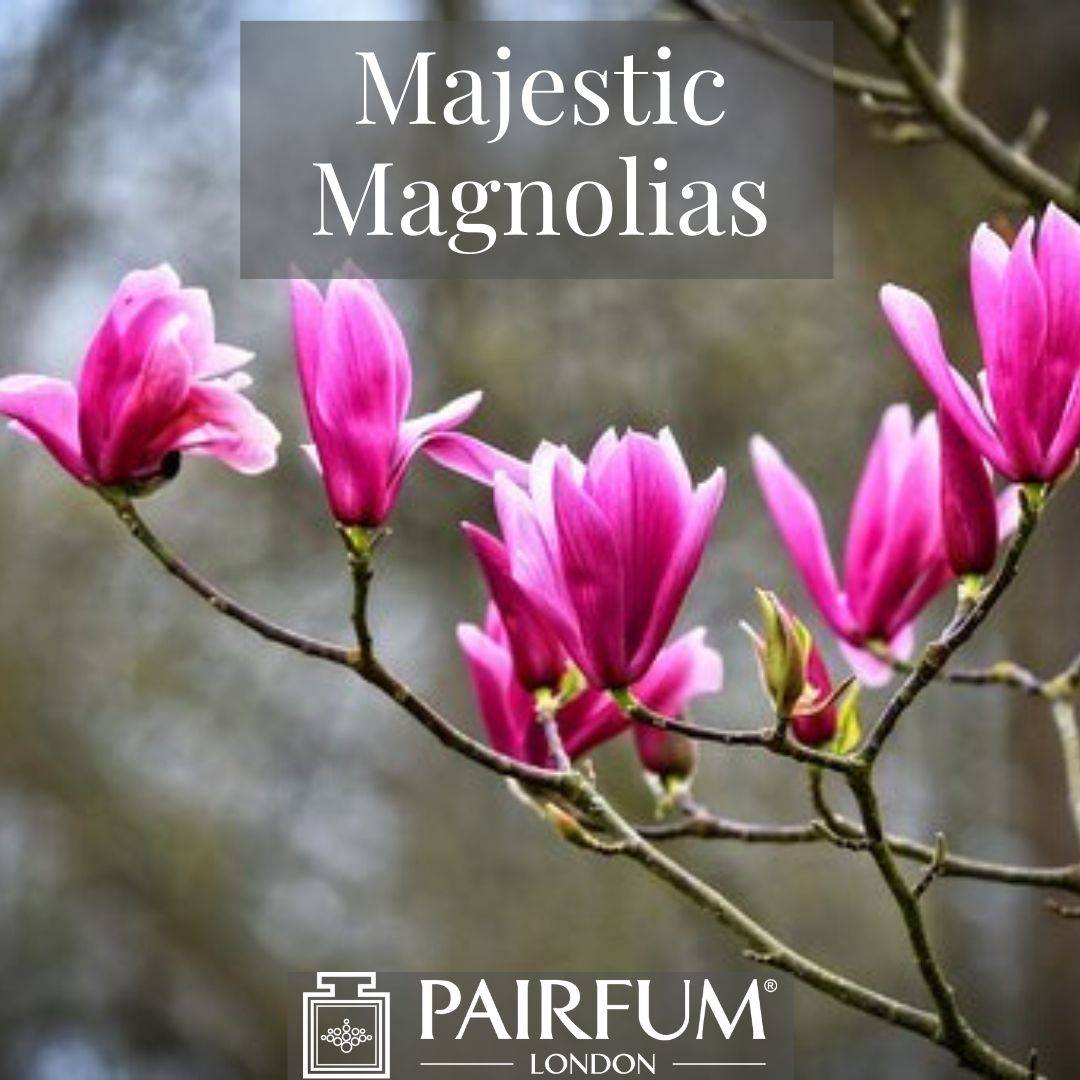
In the warmer regions of the country, certain magnolia species begin to bloom as early as February, while others follow suit in March, heralding the arrival of spring. Some species, however, choose to wait until June to showcase their breathtaking blooms. Regardless of their blooming schedule, magnolias have earned a place as one of the most cherished plants globally, known for their stunning flowers and delightful fragrances that captivate the senses.
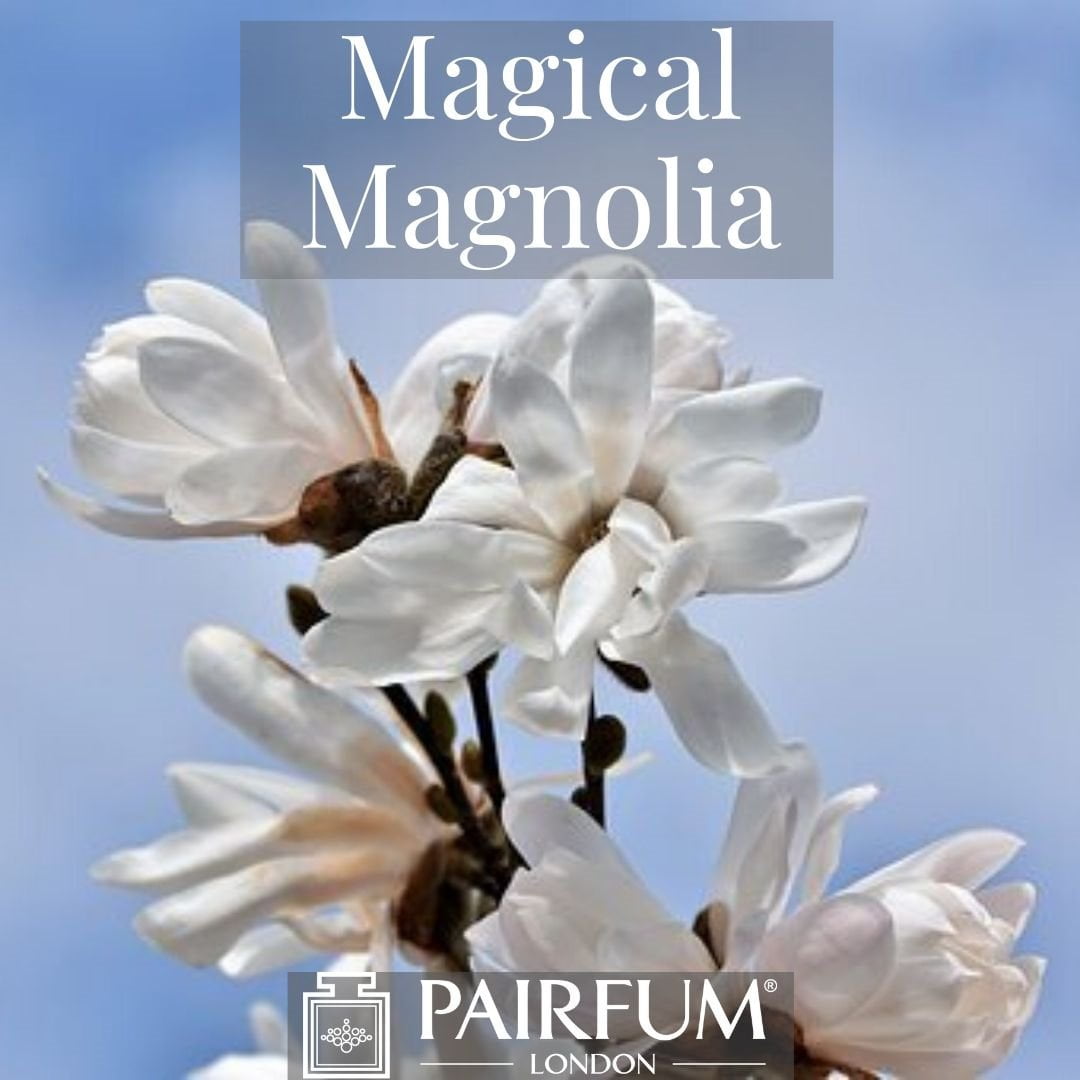
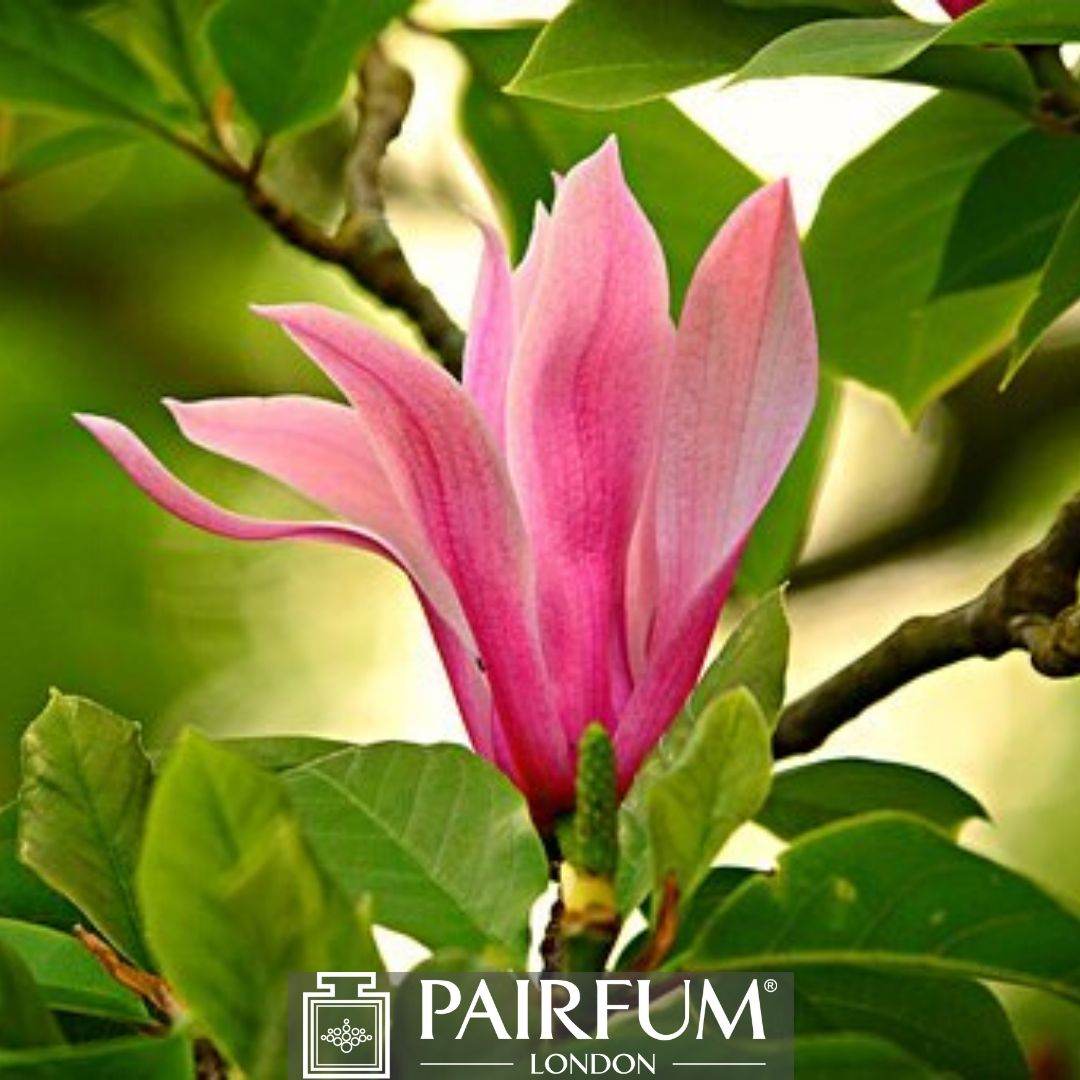
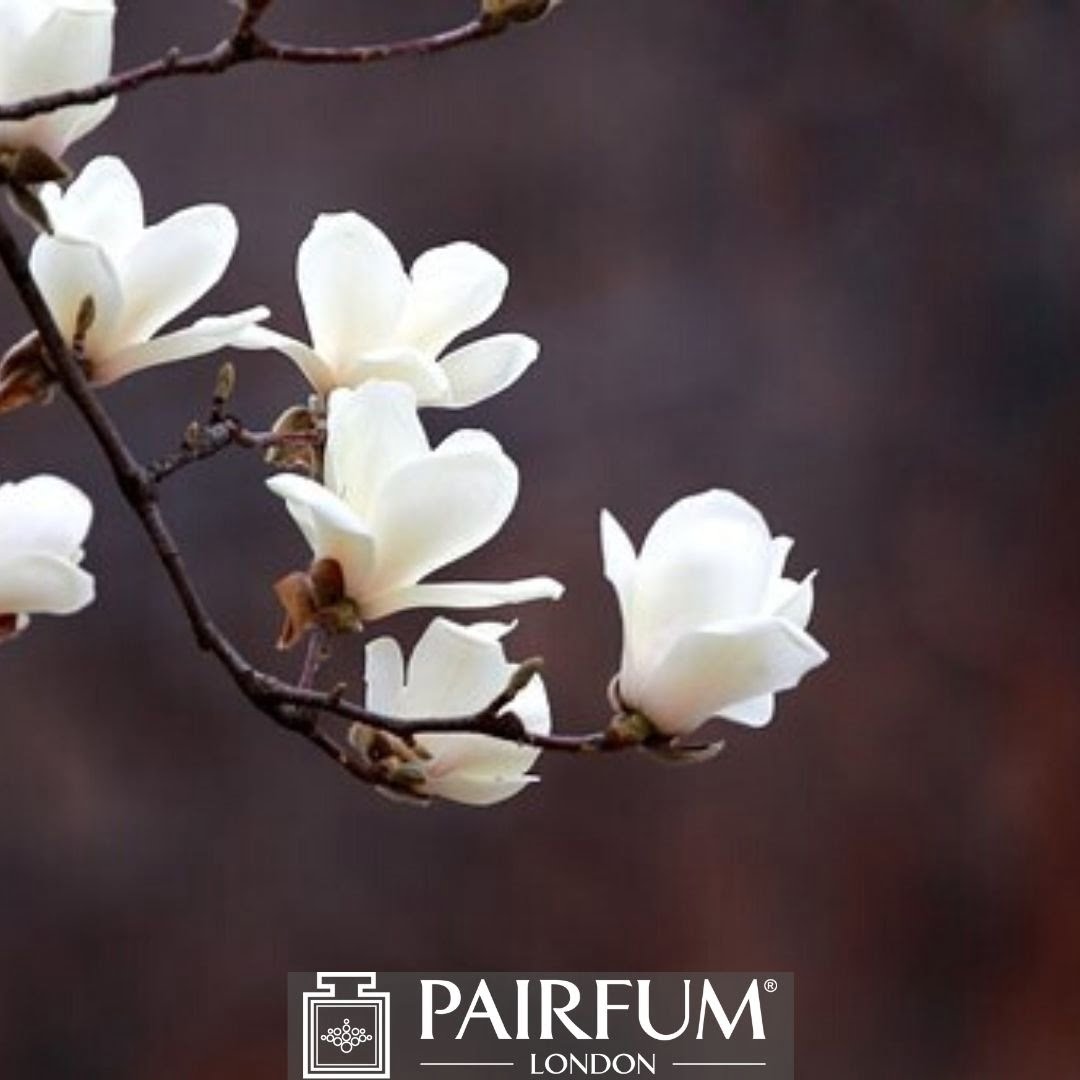
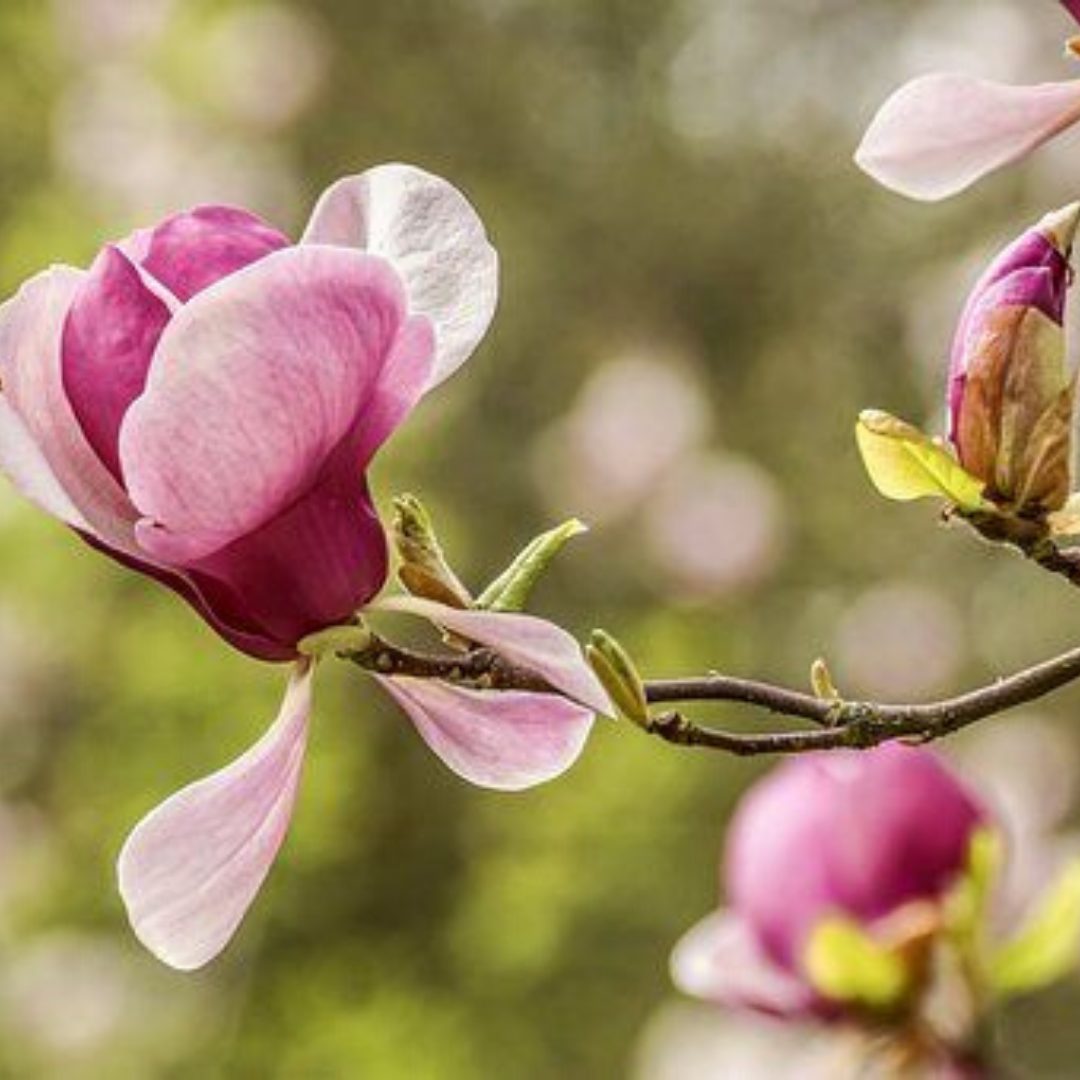
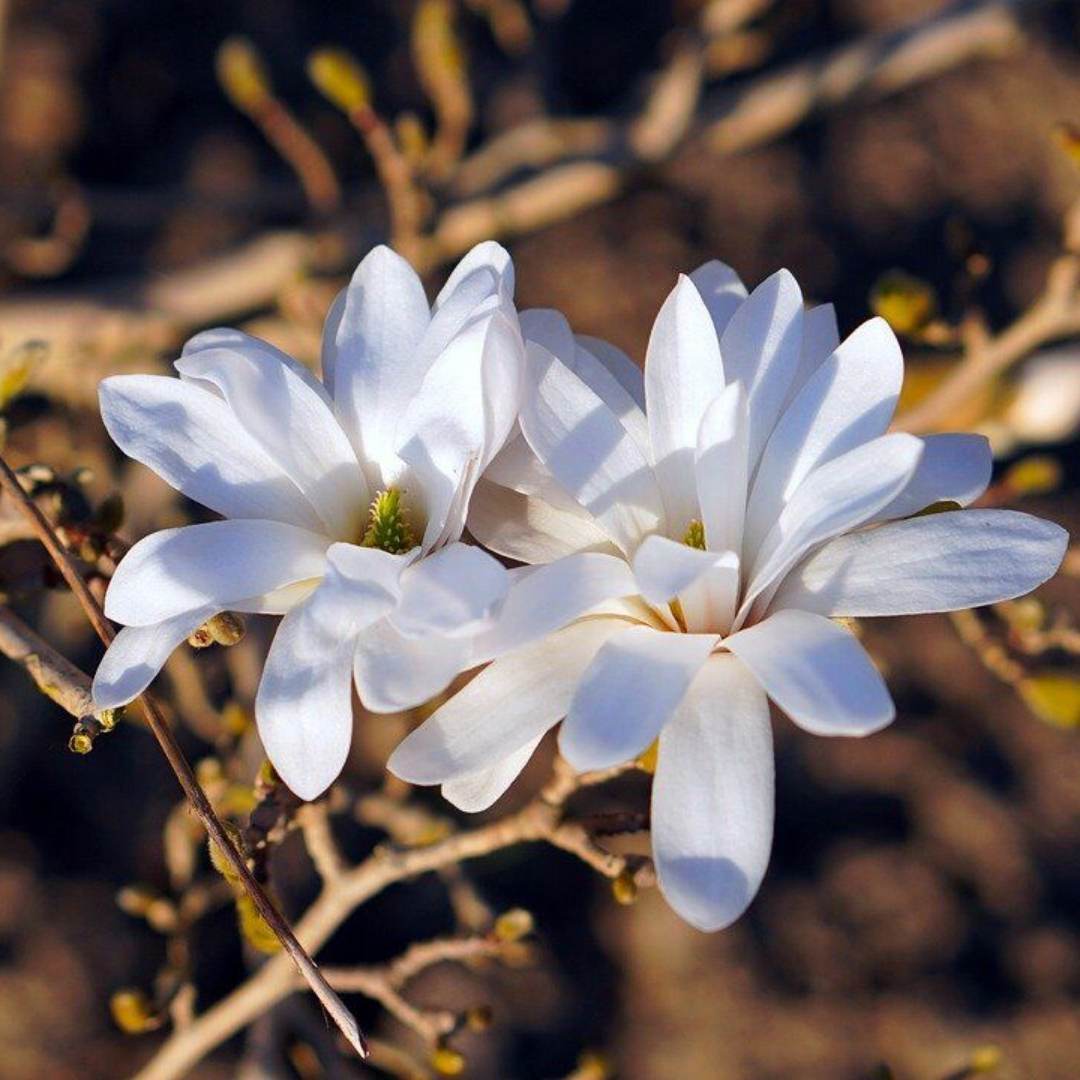
The spectacular array of colors that Magnolia flowers exhibit ranges from pristine white to deep purple, infusing the spring air with a captivating scent that invites you to linger and appreciate their beauty. These flowers are not just visually stunning; they also play a vital role in enhancing the sensory experience of any garden or landscape.
In 1900, Louisiana awarded the magnolia the title of state flower due to its prevalence throughout the state, and the same year, school children in Mississippi voted overwhelmingly to honor the magnolia as their state flower as well. This widespread affection for magnolias speaks to their cultural significance and the joy they bring to many communities.
From the lush rainforests of Asia to the varied landscapes of Central Europe, and from the East to the West Coast of the United States, these extraordinary plants are treasured around the globe. Their beauty and resilience make them a symbol of nature’s artistry.
Historically, there has been some confusion and debate surrounding the classification of what constitutes a ‘magnolia.’ Understanding the diversity within this genus is essential for gardeners and botanists alike.
Understanding Magnolias: Characteristics and Features
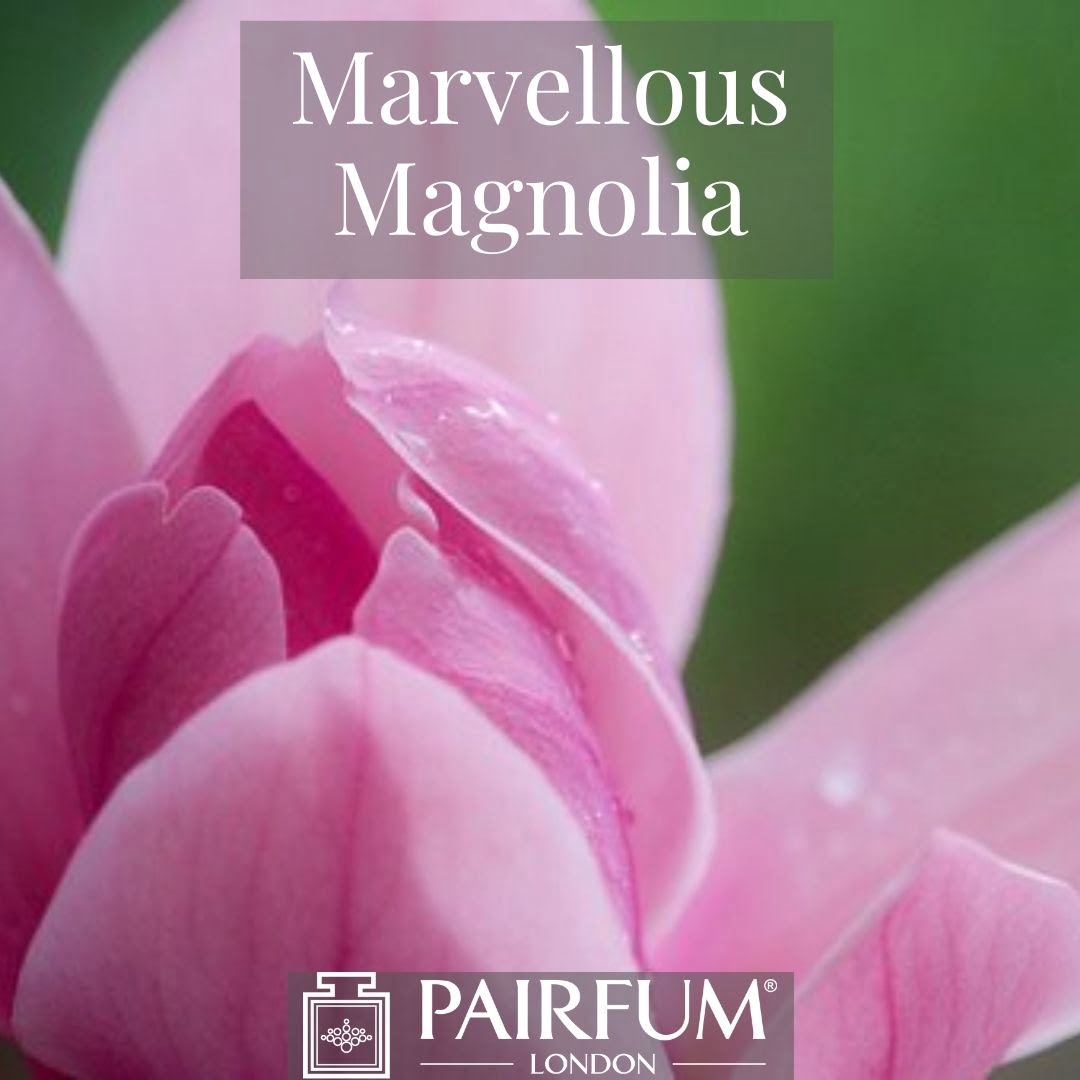
Typically, magnolias are characterized by their large, bowl or star-shaped fragrant flowers, which can either be shrubs or large deciduous and evergreen trees. These stunning plants usually produce blooms in colors such as yellow, purple, green, pink, or white, with their lush green leaves typically appearing later in the spring season. In the autumn, they also yield unique cone-shaped fruits, adding to their visual interest in the garden throughout the year.
Like other members of the Magnoliaceae family, the floral structure of magnolias features a perianth with at least three whorls, each containing 9 to 15 tepals. The flowers are bisexual and possess several adnate carpels. On the elongated receptacle, the stamens are arranged in a distinctive spiral pattern, while the fruit dehisces along the dorsal sutures of the carpels. The pollen produced by magnolias is monocolpate, and they exhibit a unique type of embryo development known as the Polygonum type.
Exploring the Fascinating History of Magnolias
Unraveling the Early History of Magnolias
The earliest recorded mention of the term ‘magnolia’ was by General Charles Plumier in 1703 when he described a flowering tree he discovered in Martinique. Following Plumier, the English botanist William Sherard, who studied under Magnolia, was the next to employ the term. The first comprehensive botanical literature, building on Plumier’s work, included ‘Hortus Elthamensis’ by Johann Jacob Dillenius and ‘Natural History of Carolina, Florida and the Bahama Islands’ by Mark Catesby, which Sherard contributed to.
In these early botanical texts, ‘magnolia’ was used to refer to various types of flowering trees found in temperate North America. Notably, a botanist named Lamarck later classified what Plumier initially described as ‘Magnolia’ under the name ‘Annona dodecapetala,’ which is now recognized as ‘Magnolia dodecapetala.’ This early confusion reflects the evolving understanding of this captivating genus.
Botanist Carl Linnaeus also utilized the genus name ‘Magnolia’ in the first edition of ‘Systema Naturae’ published in 1735. While there were no specific descriptions in his work, references to Plumier’s findings were made. In the subsequent 1753 edition of ‘Species Plantarum,’ Linnaeus again mentioned Plumier’s ‘Magnolia,’ describing a monotypic genus with ‘Magnolia virginia’ being the sole species. If there ever existed a herbarium specimen from Plumier’s original ‘Magnolia,’ it is likely that Linnaeus never encountered it and presumed it to be the same plant described by Catesby in his 1730 work, thus classifying it under ‘Magnolia virginia var.’
Additionally, Linnaeus identified ‘Foetida’ as a taxon now classified as ‘Magnolia grandiflora.’ Within his research, Linnaeus described five varieties of ‘Magnolia virginia’ (including acuminate, foetida, grisea, glauca, and tripetala). However, these were later consolidated to four varieties as Linnaeus combined grisea with glauca in the 1759 edition of ‘Systema Naturae,’ elevating the remaining varieties to species status.
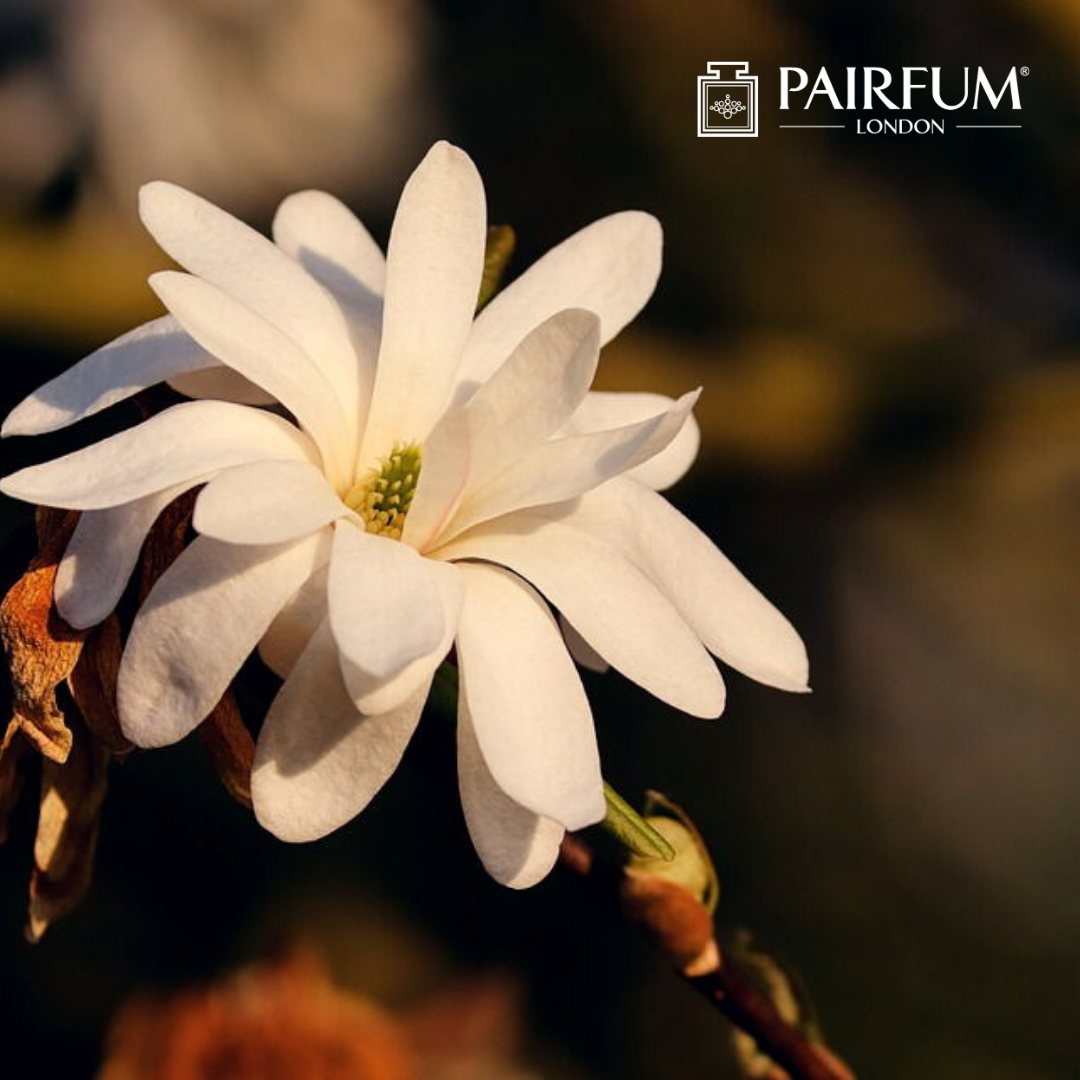
By the end of the 18th century, botanists and plant explorers had begun to describe various Magnolia species from China and Japan. The initial species documented by Western botanists included ‘Magnolia Liliflora’, ‘Magnolia Denudata’, ‘Magnolia Coco’, and ‘Magnolia Figo’. Carl Peter Thunberg collected and described ‘Magnolia Obovata’ in Japan in 1774, alongside the first collection of ‘Magnolia Kobus’.

Understanding Recent Developments in Magnolia Taxonomy
As the number of species increased over time, taxonomists decided to categorize the genus into two subgenera: ‘Yulania’ and ‘Magnolia’. The subgenus ‘Magnolia’ encompasses the horticulturally significant ‘M. Grandiflora’, which is native to the southeastern United States, along with the species type known as ‘M. Virginiana’. Conversely, the subgenus ‘Yulania’ includes several deciduous species from Asia, such as ‘M. Kobus’ and ‘M. Denudata’, which are horticulturally important and frequently used in hybridization.
The American deciduous Cucumber Tree, identified as ‘M. Acuminata’, also falls under ‘Yulania’ and has contributed to numerous new hybrids with yellow flowers, thus gaining increased horticultural significance.
For a significant period, taxonomists faced challenges in determining the relationships within the ‘Magnoliaceae’ family. Given that the Magnoliaceae has persisted through major geological events, including continental drift, mountain formation, and ice ages, the family displays a wide and scattered distribution. This has led to the long-term isolation of certain species or groups while others maintain close proximity.
Relying solely on morphological characteristics has proven inadequate for classifying divisions within the ‘Magnoliaceae’ family and even within the ‘Magnolia’ genus.
With the advent of DNA sequencing technologies at the end of the 20th century, large-scale research into the phylogenetic relationships within the Magnoliaceae family became possible. Multiple studies supported by morphological data indicated that the genus ‘Michelia’ and the Magnolia subgenus ‘Yulania’ were significantly more closely related to each other than to either ‘Magnolia’ or other subgenera within ‘Magnolia’.
<

Sienna Blake is a licensed aesthetic consultant and beauty writer specializing in cosmetic surgery advancements and non-invasive treatments. With a background in dermatology and over eight years of industry experience, Sienna is passionate about helping people achieve confidence through informed beauty decisions. She holds a Bachelor's degree in Health Sciences and regularly collaborates with top plastic surgeons to stay at the forefront of aesthetic innovations. Outside of her work, Sienna enjoys traveling, skincare research, and practicing Pilates.
