



A root canal is a crucial dental procedure designed to effectively alleviate discomfort by deeply cleaning the roots of a tooth that may be inflamed or infected. Post-procedure discomfort is a common occurrence, as the treatment addresses pain caused by decayed, infected, or fractured teeth. While mild to moderate pain can be expected for a few days following the treatment, any severe pain may indicate complications requiring a follow-up with your dentist. It’s important to monitor your recovery closely, as additional cleaning or other interventions might be necessary to ensure optimal healing and comfort.
Understanding Pain Levels After Your Root Canal Treatment
Following a root canal procedure, patients often experience mild to moderate discomfort, including sensitivity and soreness around the treated area. This tenderness is normal and usually results from the pressure exerted on the nerves and surrounding tissues during the procedure. Your dentist will administer a local anesthetic before starting the treatment to ensure you feel no pain during the process itself. They will access the dental pulp by creating a small opening in the tooth crown, meticulously cleaning the diseased pulp from both the pulp chamber and root canals. As the anesthesia wears off, you may notice some pain and sensitivity.
It’s important to recognize that the pressure applied during the cleaning process can lead to discomfort as your body begins to heal. This sensation is typically temporary, with most patients finding that pain subsides within a few days post-treatment. Monitoring your pain levels is essential, as prolonged discomfort may require further evaluation by your dentist.
Proper care of your mouth and the treated tooth immediately after the root canal is vital for a smooth recovery. Maintaining good oral hygiene can significantly help manage discomfort in the days following your procedure. When advised by your dentist, resume brushing your teeth with a soft-bristled toothbrush to avoid aggravating the sensitive area.
In the initial days after your treatment, it’s crucial to avoid chewing on hard foods. If your tooth and gums remain numb, be especially cautious when eating, as you risk biting down too hard on your tooth or injuring your tongue or the inner lining of your cheeks.
Identifying When It’s Necessary to Contact Your Dentist
The recovery period after a root canal is generally swift, with most patients experiencing a reduction in pain and swelling within a few days. However, it’s essential to understand that healing varies among individuals, and if you encounter severe or persistent pain, you should reach out to your dentist without delay.
Signs such as intense pain, prolonged swelling, soreness, or fever may indicate a recurrence of infection after the procedure. Promptly contacting your dentist or an endodontist will help prevent further complications and allow for the timely administration of appropriate treatment.
Addressing Potential Endodontic Complications
Your dentist will investigate any potential complications, such as infections or structural issues like cracks or fractures in the tooth that may be contributing to your discomfort. Endodontics, the specialty focused on root canal treatments, can sometimes present challenges, particularly in teeth with complex canal systems or multiple roots. In some cases, root canals can be calcified or difficult to locate, and additional canals may be overlooked during the cleaning process.
If the pulp tissue is not entirely removed or adequately disinfected, the risk of infection increases, leading to pain after the procedure. In such instances, your dentist or endodontist may recommend retreatment to alleviate your discomfort. In more severe cases, if the tooth has sustained significant damage, such as vertical fractures, extraction may be the only viable option.
Understanding Bite Issues or Malocclusion After a Root Canal
After a root canal, your dentist will often place a crown on the treated tooth to protect it from further damage and restore its functionality. These crowns can be crafted from various materials, including porcelain, metal, gold, or zirconia, and it may take some time for you to adjust to having a crown in your mouth.
Occasionally, the filling or crown may result in a high bite or uneven occlusion, which can cause discomfort or pain when biting down. If you feel that your tooth is too high, it’s crucial to consult your dentist for an evaluation and potential adjustments to ensure your bite is properly aligned.
Effective Home Strategies to Minimize Root Canal Pain
Following your dentist or endodontist’s post-treatment instructions meticulously is key to a smooth recovery after a root canal. Should you experience any significant symptoms, such as severe pain, don’t hesitate to reach out for assistance.
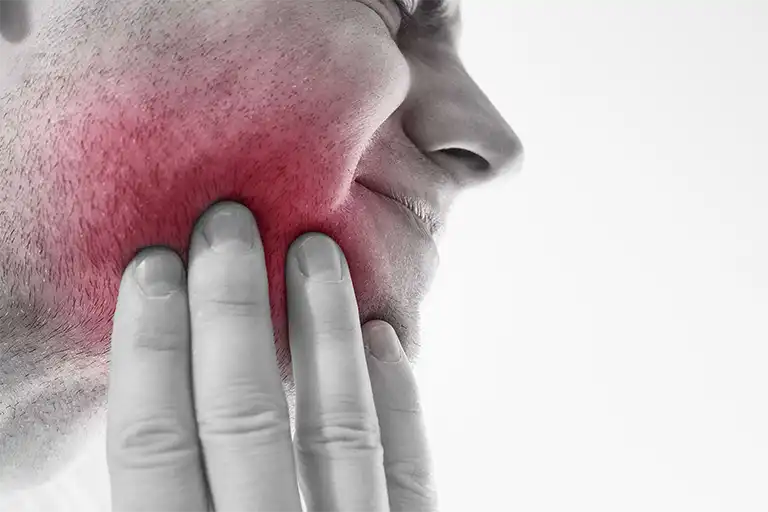
Although you can expect root canal pain to diminish relatively quickly, it is essential to prioritize your dental health to minimize discomfort and accelerate recovery.
- Consult with your dentist regarding the use of over-the-counter pain medications; these can effectively alleviate your symptoms.
- Refrain from consuming hard foods, especially in the days immediately following your root canal treatment.
- Be cautious and avoid biting down on the treated tooth until you notice an improvement in pain.
- Brush your teeth twice daily with a soft-bristled toothbrush, taking care around the treated area to prevent irritation.
- Incorporate daily flossing into your routine to remove food particles and reduce the likelihood of infections.
- During a follow-up appointment, your dentist can place a permanent crown or restoration on your tooth; until then, handle the temporary filling with care, as it may be fragile.
- Maintain a balanced diet and limit your intake of sugary foods and beverages to support your oral health.
- Schedule regular dental visits for comprehensive cleanings and check-ups to ensure ongoing dental health.
