



Undergoing root canal treatment is crucial for preserving your natural teeth and alleviating significant pain. This procedure entails a meticulous deep cleaning of the tooth’s interior, specifically targeting pain or infection that may have arisen due to tooth decay or damage. If you are suffering from a decayed or injured tooth, it can lead to infection, resulting in discomfort that necessitates a root canal. Although most patients return to their daily routines shortly after a few recovery days, adhering to proper care guidelines and your dentist’s instructions plays a vital role in determining the duration of your recovery. Continue reading to discover more about the root canal process and essential recovery tips to ensure a safe healing journey.
Understanding the Root Canal Procedure and Its Importance
A root canal treatment is a significant dental procedure frequently performed to address issues related to tooth pulp infection and damage. You may require this procedure when the pulp tissue inside your tooth becomes inflamed or infected, which can happen due to factors such as an untreated cavity, a cracked tooth, or extensive chipping. Understanding the circumstances that lead to a root canal is crucial for maintaining dental health.
Your teeth consist of several layers, including enamel, the hard outer layer, and dentin, the softer inner layer. At the core lies the tooth pulp, a delicate tissue rich in nerves and blood vessels. When the enamel or cementum (the protective layer covering the roots) suffers damage due to decay or trauma, bacteria can infiltrate the pulp, resulting in infection and inflammation. Without timely treatment, this condition can escalate to a tooth abscess, potentially affecting adjacent teeth and leading to severe complications.
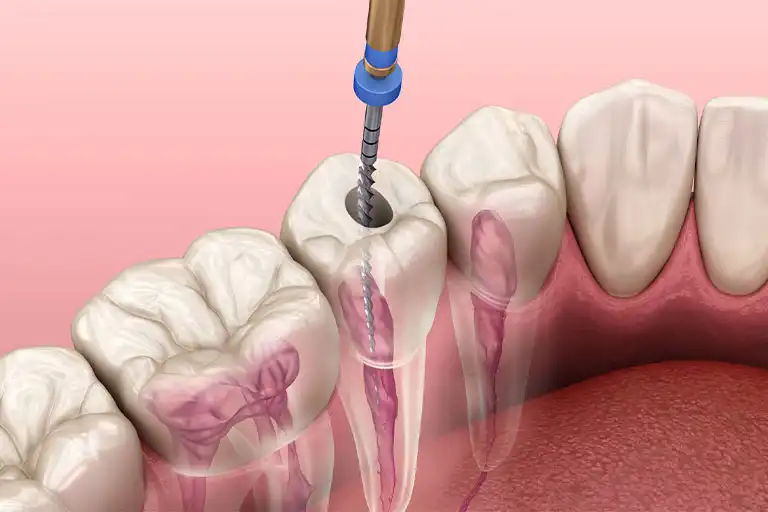
During a root canal, a skilled dentist or endodontist will carefully drill a small opening in the top of the affected tooth to access and remove the damaged pulp. After thoroughly disinfecting the root canals, the space is filled with a specialized material known as gutta-percha. The tooth is then temporarily sealed, and if necessary, a permanent crown is placed to protect the tooth from future damage, especially if it has experienced significant decay or fracture.
Anticipating Your Recovery Journey Post-Root Canal Treatment
Before initiating a root canal procedure, your dentist or endodontist will prioritize your comfort and minimize pain by administering local anesthesia to numb the targeted tooth and the surrounding tissues effectively. This ensures a more pleasant experience throughout the treatment.
Following the procedure, as the anesthesia begins to wear off, it is normal to experience mild tenderness in the area around the treated tooth for several days during the healing process. Additionally, you may feel some soreness in your jaw from keeping your mouth open for an extended period during the procedure. Generally, a certain level of discomfort at the root canal site is expected, but it can be managed effectively.
Over-the-counter pain relievers are often sufficient to alleviate post-procedural pain. If needed, your dentist may prescribe stronger narcotic medications for pain management. It’s crucial to adhere to your doctor’s guidelines regarding dosage and usage. Keep in mind that narcotics can cause drowsiness, so exercise caution if you need to drive or operate heavy machinery while taking these medications.
Understanding the Timeline for Root Canal Recovery
Typically, the recovery period following a root canal lasts less than a week. Patients usually experience mild pain or discomfort for a few days, which tends to subside. Pain management can be achieved through over-the-counter medications, but should any severe pain persist after the root canal, it is essential to contact your dentist promptly. Although uncommon, complications such as inadequate cleaning of the root canals can lead to infection, necessitating further treatment.
The healing process after a root canal is generally swift, and most symptoms encountered are mild. You may notice slight swelling post-treatment, but this should gradually decrease rather than worsen. Following your dentist’s aftercare instructions is vital for optimal healing. By maintaining good oral hygiene practices and adhering to your dentist’s recommendations, you can quickly resume your regular activities.
If your tooth has received a temporary restoration, exercise extra caution while chewing and brushing. Be gentle to protect the affected tooth until it is fully restored with a permanent crown by your dentist.
Identifying When to Consult Your Dentist After a Root Canal
While pain following a root canal should diminish within a few days, experiencing sharp or severe pain that persists beyond this timeframe warrants an immediate visit to your dentist. This may indicate an underlying issue that requires professional evaluation and treatment.
Be vigilant about these alarming signs that necessitate prompt dental attention:
- Moderate to severe pain
- Swelling that remains persistent beyond two days
- Prolonged pain or pressure lasting more than a few days
- Loss of temporary filling or crown
- Pain that does not respond to over-the-counter medications
- A sensation that your tooth feels elevated or your bite is misaligned
Essential Care Tips for a Speedy Root Canal Recovery
Taking proper care of your treated tooth is crucial for a successful recovery after a root canal procedure. It’s essential to follow your dentist or endodontist’s recommendations until your tooth heals completely or is restored.
- Refrain from chewing or consuming hot or cold beverages immediately after treatment until the anesthesia fully wears off.
- Avoid biting down on hard foods that may exert unnecessary pressure on the treated tooth.
- Steer clear of smoking for several hours and days post-treatment to promote healing.
- Brush your teeth twice daily, or as advised by your dentist, while being gentle around the treated area.
- Floss daily with care to avoid harming the affected tooth.
- Attend regular dental check-ups and schedule appointments for thorough cleaning to maintain optimal oral health.
