


Let’s delve into the topic of pores – specifically, understanding what they are, their purpose, and effective strategies for managing them.
It’s quite common for our skin to fluctuate between feeling silky smooth and showing texture, particularly as we age. This natural progression is part of the aging process; however, there are instances where our pore size expands beyond what feels normal. At this point, we may find ourselves questioning whether we are dealing with enlarged pores and how best to care for our skin to improve its appearance.
With advancing age, our approach to skin care needs to be proactive. Tackling skin concerns promptly, using clean and effective ingredients, and maintaining a consistent routine are the best ways to preserve a taut complexion and a vibrant glow. Let’s explore the causes of enlarged pores and discuss several techniques and natural products that can help achieve a smoother skin texture.
Understanding Enlarged Pores: What You Need to Know
While we often refer to our skin as our largest organ, let’s visualize it as a piece of fabric. The tighter and more uniform the weave, the smoother the overall appearance of the fabric. Therefore, the less uneven our facial skin is, the smoother our complexion will look, resulting in reduced pore visibility. Various factors contribute to the visibility of pores on our skin, many of which are natural and unavoidable.
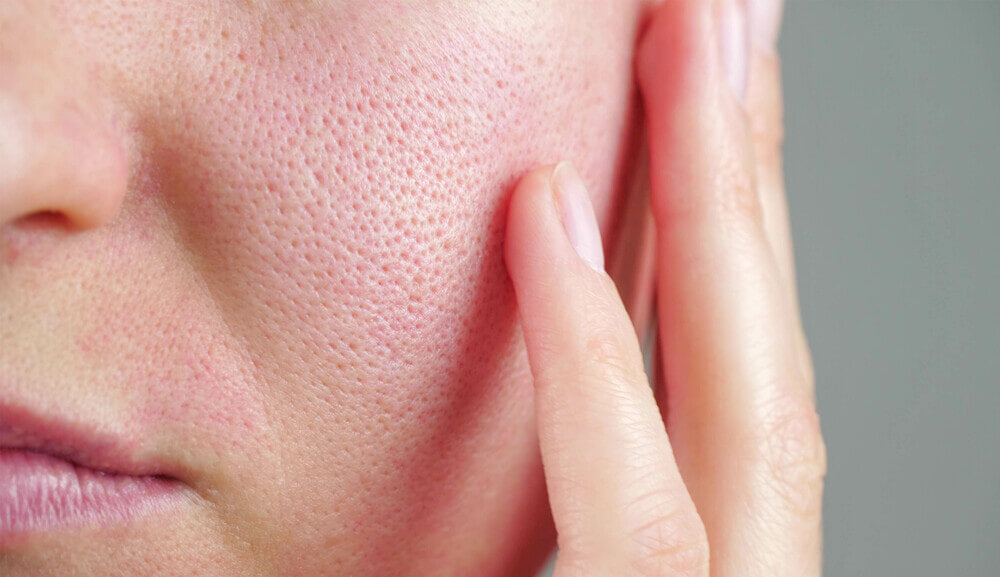
Pores come in various sizes, and their size can vary significantly based on their location on the face and your unique skin type. Think of those areas with larger pores as “loosely woven” fabric. A typical pore may be nearly invisible or no larger than the tip of a mechanical pencil, while an enlarged pore can resemble the size of a small seed, such as a poppy or sesame seed.
Enlarged pores create a textured appearance on the skin surface. Typical signs of enlarged pores include raised skin, visible redness or discoloration, and dark spots within the pores. Although having enlarged pores may not be catastrophic, it can indicate potential skin issues that may require attention.
Exploring the Causes and Effects of Enlarged Pores
Enlarged pores can often be attributed to natural skin behaviors. Factors such as aging, hormonal changes, and genetics play significant roles, but there are additional causes worth noting. For many individuals, enlarged pores may be an inevitable aspect of their skin, which is where a consistent skincare regimen becomes crucial in improving the condition of pores. Furthermore, certain lifestyle habits can exacerbate the issue of enlarged pores.
In numerous instances, enlarged pores are not permanent and result from the accumulation of debris, including excess oil, dirt, and dead skin cells. Alongside hormonal influences and genetic predispositions, frequent exposure to harsh sunlight can also contribute to pore enlargement.
Stay Informed: Subscribe to Our Newsletter
for the latest blog updates and exclusive discounts
When a pore enlarges, the changes are not just superficial. Pores serve essential functions: they enable our skin to expel dirt, sweat, oil, heat, and toxins. Consequently, when a pore becomes enlarged due to blockage, it causes a backup of impurities beneath the skin’s surface.
Once enlarged, pores can lead to a series of additional skin issues. Since enlarged pores are frequently found in the T-zone—forehead, nose, and chin—one of the first problems that arise is excess sebum production. This imbalance can not only lead to oily skin but also create a perfect environment for breakouts, ranging from minor pimples to larger, more noticeable blackheads. Thus, enlarged pores often become breeding grounds for various blemishes.
If the enlargement is triggered by increased sun exposure or reactions to irritating skincare products, you might notice heightened redness and raised patches on the skin. Depending on individual skin and hair types, it’s also possible to experience hair growth within enlarged pores or even the development of ingrown hairs.
Addressing newly enlarged pores can be relatively straightforward. Instead of solely dealing with the aftermath of blemishes, let’s explore effective methods to treat and care for the skin.
Effective Strategies for Managing Enlarged Pores
Many of us will encounter enlarged pores at some point in our lives, but whether it stems from genetic factors or natural aging, there are effective skincare strategies available. While we may not be able to completely eliminate enlarged pores, we can significantly enhance their appearance and mitigate associated problems.
Here are 6 effective strategies to manage enlarged pores:
#1. Establishing a consistent skincare routine is paramount. We may sound repetitive, but consistency truly matters. Given that pore debris can accumulate quickly, committing to daily cleansing is vital for maintaining skin health. Incorporating physical or chemical exfoliants once a week can help reveal the freshest skin, enhancing overall texture.
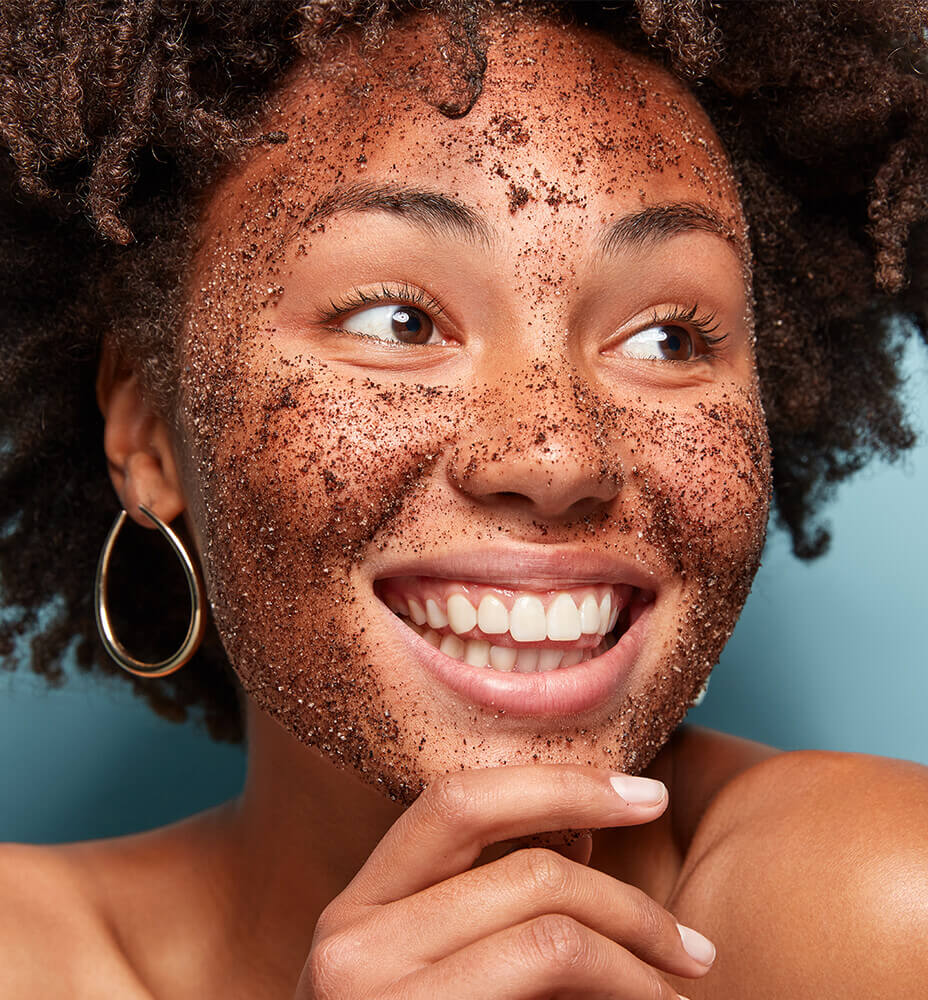
#2. A single application of an antioxidant-rich face scrub can stimulate circulation, reduce the visible texture of pores, and revitalize skin suppleness. The fine scrub texture effectively removes flakes and dead skin, unblocking pores and allowing for a clearer complexion.
#3. Enlarged pores benefit from the use of clarifying products, making daily toners an essential part of your routine. For skin struggling with excess sebum, a toner like the Tea Tree & Willow Clarifying Astringent can help clear pores and eliminate acne-causing bacteria.
Additionally, using a toner serves to shrink the appearance of pores by constricting them, which also curtails excess oil secretion. Our Flower Water Toner is an excellent example of a formula that hydrates thirsty skin cells with hyaluronic acid while incorporating organic witch hazel to purify and tighten pores.
This alcohol-free hydrating face toner is enriched with undiluted floral ingredients like rose hydrosol and calendula hydrosol, which work to reduce redness, calm irritation, and clarify your complexion for a radiant glow.
#4. Opting for non-comedogenic products is another crucial factor in managing enlarged pores. Lightweight and compatible formulations reduce the likelihood of clogging pores and triggering breakouts, which can further compromise skin texture. If you’re seeking skincare solutions that travel well, our Lavender Niacinamide Pore Minimizer Tonique is the perfect addition to your beauty arsenal. This pore-minimizing face mist cleanses and purifies pores, minimizing the visibility of facial pores, lines, and wrinkles while reducing inflammation, improving firmness, and evening skin tone.
#5. Daily application of SPF is another vital step for maintaining tight pores, as environmental pollutants and UV damage can compromise skin structure.
#6. Supporting your skin’s collagen and elastin levels is an additional tactic to reduce the appearance of enlarged pores. As we age, a natural decline in collagen leads to lax skin, causing pores to appear loose and stretched. By incorporating vitamin C and other collagen-boosting ingredients into your skincare routine, you can help maintain firmer pores for a longer period.
Our skin is delicate, making it susceptible to various daily activities that can result in clogged and enlarged pores. Understanding how to identify and mitigate these factors can significantly improve your skin’s clarity, leading to the smooth and clear complexion you desire!
Common Questions About Enlarged Pores: Answers You Need
What causes enlarged pores, and is it possible to reduce their size permanently?
Enlarged pores are primarily the result of excess sebum production, aging, and genetic predisposition. Additional factors such as improper skincare, sun damage, and blockages can exacerbate the condition. While it’s impossible to permanently alter the actual size of pores (as this is largely determined by genetics), there are effective methods to minimize their appearance. Establishing a consistent skincare routine, regular cleansing, and treatments that enhance skin elasticity can help make pores less noticeable.
How does exfoliation contribute to minimizing enlarged pores?
Exfoliation is key to removing dead skin cells and unclogging pores, which can reduce their visibility. Chemical exfoliants like alpha-hydroxy acids (AHAs) and beta-hydroxy acids (BHAs) are particularly effective, as they penetrate deeply to clear out impurities. Regular exfoliation also promotes cell turnover, preventing the accumulation of dead skin and sebum within pores.
Are there specific skincare ingredients effective against enlarged pores?
Indeed, certain skincare ingredients are particularly adept at addressing enlarged pores. Salicylic acid, a BHA, is excellent for penetrating pores and dissolving the buildup of sebum and dead skin cells. Niacinamide helps regulate oil production and improve skin texture, thereby reducing the visibility of pores. Retinoids can enhance skin turnover and elasticity, making pores appear smaller.
Can a regular cleansing routine help reduce enlarged pores?
Absolutely! A consistent cleansing routine is crucial for keeping pores clean and less visible. Cleansing your skin twice daily is essential to eliminate impurities and excess oil that can stretch and enlarge pores. It’s important to choose a gentle cleanser that won’t strip the skin of its natural oils, as over-cleansing can lead to increased oil production.
What role does sun protection play in the appearance of pores?
Sun protection is vital for maintaining the appearance of pores. UV rays can degrade collagen and elastin in the skin, which are essential for preserving pore structure. As these supportive fibers weaken, pores may appear more dilated. Therefore, applying a broad-spectrum sunscreen daily is crucial for safeguarding skin elasticity and keeping pores tight.
var windowWidth,lazyLink,lazyImages,lazySource,lazyBackground,lazyIframe,lazyScripts,navigator_platform,lazyLoadedJS,src,style,datasrc,urls,analytics,s,x,i,j,flag;
function init(){flag&&(flag=0,load_all_js(),lazyLoadImg(),lazyLoadBackground(),lazyLoadIframe(),lazyLoadSource())}
function isElementInViewport
var a=t.getBoundingClientRect();
return a.top>=0&&a.left>=0&&a.bottom<=(window.innerHeight||document.documentElement.clientHeight)&&a.right<=(window.innerWidth||document.documentElement.clientWidth)
}
function insertAfter(newNode, referenceNode) {
referenceNode.parentNode.insertBefore(newNode, referenceNode.nextSibling);
}
function isElementInView
var a=t.getBoundingClientRect();
return a.top(window.innerHeight/2||document.documentElement.clientHeight/2)
}
function lazyLoadLink(){
lazyLink.forEach(function
t.href=null==t.dataset.href?t.href:t.dataset.href
})
}
function lazyLoadImg(){
lazyImages.forEach(function
null!=(src=windowWidth<600?null==t.dataset.mobsrc?t.dataset.src:t.dataset.mobsrc:t.dataset.src)&&(t.src=src),t.classList.remove("lazy2")
})
}
function lazyLoadImg2(){
lazyImages.forEach(function
isElementInViewport
})
}
function lazyLoadSource(){
lazySource.forEach(function
t.srcset=null==t.dataset.srcset?t.srcset:t.dataset.srcset
})
}
function lazyLoadBackground(){
lazyBackground.forEach(function
lazybg=windowWidth<768?null==t.dataset.mobstyle?t.dataset.style:t.dataset.mobstyle:t.dataset.style,null!=lazybg&&(t.style=lazybg),t.classList.remove("lazybg")
})
}
function lazyLoadIframe(){
lazyIframe.forEach(function
t.src=null==t.dataset.src?t.src:t.dataset.src
})
}
function lazyLoadScripts(){
j!=lazyScripts.length&&("lazyload2"==lazyScripts[j].getAttribute("type")?(lazyScripts[j].setAttribute("type","lazyloaded"),void 0!==lazyScripts[j].dataset.src?((s=document.createElement("script")).src=lazyScripts[j].dataset.src,document.body.appendChild(s),s.onload=function(){j++,lazyLoadScripts()}):((s=document.createElement("script")).innerHTML=lazyScripts[j].innerHTML,document.body.appendChild(s),j++,lazyLoadScripts())):(j++,lazyLoadScripts()))
}
function lazyLoadCss
(s=document.createElement("link")).rel="stylesheet",s.href=t,document.getElementsByTagName("head")[0].appendChild(s)
}
function lazyLoadJS
if(lazyLoadedJS)return setTimeout(function(){lazyLoadJS
}
function wnwAnalytics() {
var script2 = document.querySelectorAll(".analytics");
script2.forEach(function(analyticsScript) {
trekkie.integrations=false;
s = document.createElement("script");
s.innerHTML = analyticsScript.innerHTML;
insertAfter(s, analyticsScript);
analyticsScript.parentNode.removeChild(analyticsScript);
});
}
document.addEventListener("DOMContentLoaded",function(){windowWidth=screen.width,lazyLink=document.querySelectorAll("link"),lazyImages=document.querySelectorAll("img.lazy2"),nolazyImages=document.querySelectorAll("img.lazy"),lazyBackground=document.querySelectorAll(".lazybg"),lazyIframe=document.querySelectorAll("iframe"),lazySource=document.querySelectorAll("source"),lazyScripts=document.getElementsByTagName("script"),navigator_platform=navigator.platform,i=0,j=0,flag=1,window.addEventListener("scroll",function(){init()}),window.addEventListener("mousemove",function(){init()}),window.addEventListener("touchstart",function(){init()}),"Linux x86_64"!=navigator_platform&&init(),setTimeout(function(){init()},60000)});
function load_all_js() {
lazyLink=document.querySelectorAll("link");
lazyLoadLink();
}
wnwAnalytics();
setTimeout(function() {
const wnw_load = new Event('wnw_load');
window.dispatchEvent(wnw_load);
}, 100);
setTimeout(function() {
var DOMContentLoaded2_event = document.createEvent("Event");
DOMContentLoaded2_event.initEvent("DOMContentLoaded2", true, true);
window.document.dispatchEvent(DOMContentLoaded2_event);
}, 60000);
j=0;
lazyScripts = document.querySelectorAll("script[type=lazyload2]");
lazyLoadScripts();
lazySource = document.querySelectorAll("source");
lazyLoadSource();
}
