



Dark spots on the skin, often referred to as hyperpigmentation, can be a significant source of frustration for many individuals. These spots, which can vary greatly in size and color, typically appear on areas of the body that receive frequent sun exposure, such as the face, hands, and arms. While medically harmless, dark spots can profoundly impact one’s self-esteem and are frequently regarded as a cosmetic issue that warrants attention. Understanding the underlying causes and exploring effective treatments can empower individuals to reclaim their confidence and achieve a clear complexion.
In the search for solutions to this prevalent skincare concern, Vitamin C has emerged as a remarkable ally. This essential nutrient, well-known for its vital role in overall health, is also making significant strides in the skincare industry. Celebrated not only for its potent antioxidant properties, Vitamin C is particularly prized for its ability to brighten the skin and substantially diminish the visibility of dark spots. This portion of the article delves into the compelling reasons why Vitamin C should become your go-to skincare powerhouse in the ongoing battle against hyperpigmentation.
In-Depth Look at Dark Spots
Dark spots, commonly identified as hyperpigmentation, represent a widespread skin issue affecting individuals across various ages and skin types. These spots can manifest in different sizes and hues, predominantly on sun-exposed areas like the face, hands, and arms. Understanding the nature of dark spots is crucial for developing effective treatment strategies. Addressing these spots not only enhances aesthetic appeal but also promotes healthier skin overall, making it essential for anyone looking to improve their complexion and boost their self-confidence.
Key Factors Leading to Dark Spot Development
Multiple factors contribute to the emergence of dark spots:
Sun Exposure: Prolonged exposure to the sun’s harmful ultraviolet (UV) rays is one of the leading causes of dark spots. UV rays stimulate the production of melanin, the pigment responsible for skin color. When melanin is overproduced in specific areas, it results in the formation of dark spots, emphasizing the importance of sun protection in any skincare routine.
Aging: As we grow older, our skin naturally undergoes various transformations. One notable change includes the emergence of age spots, sometimes referred to as liver spots, which are a specific type of dark spot. While these are more prevalent in individuals over 50, younger people can also develop them, particularly those who spend considerable time in the sun, highlighting the need for proactive skincare at any age.
Acne Scars: Post-inflammatory hyperpigmentation occurs as the skin heals from trauma or injury. Severe cases of acne can leave behind dark spots that persist long after the acne has resolved. Recognizing that acne scars can lead to hyperpigmentation emphasizes the importance of proper acne treatment and skin care to minimize long-term effects.
Understanding the Effects of Dark Spots on Skin Health
While dark spots are generally harmless from a medical standpoint, they can significantly influence both skin health and self-esteem. Dermatologically, these spots often signal skin damage, particularly due to sun exposure, which can lead to long-term consequences, including premature aging and an elevated risk of skin cancer. Recognizing the signs of skin damage is imperative for taking protective measures.
From a psychological perspective, dark spots can have detrimental effects on an individual’s self-image and confidence levels. As the most visible organ, skin plays a crucial role in personal aesthetics. The presence of uneven skin tone caused by dark spots can lead to self-consciousness, affecting social interactions and overall quality of life. Therefore, addressing dark spots is not just about aesthetics; it’s about fostering a positive self-image.
In the following section, we will delve into the compelling reasons why Vitamin C serves as an effective remedy for dark spots and how to seamlessly incorporate it into your skincare routine to achieve a healthier, more even complexion.
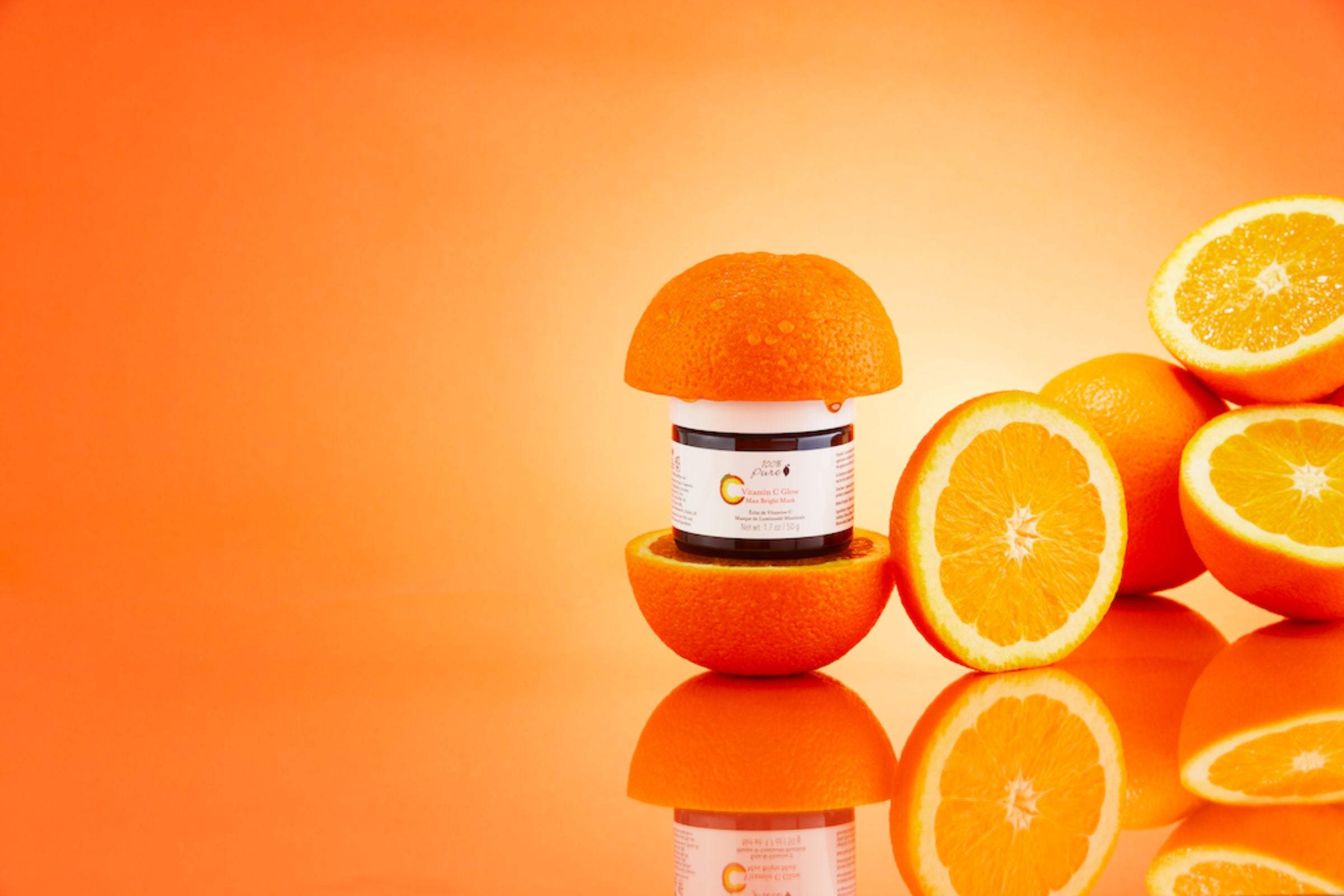
The Power of Vitamin C in Skincare
Vitamin C, scientifically known as ascorbic acid, is a potent antioxidant that plays an essential role in maintaining skin health. It is crucial for collagen synthesis, which helps keep skin firm and youthful in appearance. In addition to its structural benefits, Vitamin C is renowned for its ability to neutralize free radicals—molecules that can cause cellular damage and contribute to premature aging. This antioxidant feature makes Vitamin C an indispensable ingredient in skincare formulations aimed at enhancing skin vitality.
In the realm of skincare, Vitamin C is celebrated for its brightening effects. It is a cornerstone ingredient in numerous topical products designed to improve skin radiance and create a more uniform skin tone. Its antioxidative properties also play a vital role in safeguarding the skin from UV damage and environmental stressors that often lead to dullness and uneven pigmentation, underscoring its value in a comprehensive skincare regimen.
Vitamin C’s Mechanism for Reducing Dark Spots
The way Vitamin C functions to diminish pigmentation is complex and multifaceted. Primarily, it acts by inhibiting the enzyme tyrosinase, which is integral to melanin production—the pigment responsible for skin color. By disrupting the melanin production process, Vitamin C effectively prevents and reduces the visibility of hyperpigmentation and dark spots.
Scientific research supports these assertions. A significant study published in the “Journal of Clinical and Aesthetic Dermatology” revealed that applying a topical 10% Vitamin C serum resulted in a notable reduction in dark spots and overall skin discoloration after a span of 12 weeks. Furthermore, the antioxidative properties of Vitamin C aid in repairing damage inflicted by UV rays and pollution, both of which can aggravate pigmentation issues.
Another notable study from the “Indian Journal of Dermatology” emphasized the effectiveness of Vitamin C when combined with other skin-lightening agents like hydroquinone and kojic acid. This research demonstrated that these combinations yield enhanced results in treating hyperpigmentation, highlighting the versatility of Vitamin C in skincare.
Effective Strategies for Integrating Vitamin C into Your Skincare Routine
Types of Vitamin C Products
Explore the various options available for incorporating Vitamin C into your skincare regimen, including serums, creams, and more.
Varieties of Vitamin C Products
Vitamin C, celebrated for its powerful antioxidant properties, is a versatile ingredient in skincare that comes in multiple forms designed to cater to different skin needs. Understanding these variations can assist you in selecting the most suitable product for your routine:
Vitamin C Serum: A concentrated formula ideal for targeting specific concerns such as aging and dark spots.
Vitamin C Mask: Provides a more intensive treatment, perfect for a weekly boost to your skin’s radiance.
Brightening Serum: A lighter option, excellent for daily use to maintain an even skin tone.
Multi-Vitamin + Antioxidants Potent PM Serum: A comprehensive overnight treatment that combines Vitamin C with other essential nutrients.
Retinol Restorative Overnight Balm: Focuses on repair and rejuvenation during nighttime.
Highlighted Products and Their Usage
Vitamin C Serum
- Benefits: Boosts collagen and elastin production; enhances skin brightness; hydrates with aloe.
- How to Use: After cleansing, apply a dime-sized amount to damp skin, pressing gently into the face and neck. Best used in the evening; if applied during the day, follow with SPF for protection.
Vitamin C Mask
- Benefits: Encourages collagen and elastin production; brightens and evens skin tone; diminishes dark spots.
- How to Use: Mix 1 tbsp of powder with water to create a paste. Optionally, add facial oil for easier rinse-off. Apply to face and neck, leaving it on for 10-15 minutes. Use between 1-5 times a week for optimal results.
Brightening Serum
- Benefits: Evens skin tone with natural ingredients such as kojic acid, sake, and lemon juice.
- How to Use: Apply to slightly damp skin, pressing gently onto the face and neck, and wait 90 seconds before moisturizing. Recommended for evening application.
Multi-Vitamin + Antioxidants Potent PM Serum
- Benefits: Reduces fine lines and wrinkles; enhances skin firmness and tone.
- How to Use: Apply in the evening after cleansing, pressing gently into the face and neck. Use only at night, followed by SPF in the morning.
Retinol Restorative Overnight Balm
- Benefits: Improves firmness, tone, and elasticity; minimizes the appearance of lines and wrinkles.
- How to Use: Warm a quarter-sized amount in your hands and apply thinly to the face and neck. Use nightly, followed by SPF in the morning.
Tips for Optimal Application of Vitamin C
- Gentle Application: Always press, rather than rub, the product into your skin to ensure better absorption and minimize irritation.
- Layering: Apply lighter products like serums before heavier formulations such as creams or balms.
- Consistency is Key: Regular application is critical for achieving noticeable and lasting results.
- SPF is Essential: Vitamin C can increase your skin’s sensitivity to the sun. Always follow up with a broad-spectrum SPF during the day.
- Patience is Important: Allow your products adequate time to work. Significant changes may take several weeks to become evident.
Incorporating these Vitamin C products into your skincare routine can lead to visible transformations in your skin’s health and appearance, making Vitamin C an invaluable ally in your beauty arsenal.
Stay Updated with Our Newsletter Subscribe
for more blog updates and exclusive discounts

Essential Skincare Practices for Optimal Results
Protecting Your Skin from Sun Damage
Shielding your skin from the sun is paramount, especially while attempting to eliminate dark spots. Sunscreen serves as a protective barrier against harmful UV rays that can exacerbate hyperpigmentation. This makes it an essential component of your skincare routine.
Green Tea SPF 30 stands out in this category as it not only offers high-level protection with SPF 30 but also provides nourishing benefits derived from green tea, known for its anti-aging and protective properties. Infused with Vitamin E, a strong antioxidant, this sunscreen goes beyond mere protection; it also nourishes the skin. Formulated with natural mineral zinc oxide, it includes hydrating ingredients like aloe and cucumber juice. Additionally, oils from raspberry, avocado, olive, and rosehip ensure your skin remains soft and moisturized throughout the day, making this sunscreen an ideal choice for all-day wear.
The Importance of Exfoliation for Skin Renewal
Regular exfoliation is a vital step in enhancing the effectiveness of Vitamin C in your skincare regimen. By removing the outer layer of dead skin cells, exfoliation allows Vitamin C to penetrate deeper into the skin, maximizing its efficacy.
The 10% Fruit Acids Apple Enzyme Resurfacing Serum is an exceptional product designed for this purpose. It is a resurfacing and regenerative serum that works to brighten and even out skin tone. The unique combination of licorice, kojic acid from sake, and fruit enzymes from pineapple, green apple, citrus, and papaya work synergistically. These ingredients not only lighten scars and dark spots but also promote cellular turnover for smoother skin. Moreover, this serum effectively minimizes the appearance of pores, ensuring a flawless complexion.
Deep Cleansing for Healthy Skin
Maintaining healthy skin and enhancing the effectiveness of Vitamin C treatments necessitates deep cleansing.
The Charcoal Clay Cleanser is an excellent choice for detoxifying your skin. It combines bamboo charcoal with purifying clay, effectively removing makeup and impurities. This cleanser refreshes the skin while controlling oil without causing dehydration. Additionally, essential oils of spearmint, lemongrass, and lemon water invigorate the senses while providing antibacterial properties and brightening effects to the skin.
Another powerful addition to your skincare arsenal is the Acai Pulp Facial Scrub. This all-natural exfoliator is specifically formulated to provide a deep cleanse for the pores, promoting a glowing and youthful complexion. Its concentrated formula, crafted with crushed organic acai berries, is rich in vitamins, minerals, antioxidants, and fatty acids. Particularly effective due to its high vitamin A and C content, this scrub is essential for maintaining skin health. For a gentler exfoliation experience, remember to use it on wet skin.
By integrating these essential skincare practices into your routine, you can significantly enhance the effectiveness of Vitamin C in combating dark spots, leading to a healthier and more radiant complexion.
Your Frequently Asked Questions About Vitamin C
What is the Typical Timeline for Results from Using Vitamin C?
Vitamin C is renowned for its skin-brightening and anti-aging benefits, but it is not an instant solution. Typically, you can anticipate observing noticeable improvements in your skin’s texture, tone, and overall radiance within a time frame of 4 to 8 weeks of consistent use. The key to achieving these results lies in regular application and a bit of patience, as the effects of Vitamin C accumulate over time.
Is Vitamin C Suitable for All Skin Types?
Absolutely! Vitamin C is a versatile ingredient that accommodates all skin types. Individuals with sensitive skin may initially experience mild irritation; however, this often subsides with continued use. For those with sensitive skin, it is advisable to start with a lower concentration of Vitamin C and gradually increase it as your skin adjusts.
What Vitamin C Concentration is Most Effective?
Vitamin C products range in concentration from as low as 5% to as high as 20%. Research indicates that a concentration between 10-20% is optimal for skin penetration and efficacy. However, higher concentrations do not necessarily equate to better results and can sometimes cause irritation. A 10% concentration serves as a suitable starting point for most users.
What is the Best Way to Store Vitamin C Products?
Vitamin C is sensitive to light and air, which can lead to degradation and loss of potency. To preserve its effectiveness, store Vitamin C products in a cool, dark environment, ensuring that the container is tightly sealed after each use. Opt for products packaged in airless pumps or opaque, airtight containers to maximize shelf life and maintain stability.
Can I Safely Combine Vitamin C with Other Skincare Ingredients?
Vitamin C works harmoniously with many other skincare ingredients. It pairs exceptionally well with Vitamin E and ferulic acid, boosting its stability and effectiveness. However, caution is advised when combining it with retinoids or AHA/BHAs, as this may lead to irritation. It’s often recommended to use Vitamin C in the morning and reserve retinoids or acids for evening application.
Final Thoughts on the Benefits of Vitamin C for Your Skin
As we conclude our exploration of the remarkable benefits of Vitamin C for skin health, it is essential to highlight the impressive advantages this powerhouse ingredient offers, particularly in addressing dark spots. Vitamin C, a potent antioxidant, not only targets hyperpigmentation but also plays a vital role in revitalizing and enhancing skin texture and tone.
Firstly, Vitamin C’s ability to inhibit melanin production represents a significant breakthrough in skincare. This mechanism directly addresses the underlying cause of dark spots, ensuring that these blemishes are treated effectively while also preventing their recurrence. The outcome is a more even and radiant skin tone, a desired goal for many.
Moreover, Vitamin C’s antioxidative properties are crucial in protecting the skin from environmental aggressors such as UV rays and pollution. These external factors often contribute to the formation of dark spots and accelerated skin aging. By neutralizing free radicals, Vitamin C aids in maintaining skin vitality and prevents the deterioration that can lead to uneven skin tone and texture.
In addition to its pigmentation-fighting properties, Vitamin C stimulates collagen production, which is essential for maintaining skin elasticity and firmness. This contributes to a youthful and glowing complexion, ensuring that you not only see a reduction in dark spots but also an overall enhancement in skin health and appearance.
So, what does this mean for you? It’s a call to action to make Vitamin C an integral part of your skincare regimen. Whether you are currently dealing with existing dark spots or aiming to prevent their formation, incorporating Vitamin C into your daily routine can lead to brighter, more even-toned, and resilient skin. With an abundance of product options available—from serums to creams—finding the right formulation to suit your skin type and preferences has never been easier.
In summary, embracing Vitamin C in your skincare routine transcends being a mere trend; it embodies a scientifically-backed strategy for achieving and maintaining flawless, radiant skin. Bid farewell to dark spots and welcome a brighter, more even-toned complexion through the transformative power of Vitamin C. Your skin will undoubtedly express its gratitude!
var windowWidth,lazyLink,lazyImages,lazySource,lazyBackground,lazyIframe,lazyScripts,navigator_platform,lazyLoadedJS,src,style,datasrc,urls,analytics,s,x,i,j,flag;
function init(){flag&&(flag=0,load_all_js(),lazyLoadImg(),lazyLoadBackground(),lazyLoadIframe(),lazyLoadSource())}
function isElementInViewport
var a=t.getBoundingClientRect();
return a.top>=0&&a.left>=0&&a.bottom<=(window.innerHeight||document.documentElement.clientHeight)&&a.right<=(window.innerWidth||document.documentElement.clientWidth)
}
function insertAfter(newNode, referenceNode) {
referenceNode.parentNode.insertBefore(newNode, referenceNode.nextSibling);
}
function isElementInView
var a=t.getBoundingClientRect();
return a.top(window.innerHeight/2||document.documentElement.clientHeight/2)
}
function lazyLoadLink(){
lazyLink.forEach(function
t.href=null==t.dataset.href?t.href:t.dataset.href
})
}
function lazyLoadImg(){
lazyImages.forEach(function
null!=(src=windowWidth<600?null==t.dataset.mobsrc?t.dataset.src:t.dataset.mobsrc:t.dataset.src)&&(t.src=src),t.classList.remove("lazy2")
})
}
function lazyLoadImg2(){
lazyImages.forEach(function
isElementInViewport
})
}
function lazyLoadSource(){
lazySource.forEach(function
t.srcset=null==t.dataset.srcset?t.srcset:t.dataset.srcset
})
}
function lazyLoadBackground(){
lazyBackground.forEach(function
lazybg=windowWidth<768?null==t.dataset.mobstyle?t.dataset.style:t.dataset.mobstyle:t.dataset.style,null!=lazybg&&(t.style=lazybg),t.classList.remove("lazybg")
})
}
function lazyLoadIframe(){
lazyIframe.forEach(function
t.src=null==t.dataset.src?t.src:t.dataset.src
})
}
function lazyLoadScripts(){
j!=lazyScripts.length&&("lazyload2"==lazyScripts[j].getAttribute("type")?(lazyScripts[j].
