


Have you ever noticed individuals with skin that appears remarkably smooth and flawless, leaving you to wonder if they’ve discovered the secrets of youthful skin through exceptional genetics or some hidden elixir? The truth is, these radiant complexions don’t come from mystical sources or exclusive treatments. Instead, they owe their glow to the incredible power of retinol, a cornerstone ingredient in effective skincare routines!
Interestingly, retinol is often referred to as the ‘fountain of youth’ by skincare professionals, and for good reason. This derivative of vitamin A has become one of the most coveted elements in the realm of anti-aging skincare, celebrated for its transformative effects on the skin. Despite its widespread acclaim as a powerhouse anti-aging agent, there remains a level of intrigue and misunderstanding regarding the mechanisms by which retinol works its magic on the skin.
While you may not be familiar with the intricate scientific principles behind retinol, it’s essential to educate yourself on this vital ingredient, especially considering the various misconceptions that exist. It’s fantastic that you’re here, as this blog will delve into the science of retinol, its effectiveness in combating the signs of aging, and how to seamlessly incorporate it into your skincare regimen using trusted products from 100% PURE.
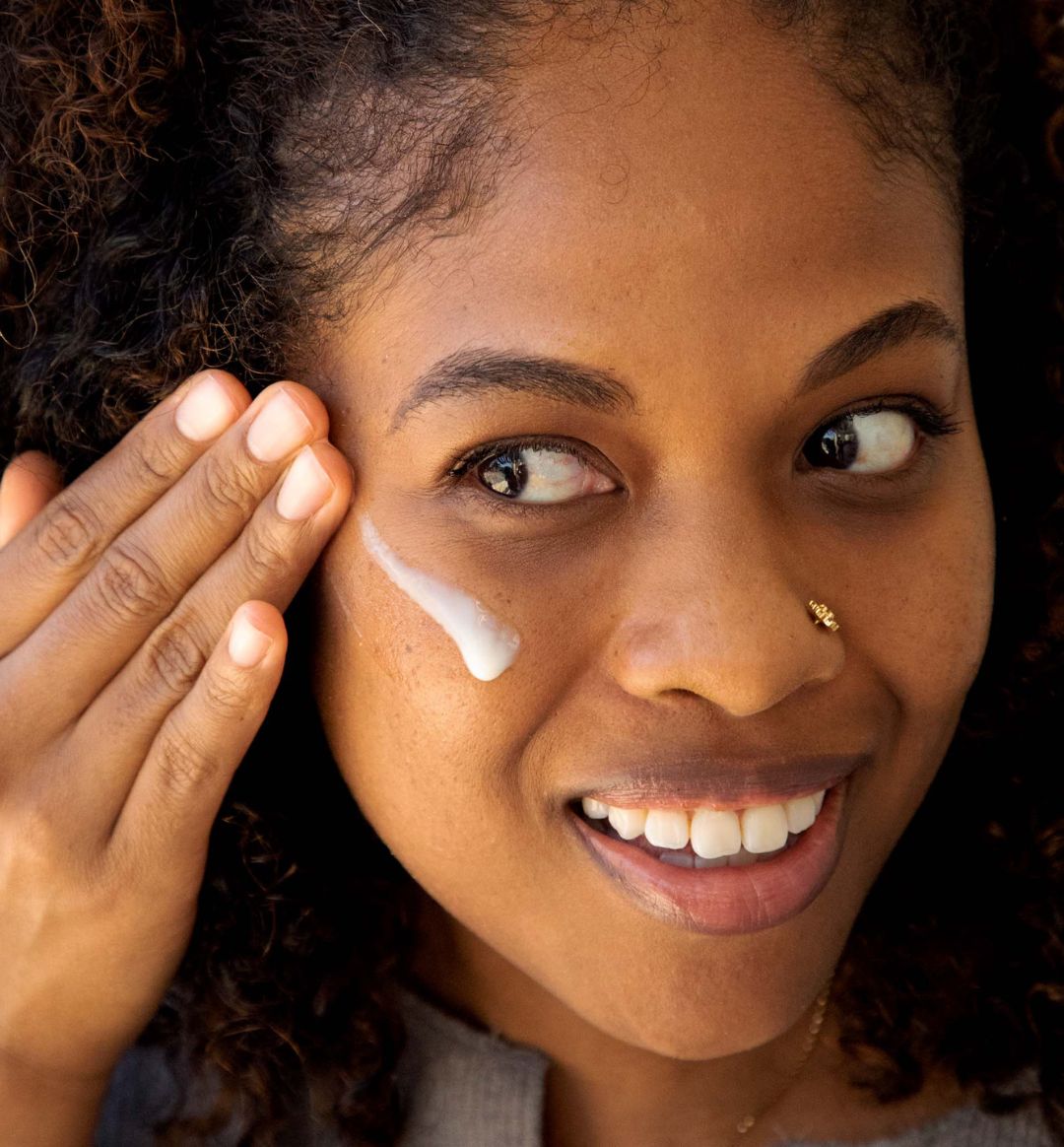
Understanding Retinol: The Key to Youthful Skin
If we could truly access the ‘fountain of youth’, we would imagine it brimming with miraculous benefits for the skin. Until we find that elusive fountain, we can express gratitude for the existence of retinol. This vitamin A derivative has long been celebrated for its anti-aging properties, providing remarkable results for those wishing to reverse the visible signs of aging, such as fine lines, wrinkles, and hyperpigmentation.
But how exactly does retinol deliver these seemingly miraculous effects on the skin?
As a nighttime treatment, retinol is most effective when applied in the evening, allowing it to work its cellular magic while you sleep. This potent vitamin A derivative accelerates cell turnover, enhances collagen production, and diminishes signs of aging such as sun spots, fine lines, and wrinkles. As we age, our natural cell turnover rate slows down, leading to a buildup of dead skin cells. Incorporating retinol can effectively rejuvenate this process, resulting in a refreshed, youthful complexion by morning.
The Impact of Vitamin A on Skin Health
Retinol acts as a powerhouse for your skin by stimulating fibroblasts to generate collagen fibers, which increases both their quantity and activity. This surge in collagen production improves skin elasticity by eliminating damaged cells and fostering the formation of new blood vessels, enhancing the skin’s overall color and brightness.
In addition, retinol boosts the production of keratinocytes, the surface cells in the epidermis, while accelerating the rate of cell turnover. This leads to a higher presence of new skin cells and quicker shedding of older, drier keratinocytes, providing a natural exfoliation effect. The cumulative result of this regenerative activity is smoother, more youthful, and radiant skin.
Exploring the Various Forms of Retinoids in Skincare
Retinoids encompass a group of compounds derived from vitamin A, utilized to address a variety of skin concerns. These compounds can be either natural or synthetic and are available in several forms, including retinol, retinaldehyde, and retinyl esters. While milder retinoid forms can be found over-the-counter, stronger formulations generally require a prescription.
Here are the six main types of retinoids utilized in skincare:
Retinol. This is the standard ingredient found in over-the-counter retinoid products. It is considered a mild form of retinoid, making it suitable for individuals with sensitive skin. Although it primarily addresses mild anti-aging concerns, it may take longer to yield visible results due to its lower concentration.
Retinaldehyde. An over-the-counter retinoid that is stronger than retinol, this option may be suitable for those with sensitive skin who seek enhanced effects without needing a prescription.
Tretinoin. Recognized as the gold standard among retinoids, this potent formulation is available by prescription only. If you’ve tried retinol but desire a stronger anti-aging solution, this could be the right choice for you.
Adapalene (Differin). Now available over-the-counter, this retinoid is an effective and affordable option for those seeking treatment without a prescription. It is also the first FDA-approved OTC retinoid for acne.
Retinyl palmitate. The least potent over-the-counter retinoid, this option is best suited for individuals with sensitive or excessively dry skin and minimal wrinkles.
Tazarotene. The most potent retinoid, available by prescription only, is ideal for individuals whose skin tolerates retinoids well and who are in search of enhanced results.
Understanding the key differences in effectiveness and strength:
Strength:
Prescription retinoids like tretinoin are significantly more potent than over-the-counter retinol, allowing them to deliver more noticeable results in a shorter period.
Skin Sensitivity:
Because of their higher potency, prescription retinoids are more likely to cause irritation, redness, and dryness, particularly for those with sensitive skin. To mitigate these effects, gradually introduce retinoids by starting with a lower concentration and increasing frequency over time to allow your skin to acclimate.
PRO-TIP: Retinoids can heighten sun sensitivity, so it is essential to use a broad-spectrum sunscreen with SPF 30 or higher when using these products.
Remarkable Anti-Aging Benefits of Retinol
Retinol is highly regarded in the skincare community for its exceptional anti-aging benefits. This skin-enhancing ingredient possesses the remarkable ability to promote cell turnover and stimulate collagen production, making it a vital component for those looking to address various skin concerns, including fine lines, wrinkles, uneven texture, and acne.
Minimizing Fine Lines and Wrinkles
Collagen serves as the fundamental protein that maintains your skin’s firmness and youthful appearance. As we age, collagen production naturally diminishes, resulting in sagging skin and the formation of wrinkles. Retinol effectively boosts collagen levels, which helps maintain the skin’s elasticity and firmness. By promoting collagen synthesis, retinol assists in smoothing fine lines and wrinkles, creating a more youthful and vibrant complexion.
Lightening Dark Spots and Hyperpigmentation
By enhancing cell turnover, retinol aids in refining skin texture, evening out skin tone, and diminishing dark spots. This powerful ingredient effectively unclogs pores and reduces inflammation, making it an excellent solution for individuals battling acne and blemishes. Retinol not only helps clear existing breakouts but also prevents future occurrences and assists in fading post-acne marks.
Improving Skin Texture and Radiance
Retinol works diligently to refine and enhance skin texture, addressing rough patches and uneven areas to reveal a softer, more luminous complexion.
Safely Incorporating Retinol into Your Skincare Regimen
As with any potent beauty product, there are certain guidelines to follow when using retinol. It is just as crucial to monitor how you apply and use retinol as it is to care for your skin during the night. Incorrectly using retinol can lead to unwanted skin reactions, such as redness, peeling, and excessive dryness. These signs indicate that your skin is overwhelmed and requires a break.
To prevent these adverse effects, it’s vital to adopt a gradual approach when introducing retinol into your skincare routine. Here are some tips and precautions to consider to minimize irritation, particularly for those who are new to this ingredient.
Start Slow: Introduction Phase
Initiate your retinol journey with a lower concentration to allow your skin to acclimate. Apply it every other night or just twice a week initially. This measured approach helps build tolerance without overwhelming your skin.
Increasing Usage: Adjustment Phase
As your skin becomes accustomed to retinol, you can gradually increase the frequency of application. During this adjustment period, it’s essential to monitor how your skin responds and make adjustments as necessary. If you notice any signs of irritation, it’s wise to reduce your usage.
Maintaining Regular Use: Ongoing Benefits
Once your skin has fully adapted to retinol, establish a consistent regimen that allows for continued benefits without irritation. Regular and balanced use of retinol will help keep your skin in optimal condition. Be vigilant for signs of overuse, including redness, peeling, and excessive dryness, and adjust your routine accordingly to enjoy the glowing results of a well-managed retinol regimen.
Selecting the Perfect Retinol Product for Your Skin Type
Having discussed essential tips and precautions for incorporating retinol into your skincare routine, it’s time to spotlight our expertly formulated retinol skincare products. These products are designed to be effective when used alone but work even better together. Explore our range of nighttime superheroes to discover which products could be perfect for your needs!
Experience Deep Repair with an Overnight Balm
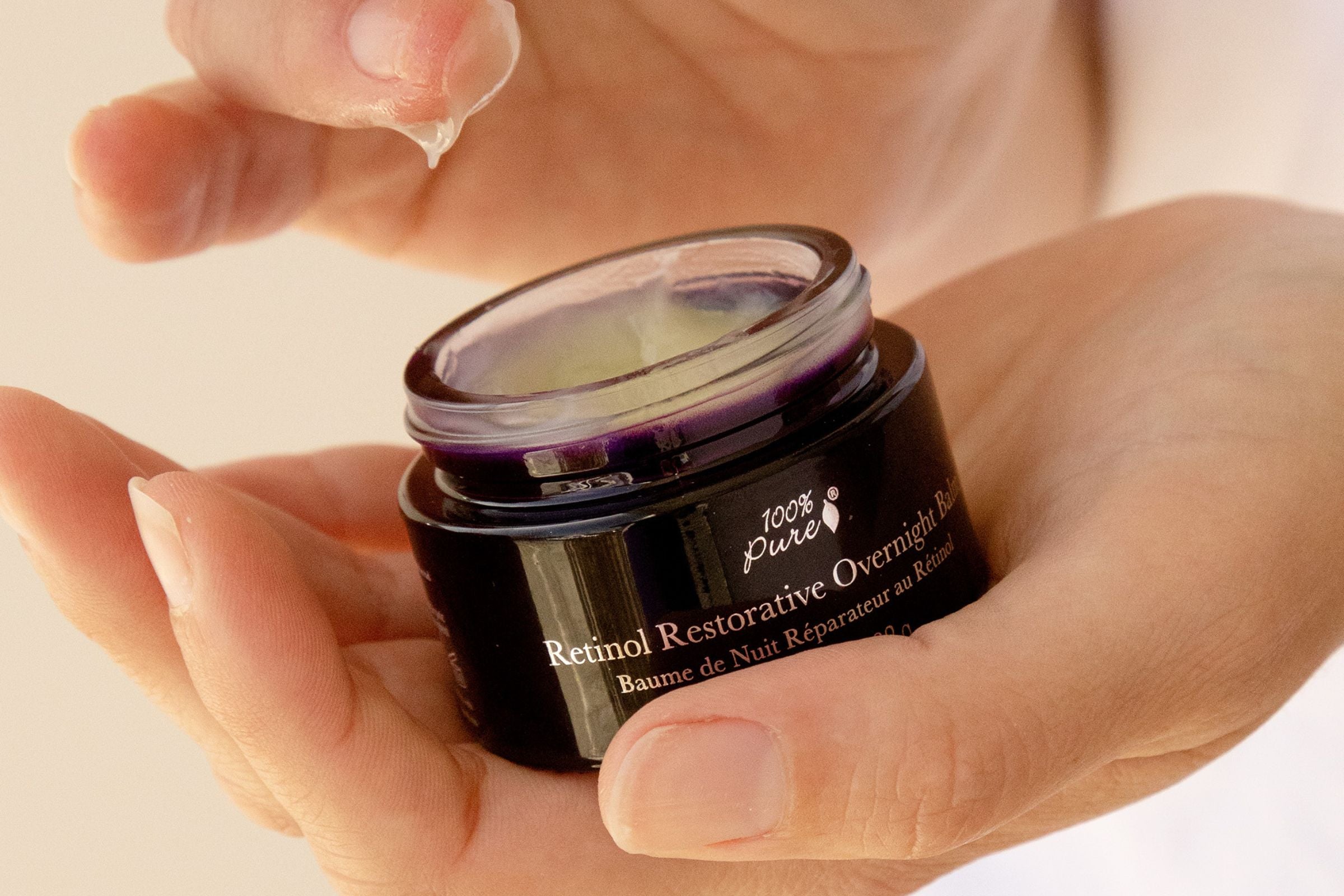
For an unparalleled retinol experience, apply the Retinol Restorative Overnight Balm. This luxurious balm, enriched with nourishing avocado and shea butters, works to pamper your skin as you sleep, while soothing scents of jasmine help you drift into restful slumber. Sunflower and olive oils provide hydration, leaving you with softer, more supple skin by morning, while beta-carotene from carrot seeds enhances firmness and diminishes fine lines. It may just be our most indulgent, vegetarian balm yet, meticulously crafted to enhance your skin’s radiance and elasticity with one of the highest retinol concentrations found in any 100% PURE™ product.
Enhance Your Neck Area with Targeted Cream
Our Retinol Restorative Neck Cream deserves special mention as it diligently works overnight to rejuvenate an area often neglected in skincare routines. The neck, similar to the eye area, features some of the most delicate skin on the body, making it particularly vulnerable to aging signs from sun exposure, wrinkles, and environmental factors. With a generous application to your fingertips followed by a gentle massage into the neck and décolletage before bedtime, our overnight neck cream will assist in minimizing the visible signs of aging in this sensitive area.
Don’t Forget Your Eyes: Incorporate an Eye Cream
Finally, round out your retinol routine with the Retinol PM Eye Cream. Retinol is especially crucial for the eye area, where the skin is thinner and more susceptible to damage. This vitamin A derivative is exactly what you need to smooth out crow’s feet and eye creases for a more youthful appearance. Our formulation includes skin-plumping hyaluronic acid to retain hydration throughout the night, along with chamomile butter to provide deep moisture and calming effects. Plus, did we mention this retinol eye cream is vegan?
Understanding Frequency and Timing for Retinol Application
When incorporating retinol into your skincare regimen, it’s vital to understand the correct usage and timing. Begin with a gradual approach, and as your skin adjusts, you can slowly increase the frequency of application. During this phase, it’s necessary to carefully observe your skin’s response and adjust your usage accordingly. If irritation arises, reduce your application frequency.
For optimal results, maintain consistent application of retinol for 10-12 weeks. Some individuals may notice changes in their skin after just a few weeks. Once your skin has adapted, establish a stable usage level to enjoy ongoing benefits without irritation. Regular, balanced use of retinol will help keep your skin looking its best. Always be on the lookout for signs of overuse, such as redness, peeling, and excessive dryness. Keep a close eye on your skin’s condition and revel in the glowing results of a carefully calibrated retinol routine.
The Crucial Role of Sunscreen When Using Retinol
While retinoids work their magic during the night, they also require careful handling during the day. When exposed to sunlight, retinol and carotenoids (like beta-carotene) can degrade, increasing skin sensitivity and vulnerability due to the weakening of the skin’s outermost layer. Regardless of the season or weather conditions, it is essential to use a broad-spectrum sunscreen. Exposure to sunlight can lead to mild to severe adverse reactions, including irritation and an increased risk of skin lesions and melanoma.
Pro-TIP: Even certain artificial light sources can emit small amounts of UV rays, heightening the risk of adverse reactions. If using retinol at night, aim to avoid direct exposure to fluorescent or halogen lights. Always remember the importance of sunscreen, regardless of your environment!
Recognizing Common Side Effects of Retinol and How to Manage Them
As we embark on our journey towards achieving the smooth, radiant skin we desire through retinol, it’s essential to keep in mind that there can be common side effects, especially for beginners or those with sensitive skin.
Here are some potential side effects to watch for, along with tips on how to manage them as you ease into retinol products:
Peeling and Flaking: Retinol can cause peeling and flaking due to its exfoliating properties. To protect your skin, avoid combining retinol with facial peels that contain high levels of alpha hydroxy acids (AHAs) or beta hydroxy acids (BHAs) until your skin has fully adjusted to retinol. Using these exfoliating acids simultaneously can exacerbate skin sensitivity.
Redness and Irritation: Skin may become red and irritated, particularly if using a high concentration or applying too frequently. These reactions may manifest as redness, peeling, and excessive dryness, indicating that your skin is overwhelmed and needs a break. Overdoing it with retinol can lead to unpleasant symptoms, including irritation characterized by redness, itching, and peeling.
While some dryness and flakiness are typical when first starting retinol, it’s crucial to monitor your skin’s response after integrating it into your nighttime routine. Look for signs of irritation, excessive dryness, peeling, or scaliness; these issues may signal that your skin requires a pause from retinol.
Here’s how to effectively manage potential retinol side effects:
Begin with a low concentration of retinol, applying it only a few times per week, and gradually increase usage as your skin adapts.
Use a Gentle Cleanser:
Choose a mild cleanser to minimize further irritation.
Moisturize Generously:
Apply a hydrating moisturizer before and after using retinol to combat dryness.
Layer Your Products Carefully:
Allow a few minutes after cleansing before applying retinol, and consider using a serum containing hyaluronic acid for added hydration.
Sunscreen is Essential:
Every day, apply a broad-spectrum sunscreen with SPF 30 or higher, even on cloudy days.
Patch Test:
If you have sensitive or reactive skin, it’s best to conduct a patch test with retinol to gauge any potential adverse reactions or sensitivities. If no reactions are observed, you can proceed to gradually integrate the retinol product into your skincare routine.
Top 100% PURE Products to Pair with Retinol
Now that you have a nighttime ally for your skin, you might be interested in additional anti-aging products for targeted areas of concern or for daily care to maximize the benefits of retinol. Whether your goal is to correct, prevent, or maintain your skin’s health, we have a variety of solutions for all skin types! Explore more ways to supplement retinol into your skincare routine.
100% PURE Multi-Vitamin + Antioxidants Potent PM Serum
This ultra-lightweight serum is loaded with powerful vitamins, including retinol, vitamin C, niacinamide, CoQ10, and vitamin E. Formulated with a base of soothing rose water, this potent nighttime serum is crafted to nourish your skin while delivering an anti-aging boost. It’s ideally suited for overnight use alongside retinol to provide essential nutrients and support skin renewal as you sleep.
100% PURE Restorative Sea Culture Extra Riche Créme
This luxurious face cream is perfect for maintaining hydration and helping to soothe and protect skin during retinol use. Enriched with seaweed polysaccharides and alteromonas, a type of proteobacteria found in coastal waters, this rich moisturizer ensures your skin stays hydrated. The seaweed extracts in this cream deliver deep moisture to parched skin for a soft, smooth complexion.
100% PURE Green Tea SPF 30
As previously mentioned, using sunscreen is crucial when utilizing retinol to shield your skin from harmful UV rays. This natural sunscreen is formulated to deeply hydrate thirsty skin with a base of aloe and refreshing cucumber juice, while nourishing with raspberry, avocado, olive, and rosehip oils for softness and moisture throughout the day.
100% PURE Coffee Bean Caffeine Brightening Eye Cream
An eye cream is essential to support the delicate skin under the eyes, where retinol may be too potent for direct application. This eye cream meets those needs with powerful anti-aging vitamins and antioxidants that awaken and soothe the eye area. Additionally, nourishing rosehip oil helps to soften and revitalize the skin, while naturally derived caffeine stimulates microcirculation, effectively reducing dark circles and detoxifying fluid buildup.
100% PURE Hydra Drench Cream
To maintain a healthy skin barrier, especially when using active ingredients like retinol, hydration is key. This fast-absorbing moisturizer offers deep hydration and soothing relief, helping to lock in moisture and strengthen the skin barrier. This lightweight, water-based formula is ideal for those with oily or combination skin who still require hydration to enhance their retinol experience.
Frequently Asked Questions About Retinol
What is the recommended amount of retinol to use on my skin?
The appropriate amount of retinol to apply largely depends on the concentration of the product and your skin’s tolerance. Typically, a pea-sized amount is sufficient for the entire face. If you’re new to retinol, starting with a lower concentration (0.25% to 0.5%) is advisable, gradually increasing as your skin builds tolerance.
How can I tell if I’m overusing retinol?
Overuse of retinol can lead to several noticeable symptoms, including:
1. Excessive dryness
2. Redness
3. Peeling or flaking
4. Increased sensitivity
5. Burning or stinging sensations
If you experience these symptoms, it may indicate that you are overusing retinol, and you should consider reducing the frequency or amount applied.
What are the signs of retinol irritation?
Retinol irritation can

Sienna Blake is a licensed aesthetic consultant and beauty writer specializing in cosmetic surgery advancements and non-invasive treatments. With a background in dermatology and over eight years of industry experience, Sienna is passionate about helping people achieve confidence through informed beauty decisions. She holds a Bachelor's degree in Health Sciences and regularly collaborates with top plastic surgeons to stay at the forefront of aesthetic innovations. Outside of her work, Sienna enjoys traveling, skincare research, and practicing Pilates.