



Have you ever taken a closer look at the ingredients in your makeup or skincare products? If you consider yourself an ingredient detective, you’re likely adept at deciphering those lengthy ingredient lists. While you may be aware of the harmful chemicals to avoid, some ingredients can appear harmless at first glance—until you discover they react negatively with others. Understanding these interactions is crucial for maintaining healthy skin and achieving optimal results from your beauty regimen.
Since not everyone is a professional label investigator or a trained cosmetic formulator, we often rely on the FDA to ensure our beauty products are safe for our skin and bodies. However, the reality is that cosmetic labeling is not heavily regulated by the FDA. This raises an important question: who is there to protect consumers from potentially harmful ingredients in their beauty products?
Fortunately, our founder and expert formulator Susie Wang brings extensive experience and knowledge to the table. Her commitment to your health is the driving force behind the formulation of 100% PURE products. In this article, we’ll delve into the science of cosmetic ingredients, explore which ones can cause adverse reactions when combined, and provide essential beauty do’s and don’ts to help you protect your skin.
Prioritize Stable and High-Quality Cosmetic Ingredients for Optimal Skin Health
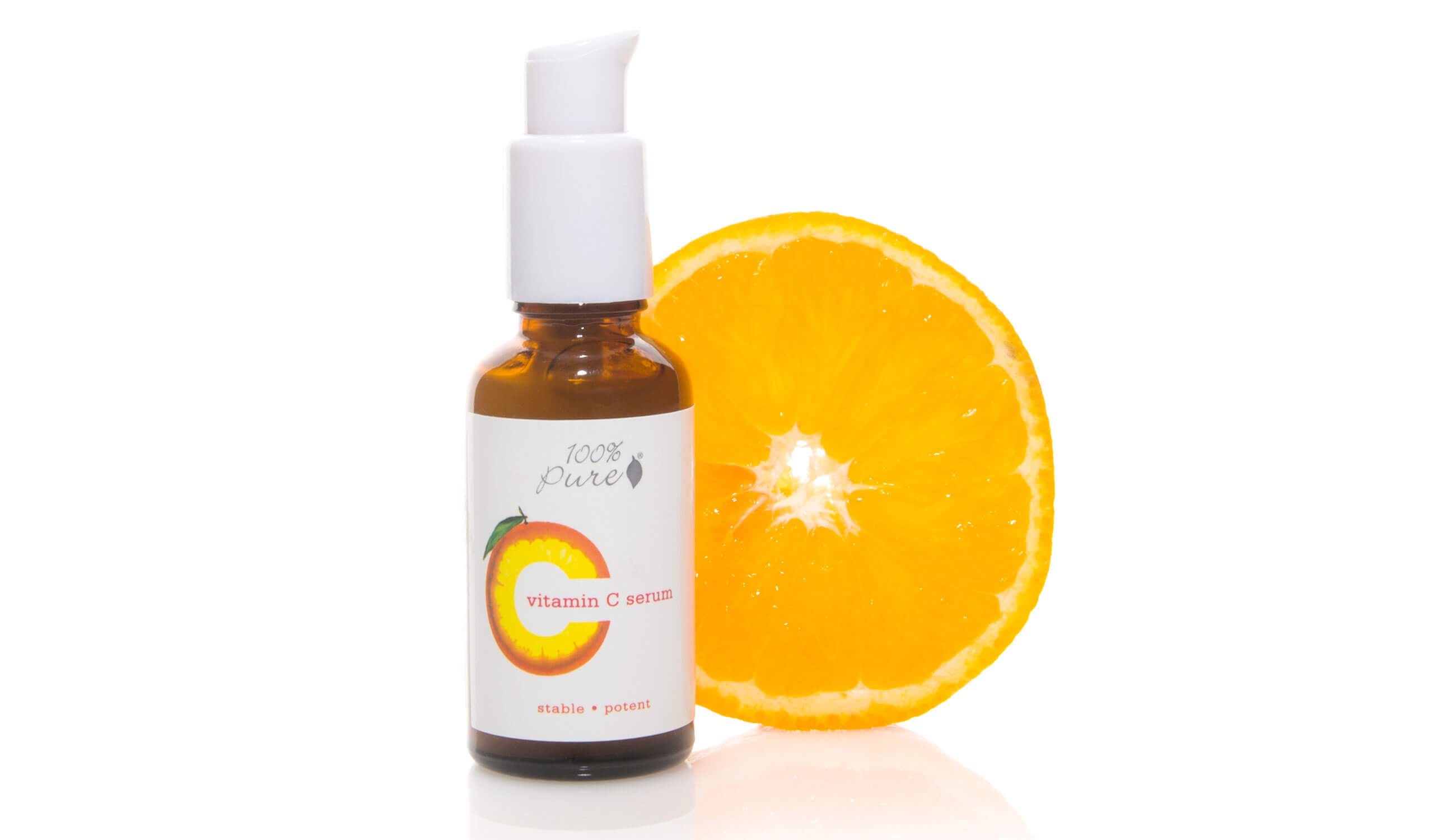
Have you ever wondered how Susie Wang first ventured into the realm of cosmetic formulation? During her college years, she saved diligently to purchase a vitamin C serum from a department store. However, upon opening the bottle, she was alarmed to find that the once-white serum had oxidized into an unsightly brown color. This oxidation indicated a loss of potency and the conversion of vitamin C into harmful free radicals. Imagine investing in an expensive serum only to inadvertently harm your skin! But don’t let this deter you from using vitamin C; Susie discovered a way to stabilize it, allowing you to reap its numerous benefits without compromising your health.
Our Vitamin C Serum is formulated to be stable and effective for both daytime and nighttime skincare routines, tailored to suit various skin types and sensitivity levels. If you choose to incorporate it into your daytime regimen, remember to apply a broad-spectrum SPF over it. Research suggests that pairing vitamin C with sun protection can enhance your defense against free radicals, offering dual protection for your skin!
Our unique formula combines vitamin C with the antioxidant power of vitamin E, facilitating skin healing and rejuvenation. Additionally, it includes alpha-lipoic acid, which promotes cellular regeneration and provides gentle resurfacing benefits, while green apple extract enhances the vibrancy of your complexion, leaving your skin looking radiant and revitalized.
Unlock the Benefits of Vitamin C: Safe Combinations with Other Ingredients
Vitamin C is a revered staple in the world of skincare, celebrated for its anti-aging and brightening properties. However, it’s essential to understand how to use this superstar ingredient correctly to avoid potential skin damage. Certain ingredient combinations can lead to adverse chemical reactions that may harm your skin.
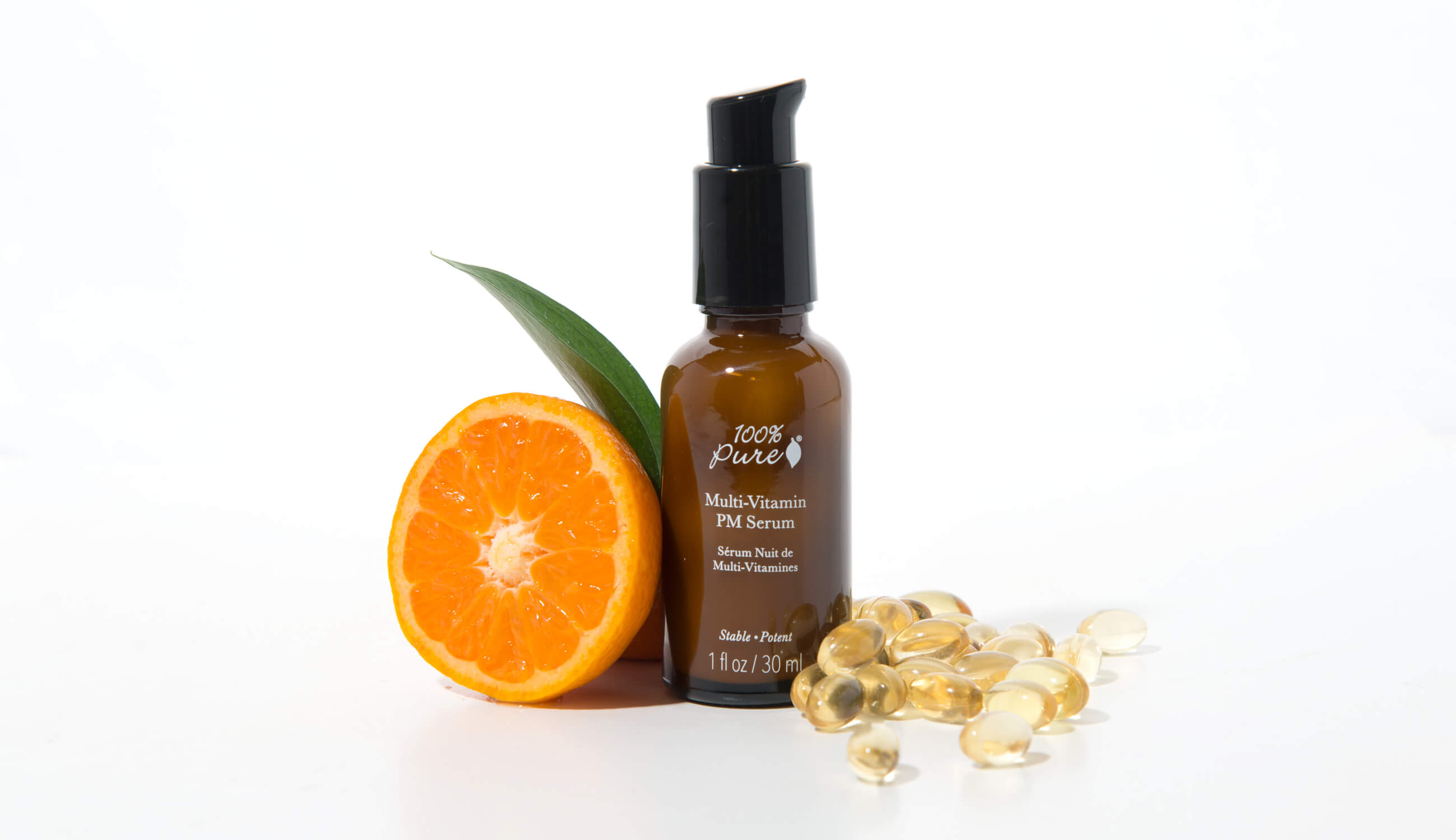
A notorious pairing to avoid is vitamin C with niacinamide. This is largely due to the fact that many conventional cosmetic formulations utilize vitamin C in its low pH form, such as ascorbic acid, which typically ranges from 2 to 3. This low pH is incompatible with the more neutral pH of 6 to 7 found in niacinamide, leading to ineffective results. However, we have opted for a higher quality, stable version of vitamin C known as magnesium ascorbyl phosphate, which matches niacinamide’s pH. This compatibility allows our vitamin C to coexist harmoniously with niacinamide, enabling you to enjoy the benefits of both in our Multi-Vitamin + Antioxidants Potent PM Serum, designed to heal, restore, and rejuvenate your skin while you sleep.
Stay Informed: Subscribe to Our Newsletter
for the latest blog updates and exclusive discounts
Minimize Skin Reactions by Understanding Cosmetic Ingredient Interactions
Navigating the intricate world of cosmetic ingredients can be daunting due to the myriad nuances and properties that influence how they interact with one another. Gaining this insight typically requires more than a decade of experience—something that our founder Susie Wang has cultivated through her extensive background in formulating beauty products.
A significant concern with lower-quality, unstable forms of vitamin C is their tendency to react with sodium benzoate, resulting in the formation of benzene, a substance known to be carcinogenic to humans. This poses a serious risk, especially considering that sodium benzoate is commonly used as a preservative in various food and personal care products.
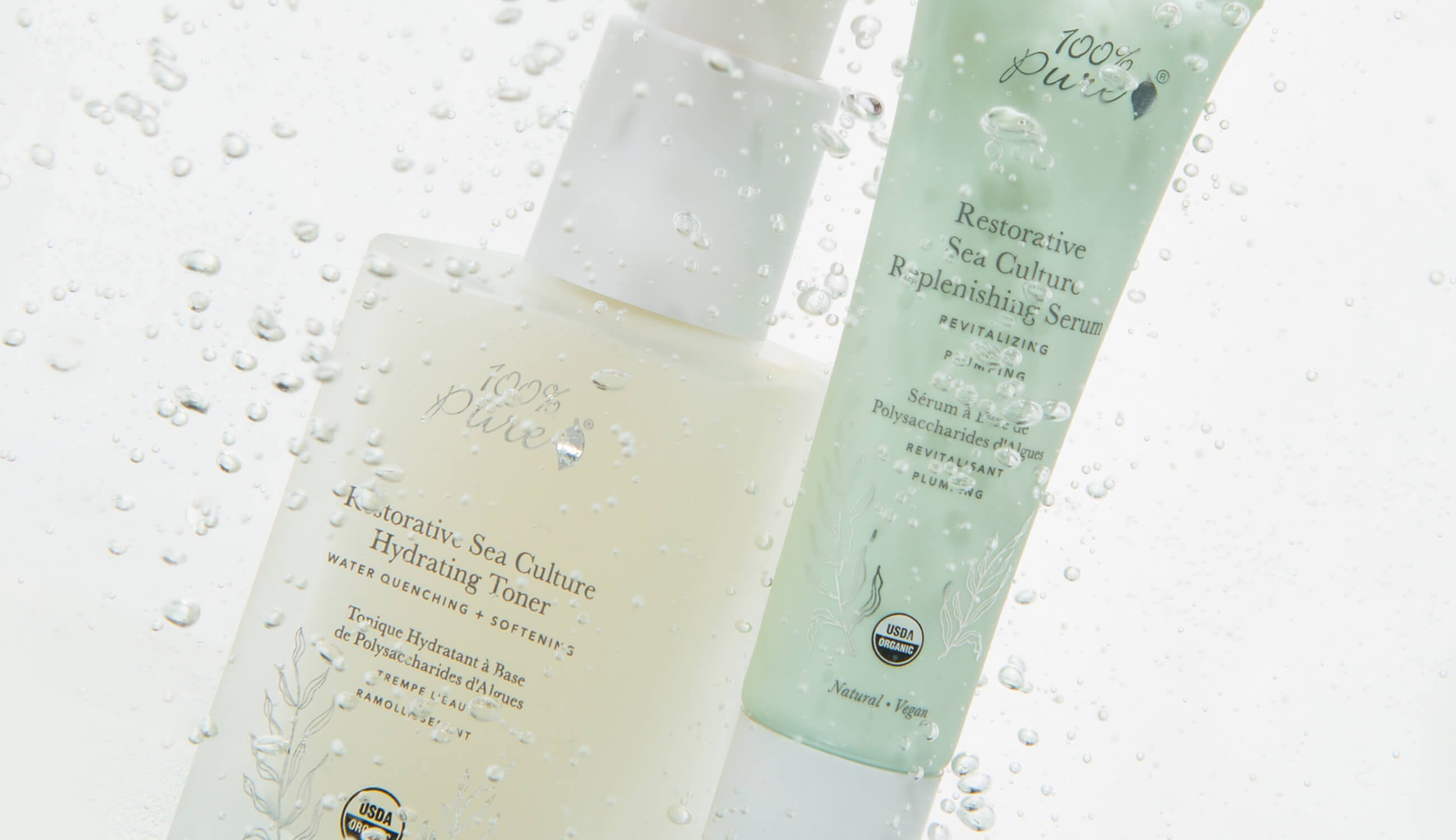
Instead of simply eliminating products containing both vitamin C and sodium benzoate, we’ve chosen to utilize natural preservatives that work synergistically with vitamin C. Our natural preservative system harnesses the power of ingredients like Japanese honeysuckle, thyme, oregano, goldenseal, rosemary, and lavender, along with a high concentration of vitamins and antioxidants to ensure our formulas remain effective and safe. These natural preservatives not only enhance the stability of our products but also offer soothing benefits for your skin, ensuring that our formulations are gentle and effective. You’ll find these natural ingredients in all our products, including our most restorative formulas like the Restorative Sea Culture Replenishing Serum and the Restorative Sea Culture Hydrating Toner.

Identify and Avoid Harmful Cosmetic Ingredients That Release Formaldehyde
We’ve frequently warned you about the myriad chemicals that ought to be banned from cosmetics, with formaldehyde being a prime concern linked to cancer. Yet, it continues to be utilized in products like nail polishes. Our aim is not to induce fear, but rather to raise awareness about whether cosmetic companies and the FDA are sufficiently informing consumers about the potential health risks associated with cosmetic ingredients.
For instance, your favorite mascara or body wash may not explicitly list ‘formaldehyde’ in its ingredients, but it could contain components that release formaldehyde over time. Common synthetic preservatives such as DMDM Hydantoin (often found in shampoos), bronopol (used in eye makeup), and glyoxal (found in nail polish) are all known formaldehyde-releasing agents.
Rather than exposing ourselves to the risks associated with carcinogens, we prioritize natural preservatives, such as Japanese honeysuckle, which is celebrated for its soothing and antimicrobial properties. Additionally, we incorporate a vegetable-derived compound of vitamin E, or tocopherol, which serves as an excellent natural preservative due to its antioxidant properties, helping to repair and protect the skin from environmental damage.
In products such as our Super Fruit Oil Nourishing Eye Cream, we include grapefruit seed extract, also known as GSE, as a natural preservative. This ingredient has a longstanding history of use and is rich in antioxidants such as vitamins E and C, contributing to healthy, glowing skin.
Unmasking the Dangers of “Fragrance” in Cosmetic Products
Do you believe that all the necessary information about the cosmetic ingredients in your beloved beauty products is laid out clearly on the label? Think again. Many consumers are familiar with seeing the term “fragrance” listed among the ingredients in various skincare products. While we often enjoy a delightful scent, such as vanilla, it’s important to recognize that fragrances can be far more toxic than they seem.
The terms fragrance or perfume serve as umbrella categories for a mixture of various cosmetic components within the formula. However, the FDA does not require companies to disclose the specific ingredients that comprise their fragrance formulations, ostensibly to safeguard “trade secrets.” It’s worth noting that the FDA has acknowledged that phthalates, which have been associated with endocrine disruption and birth defects, are commonly found in fragrance ingredients. The true extent of potentially harmful ingredients lurking under the guise of fragrance remains largely unknown.
You might think you’re avoiding formaldehyde-releasing components, only to find them concealed within your beauty products labeled simply as “fragrance” or “perfume.” Who would ever suspect? Thankfully, we’re committed to excluding synthetic fragrances from our formulations. We believe there’s a better alternative (have you heard about our chocolate-scented mascaras that actually contain real cocoa powder?). If you’re interested, this is your opportunity to explore the healthy benefits of our natural fruit- and vegetable-pigmented products within our skincare and beauty lines.
Our passion for utilizing natural ingredients stems from their myriad benefits for the skin, body, and overall health. We believe you shouldn’t have to become an ingredient detective to find quality skincare and beauty products. That’s where we come in—offering naturally sourced and thoughtfully crafted formulas that are gentle on your skin, health, and the environment. This approach represents a win-win for everyone involved!
Your Questions Answered: Common Concerns About Cosmetic Ingredients
Why Should Retinol and Vitamin C Not Be Used Simultaneously?
Both retinol (a form of Vitamin A) and vitamin C (ascorbic acid) are powerful anti-aging and skin-brightening agents. However, using them together can result in skin irritation for some individuals due to their strong activities, which may lead to increased skin sensitivity. Vitamin C functions optimally in a low pH (acidic) environment, while retinol thrives in a higher pH (less acidic) environment to maintain its stability. This pH difference can diminish the effectiveness of both ingredients and heighten the risk of irritation. Experts often recommend applying vitamin C in the morning to shield the skin from free radical damage throughout the day, while retinol is best used at night to support skin renewal during sleep.
What Causes Skin Irritation When Combining Certain Ingredients?
Skin irritation from combining specific ingredients can arise from several factors, including:
- Over-exfoliation: Using multiple products containing exfoliating acids (such as glycolic, lactic, or salicylic acid) alongside retinol can strip the skin of its natural oils, leading to irritation, dryness, and sensitivity.
- pH Imbalance: Merging ingredients that require drastically different pH levels for optimal efficacy can disrupt the skin’s acid mantle, resulting in irritation and compromising the skin barrier.
- Active Ingredient Overload: Utilizing several potent active ingredients (like retinol, Vitamin C, and benzoyl peroxide) simultaneously can overwhelm the skin, leading to redness, peeling, and increased sensitivity.
What’s the Rationale Behind Using Niacinamide and Vitamin C Separately?
The notion that niacinamide and vitamin C should not be used in conjunction is founded on outdated research. Initially, it was believed that these two ingredients could neutralize each other, forming a complex that would diminish their effectiveness and potentially cause irritation. However, recent studies have indicated that when properly formulated, these ingredients can coexist effectively. Nonetheless, some individuals prefer to use them separately—such as applying vitamin C in the morning and niacinamide at night—to mitigate any potential irritation risks or to optimize their benefits by using them at different times of the day.
What Precautions Should Be Taken When Using Products with Salicylic Acid?
Salicylic acid, a beta-hydroxy acid (BHA), is renowned for its ability to penetrate pores and exfoliate the skin, making it an effective treatment for acne. When using products containing salicylic acid, consider the following precautions:
- Patch Test: Always perform a patch test before using a new product to ensure you do not have a sensitivity or allergic reaction.
- Sun Protection: Salicylic acid can increase the skin’s sensitivity to UV radiation. Always apply a broad-spectrum sunscreen during the day.
- Moisturize: Salicylic acid can be drying, so incorporating a non-comedogenic moisturizer can help maintain your skin’s hydration levels.
- Start Slowly: If you’re new to salicylic acid, begin with lower concentrations and use it every other day, gradually increasing usage as your skin builds tolerance.
Can Mixing Hyaluronic Acid with Other Ingredients Cause Issues?
Hyaluronic acid is a powerful humectant that draws moisture to the skin, aiding in hydration and plumpness. Generally, it is well-tolerated and can be combined with most other skincare ingredients without adverse effects. In fact, hyaluronic acid is often incorporated alongside retinol, vitamin C, and other acids to reduce potential irritation while enhancing hydration. However, it is crucial to follow product instructions and avoid overloading the skin with too many active ingredients at once, even with something as gentle as hyaluronic acid, to prevent overwhelming the skin and disrupting its natural barrier function.
