


As we transition into the fall season, many of us may experience skin challenges like dryness or congestion following the hot summer months. It’s essential to address these issues proactively, especially as stores begin to showcase festive items well before Halloween. A critical yet often neglected step in any comprehensive skincare routine is exfoliation. This vital process can significantly enhance your skin’s radiance, ensuring you achieve that coveted glow.
Our skin naturally sheds dead skin cells, but sometimes it retains stubborn remnants that can lead to clogged pores and rough texture. Incorporating a natural face exfoliator into your regimen acts as a powerful ally, effectively removing these unwanted particles for brighter, healthier skin. Additionally, it prepares your skin to absorb subsequent skincare products more efficiently, maximizing their benefits.
Let’s delve deeper into the science behind exfoliation and discover the advantages of the four most popular types of natural exfoliants tailored to your unique skin type and the changing seasons. Embrace the fall season with a renewed sense of self and the fall</em la la skin you’ve always dreamed about!
Understanding the Science of Exfoliation for Radiant Skin
For many, a skincare routine consists of cleansing, toning, moisturizing, and heading out the door. However, have you ever wondered how some achieve that flawless, glass-like complexion? Moreover, why does makeup glide on effortlessly for some while it clings to dry patches for others? The answer frequently lies in the crucial step of exfoliation.
Why is exfoliation considered a secret to youthful skin? Our skin naturally sheds dead cells approximately every 30 days. While this process is vital for maintaining a fresh complexion, sometimes, those dead skin cells cling on, resulting in a dull, dry appearance and clogged pores.
Exfoliation is the technique of gently removing these dead skin cells from the surface of your dermis, making space for fresh, vibrant skin cells. Beyond this, natural exfoliants provide a multitude of benefits for both your skin and the environment!
#1. Gentle Yet Highly Effective
A significant advantage of natural exfoliants is their gentle yet effective nature. Unlike harsher conventional exfoliants, natural options utilize ingredients such as sugar, oatmeal, and ground coffee. These components work synergistically to slough off dead skin cells and impurities without irritating or damaging your skin.
#2. Enhancing Skin Health and Radiance
Regular use of natural exfoliants can significantly diminish the appearance of acne scars, reduce fine lines and wrinkles, and encourage healthy cell turnover, leading to a smoother, more radiant complexion. Additionally, a natural face exfoliant can boost circulation, enhancing the efficacy of your skincare products by improving their absorption into the skin.
#3. Eco-Friendly Skincare Choice
Another compelling reason to choose natural exfoliants is their environmental friendliness. Many traditional exfoliants contain microbeads, tiny plastic particles that wreak havoc on marine ecosystems. By opting for natural exfoliants, you not only care for your skin but also contribute to a more sustainable planet, making this choice ideal for sensitive skin types or those seeking eco-conscious alternatives.
#4. Budget-Friendly Skincare Solutions
Natural exfoliants are also incredibly cost-effective. Many conventional products boast high price tags due to their so-called fancy synthetic ingredients and exaggerated claims of delivering baby-soft skin. In contrast, natural exfoliants are often easily found in your kitchen, providing an affordable option that works gently and effectively without straining your budget.
#5. Enhancing Indoor Air Quality
Brace yourself for a surprising fact: dust in your home largely consists of dead skin cells. This unsettling reality underscores the importance of regular exfoliation! By using a natural exfoliant, you not only care for your skin but also contribute to a cleaner living space.
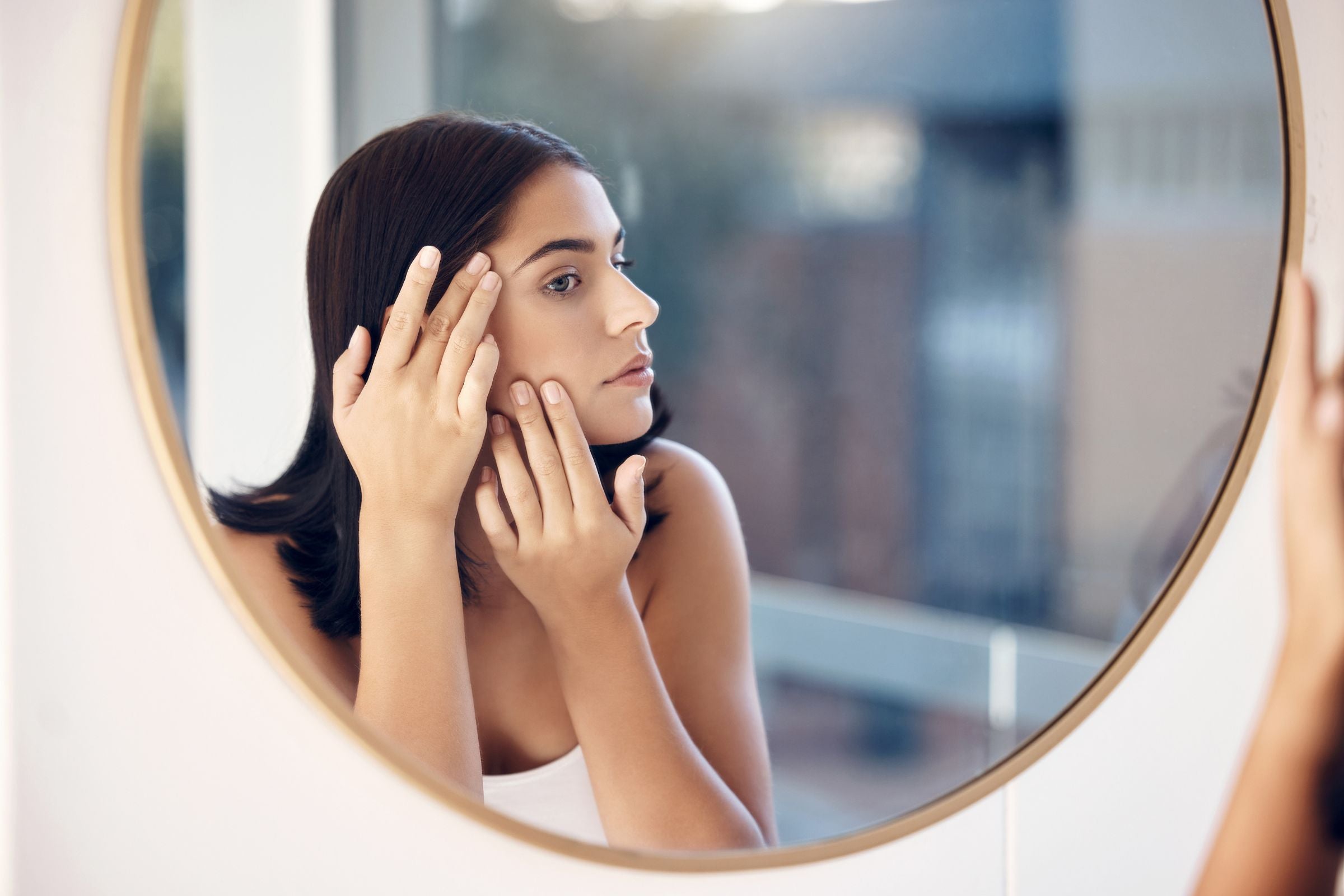
Identifying Your Skin Type for Optimal Product Selection
Achieving beautiful skin begins with understanding your unique skin type, allowing you to select the most effective products that will address your specific concerns and objectives. This knowledge is particularly crucial when choosing the right natural exfoliant for your skin. While all exfoliation methods aim to remove dead skin cells, the mechanisms and effectiveness can vary. Let’s uncover your skin type and discover the best exfoliation methods!
OILY / ACNE-PRONE SKIN
When your skin fails to shed dead cells efficiently, a buildup can occur, leading to clogged pores and excess sebum production. This buildup creates the perfect environment for acne-causing bacteria to thrive, resulting in breakouts. Regular exfoliation helps clear the pores by eliminating dead skin cells, dirt, and oil, effectively preventing these clogging issues.
DRY SKIN
Individuals with dry skin often struggle with flakes, bumps, and uneven texture. Regular exfoliation is a game-changer in this scenario, helping to remove flakes and bumps, resulting in skin that feels soft and smooth. Furthermore, exfoliating creates a more manageable surface for makeup application, allowing for a flawless and even finish.
AGING SKIN
As we age, the skin’s natural cell turnover rate declines. Before the age of 30, skin typically sheds every 28 days, but this process slows significantly thereafter. Regular exfoliation can help accelerate skin cell turnover, enhancing circulation and promoting healing, resulting in a more youthful appearance.
DULL / LACKLUSTER SKIN
Exfoliating to remove dead skin cells is key to revealing the fresh, youthful skin beneath. If your complexion appears lackluster, exfoliation can revitalize and brighten it. Using a natural exfoliant can significantly enhance your skin’s vibrancy, imparting a healthy, youthful glow.
IRRITABLE OR SENSITIVE SKIN
Our skin works tirelessly to maintain health, but sometimes it becomes irritated or overworked. Those with dry and sensitive skin often experience tightness, redness, and a dry, uncomfortable feeling. Factors such as harsh products, stress, or allergic reactions can leave skin feeling sensitive and overstimulated.
Stay Updated: Subscribe to Our Newsletter
Receive blog updates and exclusive discounts directly to your inbox!
Understanding Different Types of Exfoliants
When considering exfoliation, it’s essential to choose the right type based on your skin type and specific concerns. You may opt for a physical exfoliant, a chemical exfoliant, an enzyme exfoliant, or retinol, or even a combination of these options. Let’s break down how each type works for optimal skincare results.
Physical Exfoliation Techniques
This method involves using products with small particles, such as coffee, oatmeal, or sugar granules. Additionally, physical exfoliation can be achieved using textured face mitts or washcloths or detoxifying face wash sponges designed to buff away dead skin. For instance, our Konjac Sponge: Charcoal effectively draws out dirt, oil, and environmental toxins while gently exfoliating to reveal a smoother complexion.
All skin types can benefit from the physical removal of dead skin and debris through natural exfoliants. However, if you have sensitive or reactive skin, be sure to apply light pressure when manually exfoliating. Our Acai Pulp Facial Scrub features finely ground grape seed and acai pulp, gentle enough for sensitive skin, while effectively buffing away bumps and flakes to reveal fresh, supple skin.
Physical exfoliants can also be combined with fruit enzymes in skincare formulations, offering a gentle yet effective solution for removing dead skin cells. More details on this will follow!
Harnessing the Power of Chemical Exfoliation
The most effective chemical exfoliants utilize a liquid or gel formulation to dissolve dead skin cells. Common chemical exfoliants include alpha hydroxy acids (AHA), beta hydroxy acids (BHA), and polyhydroxy acids (PHA).
Popular acids and enzymes such as glycolic, salicylic, and lactic acids, as well as fruit enzymes like papain, are derived from natural sources. Glycolic acid, often sourced from sugar cane and citrus fruits, brightens dull skin. Salicylic acid is beneficial for acne-prone skin, effectively unclogging pores and reducing excess oil. Lactic acid offers a gentler alternative for sensitive skin.
For a delightful experience, our Strawberry Brightening Scrub blends multiple skin-brightening ingredients, making it suitable for all skin types. This fruit-infused jelly scrub utilizes gentle lactic acid combined with AHA fruit acids to exfoliate and soften the skin, while papain soothes and reduces inflammation. Enriched with antioxidants from strawberries, lemon, and goji berries, it helps eliminate dullness and impurities.
Exploring the Benefits of Enzyme Exfoliation
What sets enzyme exfoliants apart from acids, specifically AHAs and BHAs? While both enzymes and acids serve as gentle exfoliants that remove dead skin cells, enzymes work primarily on the skin’s surface. They do not disrupt your skin’s pH balance, making them more compatible with sensitive skin types.
Because fruit enzymes are so mild, they are an excellent option for those who find AHAs and BHAs too harsh for their skin. Enzymes also allow for regular exfoliation without causing sensitivity, while still effectively eliminating dullness and rejuvenating the skin. Combining enzymes with acids can enhance the exfoliation process, but this may be overwhelming for those new to exfoliation.
For a nourishing treatment, our 10% Fruit Acids Apple Enzyme Resurfacing Serum combines skin-brightening licorice, kojic acid from sake, sugar alpha hydroxy acid, beet lactic acid, and fruit enzymes from pineapple, green apple, citrus, and papaya. These active ingredients work together to brighten skin tone, accelerate cellular turnover, and minimize the appearance of pores.
Retinol Exfoliation: The Gentle Alternative
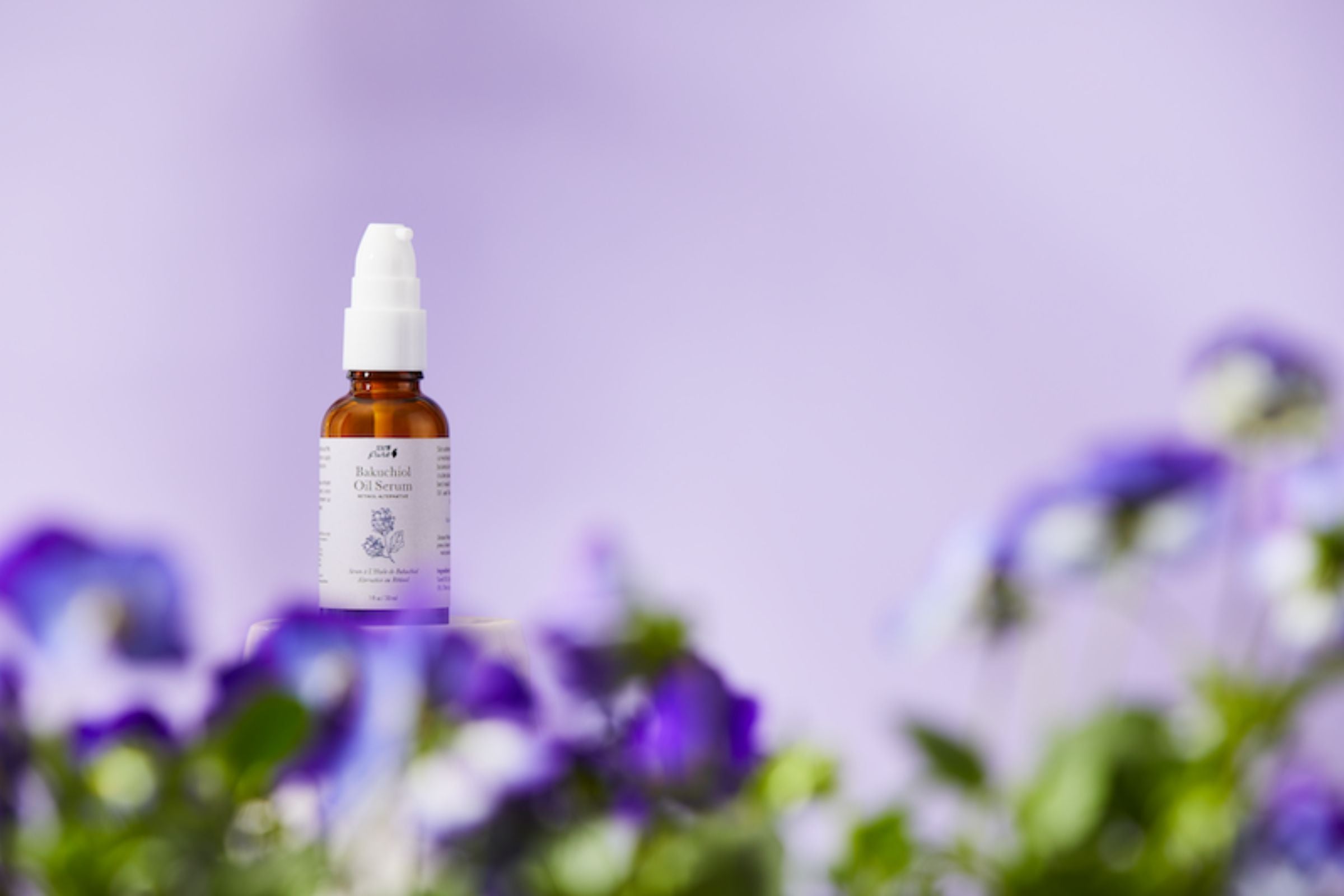
The final method of exfoliation requires no scrubbing. For those who have been hesitant to use retinol due to sensitive skin, there’s now a fantastic substitute: plant-based retinol. Meet Bakuchiol, a gentle, plant-derived alternative that’s perfect for sensitive skin.
Our Bakuchiol Oil Serum features this remarkable ingredient at clinically recommended concentrations, making it essential for anyone seeking long-lasting hydration. This natural powerhouse penetrates deeply, helping to reduce fine lines, wrinkles, and dryness, leaving your skin feeling soft and supple. All it takes is applying it before bed and waking up to the skin of your dreams!
Answering Your Most Common Exfoliation Questions
How frequently should I exfoliate my face and body?
The frequency of exfoliation largely depends on your skin type and the specific exfoliant you choose. Generally, it’s advisable to exfoliate 1-2 times per week for normal to dry skin and 2-3 times per week for oily skin. For body exfoliation, aim for 1-2 times per week for dry to normal skin and up to three times weekly for oily skin. Always tune into your skin’s needs and adjust accordingly.
Is it safe to use multiple exfoliants simultaneously?
Yes, but it’s crucial to monitor your skin’s reaction. Start with one natural exfoliant and method, then gradually introduce a second if needed. If you opt for two at once, select gentle options to minimize irritation risk. A combination of physical and chemical exfoliants can be beneficial; for instance, using presoaked facial pads with salicylic acid followed by a plant-based retinol can enhance results for oily skin types.
Can over-exfoliation be harmful?
While regular exfoliation is vital for removing impurities, overdoing it can lead to irritation, especially for dry, sensitive, or reactive skin types. Over-exfoliation can cause redness and irritation, potentially worsening your skin’s condition. For clear, radiant skin, consistent exfoliation with a natural exfoliant suited to your skin type is key.
Can exfoliation help in reducing acne?
Absolutely! Certain natural exfoliants can effectively diminish acne and fade scars. However, it’s essential to select a product that is both gentle and effective for your acne-prone skin.
What should I do if my skin reacts negatively to an exfoliant?
Even though natural products are generally kinder to the skin, they can still cause irritation if misused. Always conduct a patch test before introducing a new product into your routine and avoid excessive exfoliation. If irritation occurs, discontinue use and consult a dermatologist for guidance.
Never underestimate the importance of exfoliation in your skincare routine, regardless of your skin type! By following these essential guidelines, you can achieve rejuvenated, brighter, and potentially clearer skin. Sounds appealing? We think so too! Here’s to a fall season filled with radiant and simplified skincare routines!
