


There’s a superstar reason it’s known as vitamin C-elebrity. Although it ranks third behind anti-aging “A” and breakout-preventing “B” on the skincare ingredient red carpet, citrus-celeb vitamin C claims first place as a timeless, skin-brightening classic among ingredients A – Z. Its skin-enhancing benefits are just the tip of the peel, making it essential in any skincare regimen.
Vitamin C takes center stage for its powerful antioxidant properties that combat the damaging effects of free radicals. These unstable molecules can accelerate skin aging and lead to a loss of brightness. By neutralizing these threats, vitamin C plays a crucial role in preserving the skin’s health, luminosity, and youthful appearance.
Join us as we take you behind the scenes for an exclusive look at pure vitamin C and all its juicy benefits. Discover how to harness vitamin C to achieve a radiant, red-carpet-ready complexion that can confidently strut the skin catwalk! Lights, camera, action!
Understanding the Science of Vitamin C
Vitamin C is an all-around health superstar, and that’s no secret. Consuming this powerful antioxidant can boost your immune system while applying it topically can help protect your skin from daily aggressors and support a youthful glow. However, the effectiveness of vitamin C hinges on the specific type being used. The crown jewel in this category is pure vitamin C, also known as L-ascorbic acid.
In the world of skincare, vitamin C goes by many names, but the primary forms you should seek are ascorbic acid and L-ascorbic acid. So, what distinguishes these two? The “L” indicates that it is the purest and most natural form of vitamin C. This form is particularly noteworthy because it is regarded as the most active and stable version of the vitamin.
L-ascorbic acid is the most recognized and extensively studied variant of vitamin C in skincare. Its exceptional ability to penetrate the skin barrier makes it the most commonly used type. Not only is it overall stable and water-soluble, but it also serves as a powerhouse for skin renewal, earning its VIP status.
So, what skin benefits does vitamin C bring to the table? Its antioxidant properties act as a formidable defense against harmful free radicals—those unstable molecules that can wreak havoc on our cells, including skin cells. By neutralizing these threats, vitamin C helps prevent premature aging and promotes a radiant complexion.
Additionally, pure vitamin C plays a crucial role in stimulating collagen synthesis. L-ascorbic acid assists in forming prolyl hydroxylase, an enzyme vital for creating stable collagen molecules. It also supports lysyl hydroxylase, which enhances tissue strength by crosslinking collagen fibers, thereby preserving the skin’s youthful texture.
Stay Updated: Subscribe to Our Newsletter
Get the latest blog updates and access to exclusive discounts
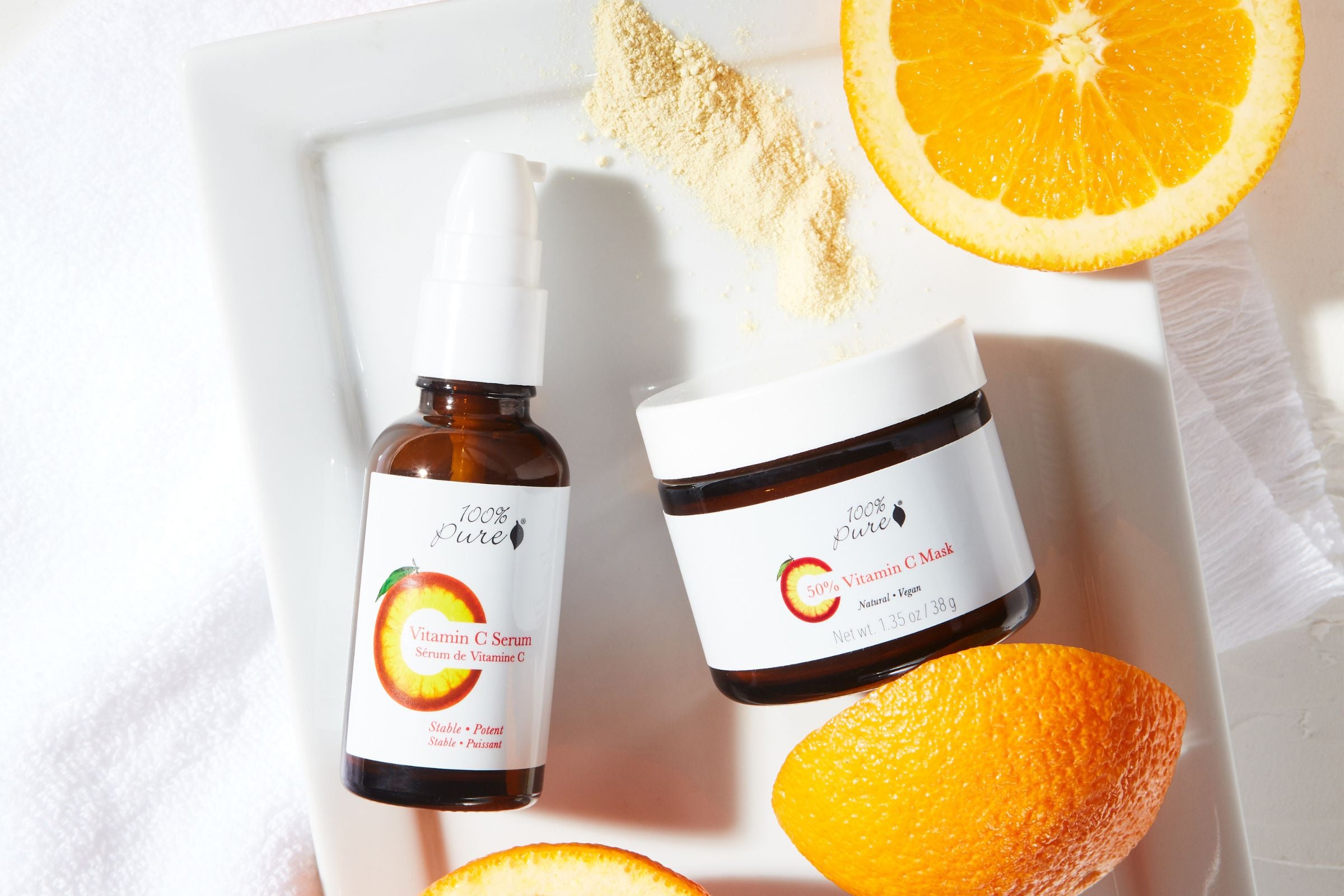
Discover the Key Benefits of Vitamin C for Your Skin
Vitamin C has long been revered for its diverse health benefits, particularly in boosting the immune system. However, its skin-enhancing properties deserve equal recognition. Rich in antioxidants, vitamin C not only revitalizes our internal health but also provides numerous advantages for our skin. Let’s explore the many benefits this vital nutrient offers for your skin:
Combatting Free Radical Damage
Daily exposure to UV rays and pollution can significantly accelerate skin aging. Vitamin C acts as a protective shield, guarding skin cells against harmful free radicals and oxidative stress from these environmental aggressors. This protective effect is crucial in maintaining healthy and youthful skin.
The antioxidative properties of vitamin C are well-supported by scientific research. According to the Journal of Investigative Dermatology, vitamin C neutralizes oxidative stress caused by exposure to UV rays and pollutants, effectively preventing premature skin aging and potential damage.
Enhancing Collagen Production
Collagen, a naturally occurring protein in our bodies, is essential for providing our skin with structure and elasticity. As we age, collagen production diminishes, leading to the formation of wrinkles and fine lines. Vitamin C plays a pivotal role in promoting collagen synthesis, thus helping to maintain the skin’s youthful texture.
Numerous studies confirm that vitamin C significantly enhances collagen production, contributing to improved skin firmness and elasticity.
Brightening and Evening Out Skin Tone
A radiant, even complexion is a universal hallmark of healthy skin. Vitamin C is celebrated for its ability to brighten and balance skin tone by reducing dullness. It inhibits the enzyme tyrosinase, which is critical in melanin production—the pigment responsible for skin color. By interfering with melanin synthesis, vitamin C helps prevent dark spots and promotes a more uniform skin tone.
Research shows that vitamin C can effectively decrease melanin formation, leading to the reduction of dark spots and hyperpigmentation while achieving a more luminous complexion.
How to Effectively Incorporate Vitamin C into Your Skincare Routine
Vitamin C is available in various formulations, each designed to meet different skin needs. However, with so many forms of this topical vitamin, choosing the right one can be confusing for your skincare routine. Understanding the various types can help you select the best one for your specific skin type:
Let’s dive deep into the chemistry of this remarkable beauty ingredient and discover how each form of vitamin C differs from the next. We’ll also discuss why some forms are more effective in specific formulations—don’t worry, we’ll keep it simple and clear!
#1: L-Ascorbic Acid:
Pure vitamin C, or L-ascorbic acid, is the most recognized and thoroughly researched form in the skincare realm. It excels at penetrating the skin barrier, making it the most commonly used variant. Overall, it is stable, water-soluble, and incredibly effective.
When formulated correctly at a pH lower than 4, L-ascorbic acid provides remarkable anti-aging benefits for normal skin types. For sensitive skin, look for products with a higher pH of 5-7, closer to the skin’s natural pH, to minimize irritation. Start with a low concentration of around 10% for dull or uneven skin tone, and gradually increase as your skin adapts.
PRO-TIP: For oily or normal skin types, L-ascorbic acid can be the most advantageous, while dry or sensitive skin types may experience heightened sensitivities.
#2: Sodium Ascorbyl Phosphate:
Unlike L-ascorbic acid, which penetrates the skin directly, sodium ascorbyl phosphate converts into ascorbic acid upon application. Although this transformation makes it less active, it is gentler and ideal for those with dry or sensitive skin.
#3: Magnesium Ascorbyl Phosphate:
This form of vitamin C, known as MAP, is water-soluble, allowing it to penetrate the skin easily. It is one of the most hydrating forms available and can effectively soothe skin irritations due to its anti-inflammatory properties. MAP is also beneficial for acne-prone skin types, as it can prevent the oxidation that leads to blackheads.
#4: Sodium Ascorbate:
Sodium ascorbate undergoes a transformation on the skin. Similar to sodium ascorbyl phosphate, it is a mineral salt of ascorbic acid. While L-ascorbic acid is the purest form, sodium ascorbate also boasts a wealth of skin benefits, from scavenging free radicals to lightening skin discoloration.
Calcium ascorbate, often referred to as Ester C, is another mineral salt of ascorbic acid. It serves as an anti-aging antioxidant that plays a vital role in collagen synthesis, tissue repair, and antioxidant defense. Additionally, calcium ascorbate offers excellent hydration properties, functioning effectively at a neutral pH to avoid skin irritation.
#6: Ascorbyl Palmitate:
As a fat-soluble derivative of vitamin C, ascorbyl palmitate is non-irritating for sensitive skin types and more stable when exposed to air and light than ascorbic acid. While it has milder effects on the skin compared to ascorbic acid, it still contributes to collagen production, mitigates hyperpigmentation, and enhances skin texture.
To fully leverage the numerous benefits that vitamin C products can offer, it’s important to recognize that not all vitamin C formulations are created equal. Here are some key factors to consider when selecting vitamin C products:
Concentration
A higher percentage (typically between 10% and 20%) is generally more effective, but it could cause irritation on sensitive skin.
pH Level
Opt for a product with a pH level of around 3.5 to optimize absorption.
Other Ingredients
Consider products that include other skin-enhancing elements like hyaluronic acid, ferulic acid, or vitamin E for added benefits.
Form of Vitamin C
While L-ascorbic acid is the most potent form, alternatives like magnesium ascorbyl phosphate are more stable and gentler, making them suitable for dry or sensitive skin types.
Given its multifaceted advantages, many beauty enthusiasts specifically seek out top-rated vitamin C products. Let’s explore our top vitamin C picks and their unique benefits:
Vitamin C Serum
This lightweight serum, stabilized with vitamin C, features a hydrating aloe gel base that soothes the skin while delivering deep nourishment. Designed for vegan skincare lovers, this natural serum is a powerhouse for promoting collagen production—crucial for maintaining the skin’s elasticity and firmness. Infused with green apple and grape, it enhances the skin’s radiance. Additionally, the inclusion of alpha lipoic acid (ALA) serves as a barrier against oxidative damage, a primary factor in premature aging and discoloration.
18.3% Active Ingredients Vitamin C Glow Max Bright Mask
This transformative mask offers noticeable skin rejuvenation from the first use. Packed with vitamin C, it also includes age-defying elements like Bakuchiol, CoQ10, and vitamin E. Together, these ingredients work synergistically to brighten the skin, boost collagen production, and enhance elasticity. This mask also effectively reduces the appearance of lines and wrinkles while providing deep hydration and softness.
Vitamin C Boost
An ultra-concentrated treatment featuring only two ingredients: vitamin C and hyaluronic acid. This blend incorporates sodium ascorbate, ascorbic acid, and calcium ascorbate for a triple punch of this beloved vitamin. Buffered by hyaluronic acid, it delivers a silky, hydrating texture and is perfect for addressing dark spots and enhancing overall brightness.
Multi-Vitamin + Antioxidants Potent PM Serum
This powerful night serum combines stabilized vitamins designed to diminish the appearance of fine lines and wrinkles while firming, brightening, and evening out skin tone. Notably, it features a unique formulation of niacinamide and vitamin C—two celebrated anti-aging ingredients. Although these are typically not combined due to differing pH levels, this serum utilizes magnesium ascorbyl phosphate. This high-quality form of vitamin C has a pH of 6, matching niacinamide, allowing both vitamins to work harmoniously for a youthful and glowing complexion.
Multi-Vitamin + Antioxidants PM Facial Oil
Crafted from the finest plant oils and concentrated vitamins (all vegan), this nighttime facial oil is tailored for those seeking corrective anti-aging treatment. It combines the most effective vitamins with potent antioxidants to work synergistically, significantly improving the appearance of fine lines and wrinkles while balancing uneven skin tone with CoQ10. Additionally, it boosts radiance and elasticity support with vitamin C.
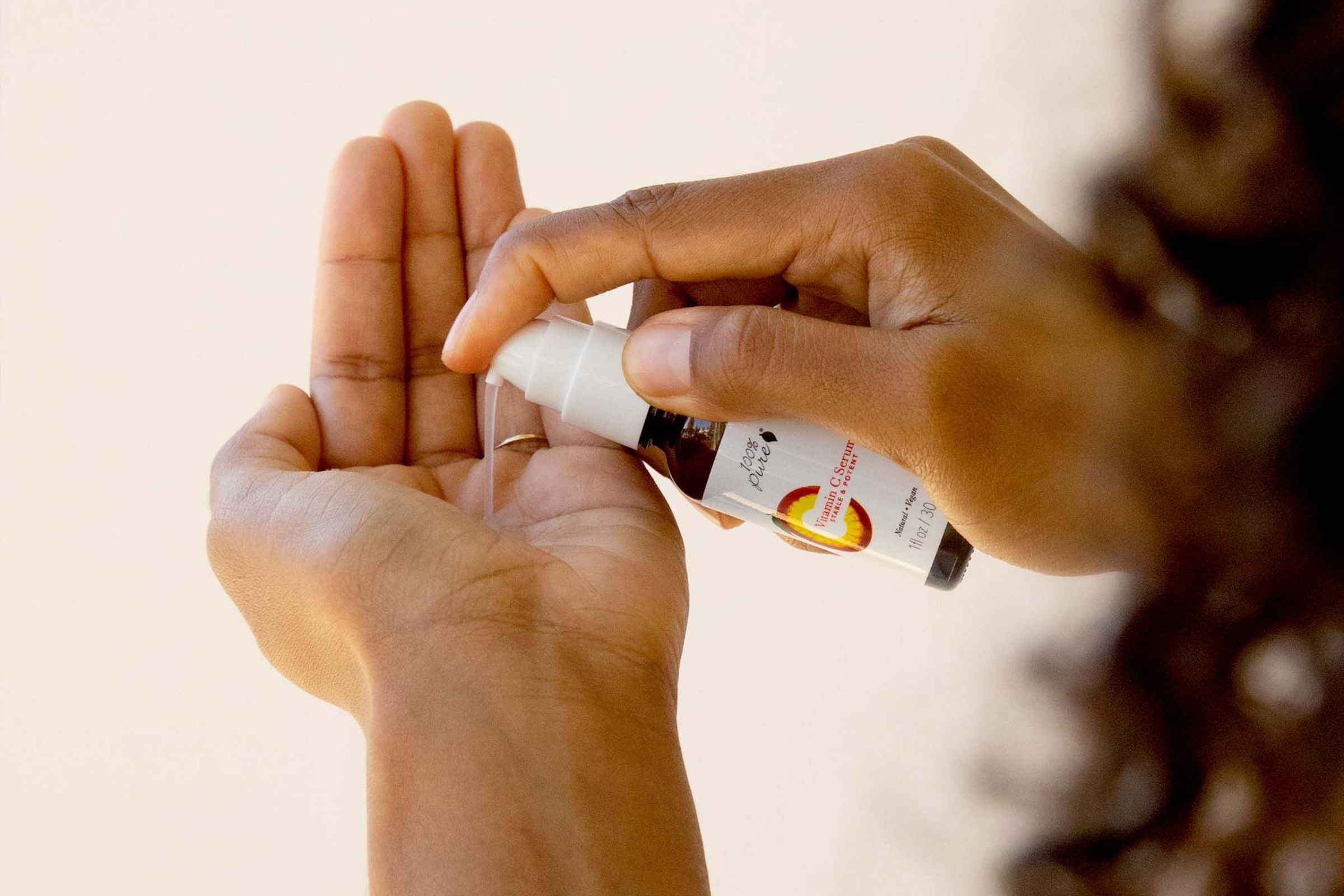
Maximizing the Benefits of Vitamin C in Your Skincare Routine
Vitamin C, known for its antioxidant properties and its role in collagen synthesis, has gained immense popularity in skincare. To fully harness the benefits of this exceptional ingredient, it’s essential to use vitamin C products correctly. Here’s a detailed guide on how to seamlessly incorporate vitamin C into your skincare routine for optimal results.
#1. Choose the Right Products
A vitamin C serum is among the most effective ways to deliver this vitamin to your skin. Look for serums with L-ascorbic acid included among the top ingredients. Additionally, consider these tips for other products:
Moisturizers: Some moisturizers are enriched with vitamin C. These are ideal for those seeking milder effects or to supplement the benefits of a serum.
Sunscreen: Certain sunscreens incorporate vitamin C to enhance their antioxidant protection against UV rays.
#2. Start Slowly
Vitamin C can be potent. If you’re new to this ingredient, start with a product that has a lower concentration (around 10%) to monitor how your skin reacts. After a few weeks, you can progress to products with higher percentages if needed.
3. Optimal Application Time: Morning vs. Night
Morning: Vitamin C is an antioxidant, making it ideal for daytime use. It combats free radicals from environmental pollutants and UV radiation, providing a protective barrier. Applying vitamin C in the morning, followed by sunscreen, can significantly enhance your sun protection.
Night: While vitamin C is highly effective during the day, it also works well at night when the skin undergoes repair. Using it in the evening can support the skin’s natural healing process. If you incorporate retinol into your nighttime routine, ensure compatibility between the two ingredients or consider alternating nights.
4. The Ideal Order in Your Skincare Routine:
Cleanse: Start with a gentle cleanser to ensure your skin is free from dirt, makeup, and impurities.
Tone: If you use a toner, apply it next. Toners can help balance the skin’s pH and prepare it for subsequent products.
Vitamin C: Apply your vitamin C product, whether serum or moisturizer. Using it early in your routine maximizes absorption.
Hydration: If you’re using a vitamin C serum, follow it with a broad-spectrum moisturizer to lock in hydration and protect your skin.
Sun Protection: In the morning, always finish with a broad-spectrum SPF. If your sunscreen doesn’t contain vitamin C, applying it after your vitamin C serum can provide additional protection against free radicals.
Frequently Asked Questions About Vitamin C
How Long Does It Take to See Results from Using Vitamin C?
The timeframe for visible results can vary based on individual skin type and the concentration of vitamin C in the product. Typically, with daily use, noticeable improvements in skin brightness and reduced dark spots can be observed within 2-4 weeks. For significant changes, such as diminished fine lines, it may take several months.
Can Vitamin C be Used on Sensitive Skin?
Vitamin C can sometimes cause sensitivity, particularly in higher concentrations. Common reactions include redness, itching, or a tingling sensation. If you’re new to vitamin C, starting with a lower concentration is wise, gradually increasing as your skin adjusts. If irritation occurs, consider reducing the frequency of application or opting for a product with a lower concentration.
Should Vitamin C Be Applied in the Morning or at Night?
Yes! Vitamin C is an excellent daytime active ingredient due to its antioxidant properties, which help shield the skin from damage caused by free radicals and UV radiation. However, if you choose to use vitamin C during the day, always follow up with sunscreen to maximize protection against sun damage. You can also apply vitamin C at night depending on your skin’s unique needs and sensitivities.
How Do I Store Vitamin C Products to Maintain Their Potency?
As noted, L-ascorbic acid is unstable and can degrade when exposed to light, losing its efficacy. To maintain the benefits of vitamin C, store products properly. Here are a few tips to keep them fresh and potent:
Store in the fridge; just make sure to remove it a few minutes before applying to allow it to warm up.
If refrigeration isn’t an option, keep vitamin C in a cool, dark place. A cabinet or drawer away from sunlight will help prevent oxidation.
Can I Use Vitamin C if I Have Acne-Prone Skin?
In addition to its antioxidant properties, vitamin C also exhibits anti-inflammatory effects. This makes it beneficial for individuals with acne, eczema, and psoriasis. Furthermore, vitamin C aids in collagen production, a protein essential for maintaining skin’s firmness and elasticity.
Embrace the Power of Vitamin C for Radiant Skin
Given its extensive advantages, it’s no wonder vitamin C has earned a prestigious reputation in skincare routines worldwide. The diverse array of vitamin C products available today—ranging from serums and moisturizers to face masks—attests to its remarkable benefits.
If you haven’t yet incorporated vitamin C into your skincare regimen, consider this your invitation. Explore the myriad of vitamin C-infused products on the market. Whether you aim to combat signs of aging, enhance skin radiance, or simply fortify your skin’s natural defenses, there’s undoubtedly a vitamin C product waiting to elevate your skincare journey.
Here’s to achieving radiant, healthy skin, and celebrating the remarkable power of vitamin C!
var windowWidth,lazyLink,lazyImages,lazySource,lazyBackground,lazyIframe,lazyScripts,navigator_platform,lazyLoadedJS,src,style,datasrc,urls,analytics,s,x,i,j,flag;
function init(){flag&&(flag=0,load_all_js(),lazyLoadImg(),lazyLoadBackground(),lazyLoadIframe(),lazyLoadSource())}
function isElementInViewport
var a=t.getBoundingClientRect();
return a.top>=0&&a.left>=0&&a.bottom<=(window.innerHeight||document.documentElement.clientHeight)&&a.right<=(window.innerWidth||document.documentElement.clientWidth)
}
function insertAfter(newNode, referenceNode) {
referenceNode.parent
