


Imagining a dip in the mythical Fountain of Youth conjures visions of restoring beauty and rejuvenating skin for anyone who immerses themselves in its magical waters. While we await our exclusive access to this legendary source, we are grateful for a remarkable ingredient that delivers impressive youth-enhancing effects: Vitamin C. This skincare gem not only revitalizes but also transforms your complexion into a radiant masterpiece!
As a potent antioxidant, Vitamin C effectively combats the detrimental impact of free radicals, playing an essential role in preserving your skin’s health, luminosity, and youthful appearance. This citrus powerhouse not only stimulates collagen production but also promotes cell turnover, resulting in firmer, more vibrant skin. Trust us, investing in this beauty ingredient is a decision you won’t regret!
Before diving into the ocean of benefits that pure Vitamin C offers for achieving radiant skin, let’s first explore what pure Vitamin C truly is. Prepare to uncover how you can leverage the incredible power of Vitamin C and discover the top skincare products that harness its abilities. Whether or not a fountain exists, your skincare aspirations can indeed become a reality!
Exploring the Benefits of Vitamin C in Skincare
When life hands you oranges during a cold, you instinctively reach for orange juice and other vitamin C-rich foods to bolster your immune defenses. Vitamin C is renowned as a health champion, and its benefits extend beyond dietary needs. Applying vitamin C topically can shield your skin from daily aggressors while promoting a youthful, radiant complexion.
However, the type of Vitamin C you choose is crucial for maximizing its benefits. The crown jewel of this ingredient category is pure Vitamin C, also known as L-ascorbic acid, which holds the key to unlocking numerous skincare advantages.
If Vitamin C were a keyring, it would hold multiple keys to various treasures. The primary forms you want to focus on are ascorbic acid and L-ascorbic acid. The “L” designates it as the purest and most natural form of Vitamin C, distinguishing it from other variants due to its active and stable nature.
L-ascorbic acid stands out as the most studied and recognized form of Vitamin C in skincare. Its ability to penetrate the skin barrier effectively makes it the most widely used type of Vitamin C. Not only is it stable and water-soluble, but it also serves as a revered agent for skin renewal, earning it a VIP status in skincare.
What are the beauty benefits of Vitamin C for your skin? Its antioxidant properties provide a robust defense against harmful free radicals—unstable molecules that can inflict damage on our cells, including skin. By countering these free radicals, Vitamin C helps prevent premature aging, leading to a brighter, firmer complexion.
Additionally, pure Vitamin C plays a crucial role in boosting collagen synthesis. L-ascorbic acid aids in the formation of prolyl hydroxylase, an enzyme vital for creating stable collagen molecules. It also supports lysyl hydroxylase, which strengthens tissue by crosslinking collagen molecules, ensuring your skin retains its youthful texture.
Vitamin C is famous for its ability to brighten skin and even out skin tone by diminishing dullness. It inhibits the enzyme tyrosinase, which is instrumental in melanin production—the pigment responsible for skin color. By disrupting melanin synthesis, Vitamin C helps prevent dark patches and promotes a more uniform skin tone.

Selecting the Optimal Vitamin C Form for Your Skin
Just as different keys unlock various skin treasures, there are multiple forms of Vitamin C that cater to different skin types and needs. With the range of options available, choosing the right form of this powerful antioxidant can feel overwhelming. Understanding the various types of Vitamin C can guide you in selecting the ideal addition to your skincare regimen.
#1: L-Ascorbic Acid:
L-ascorbic acid, or pure Vitamin C, reigns as the most recognized and researched form in the skincare domain. It is the most effective at penetrating the skin barrier and is commonly used due to its overall stability and water-solubility, making it a top choice for skin rejuvenation.
When formulated correctly at a pH below 4, this version of Vitamin C offers impressive anti-aging benefits for normal skin types. For sensitive skin, opt for formulations with a pH between 5-7—closer to the skin’s natural pH—to prevent irritation. Start with a lower concentration of 10% for uneven or dull skin, gradually increasing as your skin adapts.
PRO-TIP: L-ascorbic acid is most beneficial for oily or normal skin types, while dry or sensitive skin may experience irritation. Ascorbic acid is water-soluble and can oxidize when exposed to light and air, rendering it inactive and potentially harmful. Choose dark, opaque, or air-restrictive packaging to maintain ingredient stability.
#2: Sodium Ascorbyl Phosphate:
Unlike L-ascorbic acid, sodium ascorbyl phosphate converts to ascorbic acid upon application to the skin. Although this means it is less active, it is also less irritating, making it ideal for sensitive skin types.
Despite being less potent than its counterpart, sodium ascorbyl phosphate still delivers effective complexion-enhancing results. Suitable for all skin types, this gentler form of Vitamin C offers unique benefits.
Another advantage of sodium ascorbyl phosphate is its stability; it maintains potency better than ascorbic acid when exposed to light, air, and moisture. While it should still be stored in dark amber or opaque bottles, you can feel more secure knowing it won’t degrade as quickly.
PRO-TIP: For optimal skin-loving benefits, select serums formulated with sodium ascorbyl phosphate, as they typically contain a higher concentration than creams or lotions.
#3: Magnesium Ascorbyl Phosphate:
Known as MAP, this type of Vitamin C is water-soluble, allowing for easy absorption into the skin. It is among the most hydrating forms and can effectively soothe skin irritations thanks to its anti-inflammatory properties.
MAP is particularly beneficial for acne-prone skin, as it helps prevent the oxidation that can result in blackheads. This stable form of Vitamin C acts as a topical antioxidant, correcting discoloration from acne scarring while balancing skin tone.
PRO TIP: MAP is compatible with niacinamide, making it one of the few forms of Vitamin C that can be used alongside this ingredient without causing irritation. Their unique buffering and complementary pH levels allow for effective use together in anti-aging serums and treatments.
#4: Sodium Ascorbate:
Sodium ascorbate is a mineral salt form of Vitamin C that undergoes a transformation on the skin. Like sodium ascorbyl phosphate, it is less potent than L-ascorbic acid but offers valuable skin benefits, such as scavenging free radicals and lightening skin discoloration.
Upon application, sodium ascorbate converts to ascorbic acid, making it effective yet gentle on the skin, particularly for those sensitive to higher concentrations.
PRO-TIP: For maximum Vitamin C benefits, layer your Vitamin C serum over (or under) another antioxidant-rich serum. Studies indicate that Vitamin C’s effectiveness is enhanced when combined with other antioxidants, like Vitamin E, providing better UV protection and free radical defense.
#5: Calcium Ascorbate:
Calcium ascorbate, commonly referred to as Ester C, is another mineral salt of ascorbic acid that serves as a powerful anti-aging antioxidant. It plays a crucial role in collagen synthesis, tissue repair, and antioxidant defense, effectively combatting free radicals while promoting collagen production, reducing fine lines, and minimizing dark spots.
This form of Vitamin C is also known for its hydrating properties, with the calcium component offering additional benefits for bones, cartilage, and tissues. Calcium ascorbate is effective at a neutral pH, making it non-irritating to the skin.
#6: Ascorbyl Palmitate:
Ascorbyl palmitate is a fat-soluble derivative of Vitamin C known for its boosting and brightening properties. Its non-irritating formula makes it suitable for sensitive skin, and it remains stable when exposed to air, making it lighter than ascorbic acid.
While its effects are milder compared to ascorbic acid, it still supports collagen production, reduces hyperpigmentation, and enhances skin texture.
When considering the myriad of benefits that Vitamin C products can offer, remember that not all formulations are created equal. Here are key factors to consider when selecting Vitamin C products:
Concentration
Higher concentrations (typically between 10% and 20%) tend to be more effective but may cause irritation in sensitive skin.
pH Level
Aim for products with a pH level around 3.5 for optimal absorption.
Complementary Ingredients
Look for products that include other skin-enhancing elements like hyaluronic acid, ferulic acid, vitamin E, or niacinamide.
Form of Vitamin C
While L-ascorbic acid is the most potent, alternatives like magnesium ascorbyl phosphate are more stable and gentler on dry or sensitive skin.
Packaging
Many Vitamin C forms oxidize when exposed to light and air, rendering them inactive and potentially harmful. Look for dark, opaque, or air-restrictive packaging to ensure ingredient stability.
Stay Updated with Our Newsletter Subscribe
Get more blog updates and receive exclusive discounts
Effectively Incorporating Vitamin C into Your Skincare Routine
To fully harness the remarkable benefits of Vitamin C, it’s crucial to use these products correctly. Below are practical tips on seamlessly integrating Vitamin C into your skincare routine for optimal results. Don’t worry, we’ll make it as simple as 1-2-C!
#1. Select the Right Products:
Serums: A Vitamin C serum is one of the most effective ways to deliver this citrus powerhouse to your skin. Look for serums featuring L-ascorbic acid among the top ingredients for maximum efficacy.
Moisturizers: Some moisturizers are formulated with Vitamin C, making them ideal for those seeking milder effects or to enhance the benefits of a serum.
Sunscreen: Several sunscreens now incorporate Vitamin C to amplify their antioxidant protection against harmful UV rays.
#2. Begin Slowly:
Vitamin C can be potent, especially for those new to it. Start with a lower concentration (around 10%) and observe how your skin reacts. After a few weeks, you can gradually increase to higher concentrations if desired.
#3. Ideal Application Timing: Morning vs. Night
Morning: As an antioxidant, Vitamin C is perfect for daytime use. It combats free radicals from environmental pollutants and UV exposure, providing a protective layer. Using Vitamin C in the morning, followed by sunscreen, enhances your sun protection.
Night: While Vitamin C is highly effective during the day, it also supports nighttime skin repair processes. Applying it in the evening can aid your skin’s natural healing. If you’re incorporating retinol into your nighttime regimen, ensure compatibility or consider alternating between the two.
#4. Proper Order in Your Skincare Routine:
Cleanse: Start with a gentle cleanser to remove dirt, makeup, and impurities.
Tone: If you use a natural toner, apply it next. Toners help rebalance the skin’s pH and prepare it for subsequent products.
Vitamin C: Apply your Vitamin C product, whether a serum or moisturizer, early in your skincare routine for maximum absorption.
Hydrate: If using a Vitamin C serum, follow up with a broad-spectrum moisturizer to lock in hydration and protect your skin from environmental aggressors.
Sun Protection: In the morning, always finish with a natural broad-spectrum SPF. If your sunscreen lacks Vitamin C, applying it after a Vitamin C serum can provide extra defense against free radicals.
Given its extensive benefits, many beauty enthusiasts seek out the top-rated Vitamin C products. Let’s explore our favorite Vitamin C selections and their remarkable advantages, along with tips on effortlessly building a beauty routine centered around Vitamin C!
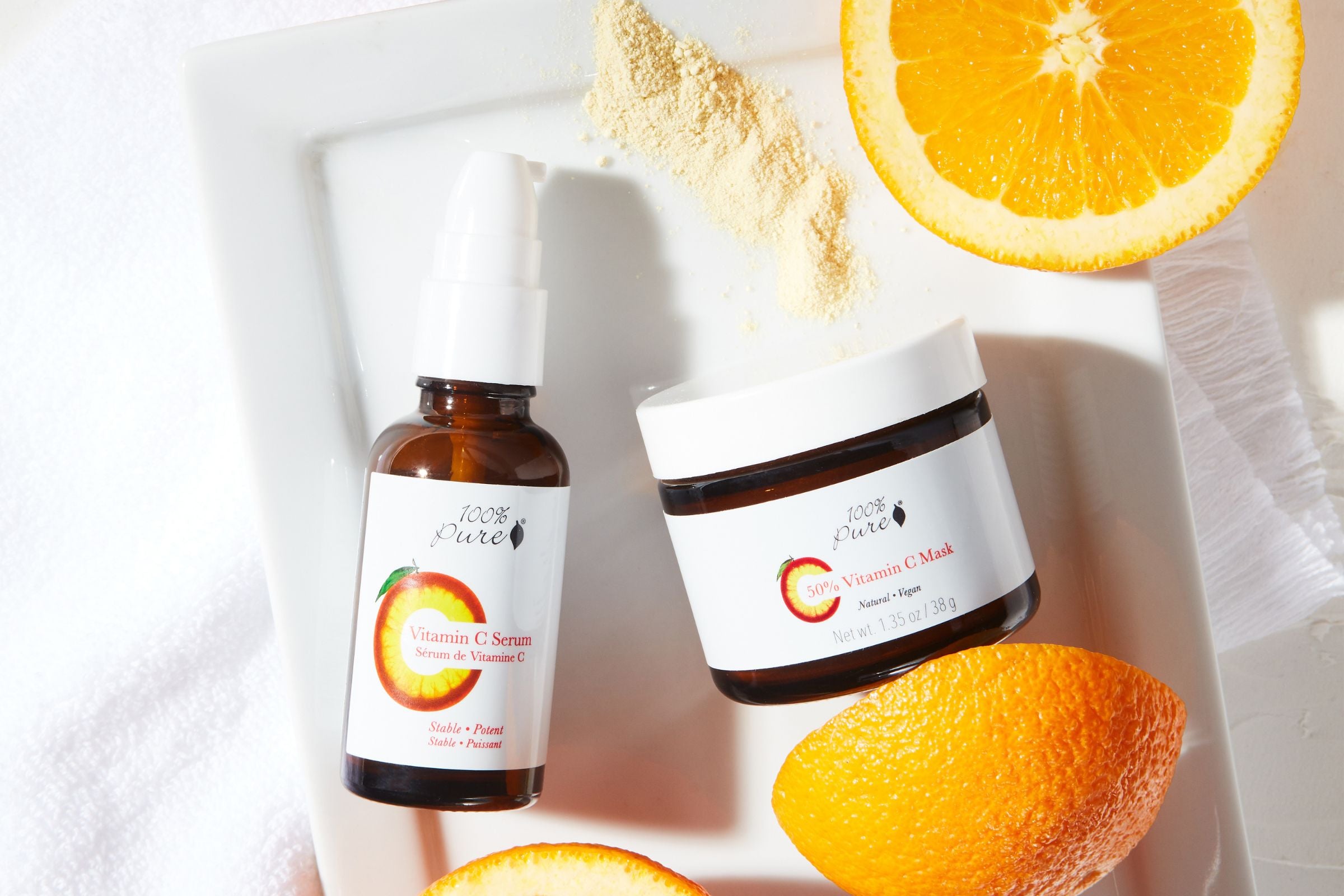
Vitamin C Serum
This lightweight serum, enriched with stabilized Vitamin C, features a hydrating aloe gel base that calms the skin while providing deep nourishment. Designed for vegan skincare enthusiasts, this natural serum is a powerhouse for boosting collagen production—essential for sustaining skin elasticity and firmness. The infusion of green apple and grape enhances radiance, while the addition of alpha-lipoic acid (ALA) acts as a shield against oxidative damage, a common cause of premature aging and discoloration.
PRO-TIP: Layer your Vitamin C serum over (or under) another antioxidant-rich serum for maximum Vitamin C and caffeine benefits. Studies suggest that the effectiveness of Vitamin C and caffeine increases when combined with other antioxidants, like Vitamin E, for enhanced UV protection, free radical defense, and overall skin nourishment!
18.3% Active Ingredients Vitamin C Glow Max Bright Mask
This transformative mask guarantees visible skin rejuvenation from the first application. Packed with Vitamin C, it also features age-defying ingredients like Bakuchiol, CoQ10, and Vitamin E. Together, these components dramatically brighten the skin, enhance collagen production, and boost elasticity. Additionally, this mask minimizes the appearance of lines and wrinkles while delivering deep hydration and softness.
Apply generously onto cleansed skin, avoiding the immediate eye area. Rinse off with warm water using circular motions. Can be left on overnight (protect pillowcase to avoid staining). Use 2-7 times a week.
Vitamin C Boost
An ultra-concentrated treatment with just two ingredients: Vitamin C and hyaluronic acid. This blend includes sodium ascorbate, ascorbic acid, and calcium ascorbate for a potent triple dose of our favorite vitamin. Buffered by hyaluronic acid, it offers a silky, hydrating texture and is perfect for targeting dark spots and brightening the overall complexion.
This ultra-concentrated treatment promotes a more radiant complexion while supporting collagen and elastin production for firmer, supple skin by morning. Experience sweet dreams and even sweeter awakenings with radiant skin!
Multi-Vitamin + Antioxidants Potent PM Serum
This powerful nighttime serum combines stabilized vitamins designed to reduce the appearance of fine lines and wrinkles while firming, brightening, and evening out skin tone. Its unique formulation includes niacinamide and Vitamin C—two celebrated anti-aging ingredients. Although they typically don’t mix due to differing pH levels, this serum utilizes magnesium ascorbyl phosphate. With a pH of 6, it aligns with niacinamide, allowing both vitamins to work harmoniously for a youthful, glowing complexion.
This nighttime treatment serves as a complement to your daytime Vitamin C serum. With a dynamic combination of potent Vitamin C, skin-plumping hyaluronic acid, and antioxidants, you’ll awaken to firmer, plumper, and more youthful skin.
Multi-Vitamin + Antioxidants PM Facial Oil
Crafted from high-quality plant oils and concentrated vitamins (all from vegan sources), this nighttime facial oil is ideal for anyone seeking corrective anti-aging treatment. We have stabilized the most effective vitamins for the skin while combining powerful antioxidants to work synergistically, significantly improving the appearance of fine lines and wrinkles. It also helps balance uneven skin tone with CoQ10, while enhancing glow and skin elasticity with Vitamin C.
In the evening, apply a quarter-sized amount of the oil to clean skin, on top of your nightly serum. Use on the face and neck. For PM use only; follow with SPF the next day.
Understanding Potential Side Effects and Precautions for Vitamin C
Vitamin C products are generally safe and effective for most skin types, especially when used during the day. Incorporating Vitamin C into your skincare routine is wise year-round, particularly in winter, as it provides crucial environmental protection. While dry, cool conditions can dehydrate your skin, Vitamin C aids in replenishing its natural barrier.
When purchasing Vitamin C products, always check the ingredient list to understand their effects on your skin. Monitor ingredient percentages to ensure safety for your skin type.
However, if you have sensitive skin, it may be prudent to avoid Vitamin C during the day until you’ve patched tested it for potential sensitivities. Higher concentrations can sometimes increase irritation and sunburn risk for sensitive skin.
Since Vitamin C can act as a photosensitizer, it may increase your skin’s susceptibility to sun exposure. Free radicals can damage your skin’s natural barrier, stripping essential oils from its surface. Harsh winter conditions can lead to extreme dryness and dehydration, making it especially important to use a Vitamin C serum to combat free radicals and help restore your skin’s natural barrier during winter. Pairing it with SPF is crucial!
Here are a few additional tips for incorporating Vitamin C into your skincare routine:
Tip #1:
If a Vitamin C product contains alpha hydroxy acids or other gentle exfoliants, consider using it at night.
Tip #2:
If you don’t have sensitive skin, you may safely combine your favorite Vitamin C product with retinol, depending on the timing and method of application.
Tip #3:
For those with sensitive skin, it may be best to avoid daytime use of Vitamin C. Instead, opt for nighttime application, ensuring you always wear a broad-spectrum sunscreen during the day.
Tip #4:
High concentrations of Vitamin C can be irritating for sensitive or oily skin. Always choose a

Sienna Blake is a licensed aesthetic consultant and beauty writer specializing in cosmetic surgery advancements and non-invasive treatments. With a background in dermatology and over eight years of industry experience, Sienna is passionate about helping people achieve confidence through informed beauty decisions. She holds a Bachelor's degree in Health Sciences and regularly collaborates with top plastic surgeons to stay at the forefront of aesthetic innovations. Outside of her work, Sienna enjoys traveling, skincare research, and practicing Pilates.