


[ad_1]
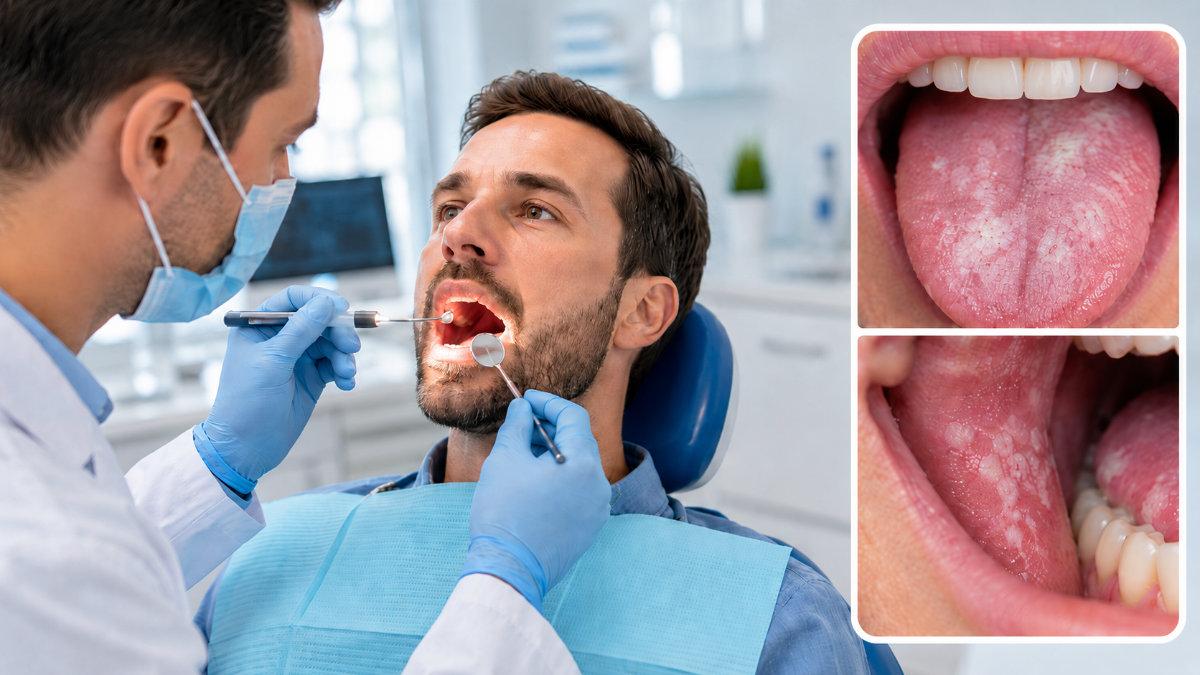
White patches appearing on the tongue or back of the throat are key indicators of oral thrush, a fungal infection in the mouth triggered by an overgrowth of Candida albicans.
Many adults carry the Candida fungus in their mouths without any symptoms. factors such as antibiotics, dry mouth, and acidic saliva can create an environment that allows Candida to thrive.
This comprehensive guide will delve into the causes of oral thrush, how to identify it based on its location, and effective home treatment options.

Understanding Oral Thrush: Key Information
Oral thrush is a prevalent fungal infection. Here’s essential information adults should know.
- Definition: An overgrowth of Candida albicans that leads to white patches on the tongue, inner cheeks, or throat
- Primary symptom: Raised white patches that may bleed when scraped
- Common triggers: Antibiotic use, dry mouth, compromised immunity, and acidic saliva
- Treatment methods: Prescription antifungal medications such as nystatin or fluconazole
- Critical warning signs: Fever or difficulty swallowing while having white patches in the mouth
What Exactly Is Oral Thrush?
Oral thrush is a fungal infection caused by the yeast Candida albicans, which manifests in the mouth and throat. This condition results in raised white patches on the tongue, inner cheeks, gums, or tonsils. Symptoms often include soreness, redness, and difficulty swallowing. Infants, older adults, and individuals with weakened immune systems are particularly susceptible to oral thrush.
The clinical term for oral thrush is oral candidiasis. Research indicates that Candida species inhabit 30–60% of healthy adult mouths. The overgrowth occurs when antibiotics, dry mouth, or acidic saliva disrupt the natural bacteria that typically control Candida levels.
If left untreated, oral thrush can spread from the mouth into the esophagus. It can also form a biofilm on teeth and oral tissues. This biofilm acts as a protective barrier that hinders antifungal treatments, leading to potential recurrence of the infection.
Identifying Oral Thrush Symptoms by Infection Site
The symptoms of oral thrush can vary based on the infection’s location. The tongue and inner cheeks are the most frequently affected areas, but the throat and corners of the lips are also vulnerable.
Symptoms on the Tongue and Inner Cheeks
The tongue and inner cheeks are typically the initial sites for oral thrush. Symptoms can range from visible white patches to changes in taste sensation.
- Creamy white patches: Found on the surface of the tongue and lining of the inner cheeks
- Cottony or dry sensation: Experienced on the tongue and roof of the mouth
- Metallic or bitter taste: A persistent taste that is not related to food
- Redness or soreness: Present beneath the white patches
- Bleeding: Occurs when patches are scraped or brushed
Symptoms in the Throat and Esophagus
Oral thrush can extend to the back of the throat and the esophagus, with esophageal thrush being more common in adults with weakened immune systems.
- White patches: Located on the tonsils or back of the throat
- Sore throat: Worsens with swallowing
- Food-stuck sensation: Felt in the chest or throat area
- Pain during eating or drinking: Known as odynophagia
- Hoarse voice or dry cough: Persistent and not related to other illnesses
Symptoms at the Lips and Mouth Corners
Candida can infect the moist areas where the upper and lower lips meet, resulting in a condition known as angular cheilitis.
- Cracked, red skin: Found at the corners of the lips
- Burning sensation: Noted when opening the mouth widely
- Small splits: Reopen and bleed when stretched
- Dry, flaky skin: Present around the edges of the lips
- Soreness: Occurs after consuming acidic or salty foods

Distinguishing Oral Thrush from Leukoplakia, Lichen Planus, and Strep Throat
Various conditions can cause white patches in the mouth or throat, each requiring unique treatment approaches. The comparison table below outlines the four most common causes.
| Condition | Appearance | Scrapes Off? | Pain | Key Differentiator |
|---|---|---|---|---|
| Oral Thrush | Raised white plaques on the tongue or cheeks | Yes. Reveals raw, red tissue underneath | Mild soreness or burning sensation | Bleeds when scraped |
| Leukoplakia | Flat white patches on the tongue or floor of the mouth | No. Adheres flatly to the surface | Minimal to no pain | Indicates potential tobacco damage or cancer risk |
| Lichen Planus | Lacy white lines on inner cheeks and gums | No. Forms within the tissue itself | Burning pain when consuming spicy or acidic foods | Recurs over months or years |
| Strep Throat | White dots or patches on the tonsils | No. Coats the tonsil surface | Severe throat pain | Typically triggers fever |
A dental professional can use a tongue depressor to scrape the white patches, aiding in diagnosis. Oral thrush is unique in that it scrapes off.
If white patches remain in place, they may indicate leukoplakia. A study published in PubMed found that leukoplakia has a 7.2% chance of malignant transformation.
Understanding the Causes and Risk Factors for Oral Thrush
Candida albicans typically resides in most mouths without causing any issues. Oral thrush develops when the natural balance of bacteria and fungi is disrupted, allowing Candida to proliferate.
The Impact of pH Balance on Candida Overgrowth
The pH level in the mouth significantly influences Candida overgrowth. Research suggests that a healthy mouth maintains a neutral pH around 7.0. Consumption of sugary foods, acidic beverages, and experiences of dry mouth can lower oral pH.
Another study indicates that saliva with active Candida can drop from a pH of 7.5 to 3.2 within 48 hours. This acidic environment activates Candida, transforming it from a dormant yeast into an aggressive form that penetrates oral tissues and leads to visible infections.
CariFree products are designed to maintain neutral oral pH without the use of alcohol or harsh additives.
Identifying Medical and Lifestyle Risk Factors
Several medical conditions and lifestyle choices can increase the risk of developing oral thrush.
- Antibiotics: These medications kill off oral bacteria that normally help to control Candida, leaving room for overgrowth.
- Weakened immune system: Conditions such as HIV, cancer treatments, and transplant medications can suppress the body’s defenses against fungal infections.
- Uncontrolled diabetes: High blood sugar levels in saliva can promote Candida growth.
- Dry mouth: A decrease in saliva reduces the mouth’s natural antifungal defenses.
- Corticosteroid inhalers: Residual steroids on oral tissue can suppress local immune function.
- Poorly fitting dentures: These can trap moisture, creating a warm environment for Candida to thrive.
- Smoking: Tobacco use dries the mouth and weakens its ability to combat infections.
Effective Home Treatment Options for Oral Thrush
Most cases of oral thrush can be effectively treated at home with appropriate antifungal medications. The choice of treatment depends on the severity of the infection, whether it is mild, moderate, or has spread to the throat.
Prescription Antifungal Treatment Options
Your dentist or doctor will prescribe antifungal medication based on the severity of the infection.
- Nystatin oral suspension: Swish the liquid throughout the mouth and swallow; this is often the first-line treatment for mild cases.
- Clotrimazole troches: Dissolve the tablet in the mouth as a topical alternative for mild infections.
- Fluconazole tablets: Take this medication orally for moderate cases or when topical treatments do not yield results.
- Miconazole oral gel: Apply to the affected patches for localized mild infections.
Clinical trials indicate that fluconazole has a cure rate of 87–100%, compared to 32–52% for nystatin. Despite this, nystatin remains the preferred initial treatment for mild cases due to its lower cost and fewer drug interactions.
Generally, antifungal treatments last between 1–2 weeks, depending on the infection’s severity. For severe cases or esophageal candidiasis, a dentist may prescribe a higher dosage of fluconazole or intravenous antifungals.
Home Remedies and Supportive Care for Thrush
The following strategies can complement prescribed antifungals to treat thrush and help reduce the likelihood of recurrence.
- Saltwater rinse: Warm saltwater can reduce inflammation and soothe irritated tissue.
- Limit sugar and refined carbohydrates: A decrease in sugar intake can starve the Candida colony.
- Consume soft, cool foods: Smoothies and lukewarm soups minimize irritation during recovery.
- Baking soda rinse: A solution made with baking soda has been shown to inhibit 80% of fungal strains in research.
- Incorporate live-culture yogurt: Lactobacillus strains compete with Candida for space in the mouth.
- Use a pH-balanced mouth rinse: An alcohol-free rinse with a neutral pH can support the mouth’s natural defenses.
- Replace your toothbrush: Old toothbrushes can harbor Candida and risk reinfection.
- Gently scrape your tongue: A soft scraper can remove surface Candida that rinsing alone may miss.
- Avoid smoking during treatment: Tobacco can dry the mouth and hinder tissue healing.
The CariFree Treatment Rinse is designed to maintain neutral oral pH during recovery. Use it in conjunction with your prescribed antifungal medication.
Strategies to Prevent Oral Thrush
Many adults can avoid oral thrush by practicing good daily oral hygiene. Small adjustments to your oral care routine, hydration, and diet can significantly lower the risk.
Daily Habits That Reduce Your Risk of Oral Thrush
Simple daily practices can keep your oral environment hostile to Candida overgrowth.
- Brush and floss regularly: Consistent cleaning disrupts Candida colonies before they can establish.
- Rinse your mouth after using an inhaler: Water helps wash away residual corticosteroids from oral tissues.
- Stay hydrated: Drinking plenty of water throughout the day aids in saliva production and maintains pH balance.
- Boost your vitamin C intake: Vitamin C strengthens the immune cells that regulate Candida levels.
- Take probiotics: Lactobacillus strains help rebuild the bacterial populations that control Candida growth.
Antibiotic use, illness, and high-stress periods can increase the risk of a Candida infection. Maintaining your oral care routine during these times is essential for preventing an outbreak.
Oral Care Products That May Increase Your Risk
Some commonly used oral care products may create an environment conducive to Candida overgrowth.
- Alcohol-based mouthwash: Alcohol can strip beneficial bacteria and dry out the mouth’s lining.
- Rinses containing SLS: Sodium lauryl sulfate can irritate oral tissues and exacerbate existing sores.
- Sugary lozenges and cough drops: Prolonged sugar exposure can nourish Candida on tissue surfaces.
- Acidic mouth rinses: Low-pH formulas can push the mouth into a range favorable for Candida growth.
- High-concentration hydrogen peroxide: Strong oxidizers can damage healing tissues and disturb oral bacteria.
Opt for alcohol-free, pH-balanced alternatives that protect the mouth without these risks. Products like CariFree Moisturizing Oral Spray and xylitol-based products can promote a healthy bacterial balance.
Knowing When to Consult a Dentist About Oral Thrush
A dentist can confirm a diagnosis of oral thrush in a single appointment and rule out other possible conditions. Certain symptoms may indicate complications that require urgent dental or medical attention.
Steps Involved in a Dental Examination for Thrush
A dentist will typically follow these steps to diagnose oral thrush:
- Visual examination of the tongue, cheeks, and throat for white patches
- Scraping test to confirm if patches lift off, revealing red tissue underneath
- Mouth swab or scraping to culture for Candida in ambiguous cases
- Review of medications and medical history to identify potential risk factors
- Referral for endoscopy if there is suspicion of esophageal spread in severe cases
Most adults receive a diagnosis and prescription in the same visit.
Indicators That You Require Same-Day Dental Care
The following five signs warrant immediate attention, rather than waiting for a later appointment.
- Difficulty swallowing or breathing, indicating possible esophageal spread
- Fever accompanying oral white patches, suggesting a spreading infection
- Oral thrush occurring during active chemotherapy, HIV treatment, or while on transplant medications
- Persistent or worsening thrush symptoms after completing a full course of antifungal treatment
- Rapid weight loss or an inability to eat due to severe pain in the mouth or throat
A dentist can determine whether the infection is spreading and provide appropriate treatment. Find a nearby dentist to schedule a consultation.
Maintaining Your Oral Health with CariFree
Two significant factors contributing to oral thrush are acidic oral pH and dry mouth. Both of these issues can be effectively managed with the right daily products.
CariFree products help sustain neutral oral pH and address dry mouth concerns.
The Treatment Rinse neutralizes pH during an active infection, while the Maintenance Rinse keeps pH balanced after treatment. The Moisturizing Oral Spray adds hydration between brushings. All three products are alcohol-free.
Shop CariFree Products
Frequently Asked Questions About Oral Thrush
Here are quick responses to common questions adults have after noticing white patches in their mouth or throat.
Is Oral Thrush Contagious?
Oral thrush is not contagious among healthy adults. Candida fungi are naturally present in most people’s mouths without causing harm. The infection typically arises when the immune system or the oral environment becomes compromised, rather than through direct contact. There is a risk of transmission between a nursing parent and an infant; both parties need antifungal treatment simultaneously.
How Long Does Oral Thrush Last?
Oral thrush can last between 7 to 14 days with antifungal treatment. Mild cases may improve within 3 to 5 days, while severe or untreated cases could last for several weeks. The duration depends on various factors, including immune health, medication usage, diabetes, smoking, and denture hygiene. Antifungal medications like nystatin or fluconazole can expedite recovery and reduce the risk of recurrence.
Can Oral Thrush Resolve on Its Own?
Mild cases of oral thrush might resolve independently within 1-2 weeks, provided the immune system is functioning well and the underlying cause is addressed. persistent thrush, severe symptoms, or recurrent infections require antifungal intervention from a healthcare professional. Delaying treatment could lead to the infection spreading to the throat.
Is It Possible for Oral Thrush to Return After Treatment?
Oral thrush may recur if the underlying factors remain unresolved. Candida can form a biofilm on oral tissues that resists treatment and could lead to future infections. Managing risk factors, such as dry mouth and pH imbalance, is crucial for minimizing the likelihood of repeated episodes.
Can Oral Thrush Be Transmitted to an Infant?
A breastfeeding parent with nipple thrush can transmit Candida to their infant during feeding. Conversely, a baby with oral thrush can infect the parent’s nipple. Both the parent and the infant need antifungal treatment simultaneously to break the cycle. Sterilizing bottles and pacifiers after each use can help reduce the risk of reinfection.
[ad_2]
