


As the cold grip of winter lingers, many of us experience a range of skin challenges, particularly the emergence of a dull and lifeless complexion. Factors such as skin dryness, harsh winter weather, and the buildup of dead skin cells can converge to create the perfect recipe for tired, unhealthy-looking skin. It’s essential to address these issues to restore your skin’s natural radiance and vitality.
Enter the world of Alpha Hydroxy Acids! Derived from fruits, these natural acids can significantly transform your winter skin woes. By gently exfoliating at the cellular level, alpha hydroxy acids assist in removing dead skin cells that can clog pores and lead to a lackluster appearance. In this article, we will explore the myriad benefits of alpha hydroxy acids tailored for various skin types, along with practical tips on how to effectively incorporate these powerful ingredients into your skincare routine.
Understanding Alpha Hydroxy Acids and Their Benefits
Alpha hydroxy acids, commonly referred to as AHAs, are chemical compounds found naturally in a variety of foods, especially in fruits. Fruits such as green apples, berries, and citrus varieties are rich sources of these acids. In skincare formulations, alpha hydroxy acids play a crucial role in cleansing and exfoliating the skin. They are frequently included in products designed for treating acne, enhancing exfoliation, and combating signs of aging. Understanding these acids is vital for leveraging their benefits in your skincare regimen.
One of the standout features of alpha hydroxy acids is their gentle nature compared to traditional face peels. This gentleness makes them suitable even for those with sensitive skin. Notably, lactic acid has been recognized for its positive effects on sensitive skin types, proving that effective exfoliation doesn’t have to come at the cost of irritation.
Alpha hydroxy acids work by exfoliating the skin at the cellular level, effectively weakening the bonds that hold dead skin cells to the surface. While you might not witness the immediate removal of dead skin, rest assured that these acids are diligently doing their job to promote a smoother, healthier complexion over time.
Maximize Your Skincare with Alpha Hydroxy Acids
Rejuvenating Dull Skin and Enhancing Complexion
Dullness in skin often arises from poor circulation combined with a buildup of dead skin cells. Alpha hydroxy acids can effectively address both of these concerns simultaneously. They stimulate collagen production and enhance blood flow to your skin, facilitating the shedding of those stubborn dead cells. By promoting healthy cell regeneration, these acids significantly benefit tired and dull complexions, ensuring your skin looks vibrant and refreshed.
Combatting Acne with AHAs
Acne occurs when skin follicles become clogged with excess sebum and dead skin cells. The exfoliating properties of alpha hydroxy acids can be a game changer for acne-prone skin, helping to keep pores free from dead skin accumulation and reducing the likelihood of breakouts. Additionally, some alpha hydroxy acids possess antimicrobial properties that can help eliminate acne-causing bacteria, making them invaluable in your skincare arsenal. Beyond preventing new breakouts, these acids can also assist in diminishing the appearance of scars left by past acne outbreaks.
Restoring Sun-Damaged Skin with AHAs
Especially effective for photo-damaged skin, alpha hydroxy acids like lactic acid can yield remarkable results. If you observe age spots or discoloration resulting from sun exposure, incorporating products with alpha hydroxy acids into your routine can promote healthy cell turnover. This process leads to a more even complexion and fewer dark spots. These products are suitable for use on various areas, including your face, neck, and chest, effectively tackling the visible signs of sun damage.
While alpha hydroxy acids are generally safe for all skin types, keep in mind that they can increase your skin’s sensitivity to sunlight. After using any product containing AHAs, it’s crucial to apply a layer of broad-spectrum sunscreen before venturing outdoors. Although no evidence links AHAs to an increased risk of skin cancer, protecting your skin is paramount, especially when it might be more sensitive than usual!
Reversing Signs of Aging with Alpha Hydroxy Acids
Alpha hydroxy acids are celebrated for their ability to enhance skin health at a fundamental level, promoting collagen production, cellular regeneration, and improved blood circulation. Historically, these acids have been utilized in anti-aging treatments for centuries, with legends suggesting that Cleopatra bathed in sour milk, a well-known lactic acid source. AHAs can help minimize the appearance of fine lines, wrinkles, and dark spots while promoting skin elasticity and firmness. They also work to brighten and even out your complexion, making them an essential component of any mature skin care routine.
Exploring the 6 Types of Alpha Hydroxy Acids
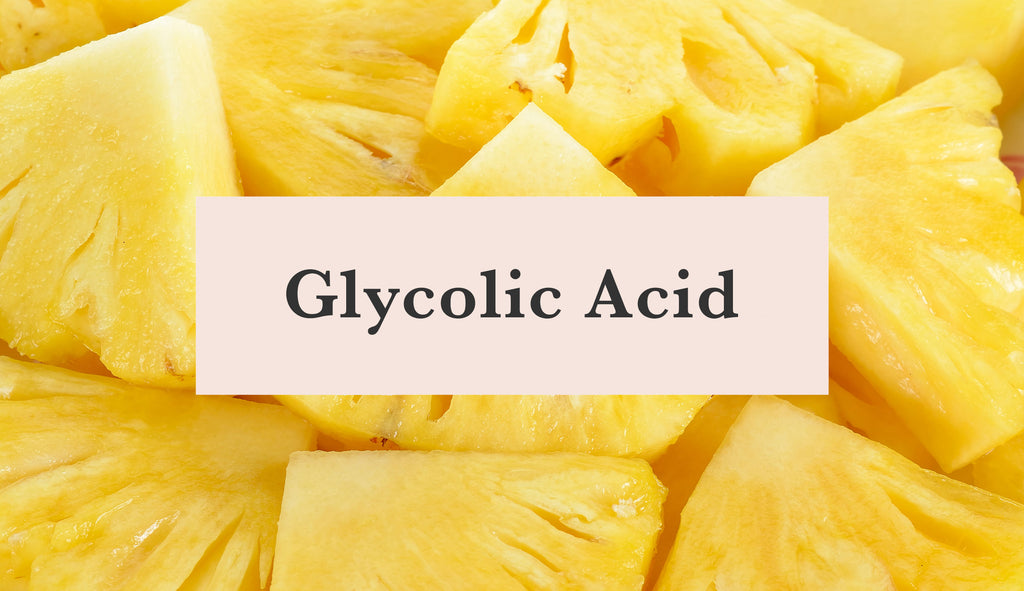
Glycolic Acid: A Deep Penetrating Exfoliant
Derived from natural sources like pineapple and sugarcane, glycolic acid is renowned for its ability to penetrate deeply into the skin. This deep penetration aids in promoting healthy cell function and contributing to a more youthful appearance.
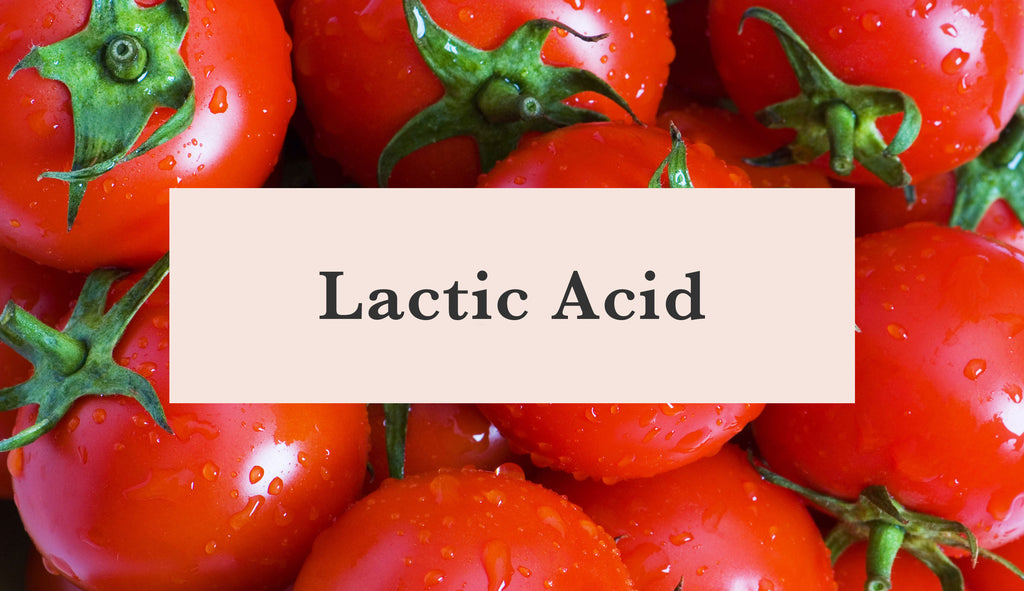
Lactic Acid: The Gentle Exfoliator
Lactic acid, derived from sources such as tomatoes or milk, is a powerful exfoliant that effectively addresses concerns like acne and keratosis pilaris. Its gentle nature makes it an excellent choice for sensitive skin, while also contributing to skin firmness and tone.
Mandelic Acid: Exfoliating and Antibacterial
Mandelic acid, derived from almonds or cherries, boasts both exfoliating and antibacterial properties. This makes it an ideal ingredient for products targeting acne-prone skin, effectively treating and preventing breakouts.
Citric Acid: The Citrus Powerhouse
As one of the most recognizable AHAs, citric acid is commonly found in various food items, particularly citrus fruits. Known for its antibacterial properties, citric acid aids in combating acne while effectively exfoliating the skin.
Malic Acid: Antioxidant-Rich Exfoliant
Primarily derived from apples, malic acid serves as a fantastic exfoliant while being rich in antioxidants. This makes it a valuable anti-aging ingredient in skincare products, providing both exfoliation and protective benefits.
Tartaric Acid: Balancing and Soothing
Tartaric acid, typically derived from grapes, is recognized for its pH-balancing properties, which can soothe and heal inflammation caused by over-processing, making it a gentle yet effective ingredient for skin health.
Contrasting Alpha Hydroxy Acids and Beta Hydroxy Acids for Optimal Skincare
While alpha hydroxy acids offer remarkable benefits for photo-damaged and aging skin, it’s important to note the existence of another class of hydroxy acids known as beta hydroxy acids, which are particularly effective for oily skin.
Similar to alpha hydroxy acids, beta hydroxy acids are also derived from plant sources, particularly fruits. However, the key difference lies in their solubility: alpha hydroxy acids are water-soluble, whereas beta hydroxy acids are oil-soluble. This characteristic makes beta hydroxy acids ideal for targeting oily skin concerns. A prominent example of a beta hydroxy acid is salicylic acid, commonly extracted from strawberries, and frequently found in products formulated for treating acne.
Discover 100% PURE Products Enriched with Alpha Hydroxy Acids
To elevate your skincare routine with the remarkable benefits of AHAs, 100% PURE offers a selection of effective products designed to enhance your skin’s radiance and youthful glow. These premium, fruit-derived formulas are meticulously crafted with natural ingredients that work synergistically to exfoliate, nourish, and rejuvenate your skin. By incorporating these products into your daily regimen, you can achieve brighter, healthier-looking skin while fully harnessing the advantages of alpha hydroxy acids.
Consider these standout products from 100% PURE to enrich your skincare lineup:
Vitamin C Serum
This serum excels at boosting collagen production, complementing AHAs by brightening the complexion, and promoting cell regeneration for comprehensive anti-aging benefits.
Multi-Vitamin + Antioxidants Potent PM Serum
Infused with retinol, this serum pairs exceptionally well with AHAs in nighttime routines, effectively diminishing wrinkles and fine lines for a youthful appearance.
10% Fruit Acids Apple Enzyme Resurfacing Serum
This gentle yet potent serum provides effective exfoliation, promoting a brighter complexion and smoother skin texture.
7% Fruit Acids Apple Enzyme Exfoliating Cleanser
This cleanser utilizes fruit acids to exfoliate and cleanse the skin, making it a fantastic addition to your daily skincare routine.
For more insights into natural skincare and makeup products, particularly those with anti-aging properties, be sure to check out our guide to the best anti-aging under eye concealers or explore our curated list of the top nine anti-aging ingredients!
Addressing Common Questions About Alpha Hydroxy Acids
Which AHA is Most Suitable for Sensitive Skin?
Lactic acid is widely regarded as the most suitable AHA for sensitive skin types due to its gentle exfoliating properties. Derived from milk, this acid effectively exfoliates without causing significant irritation, making it a preferred choice for individuals with delicate skin.
Can AHAs Assist in Reducing Hyperpigmentation or Dark Spots?
Absolutely, AHAs can be highly effective in mitigating hyperpigmentation and dark spots. They promote healthy cell turnover, aiding in the gradual fading of skin discoloration. By exfoliating the top layer of skin, AHAs encourage the growth of new, evenly pigmented skin cells, resulting in a brighter, more uniform complexion.
What Precautions Should Be Taken When Using AHAs During the Day?
When incorporating AHAs into your daytime routine, it is imperative to apply a high-SPF sunscreen, as these acids can heighten your skin’s sensitivity to sunlight. Starting with lower concentrations is advisable to gauge your skin’s tolerance, and it is wise to avoid combining AHAs with other potent ingredients, such as retinoids or strong exfoliants, to minimize the risk of irritation.
Are Alpha Hydroxy Acids Safe for All Skin Types?
Generally, AHAs are safe for most skin types; however, individuals with highly sensitive or reactive skin should exercise caution. It is recommended to conduct a patch test before introducing new AHA-containing products to your routine and to start with lower concentrations to assess your skin’s reaction. Those with specific skin conditions, such as rosacea, should consult a dermatologist prior to use.
How Do Glycolic Acid and Lactic Acid Differ in Their Skincare Benefits?
Glycolic acid, sourced from sugarcane, has a smaller molecular size, allowing it to penetrate the skin more deeply and deliver effective exfoliation. It is recognized for its ability to improve skin texture and diminish the visibility of fine lines. In contrast, lactic acid, with its larger molecular size, is milder and provides hydration along with exfoliation, making it an excellent option for promoting overall skin health and brightness.
