


Understanding the Risks of Sleeping with Wet Hair
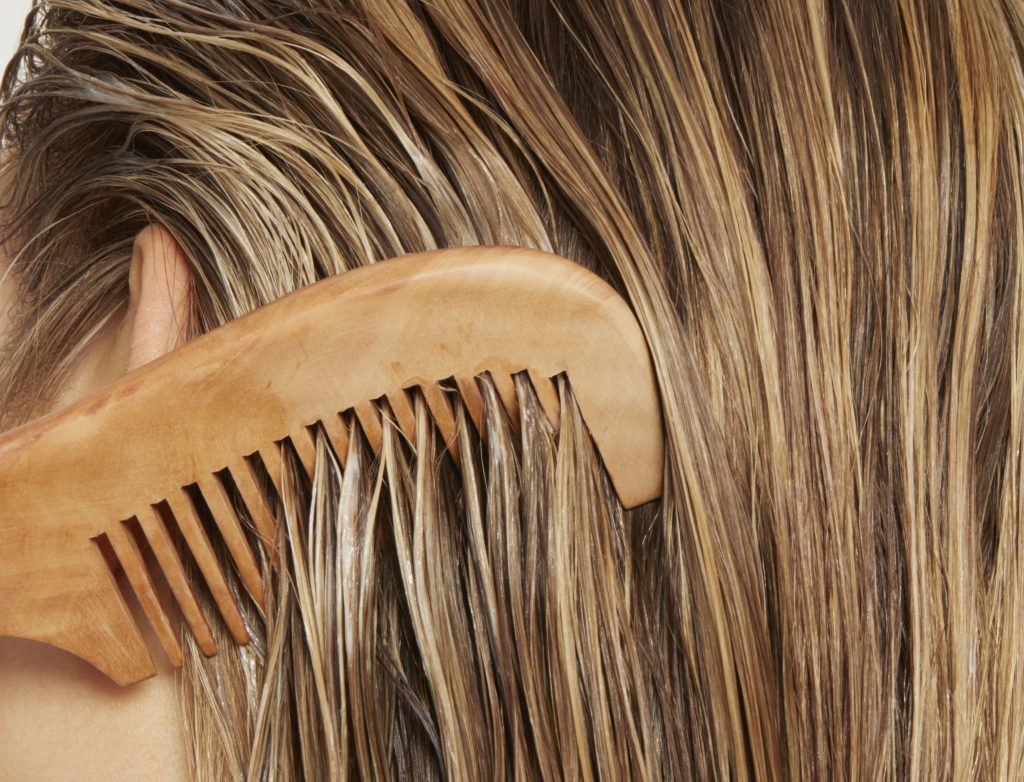
Is it safe to sleep with wet hair? The straightforward answer is no, it’s not advisable. When hair is wet, it becomes significantly more fragile and susceptible to breakage. Additionally, moisture can create a breeding ground for bacteria, potentially worsening conditions like dandruff and other scalp irritations. The combination of these factors makes sleeping with wet hair less than ideal. Therefore, it is best to avoid this practice whenever possible to maintain the health and integrity of your hair.
In summary, while it might be tempting to skip drying your hair before bed, the potential risks to your hair’s health suggest that taking a few extra moments to dry it can pay off in the long run.
Essential Tips for Sleeping with Wet Hair When Necessary
While sleeping with wet hair is generally frowned upon in the hair care community, there are times when a quick blow-dry isn’t feasible. If you find yourself in the unfortunate situation of having damp hair before bedtime, do not despair. The following tips are designed to help you minimize potential damage while maximizing your hair’s recovery, allowing you to wake up with healthier locks despite the moisture.
Create Beautiful Waves by Braiding Wet Hair
If you’re heading to bed with damp hair and want to wake up to effortless body and waves, consider styling your hair in a loose French braid. After your shower, gently pat your hair dry with a towel to remove excess moisture. Follow this by applying a pump or two of curl cream, focusing on the mid-lengths to the ends of your hair. Once your hair is prepped, loosely braid it, securing the ends with a no-crease hair tie, such as a soft scrunchie. This method not only helps to minimize damage but also sets the stage for gorgeous, natural waves by morning.
Combat Frizz with Leave-In Conditioner Before Bed
The most common complaint about sleeping with wet hair is the frizz that greets you in the morning. To prevent waking up to an unruly mane, apply a leave-in conditioner to your damp hair before bedtime. Simply spritz the product evenly throughout your hair and use a brush to ensure it’s distributed well. This technique not only hydrates your hair while you sleep but also helps manage flyaways and frizz, making your morning routine much smoother and more manageable.
Opt for a Satin Pillowcase for Hair Health
If you frequently go to bed with wet hair, investing in a satin pillowcase could be a game changer for your hair care routine. Unlike cotton, which can absorb moisture and create friction, leading to hair breakage, satin allows your hair to glide smoothly, reducing the risk of creases and tangles overnight. This is particularly beneficial for those with curly hair, as satin pillowcases can help maintain curl definition. Even if your hair is straight, satin can prevent those annoying tangles that often occur while sleeping.
Avoid Sleeping with Excessively Wet Hair
One critical rule to remember is to never go to bed with sopping wet hair. If you don’t at least towel-dry your hair, you risk waking up with hair that remains wet and a pillowcase soaked in moisture. This not only contributes to hair damage but can also create an uncomfortable sleeping environment. Taking the time to dry your hair somewhat before bed can make a significant difference in your overall hair health.
Limit Tight Hairstyles for Wet Hair at Night
If you often shower at night, be cautious about putting your wet hair up in a tight bun or ponytail. This can place undue stress on your already vulnerable strands, leading to breakage and flyaways around your face. Even with the best hair care products, tight hairstyles can undo your careful work, causing more harm than good. Instead, allow your hair to rest loosely to minimize damage while you sleep.
Maintain Cleanliness by Washing Pillowcases Regularly
When you go to bed with wet hair, your pillowcase inevitably becomes damp. This moisture can create a conducive environment for the growth of fungi and molds, particularly in synthetic pillows. While there’s no direct evidence linking wet hair and increased allergy symptoms, it’s wise to wash your pillowcases in hot water at least once a week to prevent any potential issues. Regular cleaning can help maintain a healthier sleeping environment and protect your hair and skin.
Prioritizing Hair Care – Essential Practices for Wet Hair
By now, it should be clear that sleeping with wet hair is not the best practice. However, life sometimes gets in the way, and you may find yourself in this situation. If you must sleep with wet hair occasionally, don’t worry! Follow our expert tips to mitigate risks and ensure your hair remains healthy. Prioritize using quality hair care products tailored to your individual hair type and lifestyle needs. For personalized advice and to create a tailored hair care routine, consider booking a consultation with our hair care specialists today.
[ad_2]
Source link
