


Experiencing that tight, uncomfortable sensation on your skin? Struggling with makeup that just won’t sit right? Noticing fine lines appearing more prominently than ever? These are clear signs that your skin is not merely dry; it is dehydrated. Many individuals focus solely on surface-level dryness without recognizing the crucial difference between dry skin and dehydrated skin. Understanding this distinction is vital for achieving that radiant, healthy glow we all desire. By addressing the underlying causes of dehydration, you can transform your skin’s texture and appearance, leading to a more luminous complexion.
Recognizing the Key Differences Between Dryness and Dehydration
Let’s delve into the science behind it: the outer layer of your skin, known as the epidermis, serves as a protective barrier and contains approximately 64% water. When this water content diminishes, it leads to more than just superficial dryness; it results in cellular dehydration. Imagine a grape shriveling into a raisin; this analogy aptly illustrates how skin deflates at a cellular level when deprived of moisture. Understanding this process can help you choose effective hydration strategies to restore your skin’s plumpness and vitality.
It’s important to note that while dry skin is often genetically predisposed, dehydration can impact anyone, regardless of their skin type, including those with oily skin. In fact, when skin becomes dehydrated, it may overcompensate by producing excess oil, leading to a frustrating cycle of oily yet flaky skin. This complex interplay can make it challenging to manage your skincare effectively, but recognizing these signs is the first step toward a balanced complexion.
Identifying the Warning Signs of Dehydrated Skin
- Increased visibility of fine lines
- Skin that feels tight yet appears shiny
- Dull complexion and uneven texture
- Makeup that patches or pills
- Slow bounce-back during the “pinch test”
Implementing a Comprehensive Hydration Strategy
Step 1: Begin with Gentle Cleansing
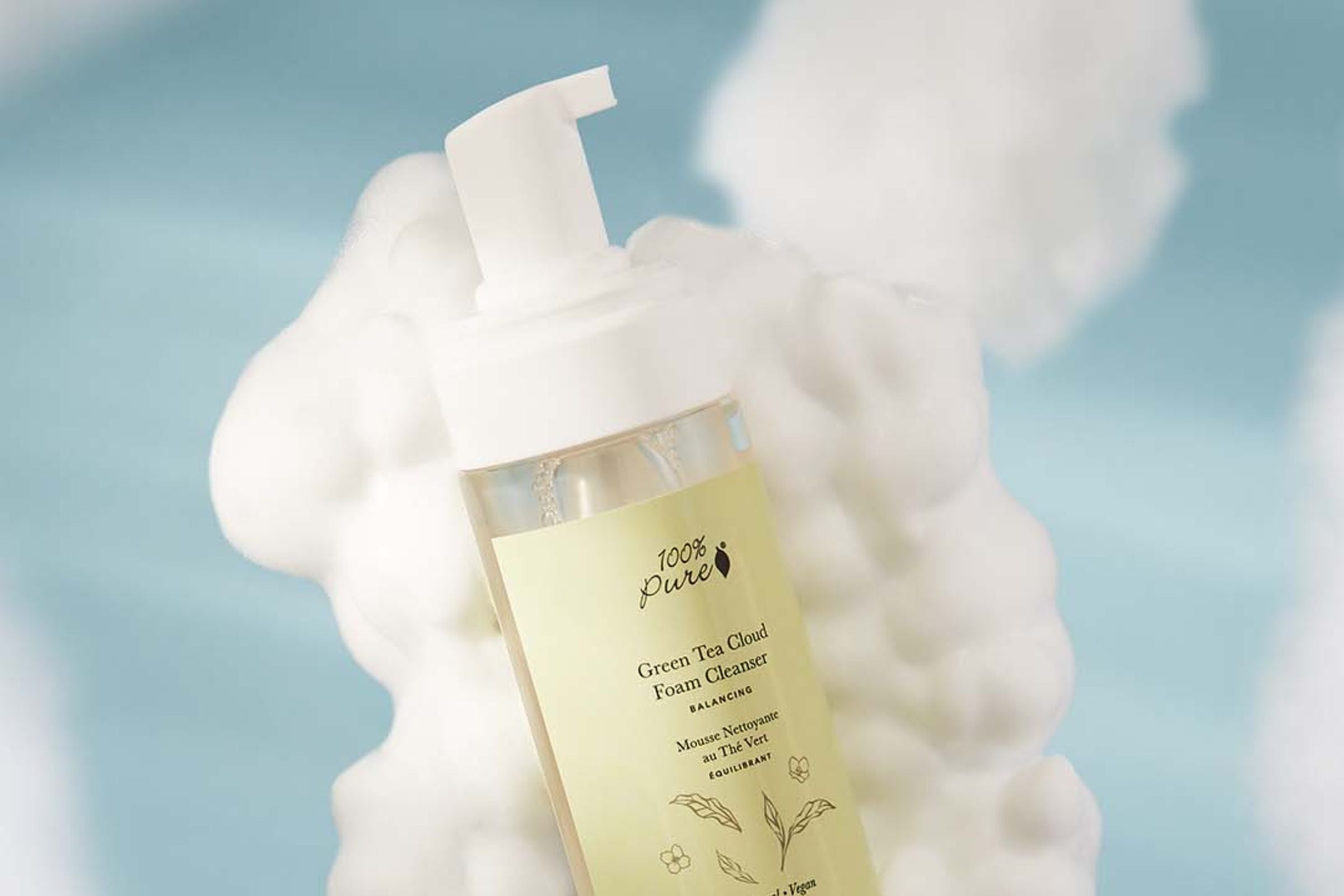
Kick off your hydration journey with our Green Tea Cloud Foam Cleanser. This ultra-gentle formulation creates a cloud-like foam that effectively removes impurities while preserving your skin’s delicate moisture barrier. The antioxidant properties of green tea provide additional protection against environmental damage, while coconut-derived cleansers ensure that your skin never feels stripped or dry. This essential first step sets the stage for optimal hydration.
Step 2: Establish a Hydration Foundation
Next, apply our Flower Water Toner immediately after cleansing. Toners not only add an additional layer of hydration but also deliver essential nutrients that your skin craves. They help tighten pores, eliminate residual impurities, and restore your skin’s natural pH balance. The flower water in this toner offers anti-inflammatory and hydrating benefits, making your skin feel refreshed, revitalized, and ready to absorb further treatments.
Step 3: Incorporate Targeted Treatments
Enhance your skincare routine with our Rose Hyaluronic Acid Serum, which provides an extra boost of hydration and helps to plump your skin. This powerful serum is designed to infuse your skin with moisture, enhancing its overall texture and radiance. Regular use will leave your skin looking plump, bright, and rejuvenated, effectively addressing signs of dehydration.
Step 4: Lock in Moisture
Finally, seal in all the nourishing benefits with our Restorative Sea Culture Extra Riche Créme. This luxurious treatment is formulated with rich butters and oils, infused with nutrient-dense sea minerals and hydrating seaweeds. Together, these ingredients work synergistically to plump and strengthen your skin, locking in moisture for long-lasting hydration and a radiant finish.
Advanced Techniques for Enhanced Hydration
Incorporate a Weekly Sheet Mask
Consider using our Deep Hydration Sheet Mask once a week. This mask replenishes parched skin with a blend of aloe juice and a nourishing trio of cucumber, hyaluronic acid, and plant ceramides. This water-rich formula locks in long-lasting hydration, leaving your skin ultra-plump, soft, and supple. Additionally, the anti-inflammatory properties of rosehip, ylang ylang, and chamomile work to calm irritated skin, while beta-glucan soothes and moisturizes for maximum effectiveness.
Optimize Hydration Timing
For best results, apply your skincare products within 60 seconds of cleansing—this “golden minute” is the optimal time when your skin is most receptive to hydrating ingredients. This practice significantly enhances the absorption of hydrating products, ensuring your skin reaps the full benefits.
Protect Your Skin from Environmental Factors
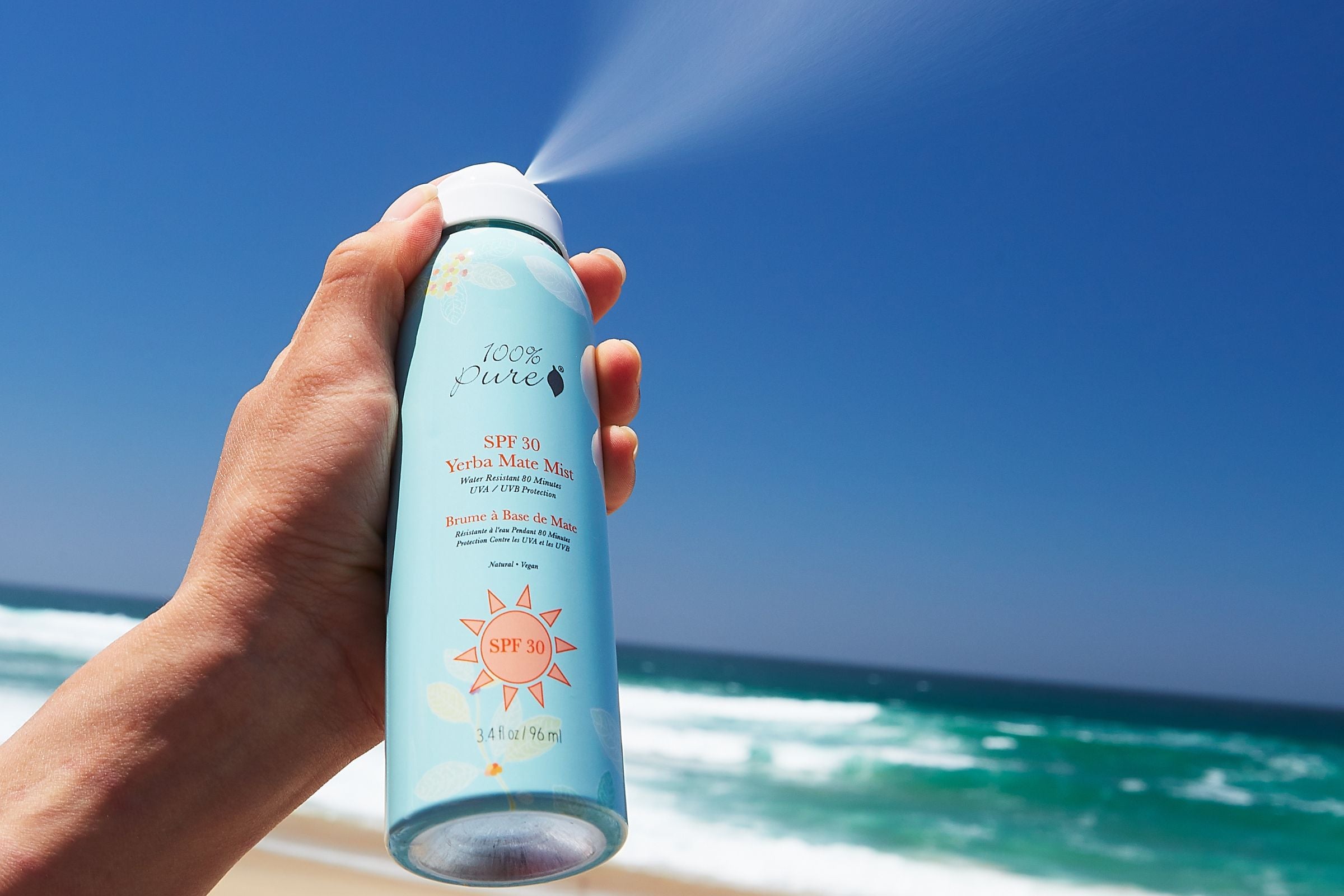
Make our Yerba Mate Mist SPF 30 a daily staple in your skincare routine. Not only does this mineral sunscreen provide broad-spectrum protection against both UVA and UVB rays, but it also contains antioxidants that help neutralize free radicals generated by UV exposure. This extra layer of defense is crucial for maintaining your skin’s hydration and preventing environmental damage.
Understanding Lifestyle Factors That Affect Skin Hydration
- Indoor heating and cooling systems
- Hot showers (opt for warm instead of hot!)
- Excessive caffeine consumption
- Alcohol intake
- Environmental pollution
- Increased screen time (blue light can dehydrate skin)
Embracing a Long-Term Hydration Strategy
Consider hydration a long-term relationship with your skin rather than a mere quick fix. Consistency is essential, and noticeable improvements will accumulate over time. After 28 days of adhering to this comprehensive skincare routine—the typical duration for your skin to complete a full renewal cycle—you can expect to see significant changes, including:
- Plumper, more resilient skin texture
- Reduced visibility of fine lines
- More even skin tone and enhanced radiance
- Smoother makeup application and longer-lasting wear
- Balanced oil production
Recognizing When to Seek Professional Help
While most cases of dehydrated skin can be effectively managed with the right skincare regimen, it’s advisable to consult a dermatologist if you encounter:
- Persistent flakiness that doesn’t improve with hydration
- Unusual sensitivity or redness in your skin
- Itching or burning sensations
- Sudden changes in skin texture
Essential Takeaways for Optimal Skin Hydration
Achieving hydrated skin is synonymous with achieving healthy skin. This process does not need to be overly complicated. Concentrate on gentle, water-binding ingredients, maintain steady consistency in your routine, and remember that hydration must come from both external products and internal sources. With the right approach and carefully selected products, you can transform your skin from dehydrated to dewy, unveiling your natural, healthy glow.
Keep in mind: All products from 100% PURE mentioned here are formulated without harsh chemicals, synthetic fragrances, or artificial preservatives. Our commitment to pure, natural ingredients ensures you receive the most effective hydration without compromising your skin’s health.
Your Frequently Asked Questions About Skin Hydration
Can oily skin still be dehydrated?
Absolutely! Oily and dehydrated skin often coexist. When your skin lacks hydration, it may produce excess oil to compensate for the deficiency of water. This scenario often results in the frustrating combination of shininess and flakiness. The solution lies in utilizing water-based hydrators instead of heavy oils to restore balance.
What distinguishes dehydrated skin from dry skin?
Dry skin is a skin type characterized by a lack of oil, while dehydrated skin is a condition that signifies a lack of water. Dry skin is typically genetic, whereas dehydration can affect any skin type and is often temporary. Essentially, dry skin requires oil-based products, while dehydrated skin benefits from water-based hydration.
Why does my skin feel tight after moisturizing?
If your skin continues to feel tight even after applying moisturizer, you may be neglecting the essential hydration phase. Remember: hydration, which involves adding water to the skin, comes before moisturizing, which focuses on sealing in that hydration with oils.
How long does it take to repair dehydrated skin?
With consistent usage of appropriate hydrating products, you should observe improvements within 2-4 weeks. However, the timeline can vary based on several factors:
- Severity of dehydration
- Consistency of your skincare routine
- Environmental influences
- Internal hydration levels
- Overall skin health
