


Are you still using that same bar soap for your face that you apply to the rest of your body? Remember, skin is our largest organ, and how we treat it can significantly affect its health and appearance. Maintaining skin cleanliness is vital, and selecting the right cleanser tailored to your specific skin type and personal skincare goals is essential for achieving optimal results.
In a pinch, one might argue that using bar soap is better than using nothing at all. However, we must ask ourselves whether it is truly beneficial for our skin. When we envision our skin looking and feeling its best—soft, radiant, and smooth—the central question arises: can bar soap genuinely assist us in reaching those aesthetic goals?
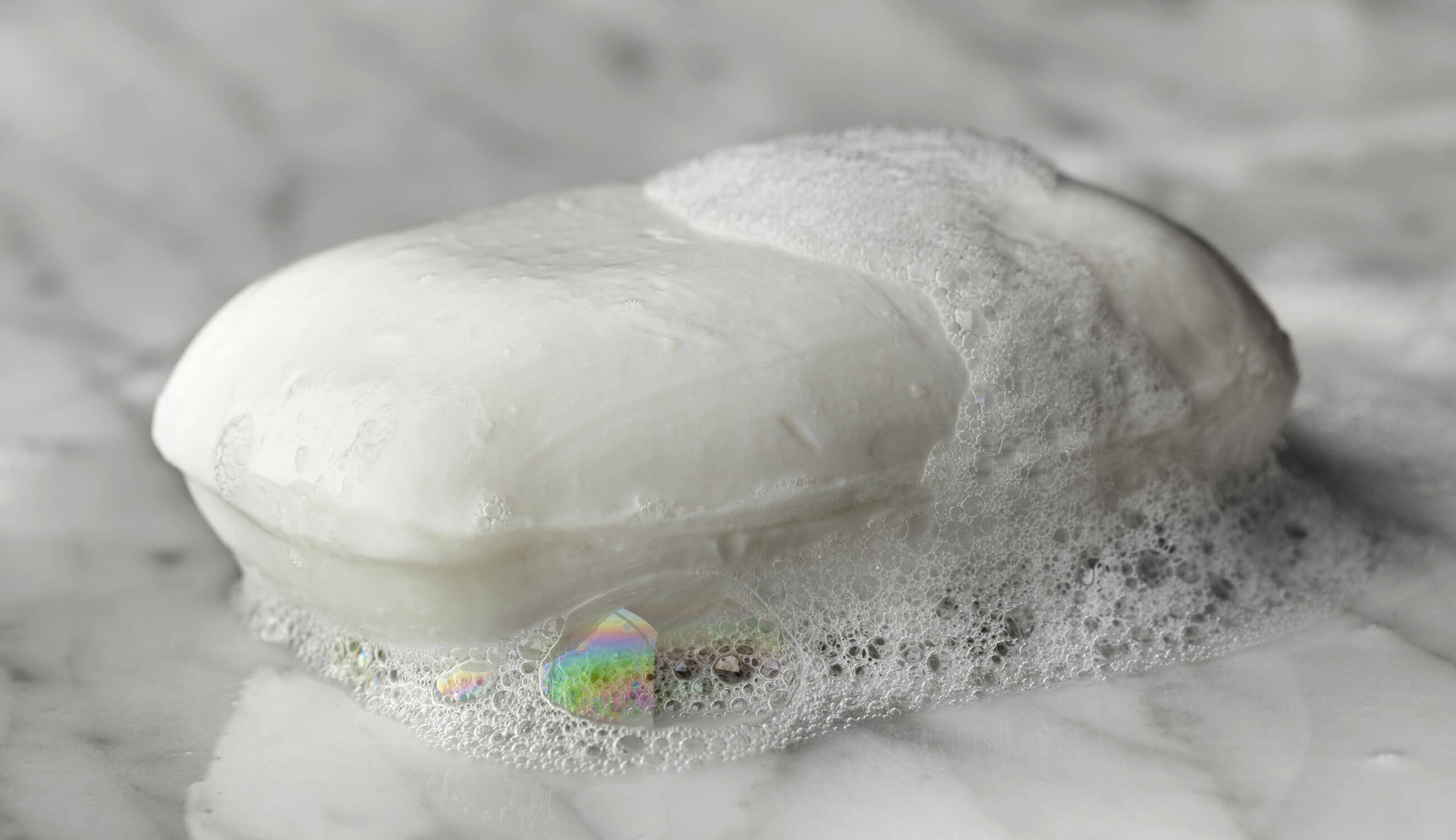
The first soap to come to mind when discussing facial cleansing is often the well-known Dove facial bar. Many women have relied on this soap as their daily facial cleanser during their younger years, particularly during puberty. Reflecting on the feelings it evoked, it seemed an acceptable choice at the time. But what about the ingredients? Do they truly support long-term skin health?
At first glance, the ingredients in this bar soap may not appear problematic. For instance, sodium lauroyl isethionate, a key component in this facial bar soap, is derived from coconut and serves as a sulfate-free surfactant. However, what about the less favorable ingredients present in this soap?
Two major categories of concerning ingredients are prevalent in this facial bar: animal-derived products and synthetic chemicals. For example, Sodium Tallowate is a combination of animal fat and lye. Additionally, the term “fragrance” often masks a mix of synthetic fragrances linked to harmful phthalates. Ultimately, these animal-based and synthetic ingredients do not contribute positively to our skin’s health.
Overall, it appears that facial bar soaps represent a questionable and ineffective option for maintaining healthy facial cleansing routines. Rather than using bar soaps laden with heavy moisturizers, highly synthesized surfactants, and synthetic fragrances, consider opting for products that offer a more balanced approach. Targeted cleansers designed for your specific skin type are a far more intelligent choice than the generic “one size fits all” bar soaps.
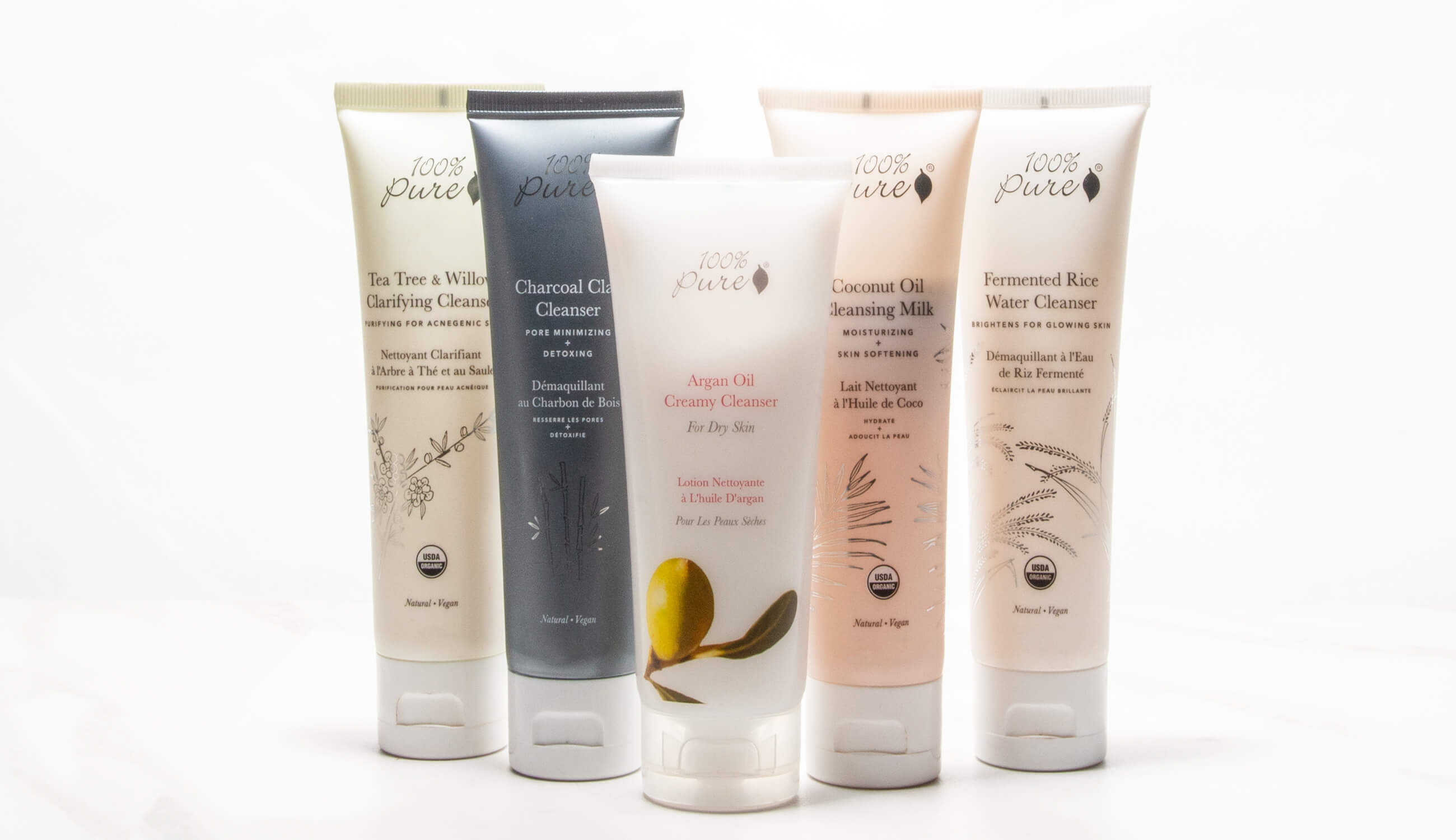
Our cleansers are meticulously crafted with ingredients that are natural, cruelty-free, and organic. Each ingredient is selected exclusively for its purity and effectiveness. We would never compromise your skin’s health by including synthetic fragrances or animal fats in our formulations!
Experience skin purification with our Blood Orange Cleansing Balm, enriched with brightening blood orange essential oil. This creamy, gentle cleanser not only leaves your skin feeling soft and smooth but also hydrates and plumps it while minimizing fine lines with nourishing avocado and olive oils. For those with oily or combination skin, our Charcoal Clay Cleanser delivers a perfect solution for deep-cleaning pores without irritation.
What about individuals with dry skin seeking soothing relief? If your skin is dry, flaky, or irritated, our Lavender Oat Milk Soothing Cleanser is an excellent choice. Additionally, our Argan Oil Creamy Cleanser will lavish your skin with much-needed hydration.
Our Coconut Oil Cleansing Milk features a blend of organic, soothing coconut milk and lightweight, moisturizing coconut oil. It’s especially effective for dry skin types, leaving no soapy residue after cleansing—unlike traditional bar soaps—just soft, clean skin ready to glow.
For those searching for a potent and natural solution for acne, consider our Tea Tree & Willow Acne Clear Cleanser. The primary ingredient is organic lemon water, known for its antibacterial and anti-inflammatory properties, which hydrates and cleanses the skin while enhancing radiance. The cleansing power comes from organic potassium cocoate, a natural surfactant derived from coconut, paired with organic tea tree oil, which effectively combats acne-causing bacteria.
So what’s the verdict on using bar soaps for facial cleansing? While they may not be entirely harmful, they certainly aren’t ideal or effective. We dedicate only a few precious minutes each day to pamper and nourish our skin; therefore, it’s crucial to maximize these efforts with the healthiest, most wholesome ingredients for lasting, positive results.
Common Questions About Using Bar Soap for Facial Cleansing
Is it safe to use bar soap on your face?
While bar soap can be safe for facial use, the safety largely depends on its formulation. Many traditional bar soaps are designed for body cleansing and may be too harsh for the delicate skin on your face. They may strip your skin of its natural oils, leading to dryness or irritation. It’s advisable to choose bar soaps specifically labeled for facial use, which are often gentler and formulated with moisturizing ingredients.
What are the disadvantages of using traditional bar soaps for facial cleansing?
Traditional bar soaps often possess a high pH level that can disrupt your skin’s natural barrier, resulting in dryness, irritation, or breakouts. Additionally, they may contain harsh surfactants or detergents that strip away essential oils from your skin. Over time, this can lead to increased sensitivity, redness, and a compromised skin barrier.
How do synthetic fragrances in bar soaps impact the skin?
Synthetic fragrances in bar soaps can irritate sensitive skin and may trigger allergic reactions in some individuals. These fragrances often contain chemicals that disrupt the skin’s natural balance, leading to dryness, redness, or breakouts. For those with sensitive skin, it’s best to avoid synthetic fragrances and seek products labeled as “fragrance-free” or “unscented.”
What are better natural alternatives to bar soap for facial cleansing?
Natural alternatives to traditional bar soap include gentle cream or gel-based cleansers, micellar water, and oil-based cleansers. These options are formulated to cleanse without stripping the skin of its natural oils. If you prefer a solid cleanser, look for bar soaps made with nourishing ingredients like shea butter, coconut oil, or aloe vera while avoiding those with synthetic additives or a high pH.
What key ingredients should I seek in a facial cleanser for dry skin?
For dry skin, it is important to choose a facial cleanser containing hydrating and soothing ingredients, such as:
- Hyaluronic acid: Aids in moisture retention.
- Glycerin: A humectant that attracts water to the skin.
- Ceramides: Help to restore the skin’s natural barrier.
- Aloe vera: Provides soothing and hydrating properties.
- Oatmeal: Soothes irritation and offers gentle cleansing.
It’s best to avoid cleansers containing alcohol, sulfates, or artificial fragrances, as these can exacerbate dryness.
