


[ad_1]
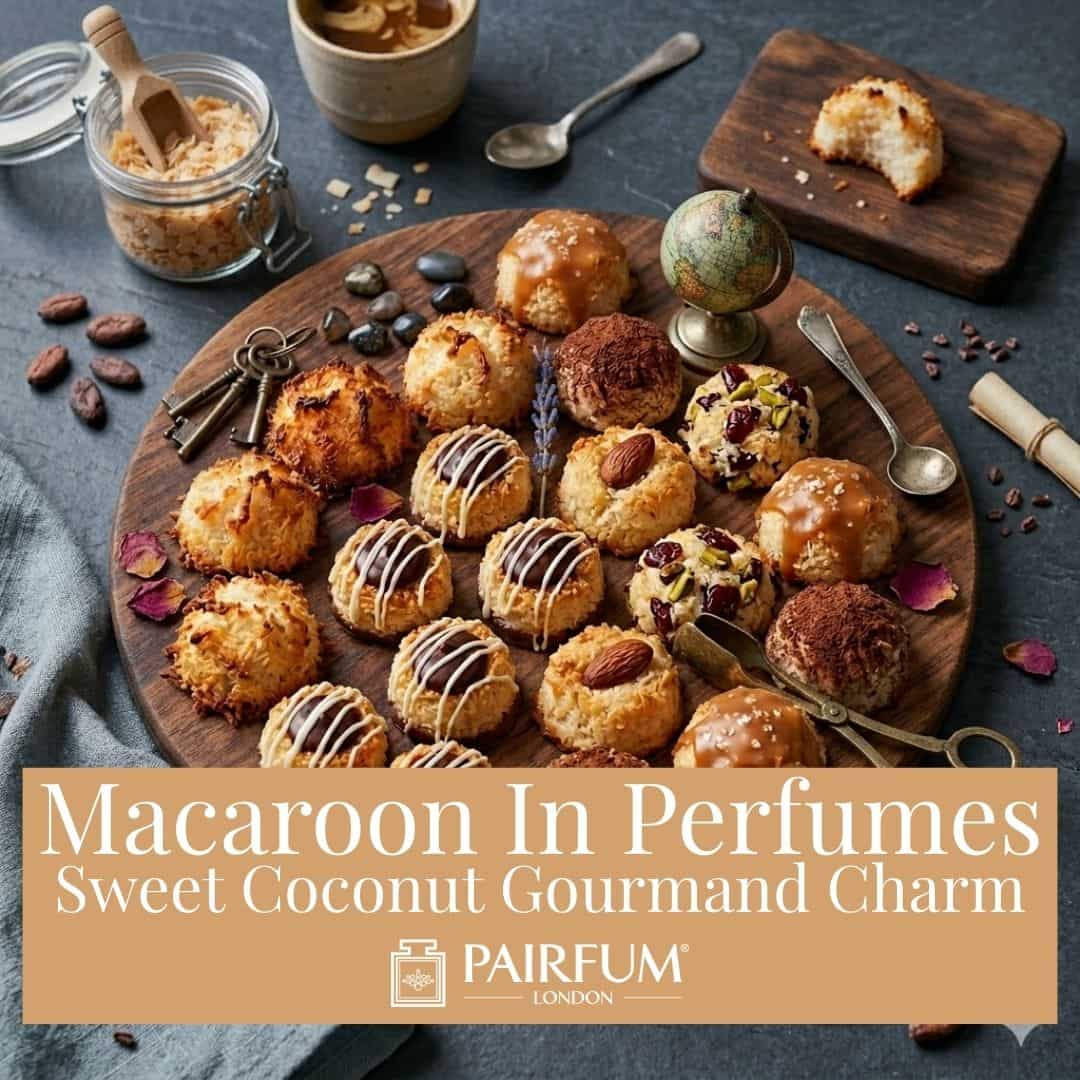
Macaroon is a culinary delight because it combines shredded coconut, egg whites, and sugar into a chewy cookie, which matters for food enthusiasts and perfume lovers alike.
At CosmeticsUrgeryNews, we specialize in cosmetics, beauty, body care, hair care, and perfume, helping fragrance aficionados achieve luxurious scents that elevate their personal style.
Our platform monetizes through affiliate partnerships and curated product recommendations, guiding users to the best fragrance options. We provide insights into the latest trends, helping consumers make informed choices in the beauty industry.
This guide covers the following key attributes of the macaroon note in perfumes:
- Historical significance of the macaroon in fragrance
- Ingredients used to recreate the macaroon aroma
- How macaroon pairs with other fragrance notes
- Seasonal relevance of macaroon scents
- Unique product recommendations for macaroon-inspired perfumes
What is the History Behind the Macaroon as a Perfume Favorite?
Gourmand perfumes have a strong connection to comfort. They surged in popularity during the late 20th century, featuring vanilla and chocolate notes that evoke dessert without being overly sweet. As the gourmand trend evolved, perfumers began incorporating other familiar treats, including the macaroon.
The macaroon note emerged not just as a nod to coconut but as a complex blend of coconut, almond, and baked elements. The term “macaroon” originates from the Italian word maccarone, meaning a fine paste. While the French macaron gained fame in Parisian tea salons, the earlier versions were simple almond meringue biscuits. The introduction of shredded coconut in the late 1800s led to the creation of the dense, chewy coconut macaroons we know today.
| Macaroon Type | Key Ingredients | Texture |
|---|---|---|
| Coconut Macaroon | Coconut, Egg Whites, Sugar | Chewy and Dense |
| French Macaron | Almond Flour, Egg Whites, Sugar | Light and Crispy |
How Do Perfumers Capture the Macaroon Note?
Unlike natural perfume ingredients, there is no singular plant or flower that produces a true macaroon oil. Perfumers create the note using a combination of natural extracts and aroma molecules. Common components include:
- Coconut milk or shredded coconut accords for a sweet, tropical base
- Almond oils or tonka bean to introduce a nutty tone
- Soft vanilla and sugar notes to enhance sweetness
When these ingredients are layered correctly, they produce a perfume note that is gently creamy and toasted, reminiscent of the original treat. This note typically appears in the heart or base of a fragrance, allowing it to linger on the skin and provide a cozy softness throughout the day.
What Culinary Inspirations Influence the Macaroon Aroma?
Understanding the divine scent of macaroons requires examining the baking process. A classic coconut macaroon is a simple yet indulgent treat. The traditional recipe involves mixing egg whites beaten to soft peaks with sugar. Unlike the delicate French macaron, the coconut variety is rugged and hearty.
On a baking tray lined with parchment, spoonfuls of batter caramelize at the edges. This toasted flavor is what perfumers aim to replicate. While some may confuse them with French macarons, the scent profile found in gourmand perfumes aligns more closely with the dense, golden coconut macaroons popular in British bakeries.
| Macaroon Variation | Unique Ingredients | Flavor Profile |
|---|---|---|
| Scottish Macaroon | Mashed Potato, Icing Sugar, Chocolate | Dense and Rich |
| Traditional Coconut Macaroon | Coconut, Egg Whites, Sugar | Chewy and Sweet |
How Do Perfumers Master the Texture of Macaroon Scents?
The olfactory “texture” of a macaroon perfume simulates the weight of its ingredients. To emulate the density of a macaroon, perfumers use synthetic notes that evoke butter and heavy cream. Just as bakers combine caster sugar and almond extract, perfumers balance sweet notes with darker elements.
For instance, a high-quality chocolate macaroon features the snap of dark chocolate against a soft center. In scent, this is achieved by layering cocoa accords over a sugar and almond mixture. The aim is to capture the essence of the food without the stickiness, focusing on the “chewiness” of the coconut and icing sugar blend.
How Does Macaroon Blend with Other Fragrance Notes?
The macaroon note is remarkably adaptable. It blends well without overpowering, making it ideal for various combinations.
- It pairs beautifully with warm notes such as tonka bean, sandalwood, and amber.
- It complements floral notes like jasmine or tiaré, creating soft, tropical perfumes.
- It contrasts nicely with citrus or green notes, adding sweetness without losing freshness.
In niche perfumes, where character and contrast are essential, macaroon often rounds out sharper or more airy scents. It can soften the edges of cold or dry fragrances, creating a more inviting aroma.
What is the Art Behind the Confectioner and the Perfumer?
Baking has a theatrical quality that parallels the art of perfumery. Consider the Great British Bake Off, where contestants meticulously prepare each macaroon to ensure uniformity. Similarly, a perfumer must balance their mixtures. Too much confectioners’ sugar can make a perfume cloying, while an overpowering almond scent can become medicinal.
When handled with precision, the result is a fragrance reminiscent of the finest macaroons. This balance is crucial to achieving a scent that is both delightful and sophisticated.
Why Does Macaroon Work for Colder Seasons?
As winter transitions into early spring, the mood shifts. We anticipate lighter days but still crave warmth. The macaroon note provides that gentle warmth, perfectly timed for this season.
During this period, heavy perfumes can feel overwhelming. Many spring fragrances may seem too clean or airy. The macaroon note offers a cushiony feel, providing comfort without weighing down the entire fragrance.
- It softens perfumes that rely on sharp greens or citrus.
- It makes floral blends feel creamy and smooth.
- It warms perfumes with woody bases without darkening them.
As the weather changes, we seek scents that offer comfort. The macaroon note fulfills this desire, creating a sense of closeness and ease that is ideal for this time of year.
How Can You Find Your Next Iconic Fragrance with Pairfum London?
Finding the perfect gourmand scent is a personal journey, especially when seeking those subtle toasted notes of macaroon and vanilla that resonate with your skin chemistry. Instead of guessing at a crowded perfume counter, the Fragrance Library Perfume Experience Box allows you to explore sophisticated aromas at home. This method ensures you discover how a sweet scent evolves from the first spray to its warm, lingering base notes.
What is the Fragrance Library Perfume Experience Box by Pairfum London?
This elegantly presented collection contains twelve 2ml bottles of Intense Eau de Parfum, providing approximately 100 sprays per bottle or enough for a two-week trial of each unique scent. The set includes 50 professional smelling strips for expert sampling and is crafted with natural, organic essential oils and a biodegradable alcohol base derived from sugar. As a 100% vegan and cruelty-free product handmade in the UK, it offers a risk-free way to sample niche luxury, with the full cost of the box refundable when you upgrade to a full-sized flacon.
