

[ad_1]
Ectoin is a skincare ingredient because it protects the skin from stress, dryness, and early signs of aging, which matters for individuals seeking effective skincare solutions.
At CosmeticsUrgeryNews, we specialize in cosmetics, beauty, body care, hair care, and perfume, helping beauty enthusiasts achieve healthy, radiant skin.
Our platform provides valuable insights and product recommendations, enabling users to make informed decisions about their skincare routines. We monetize through affiliate partnerships and sponsored content, ensuring our audience receives the best advice.
This guide covers the following key attributes of Ectoin: its definition, benefits for skin health, application methods, comparisons with other ingredients, and frequently asked questions.
What is Ectoin?
Ectoin is a natural compound derived from extremophile bacteria that thrive in harsh environments, such as salt lakes and deserts. These bacteria produce Ectoin to protect themselves from extreme temperatures, UV radiation, and dehydration.
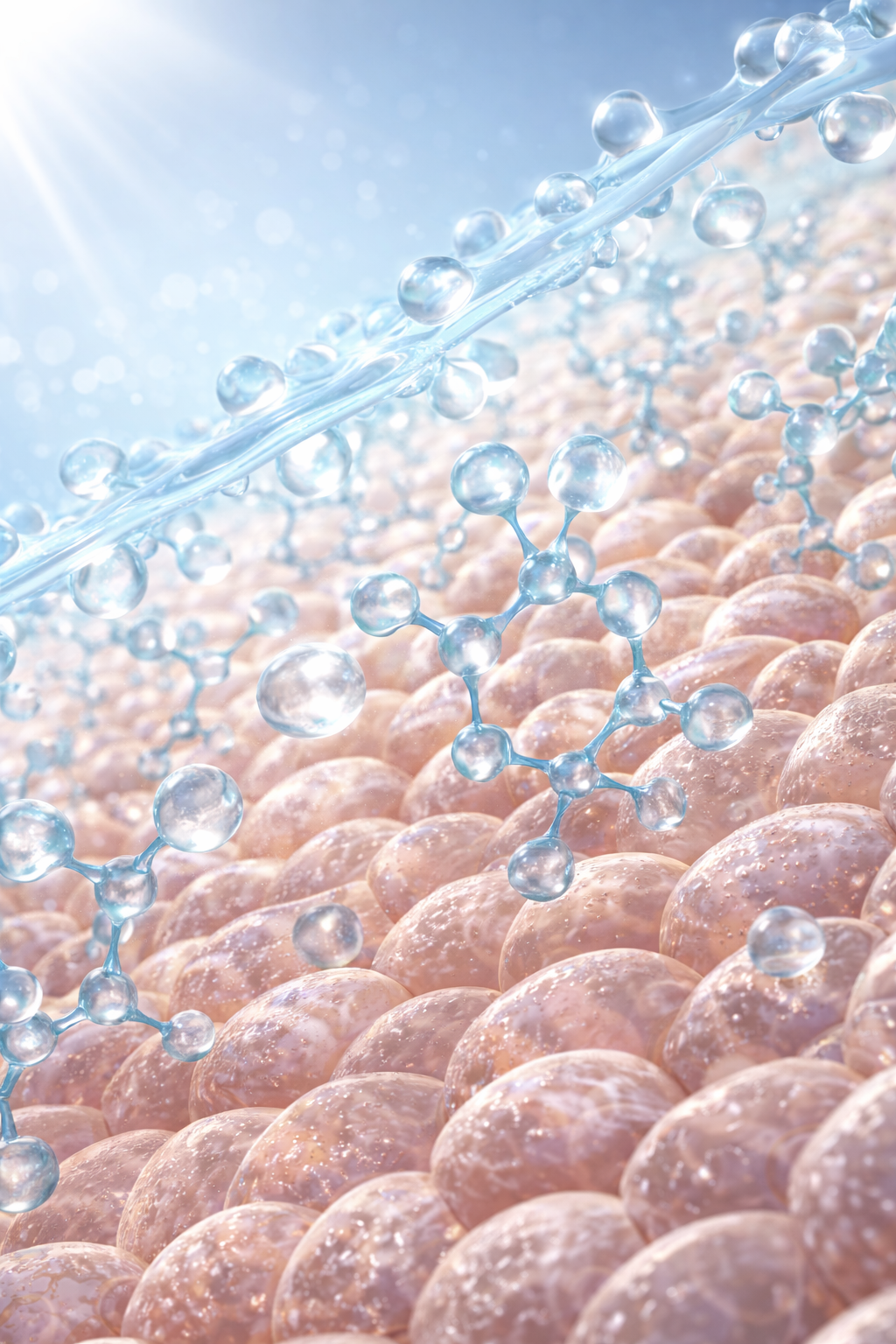
When applied to the skin, Ectoin mimics these protective effects, forming a barrier around skin cells to retain moisture and block irritants. It acts as a tiny bodyguard for your skin, shielding it from daily stressors like pollution, sun exposure, and dryness.
- Quick fact: Studies show that Ectoin can reduce skin inflammation, redness, and sensitivity triggered by environmental stress. Source: PubMed
Why Does Your Skin Need Ectoin?
Even if you’re using moisturizers and serums, your skin may still feel tight, reactive, or prone to redness. Traditional skincare products often hydrate but fail to protect at a cellular level.
Here’s what Ectoin does for your skin:
- Strengthens the skin barrier – Ectoin helps maintain your skin’s natural defenses, keeping irritants out and moisture in.
- Reduces sensitivity & redness – Ideal for reactive or rosacea-prone skin.
- Hydrates deeply – Forms a water-binding layer around skin cells for long-lasting hydration.
- Shields from environmental stress – Protects against pollution, UV rays, and temperature changes.
- Supports anti-aging – Reduces DNA damage and slows the formation of fine lines caused by oxidative stress.
After introducing an Ectoin serum into my routine, I noticed my skin felt calmer and more resilient, especially during seasonal transitions when dryness and sensitivity typically increase.
How Does Ectoin Work on Your Skin?
At the molecular level, Ectoin is classified as an “extremolyte,” a compound that stabilizes proteins and cell membranes. Here’s the science in simple terms:
- Cell hydration: Ectoin attracts water molecules, forming a protective hydration shell around your cells.
- Anti-inflammatory effect: It reduces the release of inflammatory cytokines, responsible for redness and irritation.
- DNA protection: Ectoin shields skin cells from UV and oxidative stress, promoting long-term skin health.
This makes Ectoin suitable for all skin types, particularly sensitive, dehydrated, or aging skin.
How Can You Use Ectoin in Your Skincare Routine?
Ectoin is commonly found in serums, creams, and masks. Here’s how to incorporate it into your routine:
- After cleansing: Apply an Ectoin serum to clean skin.
- Layering: Mix it with your usual moisturizer for a lighter application.
- Frequency: Daily use is safe and effective for sensitive or stressed skin.
- Complementary ingredients: Works well with hyaluronic acid, niacinamide, and ceramides for hydration and barrier repair.
Tip: Ectoin is gentle enough for both daytime and nighttime use, making it a versatile addition to any routine.
How Does Ectoin Compare to Other Barrier-Repair Ingredients?
You may wonder how Ectoin stacks up against popular barrier-support ingredients like ceramides and hyaluronic acid.
| Ingredient | Main Benefit | How Ectoin Enhances It |
|---|---|---|
| Ceramides | Rebuilds lipid layer | Adds cellular-level protection |
| Hyaluronic Acid | Hydration | Boosts water retention inside cells |
| Niacinamide | Brightening & barrier support | Reduces inflammation & oxidative stress |
The bottom line: Ectoin works synergistically with these ingredients. It doesn’t replace them but enhances their effects, particularly for stressed or sensitive skin.
Frequently Asked Questions About Ectoin
Q: Is Ectoin safe for sensitive skin?
A: Absolutely. Ectoin is gentle, non-irritating, and often recommended for rosacea-prone or reactive skin.
Q: Can I use Ectoin with retinol?
A: Yes! It can reduce irritation from retinoids while boosting hydration.
Q: Does Ectoin replace sunscreen?
A: No, it’s protective but not a UV filter. Always use sunscreen during the day.
Q: How long until I see results?
A: Many people notice reduced redness and improved hydration in 1–2 weeks, with full barrier benefits over time.
Pro tip: Pair Ectoin with gentle cleansers and barrier-supporting ingredients like ceramides and niacinamide for optimal results.
Final Thoughts on Ectoin
Ectoin is a true skin-longevity ingredient. It’s hydrating, calming, and protective. If your skin feels stressed, reactive, or dry, adding Ectoin could be exactly what it needs. I highly recommend it for anyone looking to strengthen their skin barrier and maintain healthy, resilient skin year-round.

Jessica Monroe is a seasoned author and expert in the field of cosmetic surgery, dedicated to providing insightful coverage on the latest trends and advancements in the industry. With a keen eye for detail and a passion for empowering readers, she explores a wide range of topics, from innovative procedures to patient experiences, all aimed at enhancing understanding and promoting informed choices. Jessica’s work in Cosmetic Surgery News reflects her commitment to clarity, accuracy, and advocacy for transparency in cosmetic procedures.
