


[ad_1]
Cistus labdanum, commonly known as rockrose, boasts a rich, warm, and persistent scent profile that many describe as an enticing fusion of balsamic amber, luxurious leather, and a honey-like sweetness. This exquisite aroma is derived from the labdanum resin of the cistus shrub, featuring woody, smoky, and subtly animalic undertones, which function as a natural fixative in high-quality perfumes.
The scent of Cistus Labdanum carries a smoky, earthy quality that beautifully transitions from winter into spring. This natural resin, extracted from the rockrose plant, presents a warm, deep, and grounded aroma. For centuries, it has played a vital role in various rituals and ceremonies, enriching the atmosphere and serving as a foundational element in early fragrance blends. Celebrated as a cornerstone in the perfume industry, its remarkable versatility and animalic charm continue to captivate perfumers and fragrance enthusiasts alike.
In contemporary perfumery, Cistus Labdanum retains its significance, especially within compositions that seek to evoke a sense of grounding, tranquility, or understated luxury. Its smooth amber profile, accented by gentle smoky nuances, makes it a favored choice in both niche fragrances and natural blends. Below, we explore its origins, unique characteristics, and contemporary applications in perfumery.
Discovering the Rich Origins of Cistus Labdanum
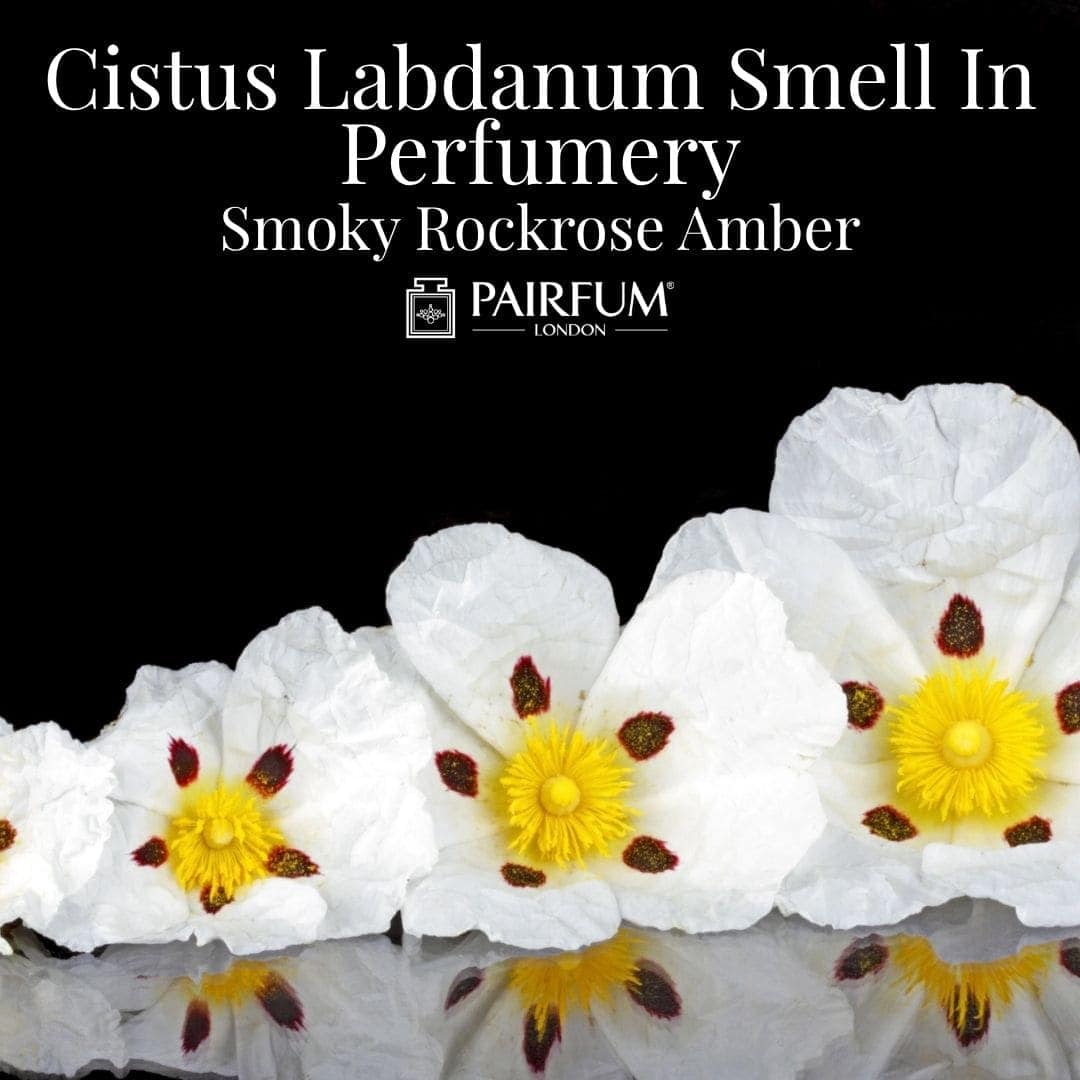
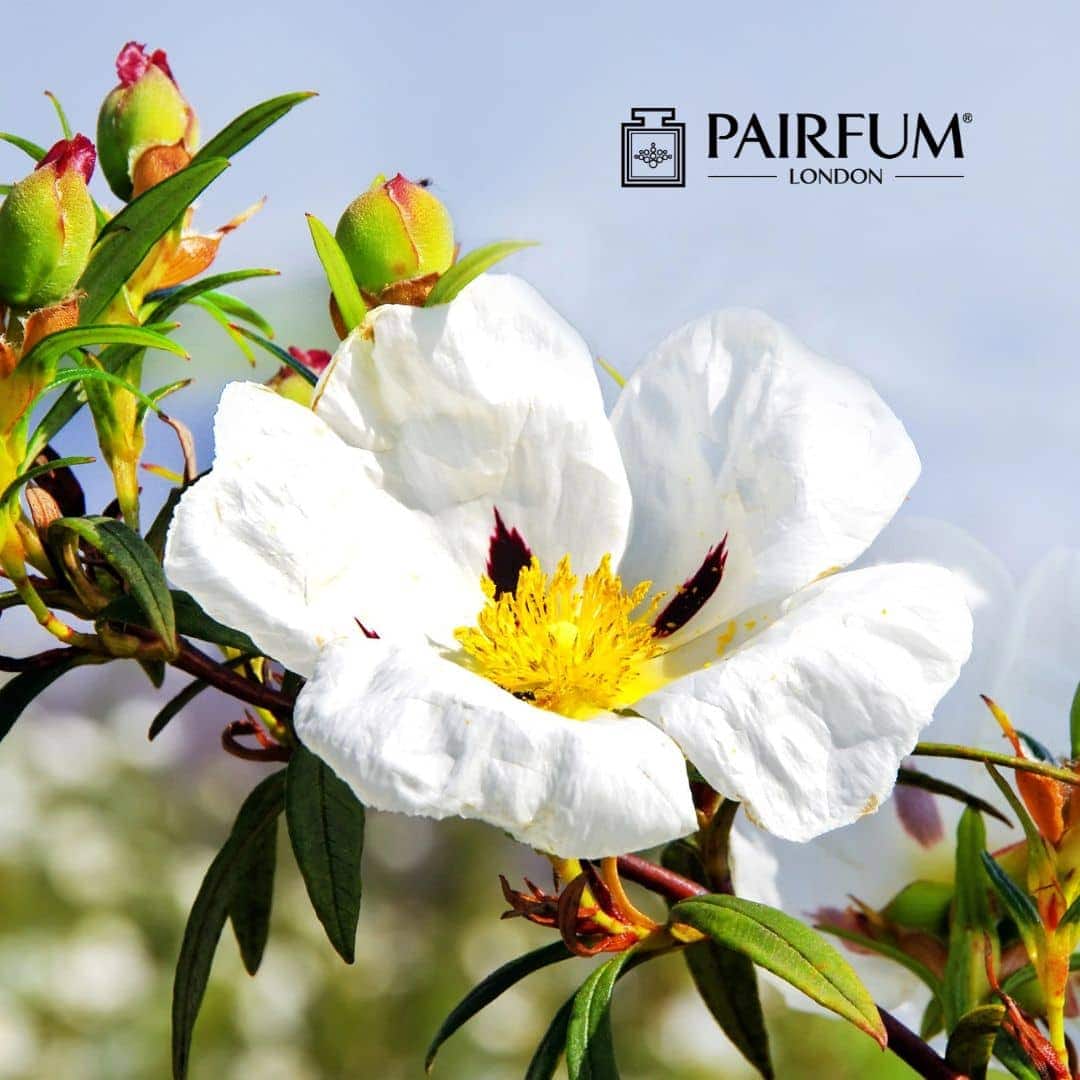
Cistus Labdanum is sourced from the leaves and twigs of the Cistus ladanifer plant, which thrives in the Mediterranean region. This resilient, evergreen shrub is unassuming in appearance but produces a dense, sticky brown resin that was highly valued in ancient cultures for its aromatic properties. The plant flourishes in dry, nutrient-deficient soils and is characterized by its delicate white petals, often adorned with deep maroon spots at their base.
Historically, ancient Mediterranean cultures harvested labdanum resin by using wool or leather to comb through the plants. Legend has it that goats and sheep would roam among the cistus shrubs, collecting the fragrant resin in their coats, which shepherds would later scrape off. In Ancient Egypt, this resin was so prized that pharaohs allegedly donned false beards made from goat hair saturated in the resin. Over time, labdanum gum found its place in religious rituals, often burned as incense, believed to possess healing properties and used in herbal remedies for ailments like colds, coughs, and rheumatism.
While the plant is often referred to as rock rose, the term Cistus Labdanum specifically denotes the rich resin extracted from it, which is the key ingredient in perfumery. The botanical name is Cistus ladanifer, though you might also encounter variations like Cistus ladaniferus or Cistus creticus, depending on the specific subspecies found across the Western Mediterranean, North Africa, and parts of the Middle East. The name “Cistus” is derived from the ancient Greek word “kistos,” referring to the shrub.
Perfumers have long favored cistus for its bold, smoky essence, making it a seamless addition to spiritual oils and incense blends. This connection to tradition and warmth enhances its appeal in the fragrance world.
Extraction Techniques: Turning Raw Material into Liquid Gold
The process of collecting labdanum resin is meticulous and time-consuming. Traditionally, branches of the plant were brushed with leather or wool to capture the sticky brown resin. Once dried, the resin was carefully scraped off and shaped by hand. Even with limited machinery, the result is a remarkably full and warm scent. Today, producers in countries like Spain and Morocco continue to utilize traditional tools known as Ladanisterion to gather the gum during the sweltering summer months.
Modern extraction methods encompass various techniques to transform this raw material into a usable essence:
- Steam distillation is a prevalent method. By converting the plant’s oil into steam and then cooling it, we can collect cistus essential oil. This technique yields a softer, more subtle rendition of the resin, infused with fruity and balsamic notes.
- Solvent extraction produces a richer, stickier product known as labdanum absolute. This absolute is packed with the distinctive smoky amber character, adding depth to fragrances but sometimes resulting in a heavier scent profile.
- In the realm of natural perfumery, many artisans prefer the pure labdanum essential oil obtained without chemical additives. This method preserves the authentic essence of the cistus plant without harsh elements.
Each extraction method yields slightly varied results. While cistus oil is typically distilled from the leaves and twigs to create a lighter, herbal aroma, labdanum specifically refers to the products derived from the resinous gum. This distinction is crucial for perfumers aiming to balance the bright, crisp top notes of a fragrance with a deep, rich base. The labdanum absolute is particularly cherished for its ability to replicate the scent of ambergris, a rare animal-derived ingredient once sourced from whales. By employing cistus, perfumers can ethically achieve that oceanic, salty, and sweet warmth.
Harnessing the Deep Amber Touch of Cistus Labdanum in Fine Fragrance
In a finished perfume, cistus frequently occupies the base or heart notes, where enduring and grounding scents typically reside. Cistus ladanifer excels in this role due to its inherent depth and presence. It serves as an exceptional fixative, prolonging the evaporation of lighter notes and ensuring the fragrance remains on the wearer for an extended period.
This resin melds beautifully with other potent oils such as patchouli, frankincense, myrrh, and even sweet notes like vanilla. Its ability to soften sharp edges creates a warm, inviting finish. When blended with a carrier oil, one can observe how it stabilizes more volatile scents. While most oils, like citrus, dissipate quickly, labdanum resin retains its presence at room temperature, lingering on the skin for an extended duration.
In chypre fragrances, cistus acts as a binding agent. This fragrance family, pioneered by Francois Coty in 1917, thrives on the interplay between citrus and a mossy, resinous base. These blends often incorporate citrus, moss, and wood elements, with labdanum resin providing softness and a smoky essence. Amber fragrances would significantly differ without it. Cistus labdanum contributes a distinctive richness to amber blends, ensuring they endure on the skin for hours.
The enduring appeal of cistus lies in its ability to fill gaps. It deepens sweet fragrances without adding excessive weight and imparts a gentle softness to woody or earthy scents. Whether utilized as an essential oil or a concentrated absolute, it introduces layers of complexity that are challenging to replicate.
Exploring Cistus Labdanum: Character and Mood Across the Senses
The essence of cistus labdanum is unmistakable. It exudes warmth, heaviness, a subtle leatheriness, and occasionally a hint of sweetness or smokiness, depending on its application. This multifaceted aroma also evokes strong emotional responses.
- Grounding: It provides a sense of steadiness without dryness. Many describe it as relaxing or meditative, offering a calming presence that does not demand overt attention.
- Versatility: Cistus frequently appears in masculine or unisex fragrances, particularly when the aim is to convey strength without sharpness. Its balsamic, almost tobacco-like quality adds an element of sophistication.
- Skincare Benefits: Beyond fragrance, cistus is often incorporated into products designed for mature skin. When diluted in carrier oils, the essential oil is believed to possess astringent and toning properties, frequently found in anti-aging formulations.
- Seasonal Appeal: As winter wanes and spring approaches, cistus resonates with the moment, providing comfort akin to a cozy wool sweater or a steaming cup of spiced tea.
While it may not stand out like florals or fruits, cistus labdanum enriches almost any composition with its body and warmth. This quality is why it is cherished in perfumery; it never seeks the spotlight but instead binds everything together. In the culinary realm, one might encounter similar earthy complexity in ingredients like boletus edulis, yet cistus firmly remains in the domain of fragrance.
Explore Iconic Perfumes Highlighting Smoky Cistus Labdanum
Several renowned perfumes prominently feature cistus labdanum as a key note, ensuring its continued relevance in the fragrance world. Typically situated near the base, it offers structure and warmth to the overall scent. This secret ingredient enhances many legendary classics, imbuing them with weight and a sense of history.
Cistus labdanum frequently appears in niche perfumes that aim to connect with traditional materials. The resin effectively balances out brighter notes like citrus or spice, preventing the fragrance from feeling overly sharp or dry. Regardless of where the bottle is sold—be it the United Kingdom, the United States, or elsewhere—the availability of cistus-rich scents remains robust, thanks to their timeless allure.
Each fragrance reveals different facets of the cistus ladanifer plant. Some emphasize its leathery qualities, while others showcase the ambergris-like characteristics or the deep smokiness of labdanum absolute. It is often referred to as the heartbeat of a fragrance, providing the rhythm that allows other notes to harmonize.
The resin’s ability to unify a fragrance makes it a favorite in long-lasting blends. It contributes to a lasting presence on the skin that users often notice, even if they cannot quite identify it.
Signature Labdanum Notes in Pairfum London Home Fragrances
Cognac & Vanilla – Flacon Perfume Room Spray by Pairfum London
An aroma fit for a connoisseur: Sherry Aged Oak, rich Bourbon Vanilla, Golden Cognac, Caribbean Patchouli, Amber Benzoin, and Ancient Labdanum.
White Sandalwood – Classic Tower Reed Diffuser by Pairfum London
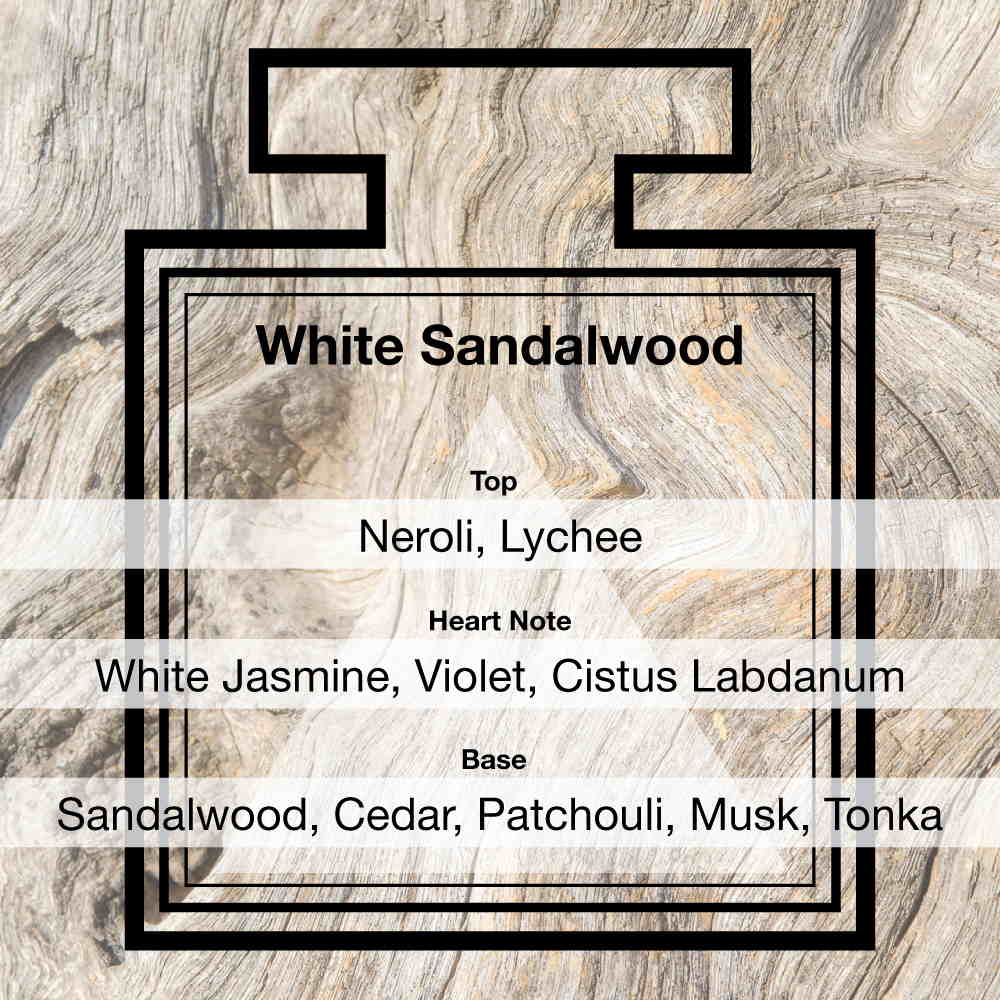
A Creamy Sandalwood blend featuring a hint of Chypre. It includes top notes of Neroli and Lychee, a floral heart of White Jasmine, Violet, and Cistus Labdanum, and a base of sun-bleached Cedar, Patchouli, Musk, and Tonka Bean.

Embracing the Timeless Allure of Cistus Labdanum
Cistus labdanum stands out as a rare perfume note that feels contemporary while deeply rooted in history. Its amber-like, smoky character is particularly fitting for the transition into spring, when we seek fragrances that are both smooth and comforting.
As a natural resin, the quality of cistus can vary based on the Mediterranean’s soil and sunlight. Perfumers must possess expertise in selecting the appropriate labdanum absolute to guarantee consistency. This raw material transcends mere scent; it serves as a bridge between the ancient practice of burning incense and the modern landscape of high-end perfumery.
Experience the enduring charm of cistus labdanum. Its smoky, amber warmth adds a unique dimension to every fragrance, making it an essential component of any fragrance collection. Allow this timeless note to enhance your sensory journey with its comforting depth and sophisticated elegance. Discover the art of scent that harmonizes tradition with contemporary refinement.
The post Cistus Labdanum Smell In Perfumery: Smoky Rockrose Amber appeared first on Pairfum London.
