


[ad_1]
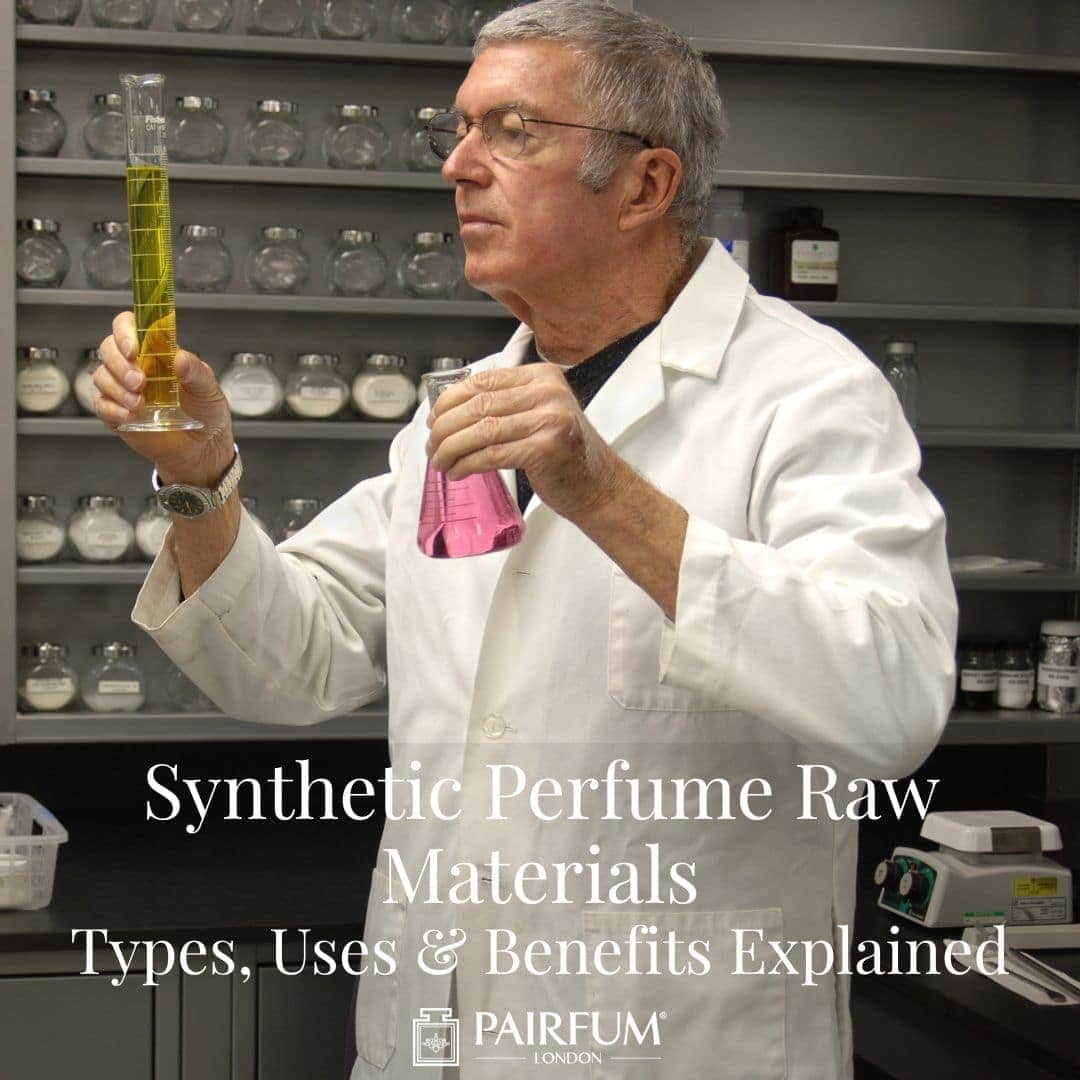
Synthetic Perfume Raw Materials are laboratory-created compounds essential to contemporary perfumery. These ingredients either mimic natural scents (known as nature-identical) or introduce innovative olfactory experiences. They provide unmatched consistency, durability, and sustainable alternatives to rare, animal-derived components.
In the past, the concept of using synthetic ingredients in perfumes might have been viewed as unconventional. the landscape has transformed dramatically. Today, synthetic perfume raw materials are fundamental in crafting modern fragrances, allowing for imaginative, safe, and reliable scent design.
These materials are not merely cost-effective alternatives. They play a crucial role in developing enduring and captivating perfumes that transcend the limitations of traditional floral and resinous notes. In niche perfumery, we often combine both natural and synthetic elements, resulting in fragrances that feel contemporary and deeply personal. Synthetic ingredients enable us to explore beyond conventional boundaries while respecting tradition.
Let’s delve into how synthetic ingredients are revolutionizing the art of perfume creation, perfectly timed with the vibrant and refreshing spirit of late spring.
What Are Synthetic Perfume Ingredients and Their Role?
Synthetic ingredients in perfumes are crafted through scientific methods rather than directly sourced from nature. This doesn’t imply they are inferior; instead, it allows us to design them purposefully to enhance every fragrance composition.
There are several categories within synthetic fragrance materials:
- Aroma chemicals: Individual molecules that emit distinct scents, such as the crispness of aldehydes or the smooth musk of ambrettolide.
- Natural isolates: These are components extracted from natural sources through precise laboratory techniques, like isolating coumarin from tonka beans.
- Nature-identical synthetics: Created in laboratories but with a chemical structure identical to their natural counterparts, such as ambroxide synthesized from sclareol found in clary sage essential oil.
- Non-natural synthetics: Unique molecules that do not exist in nature, developed through scientific reactions to create entirely new scent profiles.
We frequently utilize these materials for practical reasons:
- Stability: They maintain consistent performance, resisting rapid degradation from light or heat.
- Safety: Many allergens present in natural oils can be avoided.
- Ethics: Their use does not harm animals or endangered plant species.
- Flexibility: They offer the possibility to create aromas that do not exist in nature.
As perfumers, this diverse toolkit expands our creative potential. We do not view synthetics as shortcuts; rather, they are pathways to explore new and beautiful possibilities in fragrance creation.
The Importance of Synthetic Raw Materials in Contemporary Perfumery
While natural perfume materials are exceptional, they come with limitations. Factors like seasonality, climate conditions, and crop variations can affect their availability and quality. Some scents are derived from rare flowers or plants that are difficult to source or even endangered. Historically, prized materials such as Indian Mysore sandalwood have faced threats, prompting the fragrance industry to seek ethical alternatives.
Synthetic perfume raw materials provide significant advantages:
- They enable us to create reliably consistent perfumes, unaffected by seasonal changes.
- Using synthetic alternatives helps protect endangered plants.
- With fewer constraints, we can explore new creative ideas and combinations more freely.
Synthetic notes help define some of the most innovative offerings in niche fragrances. They can surprise, float, or illuminate in ways that natural ingredients sometimes cannot achieve. From the buttery richness of orris to the crisp freshness of ozonic air, we no longer have to limit ourselves to what nature provides.
This approach does not seek to replace nature but aims to balance tradition with the freedom to innovate.
Dispelling Misconceptions Surrounding Synthetic Perfumes
Many people erroneously equate synthetic with inferior or cheap. This perspective overlooks the true value of these ingredients.
Here are some common misconceptions:
- “Synthetic perfumes smell too harsh.” While poor formulations can lead to unpleasant scents, many high-quality fragrances rely heavily on synthetic notes for sophistication.
- “All-natural is always better.” Nature provides many wonderful elements, but it’s not always safe or stable. Some natural extracts can cause allergic reactions or lose potency quickly.
- “Synthetic perfume is a recent development.” In reality, numerous beloved fragrances from the past century have included synthetic materials. Iconic molecules like coumarin and vanillin began revolutionizing perfume production as early as the late 19th century.
Incorporating synthetic perfume raw materials does not render a fragrance lazy or insipid. Many classic and luxury scents depend on these ingredients. The key lies in how skillfully they are employed, not their origin.
Understanding the Science and Safety Behind Perfume Ingredients
For fragrance enthusiasts, grasping the chemistry behind perfume components can significantly enhance their appreciation. Traditionally, master perfumers relied heavily on natural raw materials, which were harvested using methods like steam distillation—where boiling water vapor extracts essential oils from plant material—or cold expression for citrus peels. Delicate petals were captured through volatile solvents or enfleurage techniques to obtain concentrated absolutes.
It’s important to acknowledge that pure nature can be unpredictable. It reacts and evolves.
Modern perfumery prioritizes high safety standards and transparency regarding ingredients. Each synthetic compound in use today undergoes rigorous testing. Organizations like the International Fragrance Association establish guidelines to ensure that every aromatic compound and perfume chemical is safe for skin application.
Unlike natural fragrances, synthetic scents do not degrade quickly when exposed to environmental conditions. This scientific approach also safeguards biodiversity. Synthetic musks have completely replaced genuine deer musk, serving as effective synthetic fixatives that prolong a scent’s longevity. Whether utilized in luxury perfume oils, delicate alcohol blends, or premium scented candles, these synthetic compounds maintain the integrity of the scent profile.
Innovating New Aromas Through Science and Creativity
One of the most exciting aspects of synthetic materials is the creative freedom they provide. They are not restricted to specific flowers or woods; they can be nuanced or striking, straightforward or complex. Landmark synthetic molecules have transformed the creative landscape. For instance, Iso E Super offers a transparent, radiant woody scent, while Ambrox delivers a warm, sensual finish. Musk Ketone adds a deeply sensual, powdery texture that enhances legendary formulations.
These ingredients empower us to craft abstract concepts instead of literal imitations. For example, a tea note in perfumery is often an abstract accord, blending natural components with synthetic options to capture the essence of tea without replicating a direct liquid extract.
Here are some of the imaginative notes we love to create:
- The fresh sensation of warm linen drying indoors.
- The crisp, mineral air following a spring rain.
- The toasted sweetness of lightly burnt caramel or coffee edges.
Creating such blends is challenging with natural oils alone. synthetic ingredients enable us to evoke these moods, particularly in seasonal collections. For spring and early summer, perfumes often need to convey lightness, cleanliness, or warmth without heaviness. Synthetics provide the lift, glide, and sparkling finish ideal for this time of year.
A Contemporary Approach: Merging Innovation with Tradition
In perfume creation, we do not choose between synthetic and natural; instead, we integrate both to maximize their benefits. Natural elements provide depth and richness, while synthetics add dimension and longevity.
This harmonious blend keeps the art of perfumery vibrant and exciting. It allows us to surprise our audience and create fragrances that feel unique. Whether crafting a beachy, skin-like note or a refreshing green airiness, synthetic ingredients give us control over the intricate details that shape a perfume’s overall character.
The fragrance industry has advanced through this hybrid methodology. Combining delicate natural ingredients with high-performance synthetic materials yields a more resilient product. Consistency is paramount in perfume production, and balancing these materials ensures that the fragrance you purchase today smells identical to the one you cherish tomorrow. In niche perfumery, where genuine expression matters, these choices are significant. Each drop serves a purpose, and every layer is intentional.
The Future of Fragrance: Layered and Bright
Synthetic materials enable us to do more than imitate nature; they allow us to design new forms of beauty. We can create perfumes that are safer, more ethical, and broader in appeal without sacrificing quality.
While we continue to appreciate natural ingredients, we are no longer constrained by rarity or cost when exploring fragrance possibilities. The thoughtful incorporation of synthetic perfume raw materials is a key factor in the ongoing evolution and enjoyment of perfume.
As spring unfolds with brighter days, now is the perfect time to enjoy fragrances infused with creative ingenuity. Understanding the elements behind the scent enhances the overall experience. The selection of fragrance raw materials is one of the most meaningful aspects of scent creation. By blending natural components with targeted synthetic fragrances and aroma chemicals, the art of perfumery reaches new heights. This ensures that every distinctive scent can be enjoyed sustainably for years to come.
Interested in Exploring All-Natural Fragrances with Pairfum London?
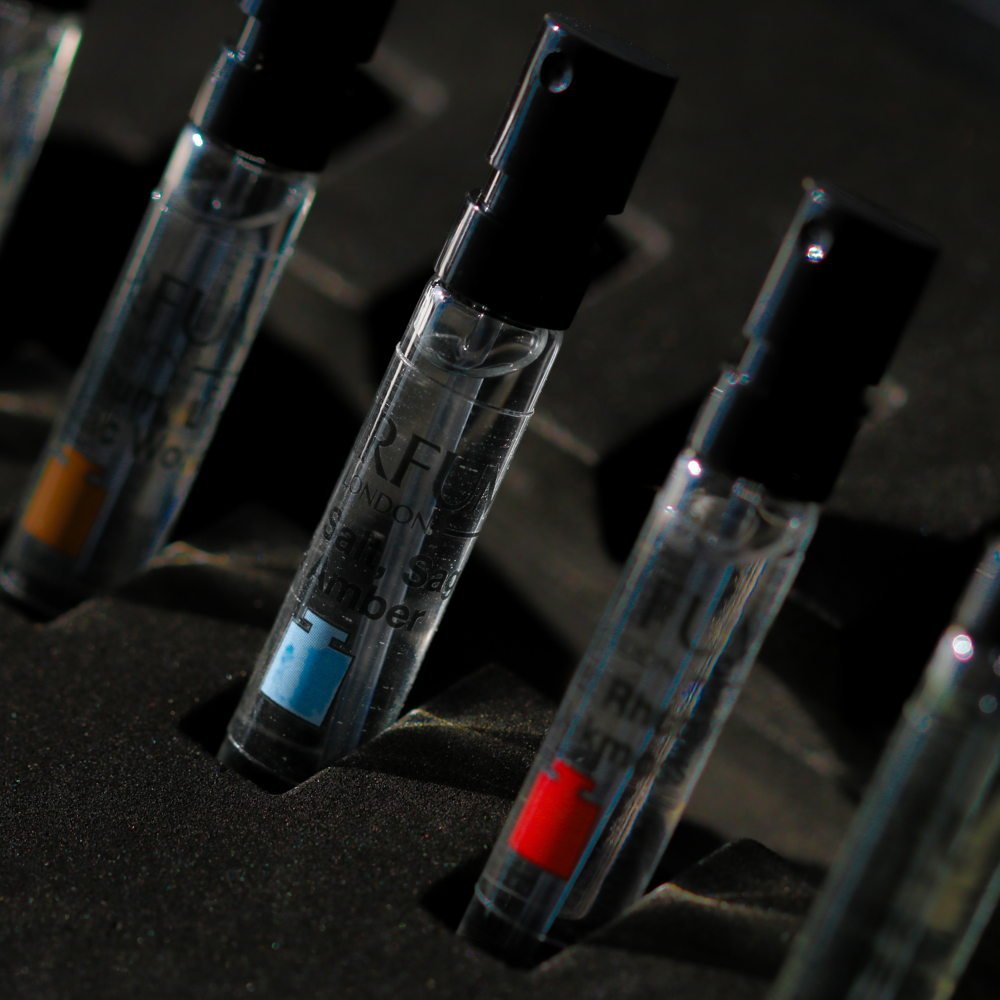
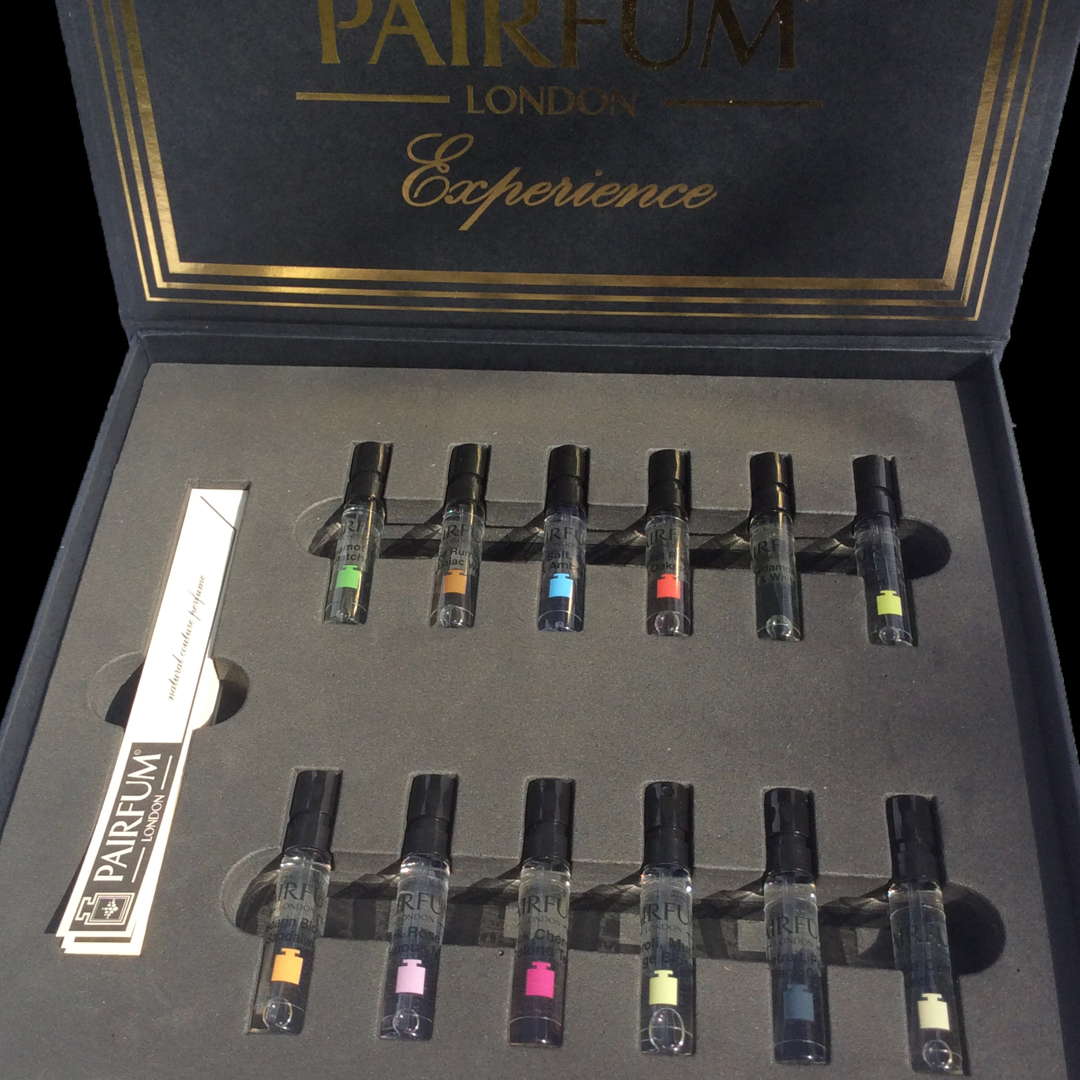
While science brings balance to the modern scent landscape, what if you prefer to focus exclusively on pure, natural ingredients? If you’re looking to bypass synthetic options and concentrate solely on botanicals, selecting a signature scent online can feel daunting. To simplify your journey, consider trying the Fragrance Library Perfume Experience Box Collection, a curated set featuring twelve natural, handcrafted niche perfumes.
Fragrance Library Perfume Experience Box by Pairfum London
Infused with authentic essential oils, these artisan creations are entirely vegan, cruelty-free, and eco-friendly. Instead of navigating a chaotic array of testers in a bustling department store, this discovery set lets you sample twelve distinct natural profiles in the serene comfort of your home, allowing your skin the time it needs to reveal how each genuine botanical layer unfolds.
The post Synthetic Perfume Raw Materials: Types, Uses & Benefits Explained appeared first on Pairfum London.
