


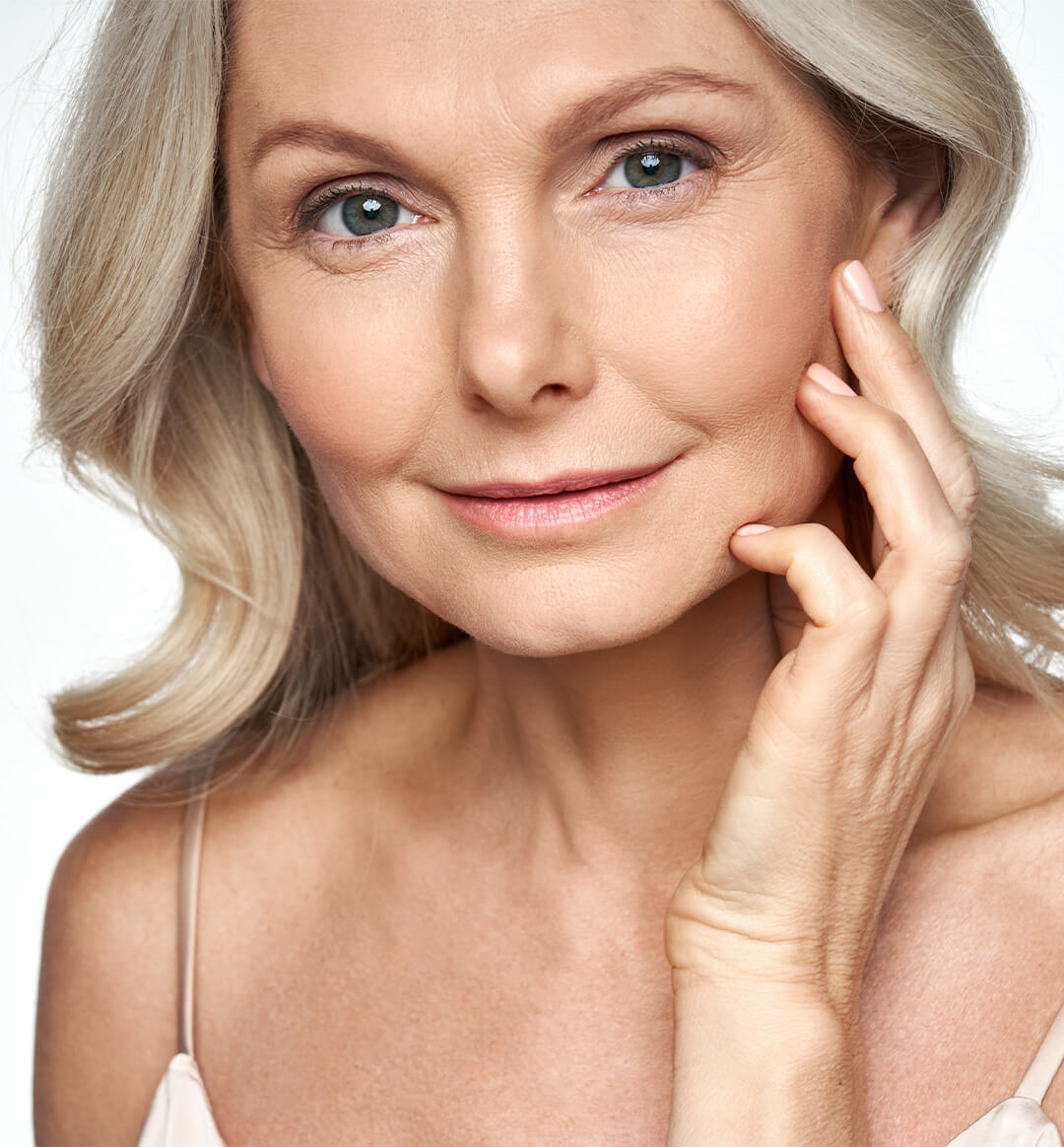
All too often, we’re told that aging is the worst thing that’ll ever happen to us. This narrative can be overwhelming, especially in a society that emphasizes youth and beauty. However, it’s crucial to shift this perspective and view aging as a natural part of life. Rather than fearing it, we should celebrate the journey of growing older, which brings with it wisdom, experience, and a unique beauty that can shine at any age.
In an appearance-driven society, it’s understandable if the thought of having “mature skin” makes you tense. But we’re here to remind you that aging is not a bad thing, and that you can look and feel beautiful at any age. Embracing our changing skin is empowering, as it allows us to redefine beauty standards and appreciate our individuality.
The natural transition to mature skin involves a variety of factors, many of which come down to time. Others are worsened (or completely caused) by lifestyle habits. We tend to categorize these forms of aging into two forms: natural aging and premature aging. Understanding these categories can help us make informed choices about our skincare and lifestyle, ultimately allowing us to embrace our skin’s natural progression.
Understanding the Natural Aging Process of Your Skin
Natural aging involves certain cells and tissues decreasing and dying over time, which is a natural biological process. For instance, collagen production slows down in everyone eventually, leading to changes in skin elasticity and firmness. Meanwhile, the number of pigment-containing cells in our body (a.k.a. melanocytes) decrease, which can lead to skin that appears more translucent and uneven in tone. These changes are normal, but they can also signal the importance of tailored skincare routines.
Additionally, the epidermal layer becomes thinner over time, blood vessels become more fragile, and sebaceous glands produce less oil as you age. This decrease in oil production can lead to dryness and a loss of luster in the skin. In the case of natural aging, there is no way to stop the process, but there are ways in which we can care for ourselves so that our skin can age gracefully and healthily, maintaining its vibrancy for years to come.

Identifying the Causes of Premature Aging and How to Combat Them
When we talk about premature aging, we’re discussing the aging caused by instances that disrupt the natural aging process. Of course, premature aging can mean that your skin already appears to age too early, but it can also have a significant impact on the way you look 20 years from now. This understanding emphasizes the importance of proactive skincare and lifestyle adjustments.
More often than not, these signs of premature aging are things we can prevent with mindful choices. Two of the biggest causes of premature aging are sun exposure and smoking, both of which can have devastating effects on the skin’s structure and appearance. Being aware of these factors empowers individuals to take proactive steps toward healthier skin.
We all know that smoking is bad for you. Not only can it do serious damage to your lungs, but tobacco smoke can also prematurely age the skin. Nicotine narrows the blood vessels, making it harder for oxygen and nutrients to travel through, while collagen and elastin production are severely disrupted. As a result, deep wrinkles can appear quickly, and skin can lose its youthful appearance much sooner than expected.
As for sun exposure, ultraviolet (UVA & UVB) rays cause what’s known as photodamage or photoaging. UVA rays penetrate all layers of the skin, risking damage to the collagen and elastin fibers, epidermal cells, and capillaries. UVB rays are especially intense and can cause photoaging and precancerous cells (actinic keratoses) to form on the epidermis. Understanding these dangers is vital for maintaining healthy skin and implementing protective measures.
Recognizing the Signs and Symptoms of Aging Skin to Take Action
Luckily, many signs of premature aging can be prevented with the right knowledge and tools!
As for sun exposure, don’t fret – you won’t have to say goodbye to sunshine! Instead, take the precautions of applying sunscreen, wearing hats and long sleeves, and sticking to the shade when possible. These simple steps can significantly reduce the risk of sun damage and help maintain your skin’s vitality.
With healthy habits and certain products, premature aging can be effectively prevented. But before we discuss strategy, let’s take a moment to see what aging looks like on our skin.
Understanding Hyperpigmentation and Its Causes
As our skin ages, we can develop what are known as “age spots” or “sun spots” on the face, hands, and forearms. These spots often occur due to prolonged sun exposure and are a common concern for many as they indicate skin damage.
However, that’s not the only form of hyperpigmentation; this issue can also develop along the chest in splotchy patches. This is generally due to inflammation caused by sun exposure and skin conditions like eczema. Staying informed about these conditions can aid in taking preventive steps.
Dealing with Dryness and Itching as Skin Ages
Over time, the skin has a harder time retaining moisture due to several factors: the skin becomes thinner, oil glands produce less frequently, and perspiration decreases. This decline in moisture can lead to discomfort and exacerbate other signs of aging, making it essential to prioritize hydration in your skincare routine.
Managing Wrinkles and Loose Skin for a Youthful Appearance
As mentioned earlier, collagen production in the skin goes down over time while elastin fibers break down. Because collagen and elastin play such a crucial role in the bounciness and elasticity of our skin, this can lead to loosening and sagging in the skin. Understanding these changes allows individuals to tailor their skincare approaches to combat these signs effectively.
Effective Strategies to Support and Nourish Aging and Mature Skin
In many societies, aging is often talked about as a time of life that should be dreaded – but this couldn’t be further from the truth!
Aging is something that’s worth embracing, and part of that is recognizing your skin’s needs as it changes. Here are a few ways to keep your skin looking (and feeling) its healthiest as you age gracefully.
Enhancing Collagen Support for Radiant Skin
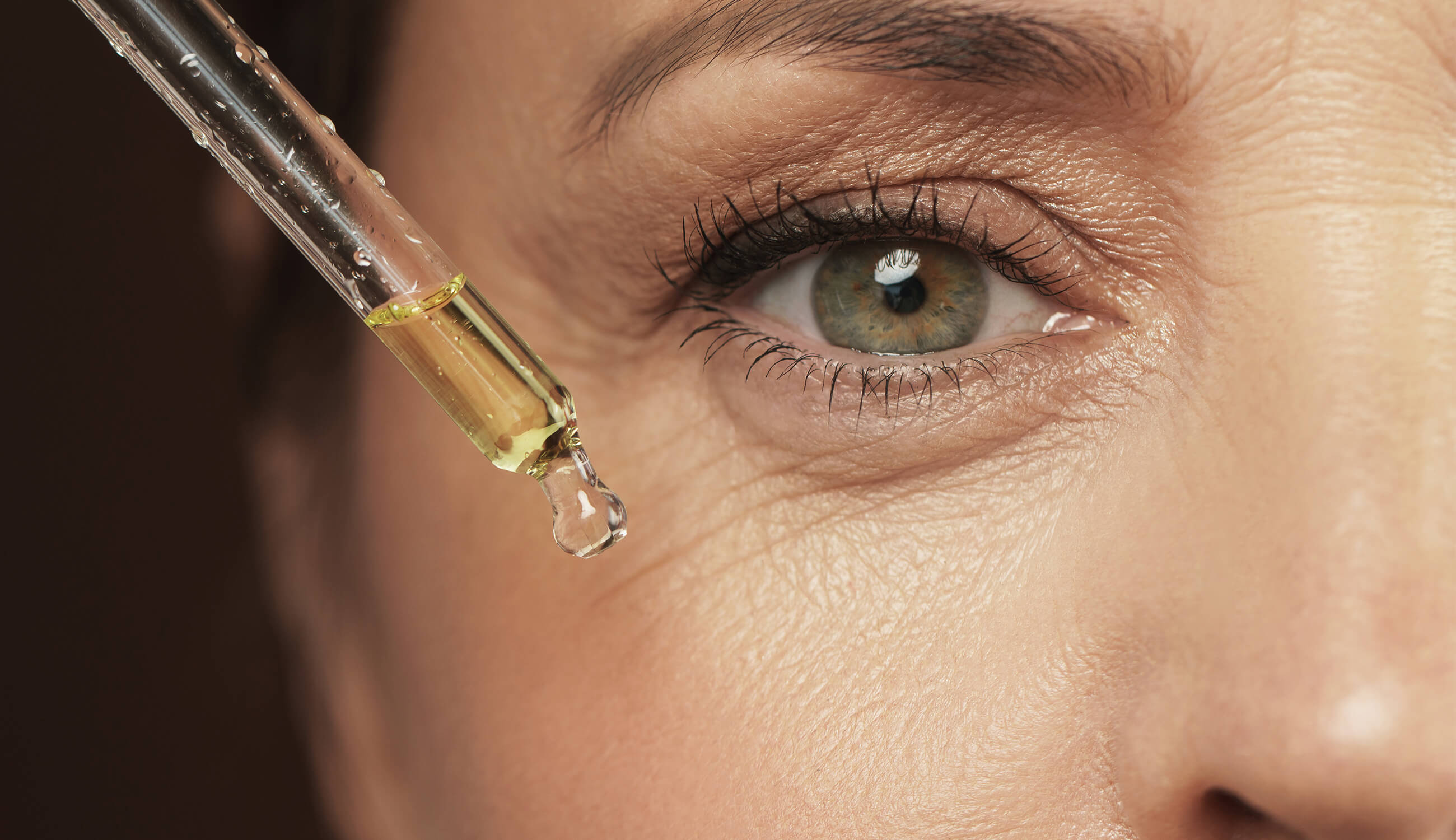
While a loss of collagen will happen to all of us, it is possible to buffer its effects. One of the best ways is by using a retinoid. Retinoids are stabilized forms of vitamin A, which is known to support collagen production and boost cell turnover, making it a favorite anti-aging ingredient among skincare enthusiasts.
Retinoids come in a variety of forms, from adapalene (a 0.1% retinoid gel) to prescription-strength tretinoin. But of all its forms, retinol is easily the most popular and is gentle on mature skin types, making it an excellent choice for those looking to revitalize their complexion.
We recommend a stable retinol product that won’t oxidize, and that’s why we love our Retinol Restorative Overnight Balm. This product uses vegan retinol to help renew skin texture and even out skin tone, promoting a youthful appearance.
Hydration Strategies for Maintaining Moisture in Aging Skin
Since your skin naturally loses moisture over time, it’s essential to ensure that your skin is getting regular moisture. Hydrated skin looks plump and youthful, which is why incorporating rich, nourishing moisturizers into your routine is vital.
Many women can benefit from these products, as they seriously trap in water longer and keep the skin hydrated. Even better, this can help pump up those loose, sagging areas along the face and neck, restoring a youthful contour.
Revamping Your SPF Routine for Optimal Protection
More than anything, the best anti-aging product you can use is a high-quality sunscreen. Sun damage may be the biggest cause of premature aging, but effective sunscreens can help minimize this damage, keeping your skin looking healthier in the long run.
However, not all sunscreen products are the same, and they don’t always work as effectively as they should. This is especially true for sensitive and mature skin types, which require special attention and formulations.
To ensure that your sunscreen will actually protect your skin, make sure to use an actual sunscreen like our Green Tea SPF 30 – not just a tinted moisturizer or foundation with SPF. While these can help your sunscreen, their SPF is often diluted, and you’d need to apply an excessive amount to achieve adequate protection.
The Evolving Anti-Aging Debate and Embracing Natural Beauty
As long as beauty and skin care have existed, so has our society’s obsession with anti-aging. This obsession can create unrealistic expectations and pressures for women to conform to narrow beauty standards.
Women are constantly faced with the pressure to look young, leading to intensive treatments like botox, fillers, and surgery. While there’s not necessarily anything wrong with these methods, it becomes a problem when women feel like they have to undergo them to be accepted by society as beautiful.
However, it seems that these views have begun to shift in recent years. As trends evolve towards ‘authentic’ skin, women are being encouraged to embrace their natural skin texture, which includes celebrating mature skin.
And with this new love for authenticity, the beauty industry is beginning to recognize aging as a natural process… no one can skip it! This paradigm shift allows for a more inclusive understanding of beauty at every age.
With this growing “pro-aging” mentality, it’s about seeing your wrinkles as reflections of your wisdom, experience, and successes in life. It’s not about looking 25 forever; it’s about accepting that whether you’re 37 or 75, you are entitled to your natural beauty and deserve to feel confident in your skin.
And yet, anti-aging products and pro-aging thinking can coexist harmoniously. Taking care of your skin isn’t about stopping the aging process; it’s about doing it with grace and intention. Ultimately, it’s about taking care of yourself and embracing the journey of aging with confidence!
