



[ad_1]
Aromatic fragrances have the unique ability to invigorate the senses, evoking the freshness of a gentle spring rain or the vibrant aroma of a sunlit herb garden. Typically rooted in herbs such as rosemary, lavender, thyme, or basil, these scents offer a crisp and refreshing experience. When combined with floral notes or soft woods, they create a harmonious balance that is not only easy to wear but also uplifting as the temperature rises. An aromatic perfume does more than just smell good; it enhances your mood.
Picture a cool May morning in North London, where the earth is damp, yet the scent of rosemary clinging to your jacket feels like pure magic. This evokes the essence of a truly captivating aromatic fragrance. When people are on the hunt for a new signature scent, they often delve into customer reviews to understand how a fragrance interacts with the skin. Aromatic scents consistently stand out due to their unisex appeal and remarkable clarity.
Selecting the right concentration is crucial in your exploration of this scent family. An eau de parfum offers a rich, lasting experience that can linger on your skin for hours. In contrast, an eau de toilette provides a light, refreshing burst that is perfect for a quick confidence boost on a busy morning.
Harnessing Herb Power: What Defines an Aromatic Fragrance?
Aromatic perfumes are distinguished by their herbal heart, setting them apart from conventional floral or citrus scents. This core often features a dry, peppery, or earthy essence. Aromatic fragrances blend crispness with a cozy undertone, making them versatile for various occasions. Ingredients like sage, thyme, rosemary, tarragon, basil, and lavender are common in these fragrance profiles.
The connection among these herbs lies not only in their scents but also in the invigorating freshness they provide. Sage introduces warmth and a hint of woodiness, while basil offers a vibrant, lively character. Rosemary contributes a brisk, cool note. These herbs are not sweet, allowing them to harmonize seamlessly with stronger or fruitier bases without overwhelming them. The herbal notes provide contrast, ensuring the overall scent remains vibrant and engaging.
Often found in natural perfumes, where authenticity is key, these herbs maintain a refreshing quality throughout the day. When blended effectively, they result in a thoughtful and wearable fragrance, ideal for late spring and summer evenings.
To enhance the botanical profile, perfumers frequently incorporate additional green elements. A hint of crushed mint leaves can impart a cooling sensation, while a twist of fresh lemon introduces an immediate burst of brightness. These vibrant herbs serve as a natural awakening for the senses, ensuring the blend remains lively and spirited.

Exploring the Historical Roots and Science Behind Aromatic Notes
The term aromatic carries significant meaning across various domains. In culinary arts, aromatics refer to the essential combination of vegetables, herbs, and spices sautéed in oil or butter to form a dish’s foundational flavor. Similarly, perfumers utilize these ingredients to create a robust, nature-inspired scent. This practice traces back to ancient civilizations in Egypt, Greece, and Rome, where plants like thyme and lavender were used in incense, infused into topical oils, and included in medicinal tonics.
These historical uses paved the way for the traditional fougère fragrance family, a French term meaning “fern.” Since ferns lack a natural scent, perfumers invented an imaginary forest aroma by blending a refreshing lavender heart with a sweet, hay-like base of tonka bean and earthy oakmoss. This concept is a remarkable feat of creativity.
The invigorating, almost medicinal quality of modern aromatic fragrances comes from natural organic compounds known as terpenes. For instance, camphor, found in sage and rosemary, imparts a crisp freshness that balances heavier compositions. Menthol, a member of the mint family, adds a cooling effect that brightens citrus notes. Eucalyptol, derived from eucalyptus leaves, enhances the fragrance’s airy clarity. Together, these elements provide aromatic scents with a rustic, slightly dry quality that distinguishes them from sweeter floral or heavier oriental fragrances.
Perfumers also consider subtle botanical variations to influence a fragrance’s mood. A prime example is the distinction between lavender and lavandin. While lavender offers a soft, sweet, and soothing aroma, lavandin, a hybrid plant, contains higher camphor levels, resulting in a sharper, more pungent scent ideal for dynamic, sporty compositions that demand immediate impact. Contemporary perfumers are even experimenting with unexpected green notes like tomato leaf or earthy cannabis, introducing a raw, modern twist.
The Role of Lemongrass in Perfumes: A Crisp, Lemony Herb Spark
Lemongrass is a popular choice in natural fragrances due to its bright, citrusy energy. It keeps compositions lively without crossing into the overpowering territory of lemon peel. Widely cultivated across Asia and Africa, lemongrass has long been valued in cooking and wellness, with its use in perfumery reflecting these same fresh, vibrant characteristics.
The oil is extracted through steam distillation, preserving its clean, lemony essence without veering into harsh or sour territory. The resulting oil feels light, green, and playfully refreshing.
In a fragrance, lemongrass often serves as a top or heart note, enhancing fruity blends or brightening woody bases. It pairs well with ginger, vetiver, or soft florals. On sunny spring days, a lemongrass-infused perfume feels like a gentle breeze—casual yet sophisticated. It embodies high quality and an unmistakable sense of clean living, making it easily adaptable from a daytime eau de toilette to a sultry evening eau de parfum.
Pomelo in Fragrance: A Bittersweet Citrus Burst
Pomelo may not be the first fruit that comes to mind in discussions of citrus, but it deserves recognition. Larger and milder than grapefruit, it possesses a sharpness that remains pleasant and never sour, striking a harmonious balance between sweet and tart. In perfumery, pomelo offers a robust citrus aroma that is perfectly suited for skin contact.
Oil from the thick rind of pomelo is extracted through cold-pressing, which retains the fruit’s bright essence. Typically, pomelo appears as a top note in fragrances designed for warm weather. When combined with green herbs and fresh musks, pomelo transcends simple citrus, adding complexity and depth.
Aromatic perfumes can utilize pomelo to soften sharper green notes or introduce brightness at the fragrance’s outset. Pomelo’s character appeals to those who appreciate complexity and layering in their scents, rather than a singular aroma that dissipates quickly.
Heliotrope in Perfumery: The Softness of Almond Powder
Heliotrope is a subtle flower that leaves a sweet, lingering impression. Its aroma is mild, powdery, and slightly sweet, often evoking memories of almonds or soft vanilla. Heliotrope is adept at smoothing out harsher notes and calming sharper aromas. It frequently resides at the heart of fragrances, uniting green herbs, delicate florals, or warm base notes.
Originally from South America, heliotrope flourishes in warm climates, but its oil is challenging to extract. Most of its use in perfumery comes from advanced headspace technology or carefully crafted synthetic substitutes, as the flower yields limited oil naturally.
In aromatic perfumes, heliotrope embodies comfort. It maintains the freshness of herbal notes while ensuring a smooth finish. It often pairs with lavender or gentle spices, enhancing the overall impression without sacrificing the fresh essence. When combined with rich vanilla and a hint of warm amber, heliotrope creates a bridge between botanical freshness and gourmand richness, transforming a simple aromatic scent into a sophisticated, multi-layered experience.
Toffee in Fragrance: Indulging in Buttery Caramel
Toffee may seem an unexpected ingredient in aromatic perfumes, but it adds an exciting depth. Warm, creamy, and subtly sweet, toffee provides contrast and richness. The aroma is crafted in a studio to achieve the perfect balance with accompanying notes.
Toffee is notable for its comforting qualities—rich and inviting. In cooler months, it envelops you; during spring or summer, it adds a touch of smoothness, ensuring that fresher compositions do not feel overly sharp or raw.
In aromatic fragrances, toffee acts like a spoonful of sugar in herbal tea, rounding out the overall profile and preventing intensity from overwhelming the blend. When combined with woods, tonka, or luscious fruits, it leaves a gentle, lingering finish on the skin that remains soft and inviting.

Mastering the Art of Balance in Aromatic Fragrance Creation
Crafting exceptional aromatic fragrances requires a profound understanding of how raw botanical materials interact over time. Skilled perfumers rely on pure essential oils to build a solid natural foundation. These potent plant extracts ensure that the scents of lavender, sage, and basil remain true to their wild origins, offering an authentic connection to nature that synthetic alternatives often fail to achieve.
To create a captivating and well-rounded aromatic fragrance, sharp herbs need to be anchored by a reliable base. This is where rich, woody accords become essential. Notes like cedarwood, vetiver, and smoky amber provide a sturdy foundation that prevents volatile top notes from dissipating too quickly. When these earthy tones are layered with delicate white flowers such as traditional jasmine or the exotic creaminess of ylang ylang, the composition gains enchanting depth. This floral contrast prevents the herbal notes from feeling overly masculine or medicinal, resulting in a beautifully balanced unisex appeal.
The final layer of sophistication often comes from a subtle touch of musk. A clean, velvety musk acts as a fixative, binding the fresh herbs, bright pomelo, and deep woods together. This ensures the fragrance leaves a lasting impression as it evolves throughout the day, transitioning smoothly from a bright herbal burst to a warm, comforting skin scent.
Incorporating Scent into Your Lifestyle: Gifting and Daily Use
Aromatic fragrances offer incredible versatility, making them perfect gifts. When considering fragrance gift sets for a special woman, opting for a crisp, herbaceous eau de parfum instead of overly sweet florals can be a refreshing choice. These clean, invigorating blends are highly adaptable, appealing to anyone who enjoys the essence of nature.
The appeal of this fragrance family extends beyond traditional application points. The modern beauty industry has embraced these clean, botanical profiles across various self-care products. High-end hair sprays, protective hair masks, and coordinating hair accessories often come infused with subtle hints of lavender, mint, and basil. This allows you to lightly mist your hair for a gentle fragrance release with every movement.
Even everyday makeup items like high-shine lip gloss sometimes feature scents like vanilla or refreshing mint to complement your overall style. For a more concentrated and intimate experience, applying a rich perfume oil directly to the skin allows the herbs and spices to warm up gradually, creating a gentle, personal fragrance cloud that lingers from dawn to dusk.
Tracing the Evolution: From Clinique Aromatics to Contemporary Blends
To appreciate the power of this scent family, one must examine the classics that shaped its identity. For decades, Clinique Aromatics Elixir has stood as the benchmark for bold, earthy aromatics. Launched as a striking eau de parfum, this iconic creation demonstrated the potency of unyielding herbs and mosses, remaining a revered masterpiece for those who appreciate high-quality, uncompromising perfumery.
The allure of the original Clinique Aromatics formulation lies in its complex structure. It is an intense aromatic elixir that defies conventional trends. The fragrance opens with a sharp burst of green, supported by a rich, earthy base of patchouli and smoky incense. This deep, resinous foundation is counterbalanced by the sharp elegance of geranium, a floral note that echoes the crispness of rose while offering a distinctly green, minty nuance.
For a lighter, more contemporary approach to these notes, many enthusiasts now seek eau de toilette options or gentle body mists.
Celebrating Iconic Aromatic Fragrances
Aromatics Elixir by Clinique: A bold, dry classic featuring intense patchouli, oakmoss, sage, and crisp geranium.
Fougère Royale by Houbigant: The historic pioneer from 1882 that established the forest-like blend of lavender, herbs, and oakmoss.
Green Irish Tweed by Creed: A refreshing countryside fragrance that combines sharp lemon and green violet leaves with a smooth ambergris base.
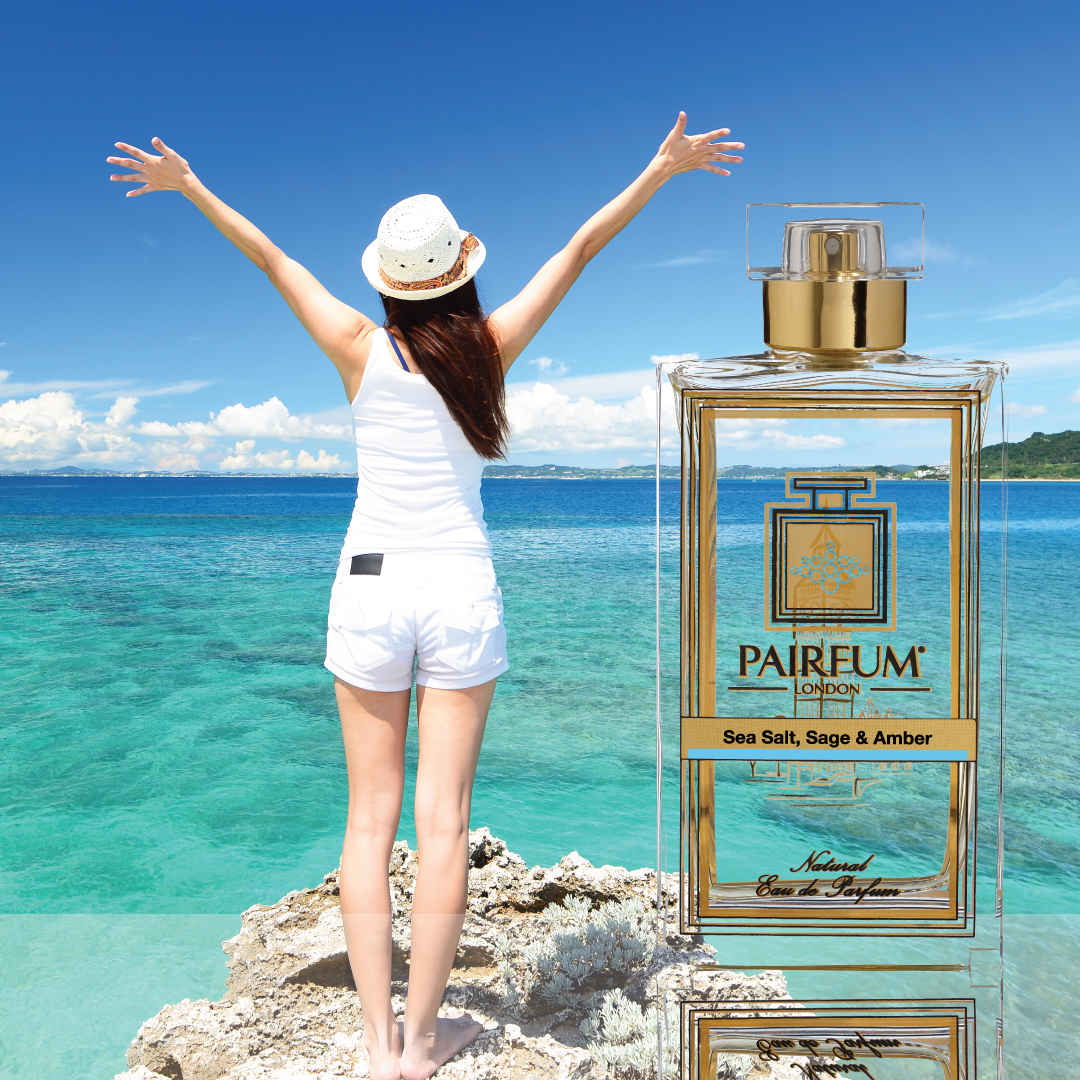
Sea Salt, Sage & Amber – Eau de Parfum by Pairfum London
This fragrance offers a wonderfully fresh and sophisticated blend, where Sage & Grapefruit are enhanced by hints of refreshing Bergamot and Tangerine top notes. The invigorating heart is enlivened with nuances of Seaweed, a fresh sea breeze, Sea Salt, and Kelp, which all smooth out into a base of Musk, Amber, and Cedarwood.
Ginger, Elemi & Vetiver – Eau de Parfum by Pairfum London
This fragrance presents a surprising fusion of spices and freshness, opening with notes of Bergamot, Grapefruit, and a hint of Lavender, combined with spicy notes of Ginger, Elemi, Nutmeg, and Cinnamon. The heart is enlivened by Geranium, Rose, Freesia, Gardenia, Jasmine, and Orange Blossom, along with fruity hints of Coconut and Raspberry. A rich base of Vetiver, Guaiacwood, Cedar, Amber, Cashmere Musks, Vanilla, and Moss supports this composition.

Embracing the Essence of Aromatic Fragrances:
An aromatic perfume embodies balance, featuring fresh herbs, juicy fruits, and gentle sweetness. The finest blends harmonize herbs like basil or rosemary with bright notes of pomelo or lemongrass, finishing with soft heliotrope or rich toffee. You don’t need to limit yourself to a single style; a well-crafted aromatic blend allows you to enjoy the best of all worlds.
The post What is Aromatic Perfume? Herb-Driven Freshness with Character appeared first on Pairfum London.
