


[ad_1]
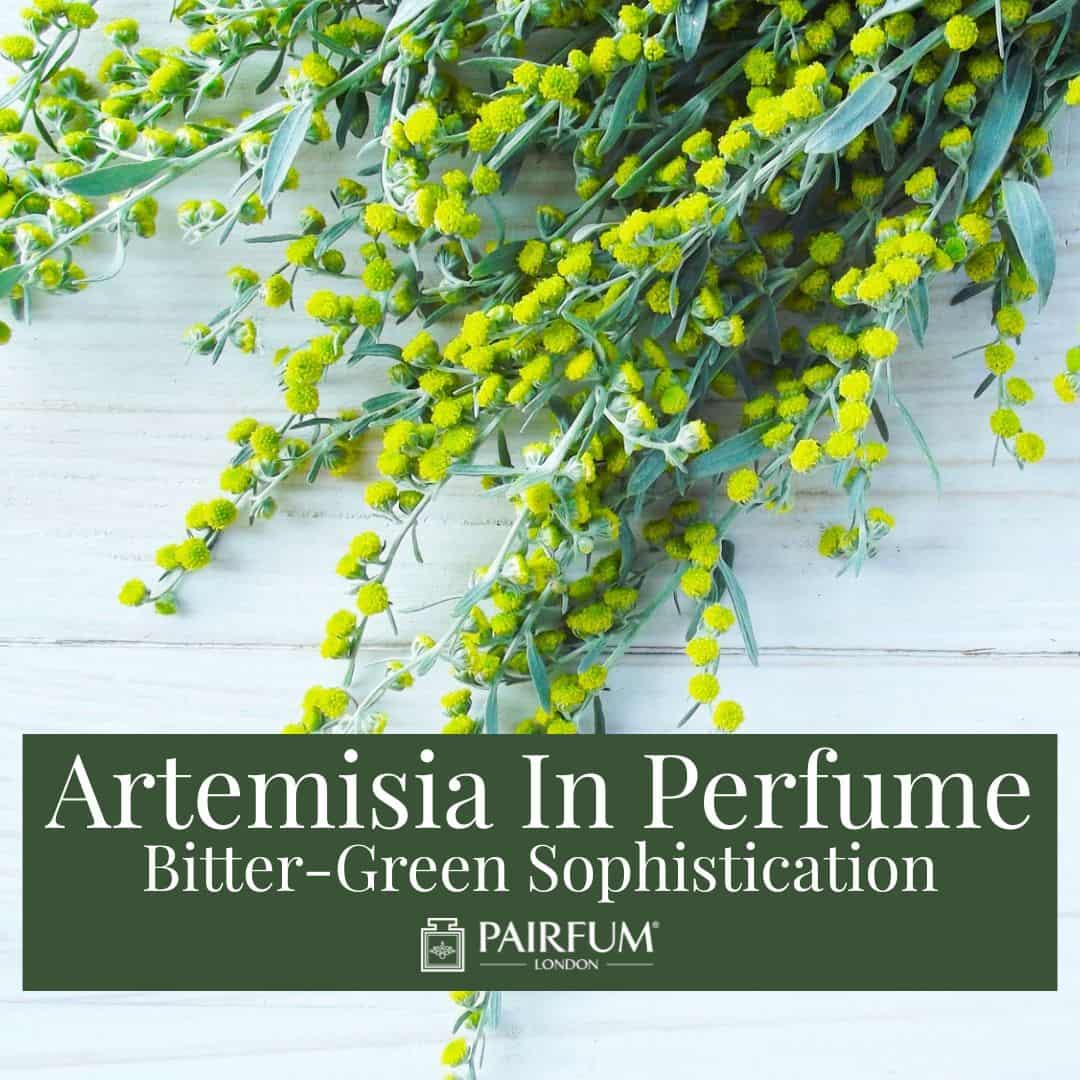
Artemisia in perfumes offers a distinctive, bitter, herbaceous, and green aroma—typically sourced from wormwood or mugwort. This captivating scent introduces depth, complexity, and a subtle medicinal quality. It frequently features in fougère and chypre fragrance styles, balancing floral and woody notes while sometimes serving as a natural fixative. Renowned scents like Penhaligon’s Artemisia (a sweet floral), Maison Crivelli’s Absinthe Boréale, and Pairfum London’s White Lavender exemplify its versatility, ranging from sharp, bitter-green nuances to soft, vanilla-infused finishes.
Artemisia imparts a quiet strength to fragrances, subtly impactful without being overwhelming. Its earthy, bitter-green profile contributes a unique character that lingers in the background, enhancing floral and woody compositions. Its presence may not always be immediately noticeable, yet it vibrantly elevates other notes. This flowering plant genus, scientifically classified as Artemisia, belongs to the Asteraceae family and is valued for its aromatic leaves.
During winter months, we often gravitate towards scents that provide warmth, something grounded yet refreshing. The bitter-green snap of Artemisia captures this essence perfectly. In this article, we will explore its emergence as a subtle hero in perfumery, its origins, and why it is a smart choice for the colder season. For those eager to discover the world of scent, understanding this plant serves as an excellent entry point into appreciating complex, artisan perfumery.
The Origins of Artemisia
Artemisia is part of a diverse group of resilient herbs that flourish across Europe and Asia. You may be familiar with some varieties, such as wormwood or tarragon. Long before its incorporation into fragrances, Artemisia was utilized in herbal teas, folk remedies, and culinary enhancements. Its robust taste and aroma were celebrated for their cleansing and cooling properties. The name itself is steeped in historical significance, often associated with the Greek goddess Artemis, the huntress credited with recognizing the plant’s many benefits.
As time progressed, those same qualities endeared it to herbal and aromatic perfumers. Its fresh, slightly bitter profile cleverly cuts through heavy or excessively sweet blends. Artemisia is never merely green; there is a dry, crisp quality reminiscent of crushed leaves or sun-warmed herbs. Many perennial species within this family are recognized for their silvery leaves, adding a shimmering aesthetic to gardens long before they are harvested for essential oils.
The various species in the Artemisia family offer a broad spectrum of traditional applications. Some are cultivated for their strong medicinal properties, while others are valued for their adaptability in culinary and cultural practices. In numerous cultures, Artemisia is intertwined with rituals and seasonal celebrations, enhancing its association with cleansing and renewal. Despite its lengthy history of practical uses, it is the aromatic appeal of Artemisia that eventually attracted the attention of perfumers.
A Rich Heritage of Folklore and Medicinal Use
The roots of Artemisia are deeply embedded in folklore. Historically, Artemisia vulgaris, commonly known as mugwort, was utilized for protection and healing. Beyond its application for intestinal worms, this genus yielded a significant medical advancement: artemisinin, extracted from Artemisia annua, which plays a crucial role in malaria treatment. The plant is also renowned for producing the bitter thujone found in absinthe, as well as contributing a botanical depth to vermouth, where absinthium imparts a sophisticated, dry finish.
Cultural and Historical Importance of Artemisia
Artemisia’s role in herbal medicine is extensive. One of its most notable applications is its use against intestinal worms, which inspired the common name ‘wormwood’. In the realm of spirits, it holds a prominent place as the primary ingredient in absinthe, the potent green drink favored by 19th-century artists. The chemical thujone found in Artemisia was once believed to induce hallucinations, though modern research indicates that the high alcohol content was more likely responsible.
Artemisia is integral to vermouth production, where its bitterness balances the wine’s sweetness. Traditionally, Artemisia vulgaris, or common mugwort, was hung over doorways to ward off malevolent spirits or rubbed on the skin for traveler protection. Whether harvested for its roots, rhizomes, or seeds, this plant has consistently been a companion to human civilization.
The Role of Artemisia in Perfumery
In perfumery, Artemisia rarely occupies the spotlight, yet it significantly shapes the overall composition. It typically manifests as a top or middle note, initiating a fragrance with a sharp, invigorating edge before gradually blending into the background.
- It introduces a bitter-green note that refreshes floral or woody fragrances.
- Incorporated early in the perfume structure to establish a crisp, herbal tone.
- Compatible with masculine styles while also suiting unisex and green-themed fragrances.
When combined with sweet florals, Artemisia creates an energetic tension. In contrast to darker notes like leather, resin, or oakmoss, it introduces a lightness and clarity. This ingredient often exceeds initial expectations. The plant varieties may differ, yet their impact in a fragrance remains consistently sophisticated.
The adaptability of Artemisia means it fits seamlessly into both classic fragrance structures and modern, innovative creations. Its bitter-green edge is highly regarded for cutting through potential heaviness and imparting an overall clean, natural impression. It elevates perfumes that may otherwise seem flat or overly sweet. When used judiciously, Artemisia serves as a bridge between contrasting notes, ensuring harmonious interplay within the fragrance.
As a result, Artemisia’s distinctive bitterness enriches perfume formulations with complexity and contrast. Its effect, though often subtle, is significant: floral arrangements appear airier and more vibrant, while woody scents gain a leafy quality. Even in minimal quantities, Artemisia shapes the fragrance’s overall tone, leaving a clean and memorable impression.
Exploring Different Types of Artemisia and Their Aromatic Profiles
The Artemisia family includes numerous species, but a select few have gained recognition in perfumery for their unique characteristics.
- Artemisia absinthium (wormwood): Known for its bitter, dry, and almost smoky aroma. Frequently found in masculine colognes, this herbaceous perennial is most renowned for its role in absinthe.
- Artemisia dracunculus (tarragon): Offers a more aromatic and slightly sweet scent, contributing roundness to herbal blends.
- Artemisia vulgaris (mugwort): Provides an earthy, slightly camphorous aroma.
- Artemisia annua: Commonly referred to as sweet wormwood, it is the source of artemisinin, a compound essential for malaria treatment.
Some Artemisia varieties exhibit fresh and cool aromas, while others possess deeper, slightly medicinal qualities. You may encounter both clean and dusty undertones, making it remarkably versatile. Whether the intention is to evoke sharpness or warmth, there is likely an Artemisia variety to complement the desired effect. For example, Artemisia Powis Castle is a popular hybrid appreciated for its garden appeal and evergreen qualities in warmer climates, though it is often utilized more for its silvery foliage than for scent extraction.
It is also worth noting that even within the same species, the aroma profile can vary significantly based on growing conditions and cultivation methods. Factors such as soil type, climate, and harvest timing all influence the final scent extracted from the plant. This natural variability allows perfumers to select specific Artemisia versions tailored for their creations, whether emphasizing bitterness, herbal qualities, or even a subtle sweetness. Through careful sourcing and blending, the diverse personalities of Artemisia can be refined, adding depth and nuance to the fragrance landscape.
Cultivating Artemisia in Your Garden
Gardeners appreciate Artemisia not only for its aesthetic appeal but also for its silvery foliage. Many species are perennials that thrive as evergreen shrubs, such as the hybrid Artemisia Powis Castle. These resilient plants flourish in sun-drenched rock gardens or containers, provided that the soil is well-draining and not overly moist. While Artemisia vulgaris spreads through rhizomes, most varieties require minimal maintenance and are drought-tolerant additions to any landscape.
Tips for Growing Artemisia at Home
For those interested in cultivating Artemisia, the experience can be quite rewarding. These plants are generally perennials, ranging from small herbs to sizable shrubs. Most varieties prefer full sunlight over shade and thrive in well-drained soil. While they can tolerate clay, they perform best when the soil isn’t excessively moist, as their roots are susceptible to rot in standing water.
When in bloom, the flower heads tend to be small and not particularly eye-catching. They often exhibit muted yellow or white hues, as the plant is primarily cultivated for its foliage. Many varieties are well-suited for rock gardens or containers on patios. Whether known as sagebrush in the American West or mugwort in British meadows, these common names highlight a family of plants that are resilient and aromatic.
The Fascinating Botany of Artemisia
Botanically, this herbaceous perennial is intriguing. When in bloom, it produces subtle flower heads rather than vibrant flower colors. The true allure lies in its aromatic foliage. Whether referred to as common mugwort, sage, or sagebrush, the leaves release a potent essential oil when crushed. This ‘herba’ employs its unique color and hair-like structures to protect its seeds from excessive heat. For those curious about botany, this flowering plant represents a remarkable fusion of survival and fragrance.

The Extraction Process of Artemisia
The most prevalent method for capturing Artemisia’s essence is steam distillation. This technique yields a concentrated oil that retains its leafy, bitter character. Distillers must exercise care, as the green notes of Artemisia can alter rapidly when subjected to excessive heat or pressure. During the flowering phase, the top leaves and flower heads are harvested for optimal yield.
Natural Artemisia oil remains highly sought after by perfumers seeking authenticity in their creations. Although synthetic alternatives exist, the genuine article often presents a rounder, more organic scent, featuring soft edges and delicate variations. Its earthy, plant-like nature is particularly effective in natural-style perfumes. Whether it’s Artemisia absinthium or another vulgaris variant, the quality of the oil is of utmost importance.
Given the sensitivity of the raw material to processing, the expertise applied in distillation significantly impacts the quality of the final product. Only meticulous distillation practices will preserve the most delicate green nuances of Artemisia oil, ensuring that its full aromatic range is accessible to perfumers. This careful equilibrium between capturing intensity and maintaining subtle notes is a defining characteristic of premium natural ingredients in perfumery. The natural variations from each distillation batch also add to the unique artistry of small-batch and artisanal fragrance creation.
Iconic Fragrances Featuring Artemisia
Artemisia boasts a rich history in classic perfumery, particularly within green chypres and vintage fougères. Many of these fragrances utilize Artemisia at the outset, lending elegant bitterness to their floral and woody notes. The color of these scents often evokes the deep greens of a forest or the silvery greys of sage.
In niche fragrances, Artemisia sometimes takes center stage. You will discover it intertwined with vetiver, moss, or lavender, creating green perfumes that exude a dry, clean, and grounded essence. Tarragon and sage are frequently paired with it to enhance the aromatic, culinary qualities of the scent.
Artemisia has also found a place in contemporary natural perfumes. Subtle notes now appear in lighter compositions alongside citrus and soft florals, demonstrating the aroma’s versatility when applied thoughtfully. Even under the spelling Artemisia, it continues to be a staple in perfumers’ collections.
Notable Artemisia Fragrances
Artemisia by Penhaligon’s
Named after the Greek goddess of the hunt, this is arguably the most renowned fragrance dedicated to the note. It presents a silky, powdery floral profile, utilizing Artemisia to initiate a crisp green opening that transitions into a creamy heart of jasmine, violet, and vanilla.
Fou d’Absinthe by L’Artisan Parfumeur
This fragrance pays homage to the rebellious spirit of absinthe. It employs Artemisia absinthium (wormwood) to evoke a cold, invigorating sensation reminiscent of the spirit’s “bite.” This dry, aromatic masterpiece expertly balances the herb’s bitterness with spicy elements of star anise and pine needles.
Fir & Artemisia by Jo Malone London
A contemporary and seasonal offering, this scent highlights the “bitter-green sophistication” mentioned in your blog. It combines the herbaceous freshness of Artemisia with the resinous, woody depth of fir needles, exemplifying how the plant contributes to a clean, evocative winter fragrance.

Incorporating Artemisia’s Top Notes with Pairfum London
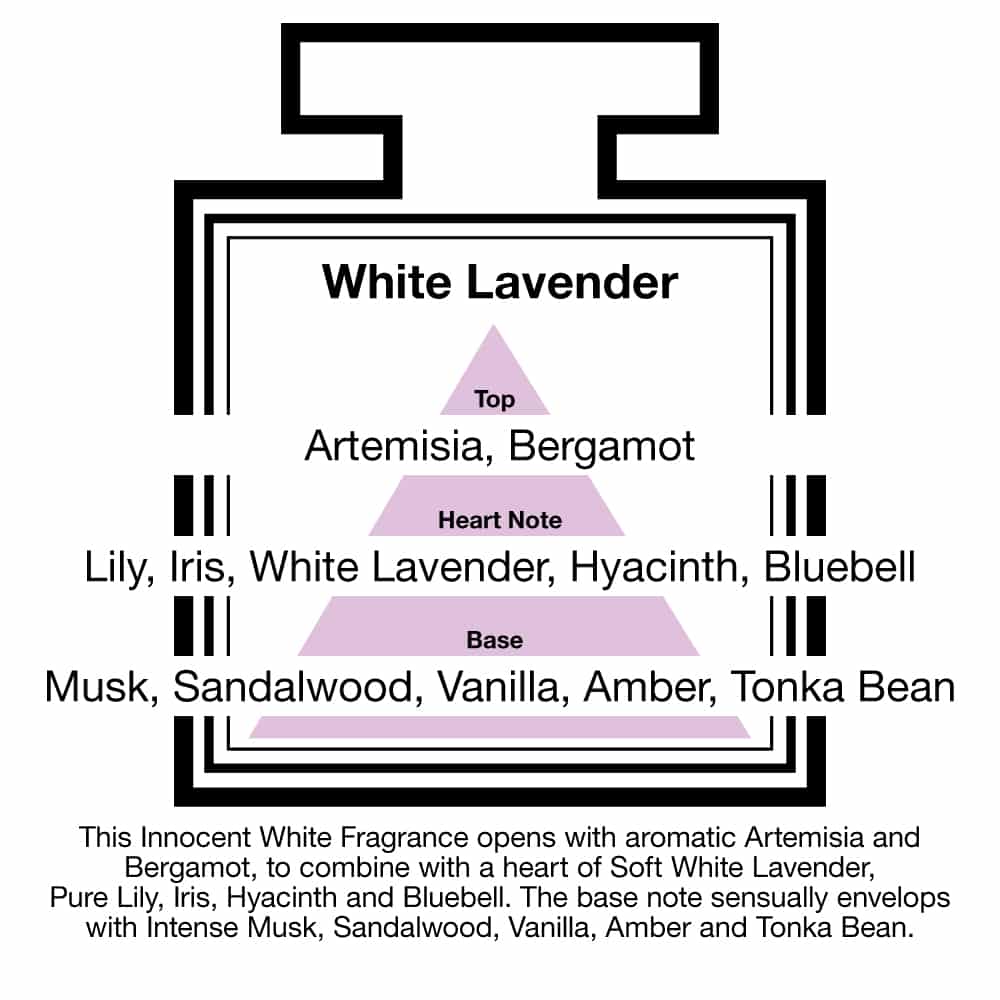
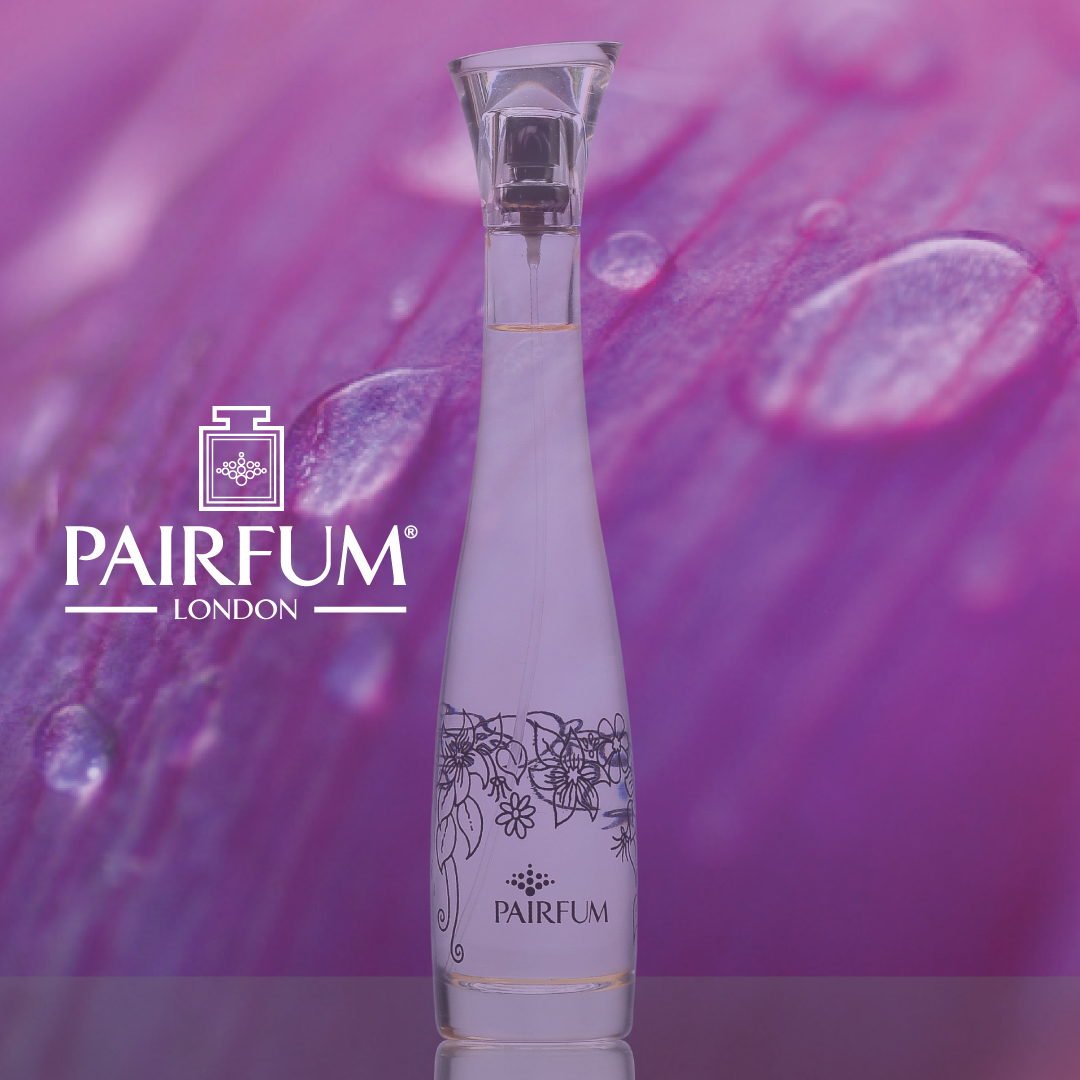
For those looking to infuse their living spaces with the sophisticated, bitter-green aromas of nature, the Flacon – Perfume Room Spray offers an exquisite way to experience these complex scents at home. Among the collection, the White Lavender fragrance stands out as an excellent choice for fans of this botanical family, beautifully melding aromatic Artemisia with gentle lily and herbal lavender. Unlike typical aerosol sprays, this natural couture room spray utilizes a high concentration of essential oils and biodegradable alcohol to produce a fine mist that disperses evenly, ensuring your home is enveloped in a refined, lingering scent.
White Lavender – Flacon Perfume Room Spray by Pairfum London
This pristine, white fragrance opens with the invigorating clarity of aromatic Artemisia and bergamot, seamlessly blending into a heart of soft white lavender, pure lily, iris, hyacinth, and bluebell. The base notes then gracefully envelop the wearer with a fusion of intense musk, sandalwood, vanilla, amber, and tonka bean.
Artemisia: A Plant That Subtly Shines
Artemisia may not be loud, but it certainly leaves an impression. It weaves through a perfume with sharpness and clarity, helping to balance sweeter, smokier, or denser notes. Its bitter-green edge is particularly suited for colder seasons, offering a cool yet familiar scent when softer florals feel out of place. From the wild common mugwort to cultivated evergreen shrubs in a designer garden, this plant family remains indispensable.
For those who appreciate fragrances with depth and freshness, Artemisia deserves attention. Whether you are fascinated by its history in absinthe, its medicinal applications, or its striking silvery leaves, it contributes significantly to the narrative within each bottle. Such a quietly compelling character never goes out of style.
The post Artemisia In Perfumes: Bitter-Green Sophistication appeared first on Pairfum London.