


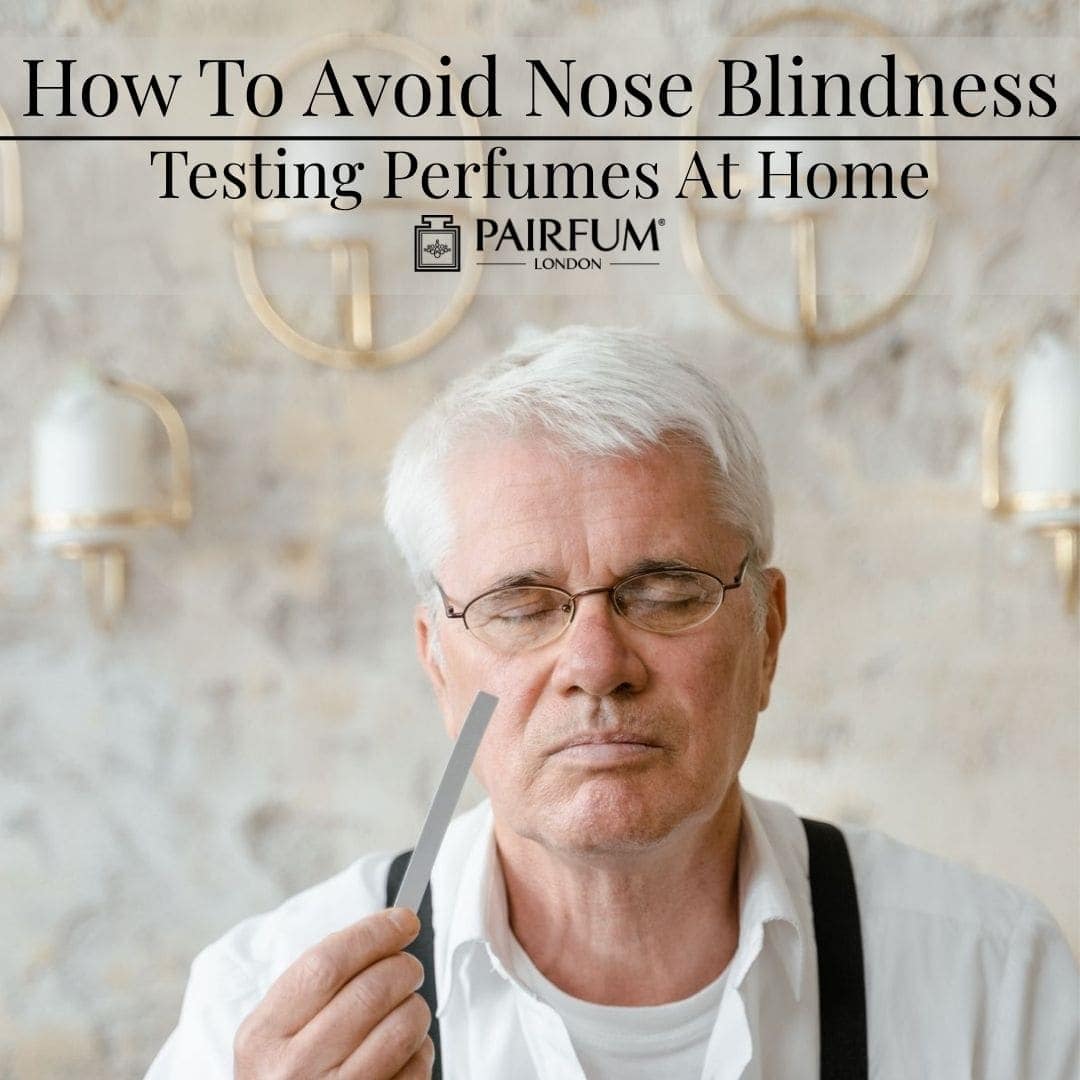
Nose blindness, medically referred to as ‘olfactory fatigue’, occurs when your sense of smell becomes overwhelmed and temporarily shuts down. If you spritz four or five different scents onto a testing strip in a short span, your nose quickly becomes overloaded. The unique fragrances blend into a vague, indistinct haze. This phenomenon happens to everyone who tests multiple fragrances in quick succession. While experiencing nose blindness is entirely natural, it complicates the process of selecting a perfume.
Continuing to test fragrances beyond this point can lead to poor choices. The distinct notes become muddled together. You may purchase a full bottle of perfume only to return home and realize it doesn’t suit your skin at all. Sampling should be an enjoyable experience. By taking your time, you help maintain your olfactory sharpness, keeping your sense of smell clear and avoiding nose blindness.
Comprehend the Interaction Between Your Nose and Brain in Scent Perception
When you spritz perfume, millions of microscopic particles are released into the air. Each fragrance creates a cloud of invisible odor molecules that travel up to your nose, landing on tiny olfactory receptors situated within the olfactory epithelium. Each receptor is designed to respond to specific molecular shapes, sending rapid electrical signals directly to the brain.
The brain processes and filters out routine sensory data. This biological mechanism serves a survival purpose, helping you to stay alert for potential threats. When you encounter a consistent smell, such as the scent of a home diffuser or a signature perfume, your brain begins to mute it. This explains why you may stop noticing a fragrance after about twenty minutes, even when those around you compliment it. During an intense fragrance testing session, this process accelerates significantly. The sudden influx of scents leads to sensory overload, making it difficult to distinguish one fragrance from another.
At home, a slower version of this phenomenon occurs when you become nose blind to a familiar scent. Different situations call for different solutions. If you experience sudden overload, take immediate action to reset your senses. For long-term nose blindness, consider spending a day or two away from that specific fragrance. The complex natural compositions of scents can change over time, and rushing through the sampling process can ruin the experience and trigger nose blindness.
Explore the Science Behind Olfactory Adaptation and Sensory Overload
The human sense of smell is ancient and sophisticated. Sensory adaptation occurs in all human senses, but olfactory adaptation is particularly rapid. Within seconds, specialized olfactory receptors begin to bind to scent molecules in the air. These receptors transmit messages along nerve pathways to the olfactory system in the brain. Once the brain determines that a background smell is non-threatening, much like background noise, it lowers the sensitivity to that specific scent.
When you test numerous fragrances at once, your smell receptors can become completely overloaded. This temporary fragrance fatigue, or olfactory fatigue, hinders your ability to identify scents accurately. You might feel as if you’ve become permanently nose blind, but in reality, your nose is simply taking a necessary break. Recognizing olfactory fatigue is key; your nose requires time to recover its natural sensitivity.
True sensory loss, however, is a different matter. Anosmia, the complete inability to smell, can occur in various forms. Some individuals are born with congenital anosmia, while others may experience specific anosmia, where they cannot detect a particular odor. Physical obstructions such as nasal polyps, severe sinus infections, or sudden swelling in the nasal passages can hinder airflow and diminish your sense of smell. Swelling can alter how a person perceives an odor, aroma, or fragrance due to changes in blood flow and sensitivity. Conversely, engaging in light physical activity can promote healthy blood circulation in the nasal passages, aiding recovery from olfactory fatigue. Should you suddenly lose the ability to detect strong odors, such as smoke or gas, or if you experience a simultaneous loss of taste, seek medical attention immediately. Research indicates that permanent anosmia can have significant implications for mental and sexual health, highlighting the vital role of the sense of smell in overall well-being.
Establish an Effective Home Fragrance Testing Routine
Creating the right environment is crucial for testing fragrances effectively. Choose a quiet, well-ventilated room with an open window. Eliminate competing odors from cooking, cleaning products, diffusers, or scented candles, as these can interfere with your testing. Natural light is beneficial as it allows you to observe how the liquid appears on a blotter or skin. Ensuring that your skin is well-hydrated is essential; dry skin can absorb liquid too quickly and alter the perception of scent.
Begin your testing with paper blotters. They keep your hands clean and allow you to compare options without commitment. Start with blotters and only apply your absolute favorites onto your skin, typically on the inner wrists or elbows. Limit your testing to three or four fragrances at a time, as exceeding this number can lead to nose blindness as scents compete for attention.
A simple but effective testing routine can enhance your experience throughout the day:
- Apply a spritz on a paper blotter, note the name, and take a sniff from a few inches away.
- Record your initial impressions, then step away for ten minutes.
- Return to assess the heart notes as the top notes fade and the fragrance develops.
- Apply your favorite fragrances to your skin and wear them for a few hours.
- Sniff the dry down in the evening, documenting your thoughts in a notebook.
Taking your time can transform a chaotic testing session into a delightful habit that helps avert nose blindness.
Effective Strategies to Avoid and Counteract Nose Blindness
Establish strict limits before you open any sample bottles. Testing three to five perfumes in a single session is sufficient for your nose. Space out each scent on paper by at least two minutes, and allow even longer intervals before applying any fragrance to your skin. When the scents start to blur together, it’s time to stop. Your nose is signaling for a break to prevent further nose blindness.
Resetting your senses is straightforward when nose blindness or olfactory fatigue occurs:
- Step outside to breathe in crisp, fresh air for five minutes.
- Drink a cold glass of water to stay hydrated and refresh your nose.
- Smell the scent of your clean, unscented skin on the inside of your elbow to reset your nose.
- Open a window to circulate fresh air and allow your nose to rest.
- Engage in gentle physical stretches to improve blood flow to your head and nasal passages.
What about coffee beans? While perfume shops often provide jars of coffee, it’s not a miracle remedy. Strong coffee beans introduce another intense aroma to an already fatigued nose. Although fresh coffee may offer a brief respite, neutral air and unscented skin are far more effective for clearing your nose from olfactory fatigue.
Spread out your testing over several days to prevent nose blindness. Extended exposure to heavy colognes or potent room sprays can trigger nose blindness more quickly. Implement scent rotation by alternating different fragrances on different days. This approach allows each scent to shine in its unique bubble, ensuring that your nose doesn’t tire and each fragrance can be appreciated fully.
Make Informed Perfume Choices in the Comfort of Your Home
Fair testing requires a structured approach. Spray two options on one arm and two on the other, leaving clean skin between each application. Evaluate them every hour instead of rushing to make decisions right after the initial spray. Observe how each fragrance evolves over time without succumbing to nose blindness.
Ask yourself practical questions while testing. How does this fragrance fit into your everyday life? Is it comfortable while you work or relax, or does it demand excessive attention? A well-chosen perfume should enhance your day, not overwhelm your senses.
Allowing a fragrance to breathe on your skin reveals its intricate layers. This practice prevents nose blindness from skewing your perception, enabling you to appreciate both familiar and new scents without feeling overwhelmed. This method helps you discover a fragrance that you genuinely enjoy wearing, rather than one that simply grabs your attention the loudest.
Transform Home Testing Into an Indulgent Scent Ritual with Pairfum London
Testing fragrances at home should feel like a luxurious experience. Spending twenty peaceful minutes with a notebook, a cozy chair, and a few tester perfumes can be as soothing as enjoying a leisurely cup of tea. Keeping a scent diary over time helps you track your evolving taste while combating nose blindness.
Organize your samples by scent family. Dedicate one day to citrus scents, another to woods or florals. Taking your time and trusting your nose will help you avoid nose blindness. With patience, home testing can evolve into a gratifying personal ritual, leading you to your signature perfume and a home fragrance routine that truly feels like yours.
40 Smelling Strips Pack by Pairfum London
Effective fragrance testing relies on trustworthy tools. The Huib Maat Pack of 50 Smelling Strips offers the perfect absorbency for accurate evaluations. Instead of applying multiple scents directly to your skin, these specialized paper blotters securely hold perfume, allowing individual notes to unfold naturally over several hours. Isolated on paper, subtle differences become much easier to detect. Maintaining a supply of quality strips keeps home sampling organized, preventing premature olfactory fatigue while ensuring each sample receives a fair assessment.
Pairfum London Fragrance Library Perfume Experience Box
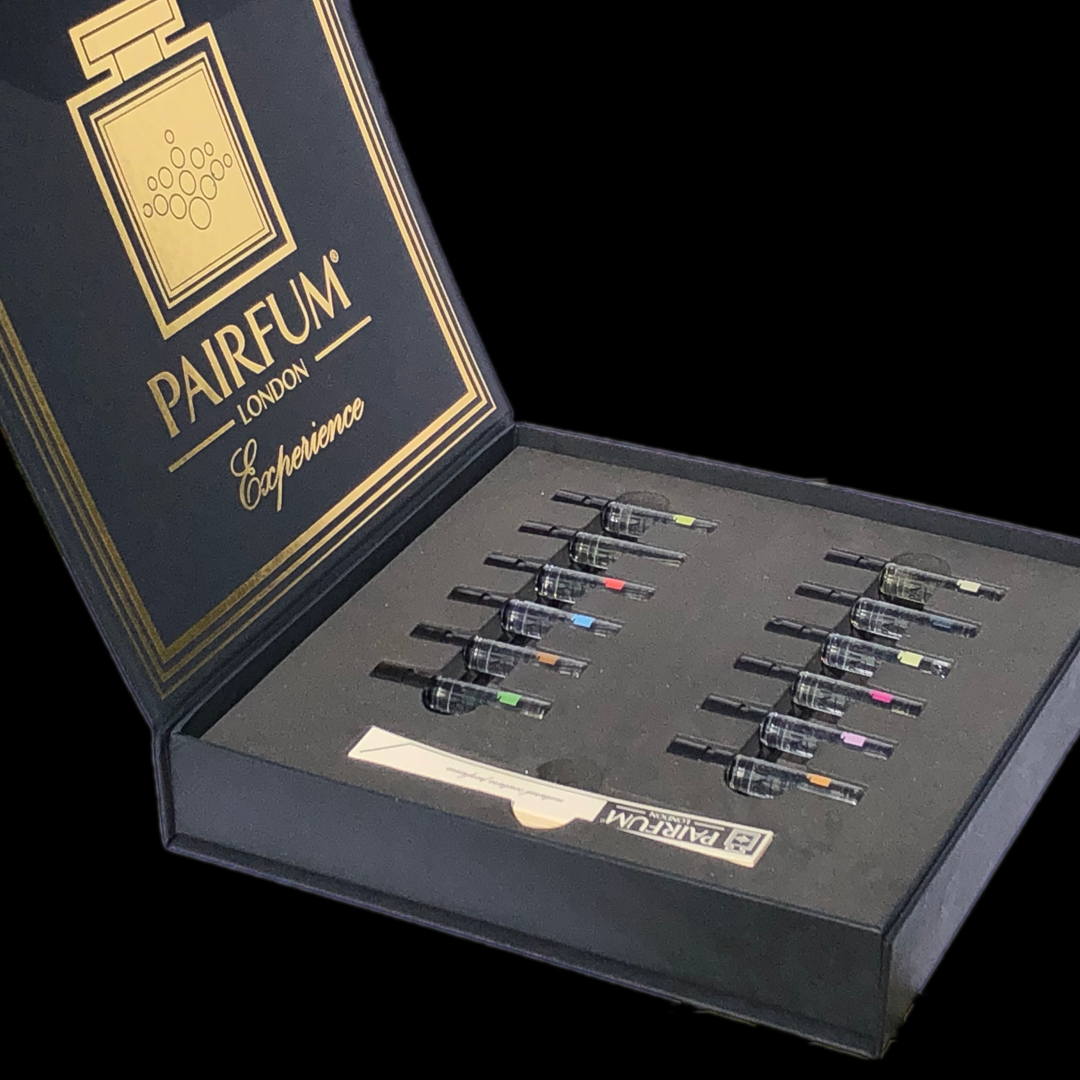
In-store perfume counters can lead to sensory overload within minutes. The Pairfum Fragrance Library Perfume Experience Box solves this by delivering twelve 2ml Eau de Parfum Intense vials directly to your home. Enjoy testing without crowds or pressure. Each sample provides approximately one hundred sprays, giving you ample time to evaluate the notes on paper or wear them throughout the day in your own environment. Observe how vibrant rhubarb or warm cardamom settles on your skin without the rush. With fifty smelling strips included and the cost fully redeemable against a full bottle, trying new scents at home becomes a wise investment rather than a costly gamble.
Find Your Signature Scent With Assurance
Tester perfumes allow you to observe how scents react with your skin prior to purchasing a full bottle. Comparing notes, longevity, and overall impression at your own pace removes the uncertainty of selecting a favorite fragrance. Protect your sense of smell by pacing your testing to evade nose blindness, and enjoy the journey of discovering a perfume that truly aligns with your personality and style.
The post How to Avoid Nose Blindness When Testing Perfumes at Home appeared first on Pairfum London.
