


Understanding Baby Hairs: Characteristics and Care Requirements
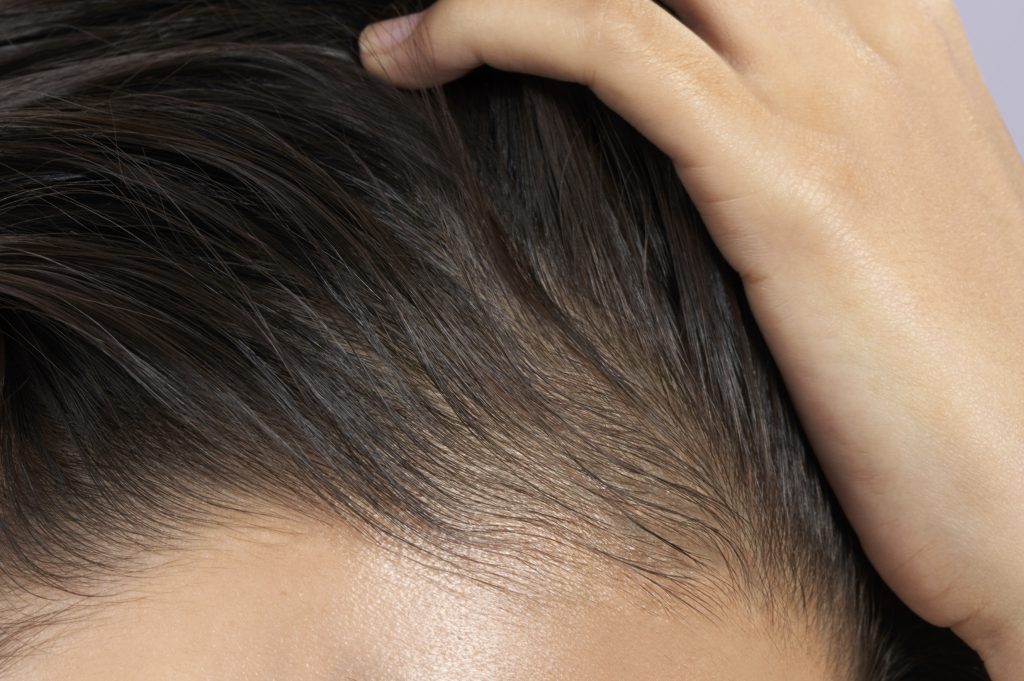
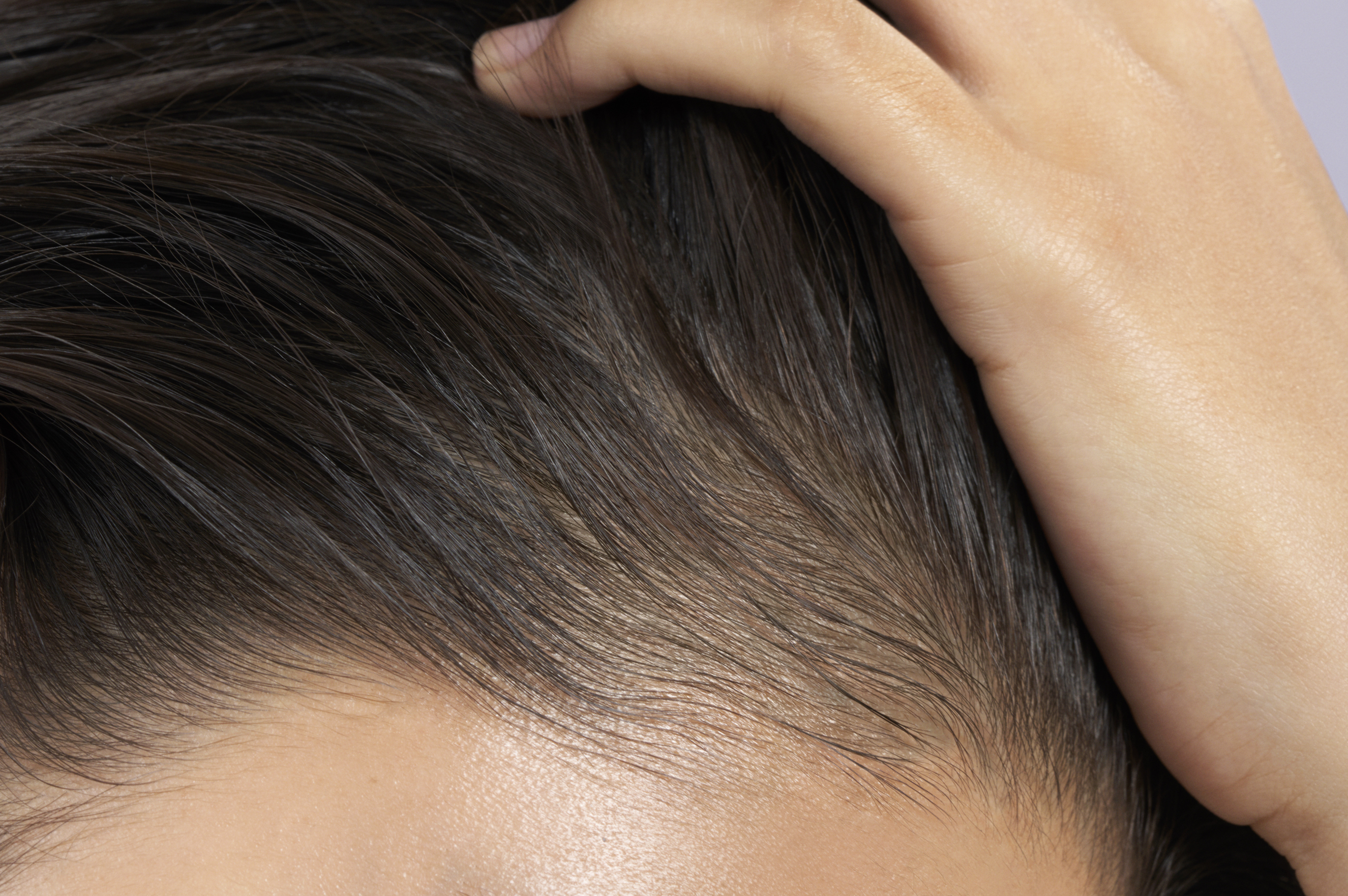
Baby hairs, scientifically known as “vellus” hairs, are notably short and fine strands that require special attention and care. The term “vellus” derives from Latin, meaning wool, emphasizing their delicate nature. These fragile hairs serve a specific purpose and are often found around the hairline, adding a soft frame to the face. Their unique qualities necessitate gentle handling to prevent damage. Understanding their characteristics is vital for developing effective hair care routines tailored to their needs.
Baby hairs are:
- Finer in texture than regular (terminal) hairs
- Tend to be lighter in color
- Often described as wispy
- Delicate, fine, soft and light
- Only found around the hairline and can be on the front, sides or nape of the neck
Identifying Your Hair: Distinguishing Baby Hairs from Hair Breakage
Location plays a crucial role in identifying whether those short hairs are baby hairs or signs of breakage. Baby hairs are typically located exclusively along your hairline, while hair breakage can occur throughout your entire mane. Recognizing these patterns can aid in determining the right approach to hair care. Breakage can manifest as a result of various factors, including styling practices and environmental influences, making it essential to differentiate between the two to maintain healthy hair.
Some helpful ways to determine whether you are dealing with breakage or baby hairs include, but are not limited to, the following:
- Uneven in length
- Usually has split or fractured ends
- Feel dry or rough to the touch
Always look out for signs of hair breakage so you can address them sooner rather than later. Baby hairs are something to celebrate; hair breakage is something to address.
Exploring the Causes Behind Hair Breakage: Factors to Consider
Identifying the root cause of hair breakage can be complex, as multiple factors often contribute to the issue. According to experts, common culprits include various styling practices and environmental damage that can weaken the hair structure. Understanding these factors is essential for creating a targeted approach to hair care and prevention. Addressing these issues early can significantly improve the overall health and appearance of your hair.
- Excessive heat styling
- Chemical straightening
- Over-drying
- Being rough with your hair when brushing and combing
- Day-to-day friction, like hair clips or elastics that pull on the hair
- Tight hairstyles, like buns, braids and ponytails
- Chemical damage caused by bleach
Effective Treatments for Repairing Broken or Damaged Hair
The appropriate treatment for hair damage largely depends on the underlying causes. If you can identify specific factors, such as excessive heat or tight hairstyles, making adjustments can lead to quick improvements. However, for many, uncovering deeper issues may require a more comprehensive approach. Tailoring your hair care routine to address these concerns can help restore your hair’s vitality and strength.
Some of the treatment options are:
- Frizzy and dry hair. “If your hair is frizzy and dry but doesn’t seem broken, hair masks and treatments can help restore moisture and elasticity to the hair,” says Cheung.
- Apparent split ends. If the hair has breakage and obvious split ends, Cheung suggests cutting the damaged part off to prevent it from spreading and causing sections of hair to break off altogether.
- Hairline damage. If the damage is specifically around your hairline, reduce direct heat styling.
Gentle Care Tips for Baby Hair: Nurturing Delicate Strands
When it comes to managing baby hair, stylists emphasize the importance of gentle handling. These delicate strands can easily sustain damage, so incorporating strengthening products into your hair care routine is essential. Opting for protein-based treatments can fortify these fragile hairs. Cheung advises applying a tiny drop of moisturizer or oil if your baby hair appears dry. If you’re searching for the perfect oil to style your baby hairs, consider our hair oil, which effectively keeps them in place while providing essential moisture. This versatile oil can serve as a finishing product for styling or as a treatment prior to washing, offering deep conditioning properties that strengthen delicate hair.
Creative Styling Techniques for Baby Hairs: Tips from the Experts
Styling baby hairs can be approached in various ways to achieve the desired look:
- Lay them down. Lay them flat with a toothbrush and use stiff gel, wax, mousse or hairspray. “You can either let the product set naturally, which can take time, or accelerate the setting process by using a diffuser on your hairdryer,” says Eloise Cheung, a hairstylist in New York City.
- Wild and free. You can also let them be free, but “they might need to be tamed with a small round bristle brush and a blow-dryer if you want to control their direction a little more,” says Cheung. She suggests using a little volumizing spray to help control them while drying your hair.
Exploring the Benefits of Prose Shampoo and Conditioner for Hair Health
Did you know using Prose shampoo and conditioner reduces hair breakage by up to 73% — that’s up to 1,500 broken fibers saved per month? This significant reduction in breakage emphasizes the importance of using effective hair care products tailored to your needs.
Proactive Strategies for Preventing Future Hair Breakage
The good news is that you can take proactive measures to prevent future hair breakage. Implementing effective hair care practices now can significantly reduce the likelihood of breakage later on. By following these tips, you can maintain the health and integrity of your hair:
- Use protective products like hair creams, heat-protective styling products, serums and hair oils. Some are meant to be used before heat-styling, while others are designed for dry hair to lock in your style and protect from external environmental factors. Adding these to your routine can help keep your hair healthier and minimize damage.
- Consider using Prose custom supplements. Your custom Root Source™ supplements provide natural and powerful ingredients known to soothe the scalp and help hair growth.
- In addition to limiting damage to your hair by letting it air dry, you can reduce heat styling and try to decrease the amount of bleaching.
- Protect your hair by using a satin or silk pillowcase. Cotton pillowcases can cause much more friction on your hair, which could result in more damage.
- A quality hairbrush is another way to care for your hair and limit breakage. Brushing your hair correctly can help stimulate your scalp, detangle your ends and distribute oil.
Final Touches: Styling Your Baby Hair with Confidence
Now that you have a clearer understanding of the differences between hair breakage and baby hair, you can confidently move forward with your styling routine!
Whether you are styling baby hair or using a deep conditioning treatment to repair damage, you’ve come to the right place. Start your consultation today, and let us help you achieve your hair’s highest potential. We are eager to learn more about your hair and create a personalized formula that supports your hair growth journey.
*These statements have not been evaluated by the Food and Drug Administration. This product is not intended to diagnose, treat, cure or prevent any disease.
Instrumental test vs. Non conditioning shampoo
