


[ad_1]
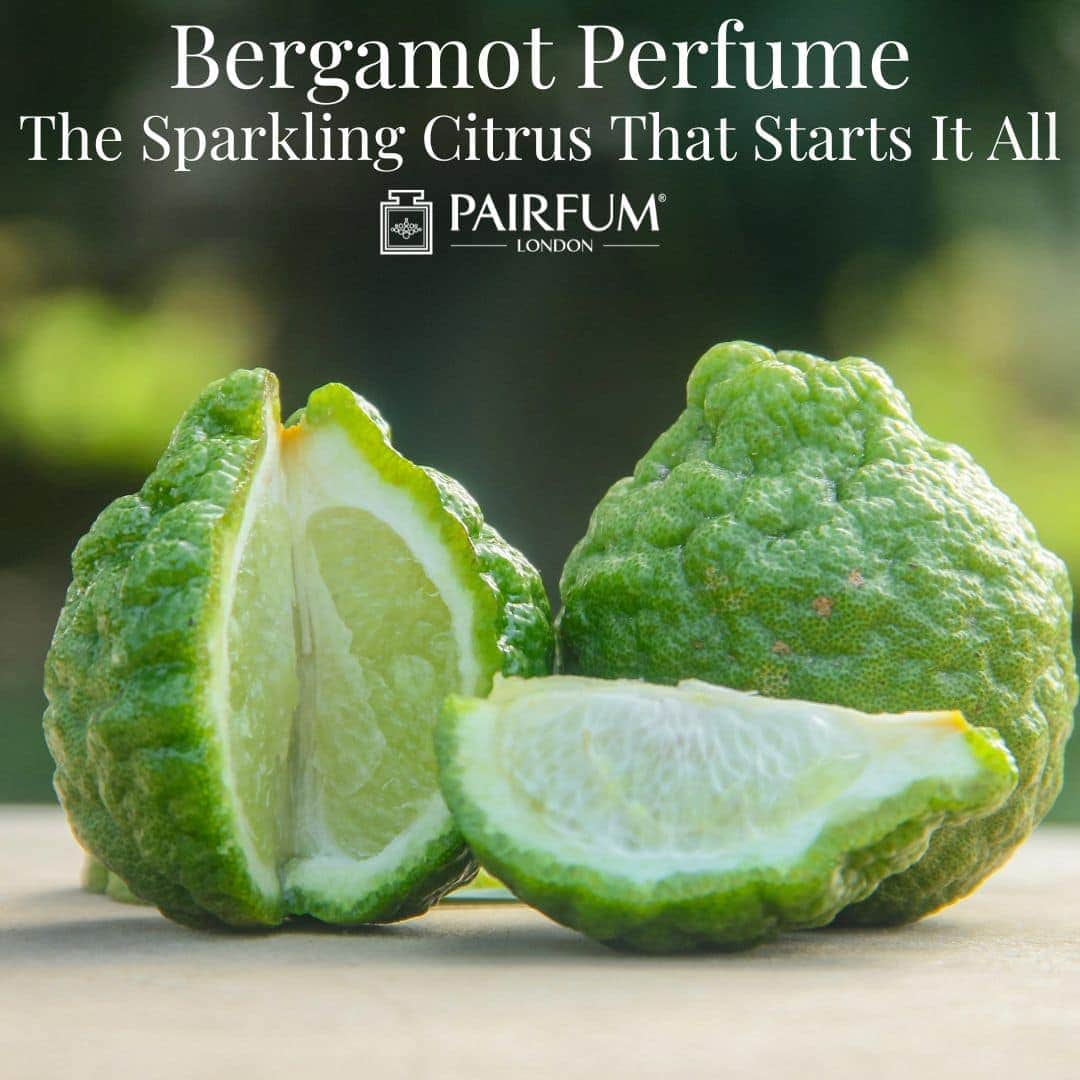
In bergamot perfume, bergamot is an invigorating, citrusy, and subtly spicy fragrance note derived mainly from the green rind of the Citrus bergamia fruit, a bitter orange that is not edible and primarily cultivated in Calabria, Italy. Renowned in the perfume industry for its bright, crisp, and uplifting characteristics, bergamot serves as an essential and sparkling top note in many of the world’s most iconic luxury fragrances. Due to natural variations in the cost and quality of raw bergamot oil, high-end perfumes often utilize premium, natural extracts, while more affordable commercial options frequently rely on synthetic alternatives to mimic the aroma.
There is an undeniable quality about bergamot perfume that instantly evokes a sense of joy. Its citrus brightness conjures images of clear blue skies, refreshing morning air, and the sensation of stepping outside with a clear mind. When we contemplate fragrances that embody freshness and uplift our spirits, bergamot often emerges as the first choice.
As we transition into May, with its warmer days and extended evenings, these fragrances seem particularly well-suited for daily wear. Bergamot seamlessly fits into both classic Eau de Colognes and contemporary niche perfumes. Whether it stands out on its own or blends harmoniously with other notes, it consistently establishes the fragrance’s tone. Let’s explore what makes bergamot such a cherished element in a wide array of aromas.
Discover Bergamot: The Essence of Citrus Elegance
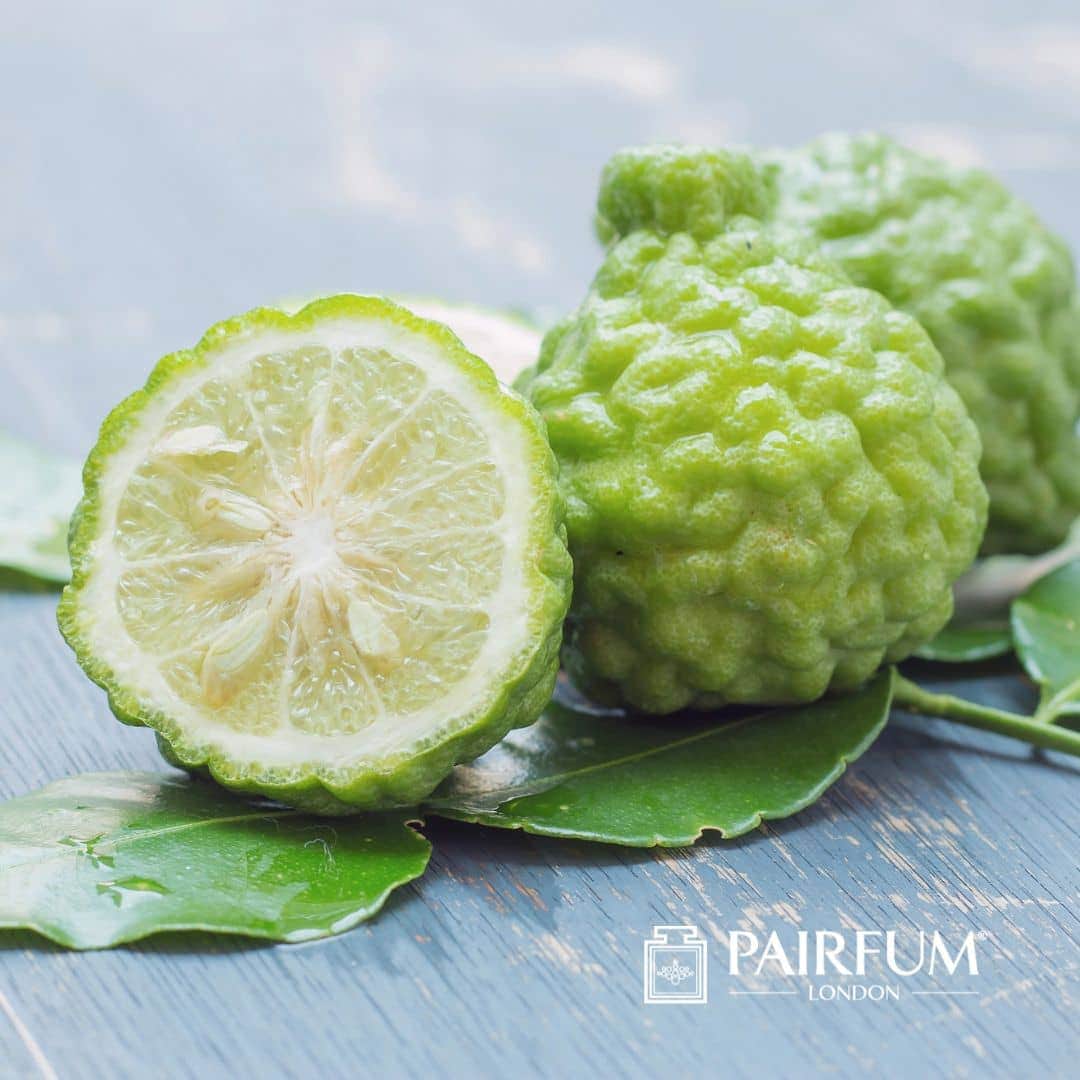
Let’s be candid about citrus fruits. Many are uninspiring, often resembling kitchen cleaners more than luxurious perfumes. Bergamot stands apart. It hails from a small, round fruit that appears to be a cross between a bumpy lime and a bitter orange. This yellow-green hybrid grows on the bergamot tree, scientifically known as Citrus bergamia.
The bergamot tree is quite particular about its environment. It flourishes almost exclusively along a narrow, sun-soaked strip of coastal land in southern Italy, especially in Calabria. While you might occasionally find a rogue bergamot orange in other regions, the unique maritime microclimate, heavy clay soils, and intense humidity of this Mediterranean locale yield the only Calabrian bergamot worthy of recognition.
The fruit itself is entirely inedible. It possesses a sour, sharp, and aggressively bitter flavor. Biting into a raw bergamot fruit would certainly lead to an unpleasant experience.
The true magic lies within the thick rind of the bergamot fruit. To extract the oil, producers gently press the outer skin. Historically, workers employed a manual method called la spugnatura, pressing the rind against natural sponges to absorb the liquid. In modern times, mechanical cold-expression techniques preserve the vibrant profile of bergamot oil. This process produces a rich bergamot essential oil, yielding a perfume note that is sharp yet refined.
- It exhibits a clean citrus edge, reminiscent of freshly zested peel.
- A soft, floral undertone emerges, evoking the scent of sweet mandarin.
- It feels more sophisticated and less sugary than lemon.
This unique combination of brightness and unexpected warmth defines the signature scent of natural bergamot: sunny, direct, and authentically refreshing.
Understanding Bergamot’s Essential Role in Fragrance Composition
Visualize a fragrance as a three-act play. Bergamot consistently serves as the opening line. In the specialized language of the perfume industry, it functions as a top note, delivering that initial, fleeting burst when the liquid first interacts with your skin. It awakens your senses, drawing you in, then gracefully recedes to allow the deeper heart notes to take center stage.
Bergamot’s significance to perfumers stems from its remarkable ability to harmonize with other ingredients. It acts as a superb olfactory fixative and a natural bridge. It can soften a sharp, assertive note or provide space for a heavy, overwhelming floral note to breathe. Rather than overshadowing, it creates balance.
Inexpensive citrus fragrances often come across as synthetic and flat. Bergamot avoids this pitfall due to its chemical complexity, rich in natural linalyl acetate and linalool. This complexity imparts a subtle elegance to unisex perfumes, cutting through dense woody or spicy bases without sacrificing its airy quality. Contemporary perfumes rely on bergamot to prevent intricate formulas from feeling weighed down.
Bergamot: A Timeless Ingredient with a Rich History in Perfumery
This essential oil has been a cornerstone of the fragrance industry since at least the 18th century. It became a fervent obsession within the French court of Louis XIV, where the aristocracy used it to scent everything from leather gloves and waistcoats to the air in their drawing rooms.
Long before it became a coveted luxury scent, ancient Mediterranean cultures such as the Greeks and Romans utilized the fruit for its health benefits, treating persistent fevers and digestive ailments. The true transformation occurred with the rise of traditional cologne.
Classic eau de cologne heavily relied on citrus top notes for a crisp profile, and bergamot was the key ingredient that elevated these blends from medicinal to sophisticated. The 19th-century commercial success of the renowned “4711” Eau de Cologne solidified bergamot’s status as a vital component in the global fragrance industry. Perfumers discovered that it could impart a polished feel to complex blends while allowing them to maintain an effortless quality, seamlessly integrating with other essential oils without overpowering the delicate heart notes of a fragrance.
Exploring Variants: The Diverse Aromatic Profile of Bergamot
Not all bergamot oils possess the same scent profile. Some may be intensely sharp and citrusy, while others exhibit a bitter, woody, or distinctly floral aroma. These variations depend entirely on the timing of the harvest (which occurs from November to March) and the treatment of the oil.
Raw, unrefined bergamot oil contains an organic compound known as bergapten, a furanocoumarin that can cause severe skin sensitivity and phototoxic reactions upon sun exposure. To avoid unpleasant effects, the modern perfume industry uses treated, bergapten-free variants or high-quality synthetic alternatives that ensure safety while retaining the exquisite bergamot fragrance.
The classic Italian bergamot profile pairs beautifully with a variety of other scents. Depending on the desired outcome, it can completely transform its character:
Aromatic & Green Pairings
- Lavender: When blended with French lavender, it results in a clean, soft, and calming scent.
- Petitgrain & Neroli: Combined with bitter orange petitgrain or distilled neroli, the aroma becomes green and crisp.
- Green Tea: Pairing bergamot with a green tea accord creates a refreshing, dry blend that perfectly mimics the essence of a freshly brewed cup of Earl Grey.
Floral & Bright Pairings
- Jasmine: The heavy, sweet warmth of jasmine grandiflorum contrasts beautifully with the citrus, yielding a balanced, sunny floral fragrance.
- Clean Aldehydes: For an effervescent and soapy opening, perfumers often mix fresh bergamot with clean aldehydes.
Warm & Woody Bases
- Cedarwood & Vetiver: Incorporating dry cedarwood or smoky vetiver creates a grounded and cooler fragrance profile.
- Musk & Amber: Once the citrus brightness diminishes, a base of clean musk and rich amber provides remarkable longevity on the skin.
- Vanilla & Tonka Bean: For a hint of sweetness, a smooth base of vanilla and powdery tonka bean ensures that the fragrance warms beautifully over time.

Signature Scents: Iconic Fragrances That Celebrate Bergamot
Some of the world’s most celebrated fragrances rely heavily on the refreshing qualities of bergamot. Historic brands like Acqua di Parma utilize this vibrant fruit as the backbone of their classic Italian colognes, encapsulating the essence of Mediterranean style. Mainstream labels such as Jo Malone frequently incorporate bergamot, pairing its bright zest with unexpected savory elements like oud or sea salt to create invigorating everyday scents.
In the realm of niche perfumery, creators often explore bergamot’s more unconventional facets. For instance, Le Labo Bergamote highlights the bitter, multifaceted complexities of the rind, complemented by heavy amber and musk. Conversely, Guerlain’s Aqua Allegoria Bergamote Calabria emphasizes the juicy, sun-kissed side of the fruit, evoking the sensation of wandering through an orchard in southern Italy. Even high-fashion brands like Yves Saint Laurent and Prada consistently employ this note, using its fizzy brightness to balance rich, sweet bases such as vanilla.
Whether you prefer a delicate floral fragrance, a sharp green blend, or a deeper, spicier perfume with warm clove accents, bergamot always serves as the subtle introduction that sets the narrative in motion.
Experience the Harmony of Zesty Herb and Earthy Richness with Pairfum London
If you wish to experience how these traditional Mediterranean citrus elements seamlessly transition from an invigorating morning introduction to a warm, lasting afternoon embrace, look no further than our artisan perfume studios. We have captured this structural essence in our signature boutique release,
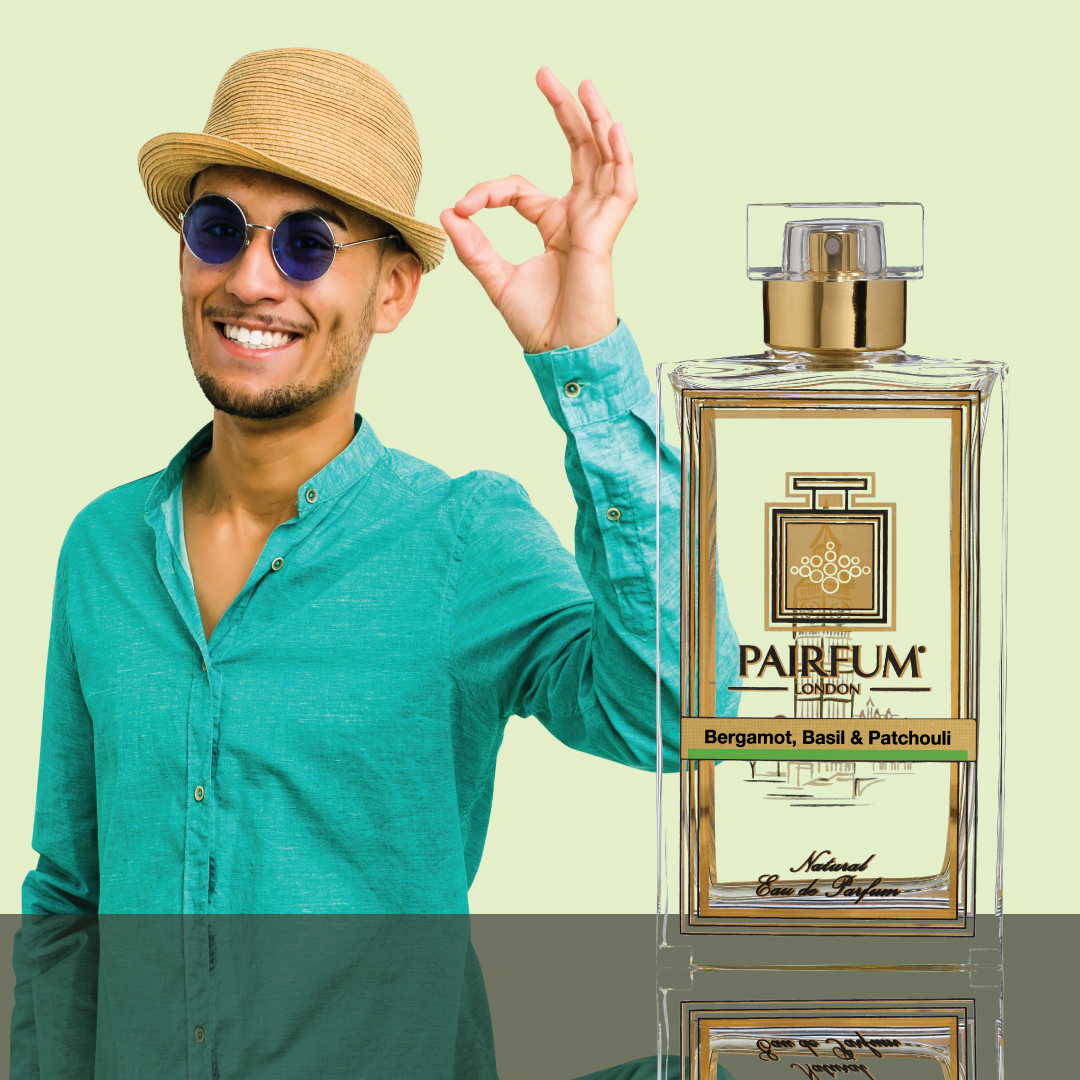
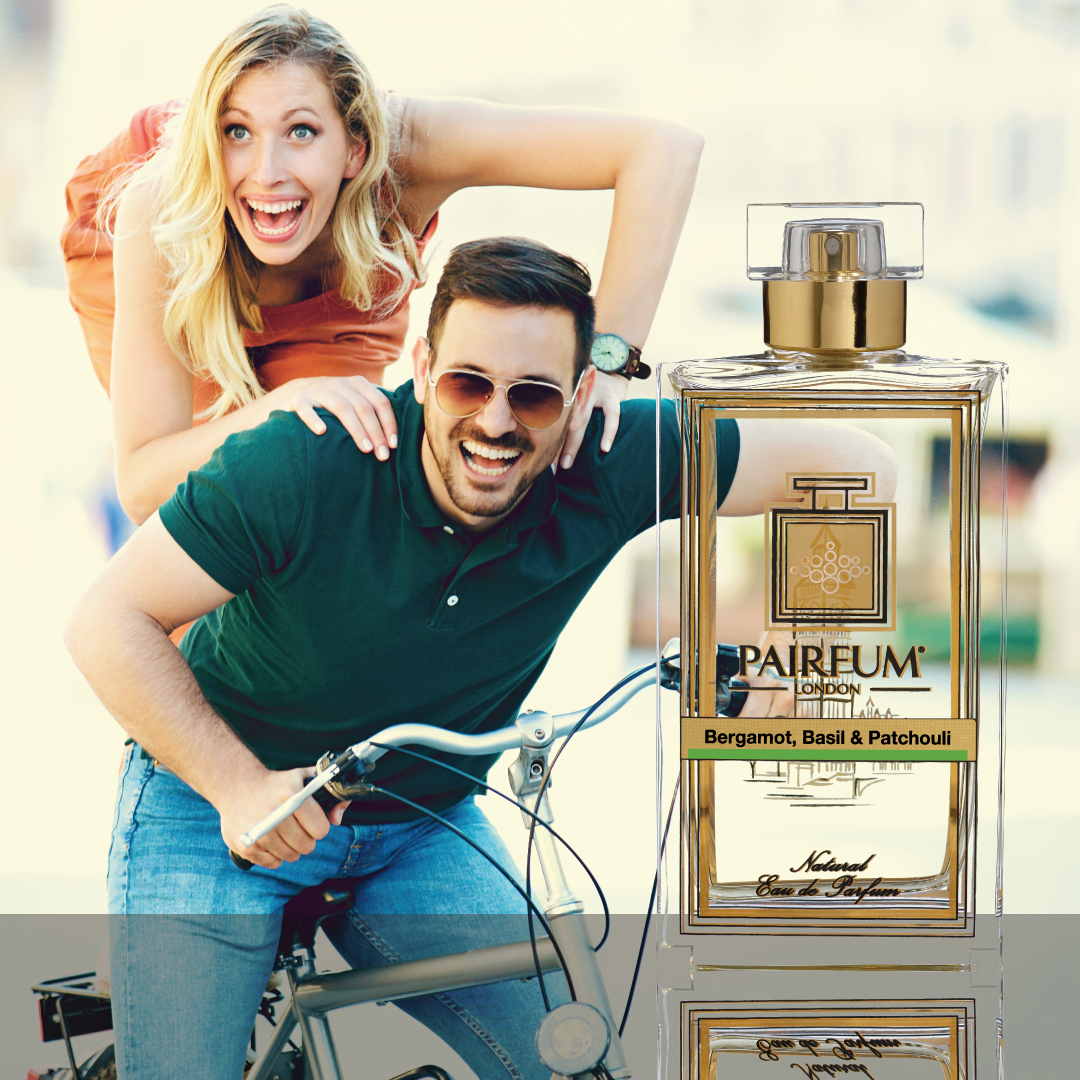
Bergamot, Basil & Patchouli – Eau de Parfum by Pairfum London
This woody and aromatic unisex fragrance opens with Bergamot, Lime, Green Leaves, and spicy Basil. The heart is vibrant with notes of Lily, Freesia, Violet Leaf, Rose, and Geranium. It settles on a beautifully rich woody base of Patchouli, Vetiver, Sandalwood, Cedar, and Amber. This composition elegantly showcases how a classic Italian top note can elevate an entirely modern olfactory journey.
The Essence of Something Extraordinary
A remarkable bergamot perfume embodies the essence of morning light. It conveys ease, cleanliness, and a subtle warmth that feels inherently human. Beyond luxurious bottles of fine fragrance, this essential oil is a favorite in home fragrances, candles, and diffusers. Aromatherapists frequently use it to help clear the mind, alleviate stress, and ease anxiety. For a perfumer, that initial bright lift saves a heavy composition from becoming stagnant or muddled.
As the weather improves, these citrus fragrances truly shine. Bergamot Perfume effortlessly cuts through afternoon warmth without feeling dense or heavy on the skin. The delicate, multi-layered allure of a natural bergamot fragrance remains grounded, familiar, and consistently exciting with every press of the nozzle.
As an individual note, bergamot does not seek the spotlight. It beautifully initiates the narrative, yet its allure lingers in your memory long after the fleeting citrus notes have dissipated from your skin. It represents the essential element in a fragrance that you only realize is missing once it is gone.
The post Bergamot Perfumes: The Sparkling Citrus That Starts It All appeared first on Pairfum London.
