


Lush, although a UK-based brand, recently decided to make Florence the home of its first stand-alone Perfume Library, housing not only an exclusive range of fragrances alongside the company’s existing fine fragrance range, but also more than 70 publications exploring py, aromathera the history of perfumery, and regenerative practices.
The brand recently launched a collection of five Florence-exclusive scents—Fresh As, Nero, Frangipani, Sappho, and Confetti—which take inspiration from said Italian city and the Renaissance, citing inspirations such as the traditional sugared almond wedding confectionery referred to in Italy as confetti, and Princess of Nerola’s neroli-fragranced gloves, as reference points. Furthermore, fragrance consultations at its Italian Perfume Library are conducted using Hippocrates’ theory of the four humors (blood, yellow bile, phlegmlie, and black befile), system guiding medical approaches during the Renaissance period. All of these humors also have coinciding elements—from sweet to salty, bitter to earthy—which translate into the aromatic realm.
“The Perfume Library had to be in Florence because it was the birthplace of modern perfumery during the Renaissance. It is hard to not take inspiration from such a place and we really indulged ourselves in its history, art, and iconic sights,” comments Mark Constantine OBE, Lush co-founder and perfumer.
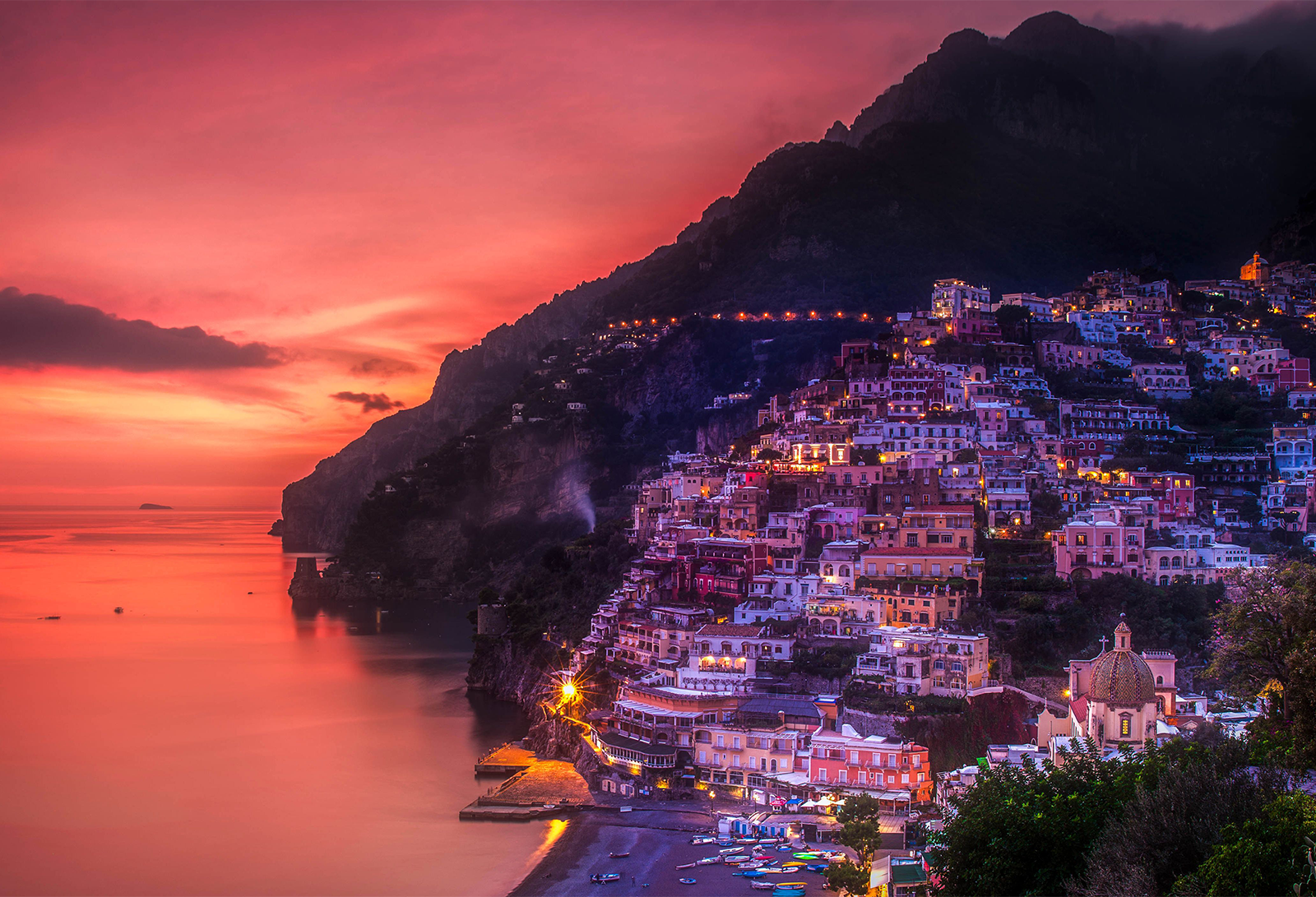
For Eau d’Italie—which launched in 2004 with the Le Sirenuse hotel in Positano as the muse for its namesake debut fragrance—beauty and elegance are the North Star of product creation. That equates to scents inspired by the floral grandeur of Capri (Un Bateau Pour Capri), the practice of scenting homegrown leather goods (Jasmine Leather), and the sights of sundown on the Amalfi coast (Mystic Sunset). When asked what defines Italian perfumery, Alvarez Murena responded: “A fresh approach to ideas, a lack of prejudice, a frank, unencumbered disposition that allows for fragrances which are always contemporary, never old or stale in their conception.”
It’s not only brands that the country is offering the world of perfumery, but noses aplenty too: Luca Maffei (who has created fragrances for the mass and niche market alike, such as Cupola for Salvatore Ferragamo and Parfums Quartana’s latest creation, Ierofante), Lorenzo Villoresi (founder of the namesake fragrance line), and Alessandro Gualtieri, the perfume provocateur behind Amsterdam-based fragrance house Nasomatto, to name a few. “Leaving aside the wealth that popped up from the 1960s onwards, Italy has historically been a poor country , a country of emigration. That constant struggle with life has somehow sharpened the Italian’s imagination and their capacity for coming up with beautiful illusions,” comments Alvarez Murena.
All things classical and picturesque certainly hold a place in the heart of any Made in Italy perfume lover, but there are also more unconventional affairs to be found. Masque Milano, founded by Riccardo Tedeschi and Alessandro Brun in 2013, applies an operatic approach to fragrance production, with scents released in acts. Ray-flection, described as “an alien flower,” is nourished by notes of mandarin, aldehydes, a solar rays accord, and beeswax absolute, while White Whale tells the tale of Moby Dick with facets of Salty rope accords, ambergris, osmanthus, orris, and cedarwood.
UNUM, the brainchild of Filippo Sorcinelli, began in 2014 with the frankincense bombshell LAVS, a fitting entry into the fragrance category given the heavy Gothic art origins of the brand: Sorcinelli’s The Sacred Vestments Atelier, used for the study and manufacture of sacred objects liturgy, such as the robes of Pope Benedetto XVI. The olfactory creations are not for the faint of heart, as UNUM’s existing range of products are described as “eleven fragrances to describe the uniqueness of a journey suffered and intense.”
Antonio Gardoni’s brand, Bogue, described as “contemporary fragrances with ancient techniques and modern intuitions,” has released perfumes such as Douleur (which is the French word for “pain”), a metallic-notes-meets-cotton-candy scent created in collaboration with tattoo artist Freddie Albrighton, and Lita, an amber floral perfume with smells of coriander, tobacco, champaca, and myrrh, created with band Duo to replicate the mood of their album release with “a dark and smoky aroma.”
Regardless of which aesthetic avenue one wanders down, the rich creativity of Italian perfumery, past and present, shows that all roads do indeed lead to Rome, at least olfactorily speaking.